Real-Time Visual Anomaly Detection in High-Speed Motorsport: An Entropy-Driven Hybrid Retrieval- and Cache-Augmented Architecture
Rubén Juárez Cádiz, Fernando Rodríguez-Sela

TL;DR
This paper introduces a real-time system for detecting visual anomalies in high-speed motorsport using a hybrid architecture that balances speed and accuracy.
Contribution
The novel hybrid cache–retrieval architecture reduces latency while maintaining high detection accuracy in real-time motorsport monitoring.
Findings
The system achieves 55.3% lower latency compared to a retrieval-only baseline.
It attains a Macro-F1 score of 0.89 for detecting anomalies like tire degradation and suspension issues.
The framework uses entropy-based routing to stabilize decisions under uncertainty.
Abstract
At 300 km/h, an end-to-end vision delay of 100 ms corresponds to 8.3 m of unobserved travel; therefore, real-time anomaly monitoring must balance sensitivity with strict tail-latency constraints at the edge. We propose a hybrid cache–retrieval inference architecture for visual anomaly detection in high-speed motorsport that exploits lap-to-lap spatiotemporal redundancy while reserving local similarity retrieval for genuinely uncertain events. The system combines a hierarchical visual encoder (a lightweight backbone with selective refinement via a Nested U-Net for texture-level cues) and an uncertainty-driven router that selects between two memory pathways: (i) a static cache of precomputed scene embeddings for track/background context and (ii) local similarity retrieval over historical telemetry–vision patterns to ground ambiguous frames, improve interpretability, and stabilize…
Genes, proteins, chemicals, diseases, species, mutations and cell lines named across the full text — each resolved to its canonical identifier and authoritative record.
Click any figure to enlarge with its caption.
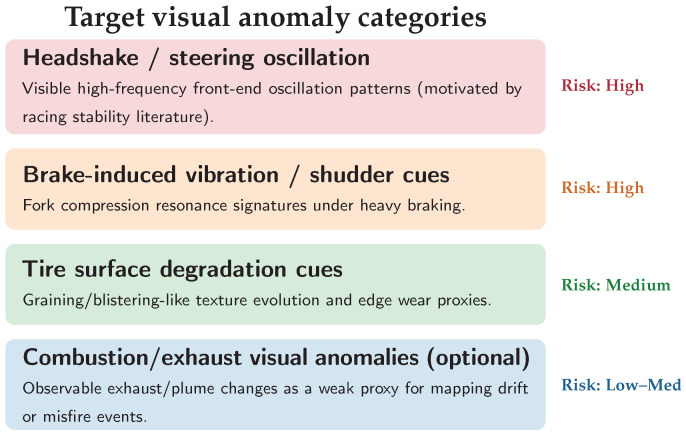 Figure 1
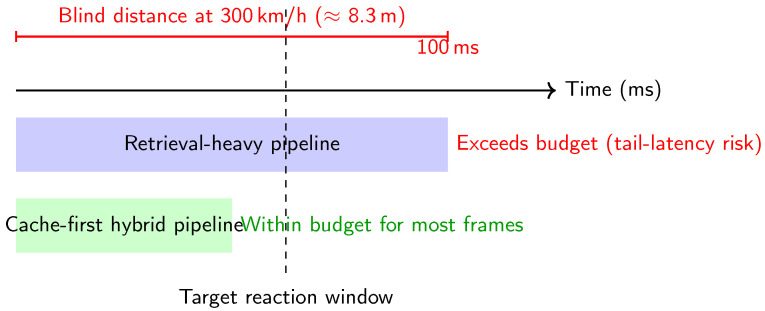 Figure 2
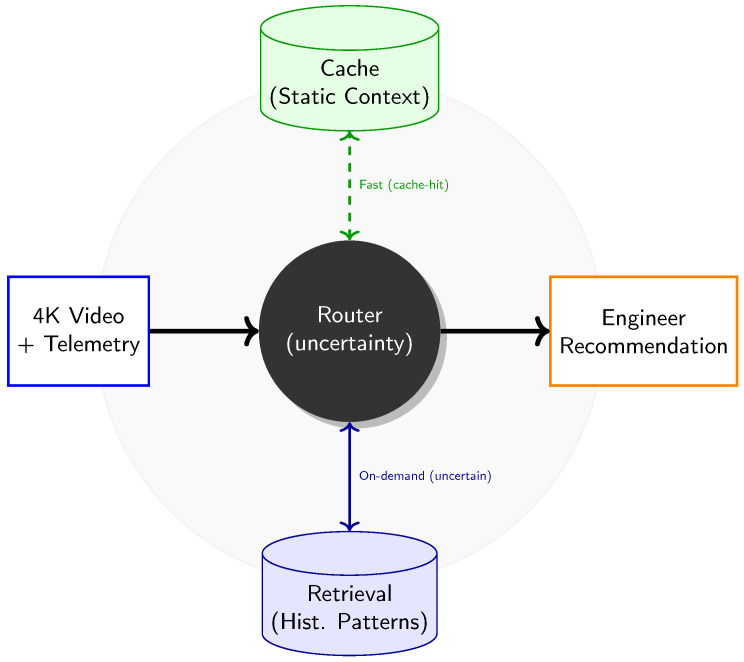 Figure 3
 Figure 4
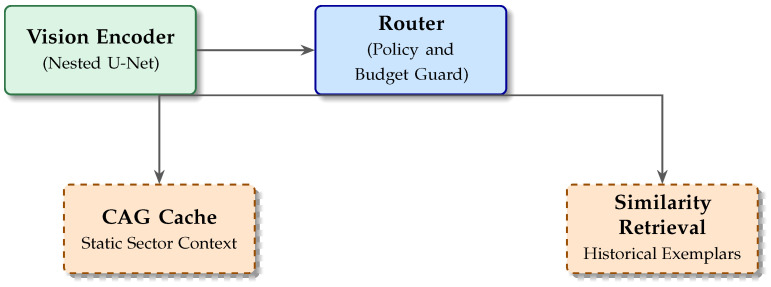 Figure 5
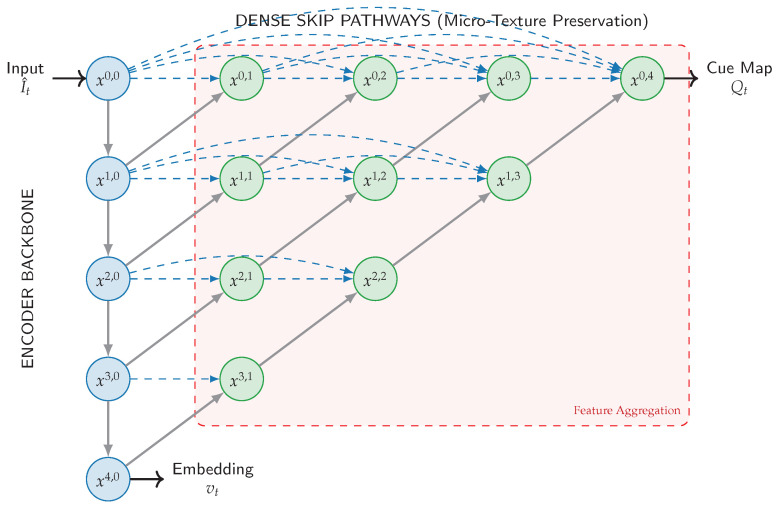 Figure 6
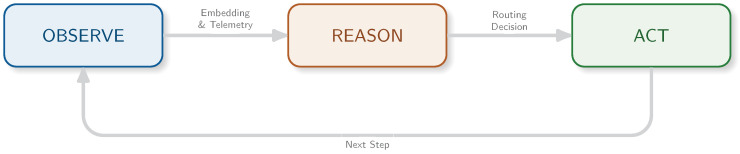 Figure 7
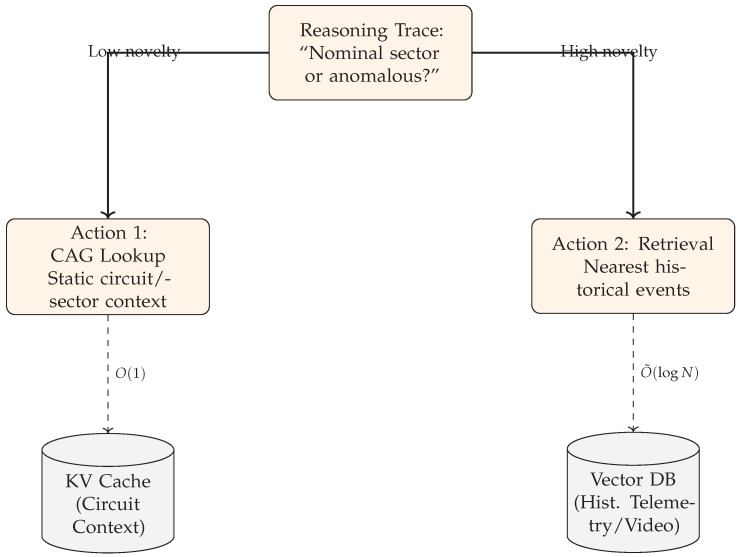 Figure 8
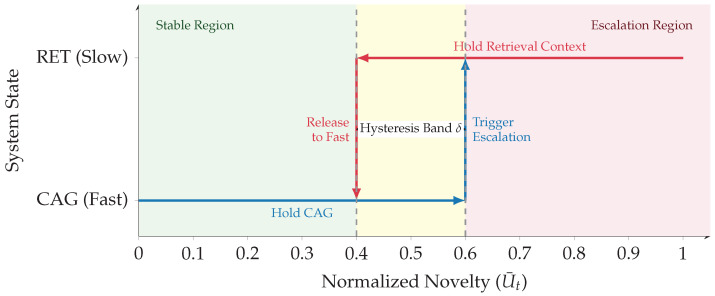 Figure 9
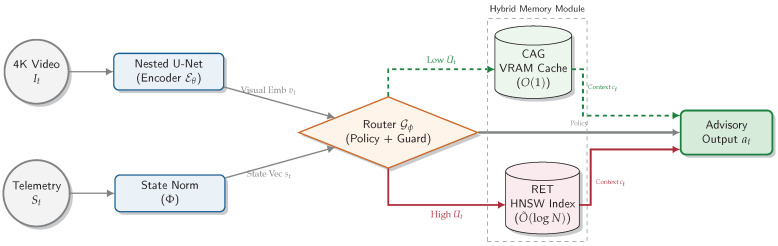 Figure 10
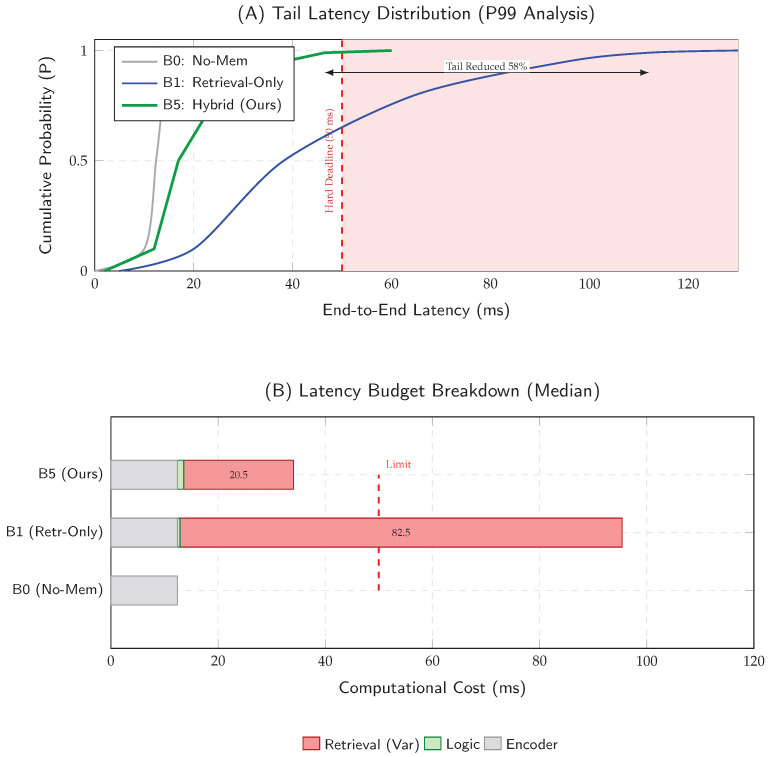 Figure 11
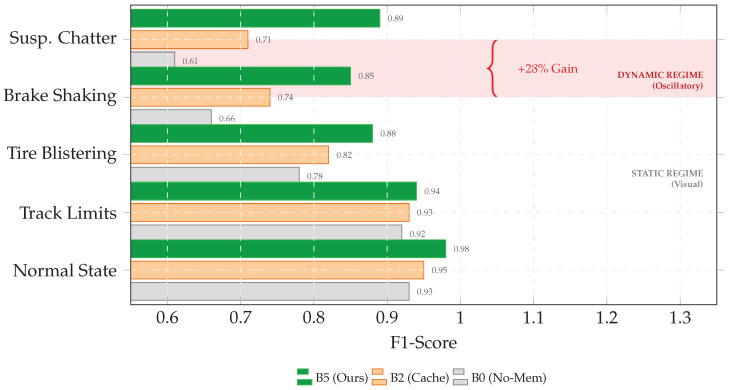 Figure 12
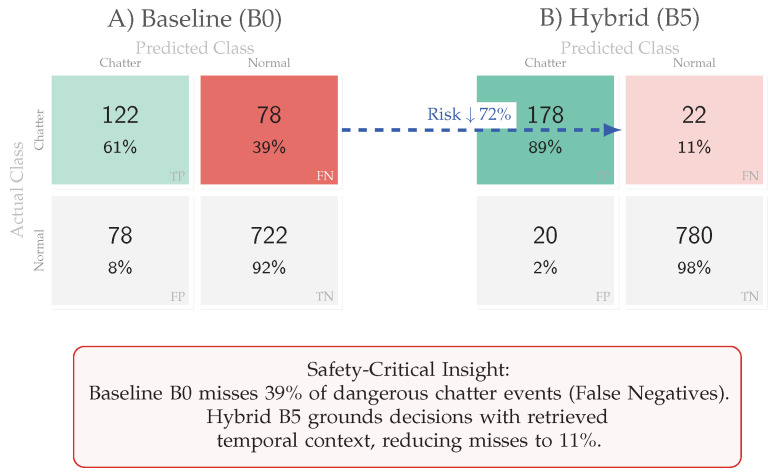 Figure 13
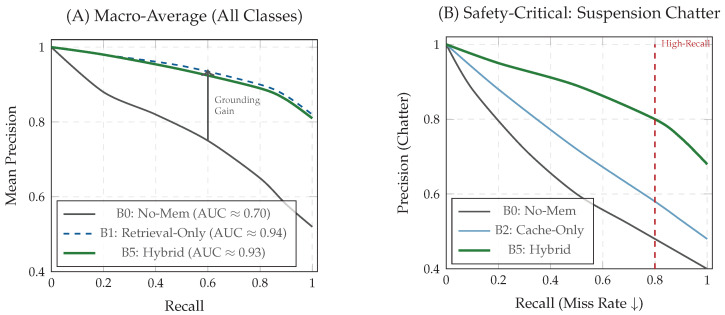 Figure 14
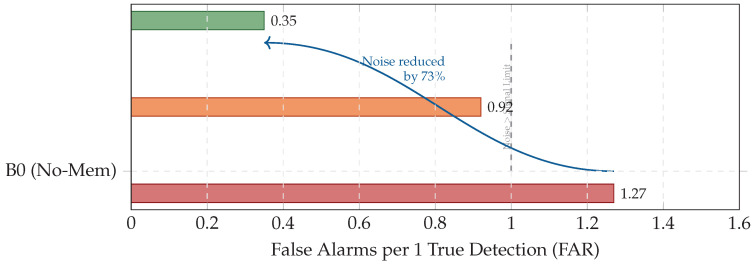 Figure 15
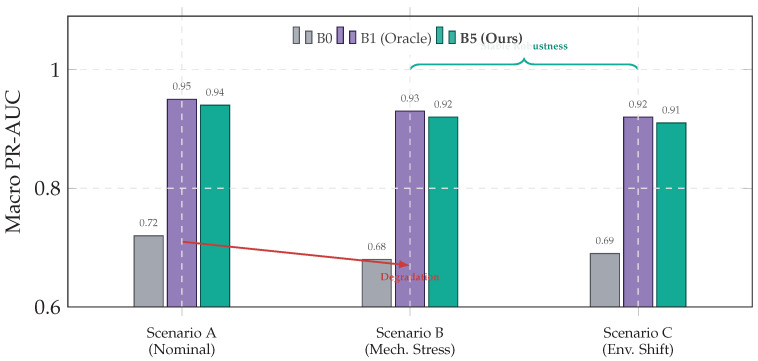 Figure 16
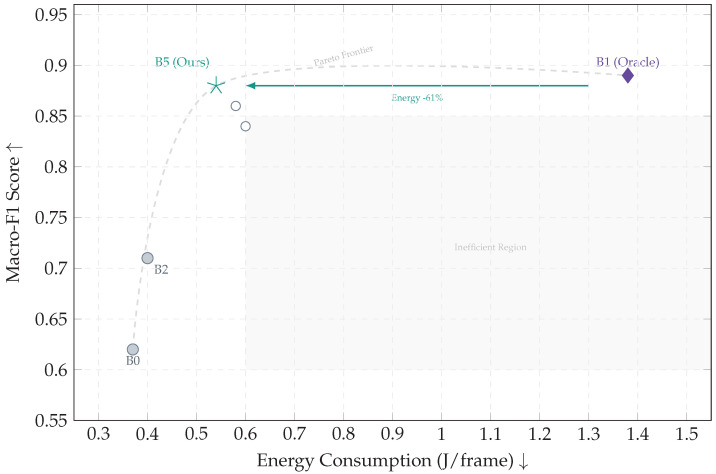 Figure 17
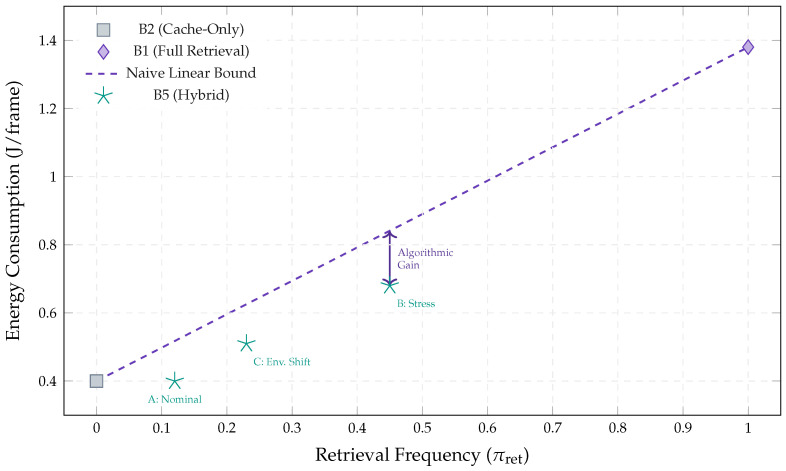 Figure 18
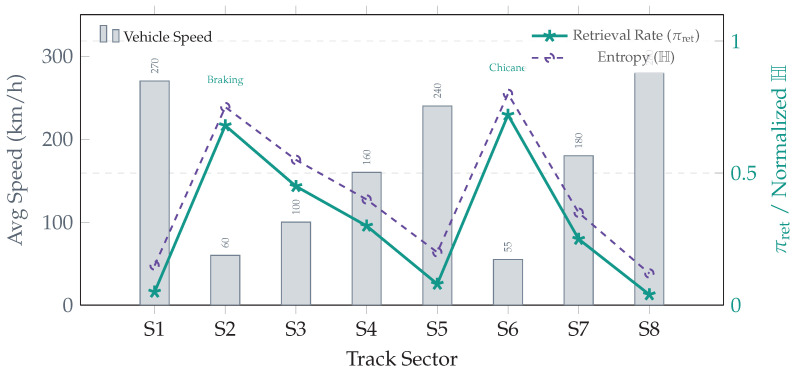 Figure 19
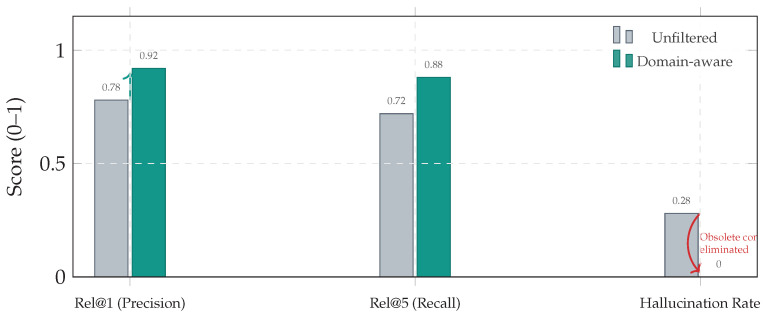 Figure 20
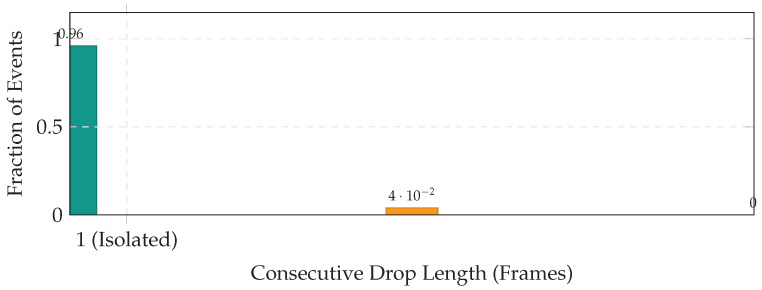 Figure 21
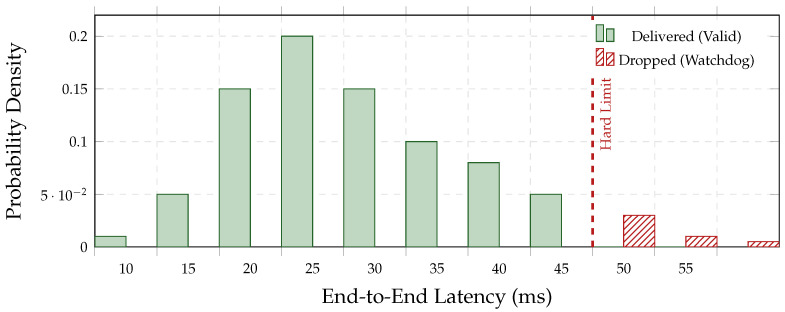 Figure 22
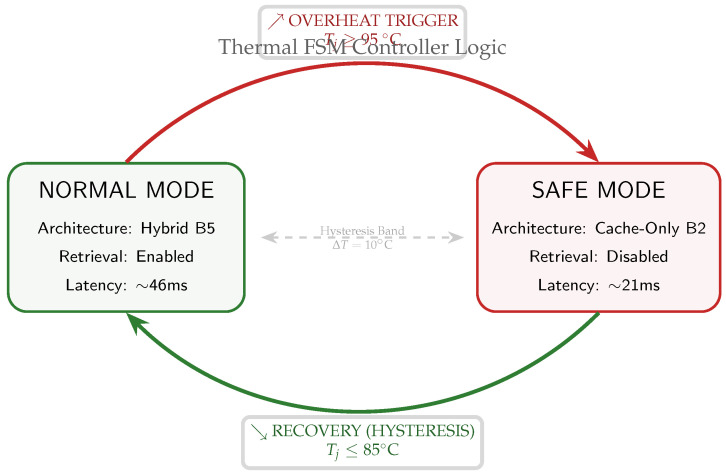 Figure 23
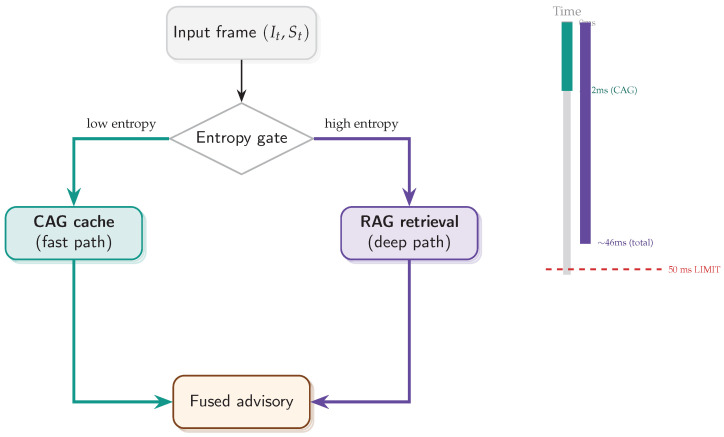 Figure 24
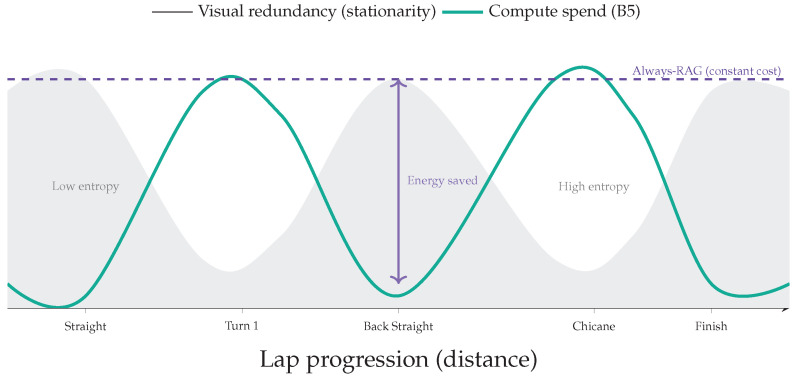 Figure 25
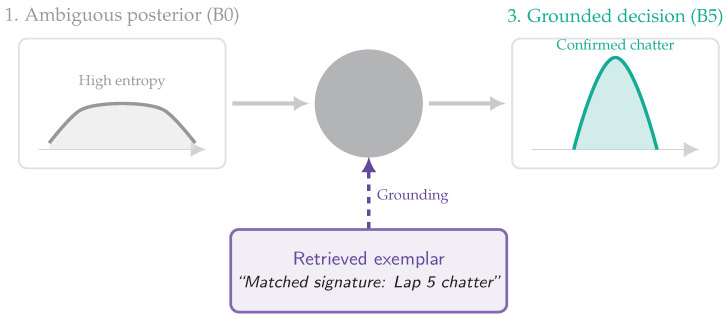 Figure 26
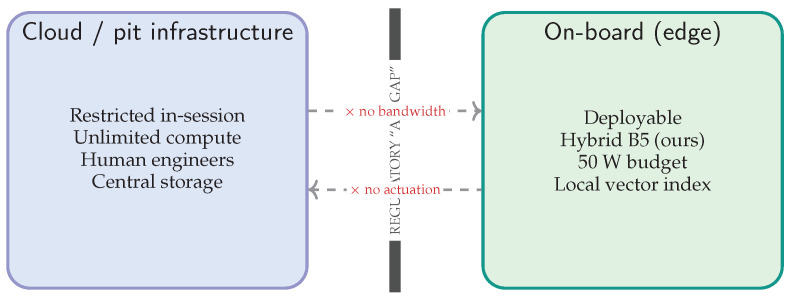 Figure 27
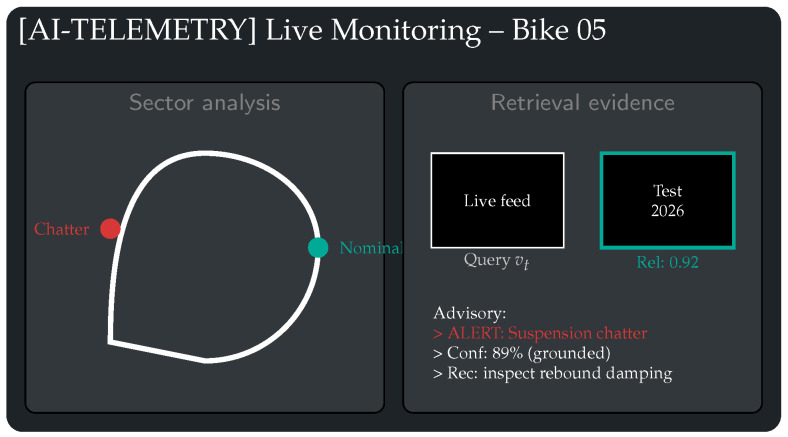 Figure 28
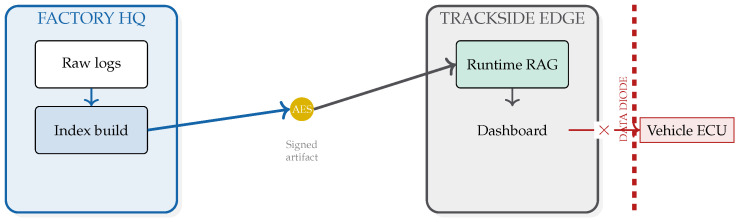 Figure 29
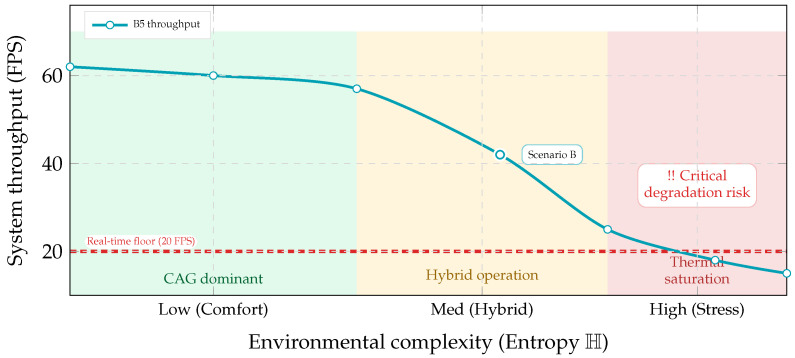 Figure 30
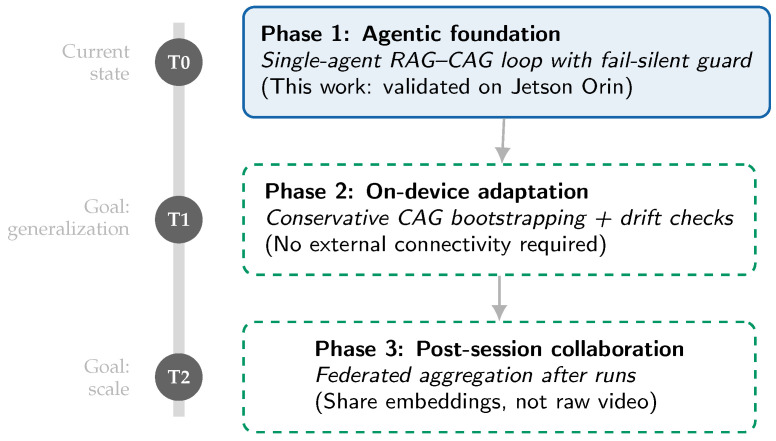 Figure 31
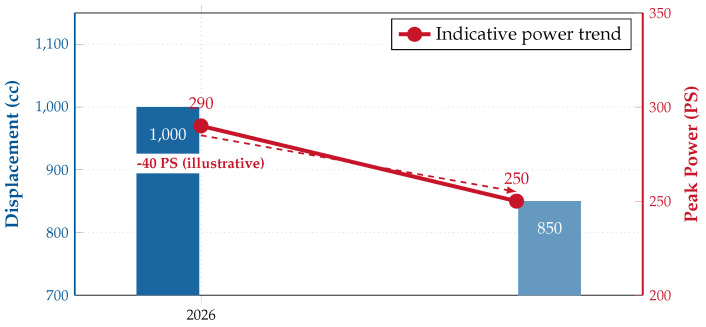 Figure 32
 Figure 33
 Figure 34
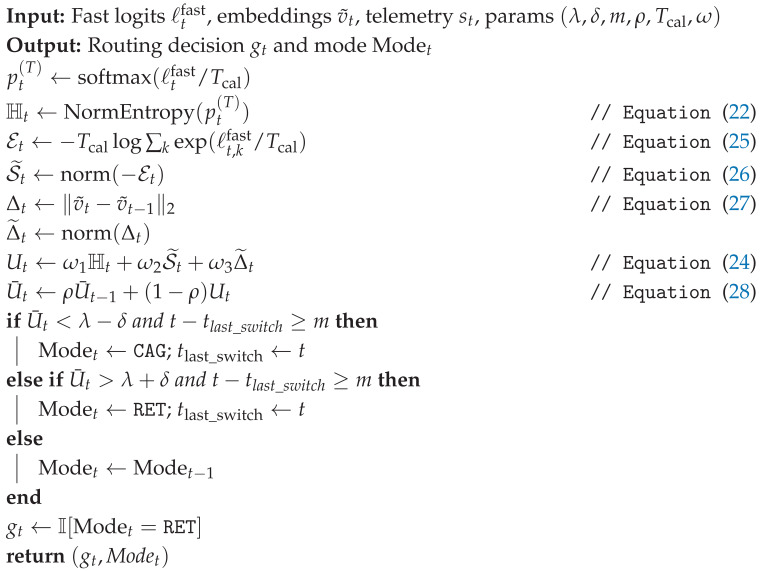 Figure 35
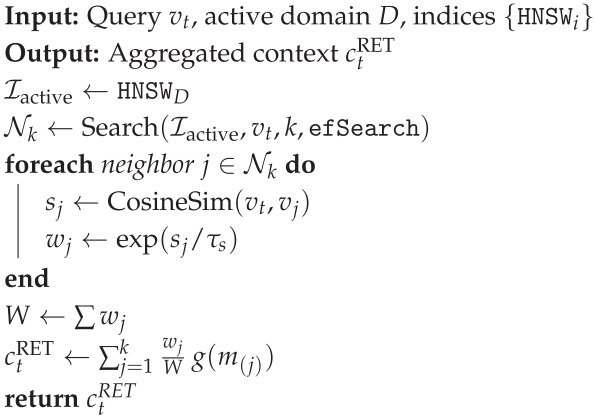 Figure 36
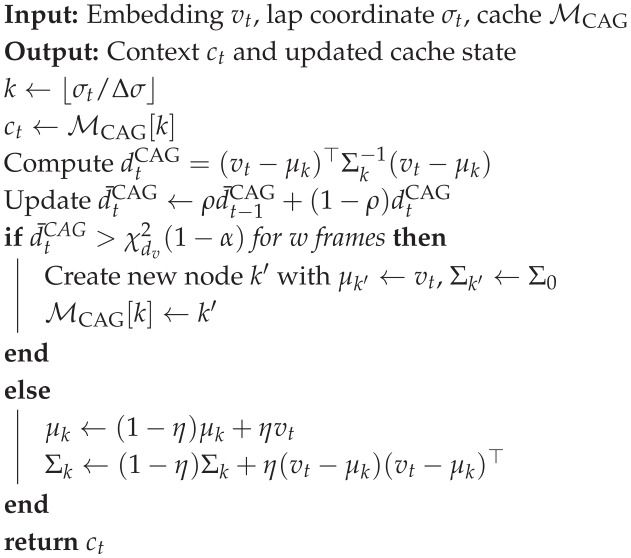 Figure 37
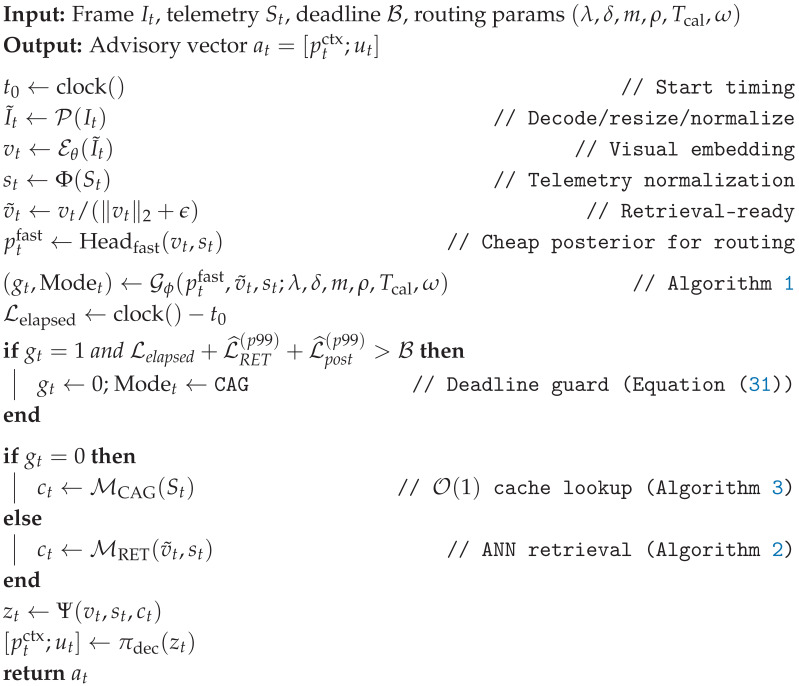 Figure 38
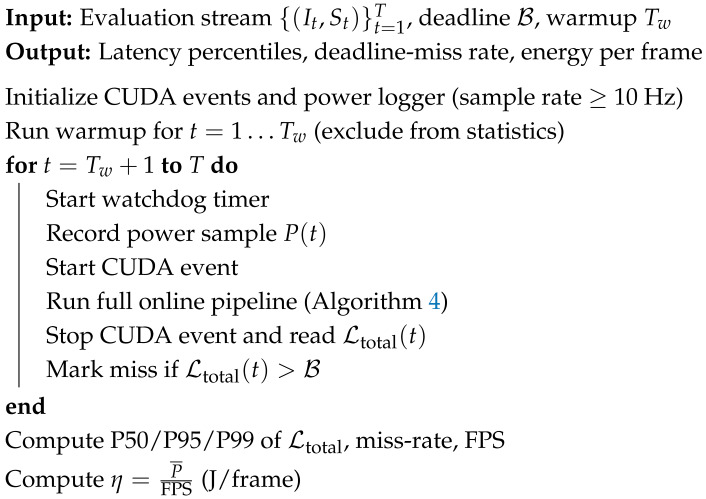 Figure 39
Peer Reviews
No public reviews on file for this paper yet. If you reviewed it on a platform where reviews are public (OpenReview, ICLR, NeurIPS, ICML), you can paste yours below so the community can read it here.
Videos
No videos yet. Explain this paper in a talk, walkthrough, or lecture? Add one.
Taxonomy
TopicsAnomaly Detection Techniques and Applications · Autonomous Vehicle Technology and Safety · Human Pose and Action Recognition