False-Positive IMMY® Serum Cryptococcal Antigen Lateral Flow Assay Results Due to Improper Use of Titration Buffer
Asmus Tukundane, Wilber Bakka, Mercy Amanige, Dora Babirye, Timothy Mugabi, Abdu Musubire, David B. Meya, David R. Boulware, Brian Doherty, Richard Kwizera, Caleb P. Skipper

TL;DR
False-positive results in a Cryptococcus antigen test occurred due to improper use of dilution buffer, highlighting the need for strict adherence to protocols.
Contribution
The study identifies a specific procedural error involving diluent misuse that leads to false-positive IMMY® CrAg LFA results.
Findings
Using titration diluent instead of specimen diluent caused consistently false-positive results up to a 1:80 dilution.
False positives were eliminated when specimen diluent was used correctly, as per manufacturer instructions.
The absence of a blocking agent in the incorrect diluent is hypothesized to cause interference from heterophilic antibodies.
Abstract
The IMMY cryptococcal antigen (CrAg) lateral flow assay (LFA) is a reliable diagnostic tool for Cryptococcus detection, but false-positive results may arise from procedural or reagent-related errors, underscoring careful operation of the assay to ensure diagnostic accuracy and prevent unnecessary treatment. Two patients who were initially reported as CrAg-positive by a peripheral laboratory were referred to Kiruddu Hospital in Kampala, Uganda, for clinical assessment and confirmatory testing. Repeat tests were conducted using specimen diluent following the manufacturer’s protocol, resulting in negative results. Semi-quantitative CrAg LFA testing and a series of control assays were performed to identify the source of error. We were able to consistently reproduce positive results when the titration diluent was inappropriately used instead of the specimen diluent. Serial dilutions…
Genes, proteins, chemicals, diseases, species, mutations and cell lines named across the full text — each resolved to its canonical identifier and authoritative record.
Click any figure to enlarge with its caption.
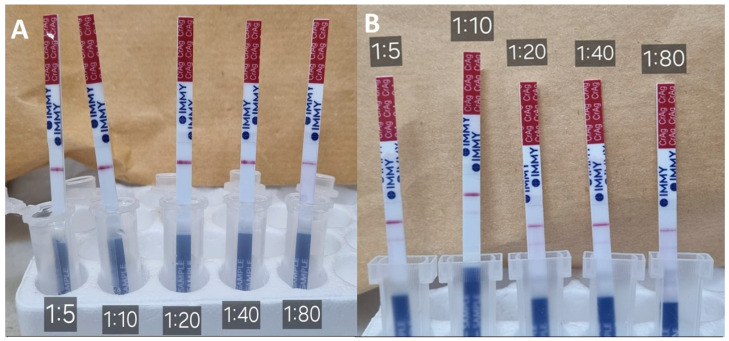 Figure 1
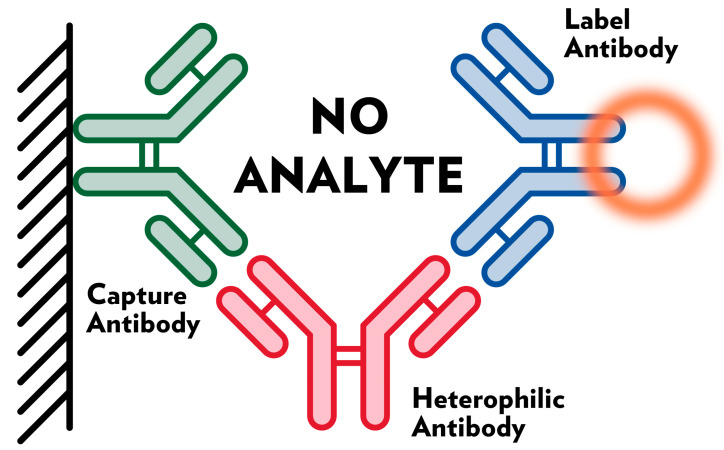 Figure 2
Peer Reviews
No public reviews on file for this paper yet. If you reviewed it on a platform where reviews are public (OpenReview, ICLR, NeurIPS, ICML), you can paste yours below so the community can read it here.
Videos
No videos yet. Explain this paper in a talk, walkthrough, or lecture? Add one.
Taxonomy
TopicsFungal Infections and Studies · Nail Diseases and Treatments · Bacterial Identification and Susceptibility Testing