Mitigating Blue-Light Risk in Display-Based Digital Therapeutics: A Practical Framework to Support Clinical Efficacy
Wonki Hong

TL;DR
This paper discusses how blue light from digital displays can interfere with health and proposes ways to reduce its negative effects in medical software treatments.
Contribution
The paper introduces a framework to mitigate blue-light risks in digital therapeutics by distinguishing and addressing different wavelength-dependent hazards.
Findings
Blue light in the 450–480 nm range disrupts circadian rhythms and suppresses melatonin.
Mitigation strategies include optical filtering, spectrum engineering, and software-based color adjustments.
The paper proposes design and standardization guidelines to align display output with therapeutic goals.
Abstract
Display-driven optical stimuli underpin a major class of clinically validated digital therapeutics (DTx) now expanding from neuropsychiatric disorders to chronic diseases. The display’s optical characteristics—spectral power distribution, luminance, contrast, and temporal modulation—therefore define the delivered dose of these software-based interventions. In this context, blue-rich emission in the 450–480 nm band, particularly with evening exposure, can suppress melatonin via melanopsin-mediated intrinsically photo-sensitive retinal ganglion cell (ipRGC) pathways and perturb circadian timing, potentially attenuating therapeutic efficacy. This review summarizes clinical evidence for display-enabled DTx across major indications and synthesizes mechanistic and experimental data linking blue light to sleep and circadian disruption, with downstream mood, cognitive, cardiovascular, and…
Genes, proteins, chemicals, diseases, species, mutations and cell lines named across the full text — each resolved to its canonical identifier and authoritative record.
Click any figure to enlarge with its caption.
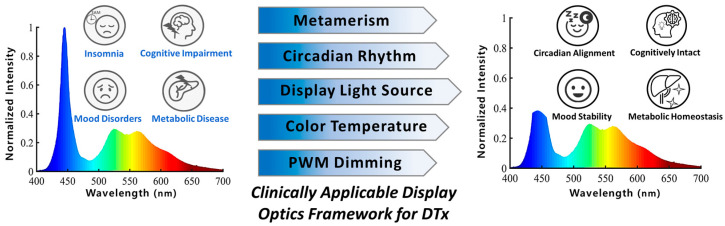 Figure 1
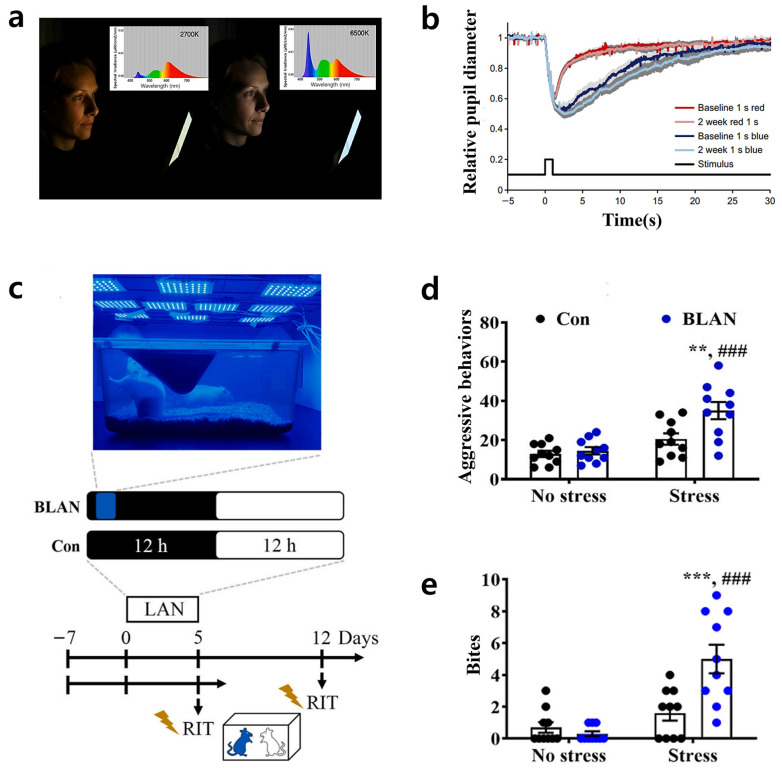 Figure 2
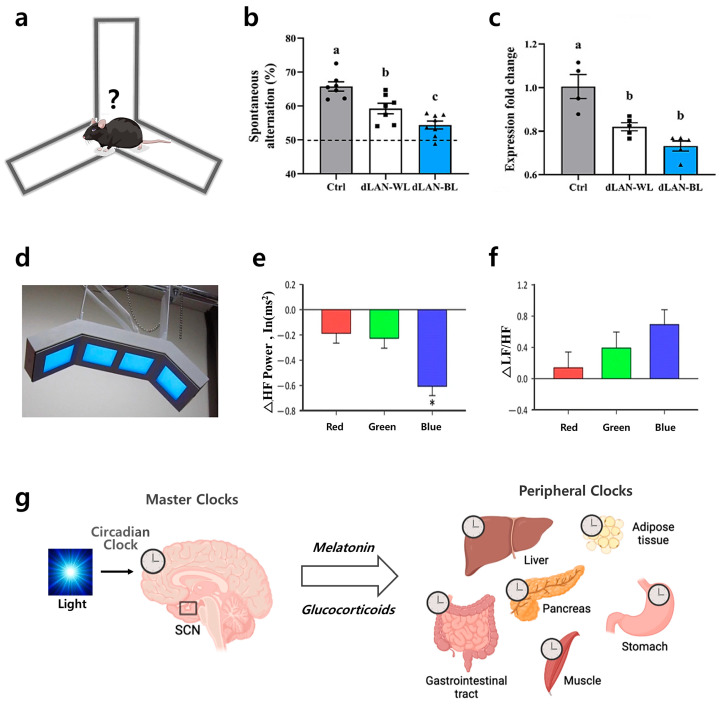 Figure 3
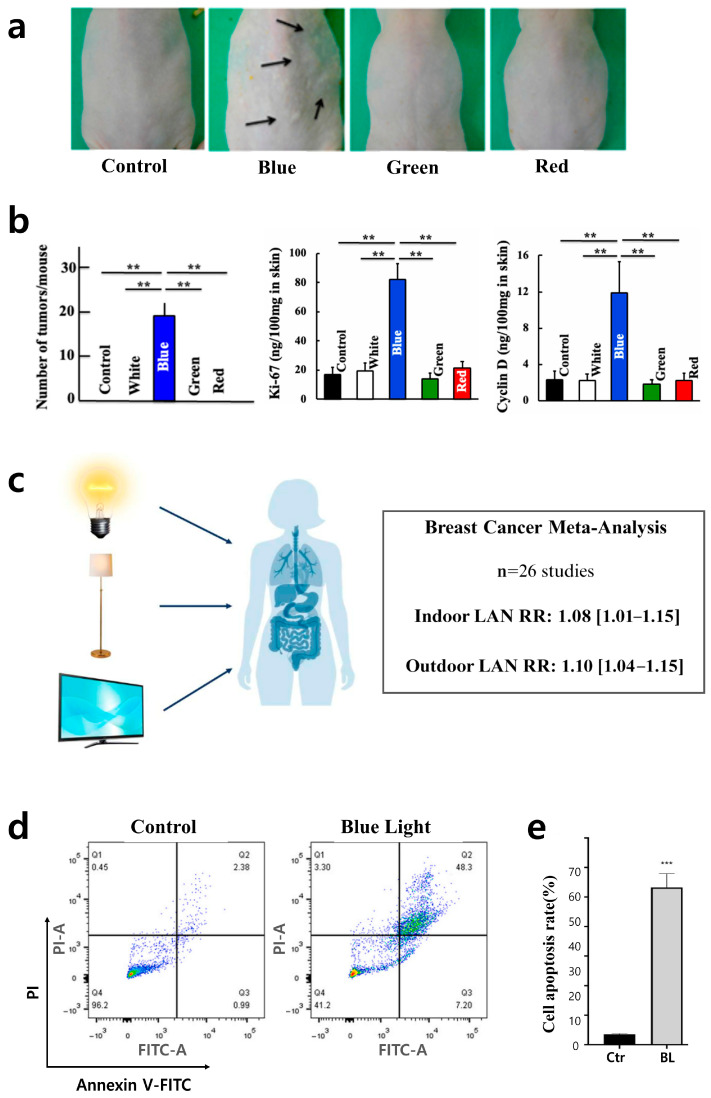 Figure 4
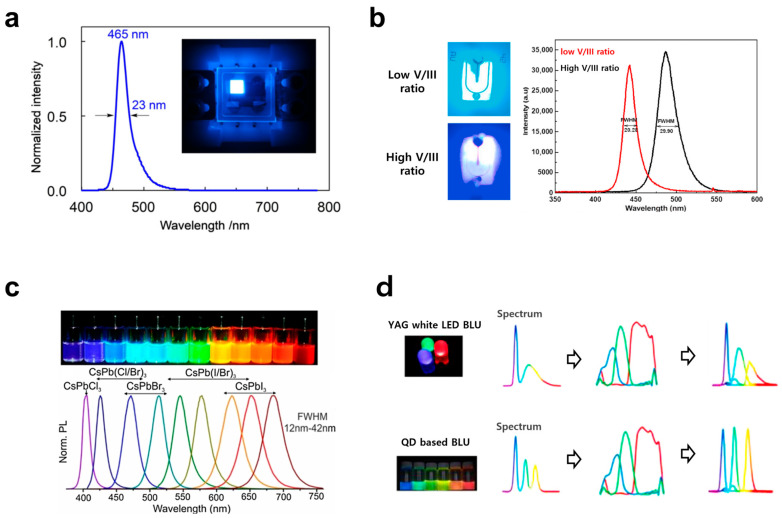 Figure 5
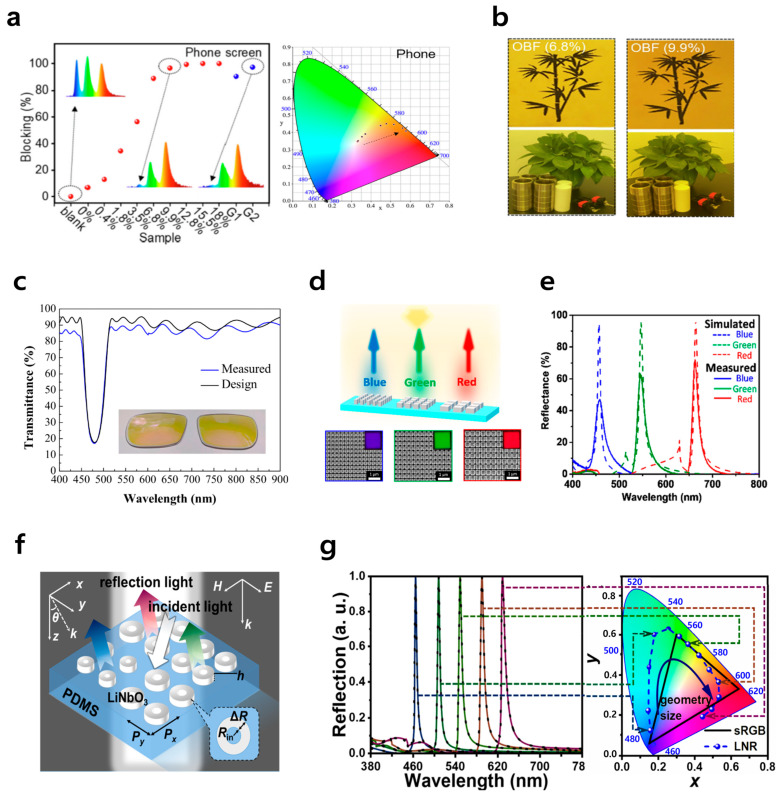 Figure 6
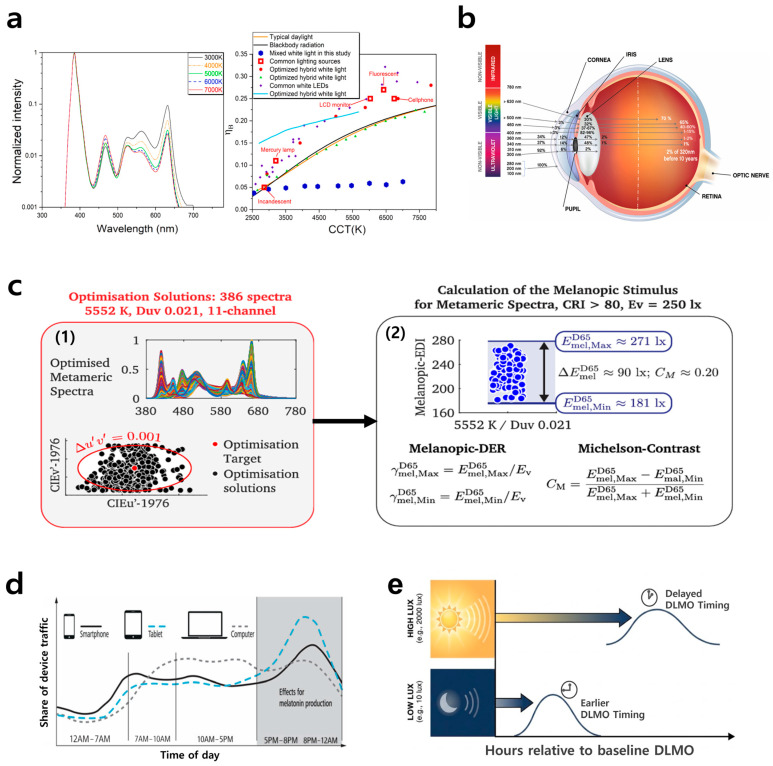 Figure 7
Peer Reviews
No public reviews on file for this paper yet. If you reviewed it on a platform where reviews are public (OpenReview, ICLR, NeurIPS, ICML), you can paste yours below so the community can read it here.
Videos
No videos yet. Explain this paper in a talk, walkthrough, or lecture? Add one.
Taxonomy
TopicsCircadian rhythm and melatonin · Laser Applications in Dentistry and Medicine · Photoreceptor and optogenetics research