Does the Laparoscopic Approach Reduce the Incidence of Vesicourethral Anastomotic Stricture Compared with the Open Approach After Radical Prostatectomy in Patients with Microangiopathic Risk Factors?
Alexandru-Ionuț Cherciu, Mihai-Cristian Persu, Andrei-Cosmin Bumbea, Mădălina-Maria Cherciu, Mihnea Cristian Firoiu, Radu Tiberiu Vrabie, Emilian Bolovan, Dragoș Mihail Arbunea, Darius Marian Brînzan, Andreea-Iuliana Ionescu, Radu Dragoș Marcu, Ovidiu-Gabriel Bratu

TL;DR
This study compares laparoscopic and open prostate surgery outcomes in patients with microangiopathic risk factors, finding that laparoscopic surgery may reduce stricture risk, though results are not statistically significant.
Contribution
The study investigates the impact of surgical approach on stricture formation in prostate cancer patients with microangiopathic comorbidities, a specific and underexplored patient group.
Findings
Laparoscopic radical prostatectomy had a lower crude incidence of VUAS compared to open surgery (9.3% vs. 23.6%).
Higher BMI, longer operative time, and greater blood loss were associated with increased stricture risk.
Surgical approach's effect on stricture formation was unstable in multivariable analyses due to limited event numbers.
Abstract
Background: Vesicourethral anastomotic stricture (VUAS) remains a clinically relevant complication following radical prostatectomy, with important implications for postoperative urinary function. Minimally invasive approaches may offer technical advantages; however, their impact on stricture formation in patients with microangiopathic risk factors remains incompletely defined. Objective: We aimed to compare the incidence of vesicourethral anastomotic stricture following open radical prostatectomy (ORP) and laparoscopic radical prostatectomy (LRP) in patients with microangiopathic comorbidities and to explore clinical and perioperative factors associated with stricture development. Materials and Methods: A retrospective two-centre cohort study was conducted including 115 patients who underwent radical prostatectomy for clinically localized prostate cancer between 2022 and 2024. All…
Genes, proteins, chemicals, diseases, species, mutations and cell lines named across the full text — each resolved to its canonical identifier and authoritative record.
Click any figure to enlarge with its caption.
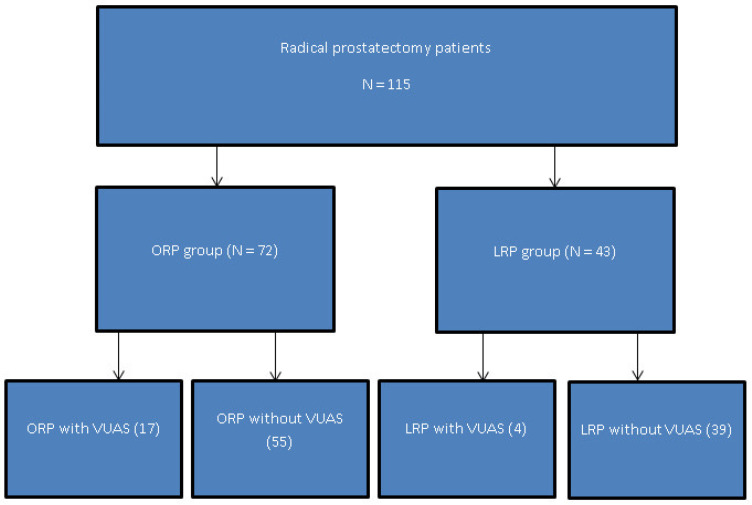 Figure 1
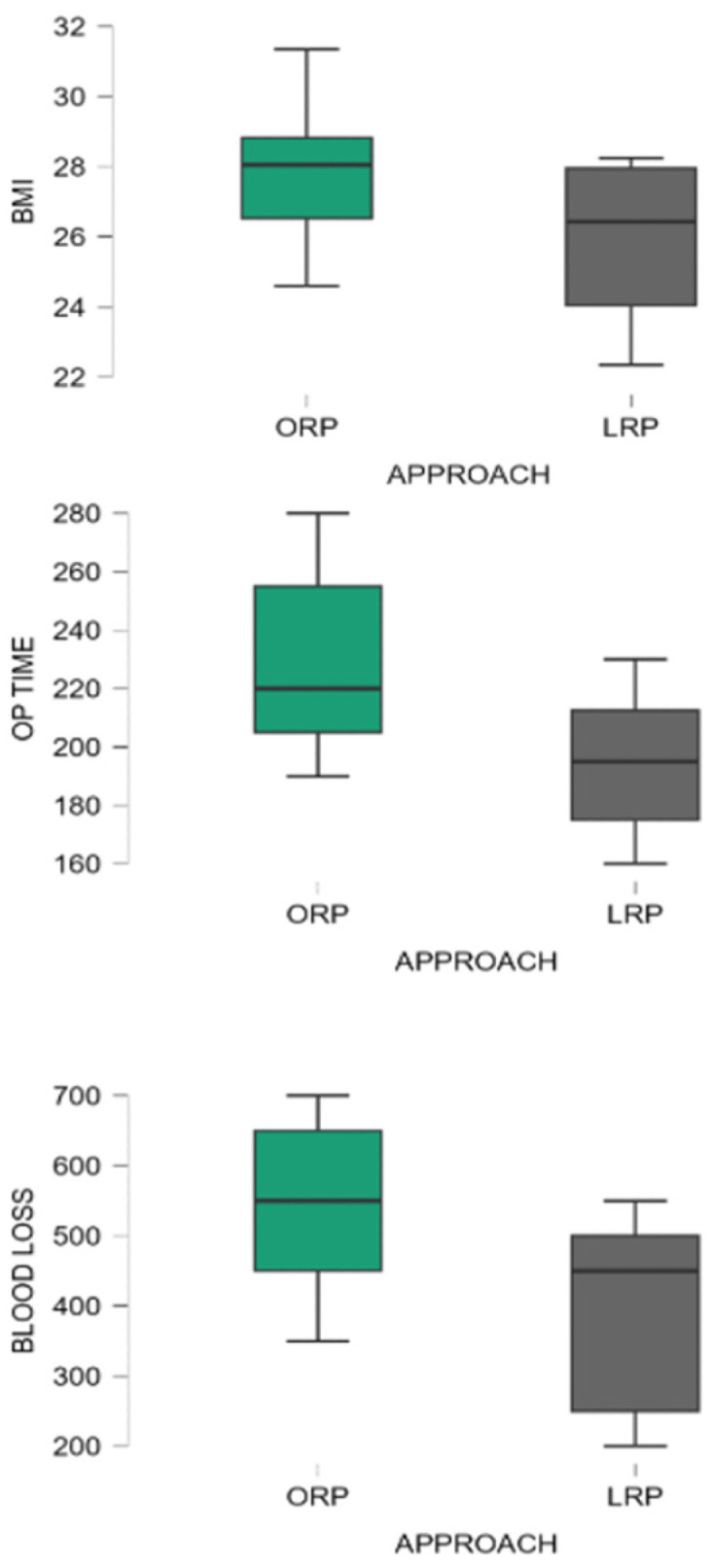 Figure 2
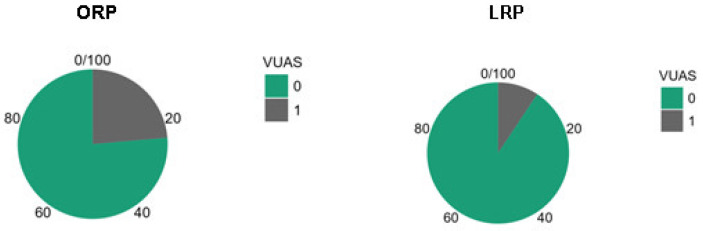 Figure 3
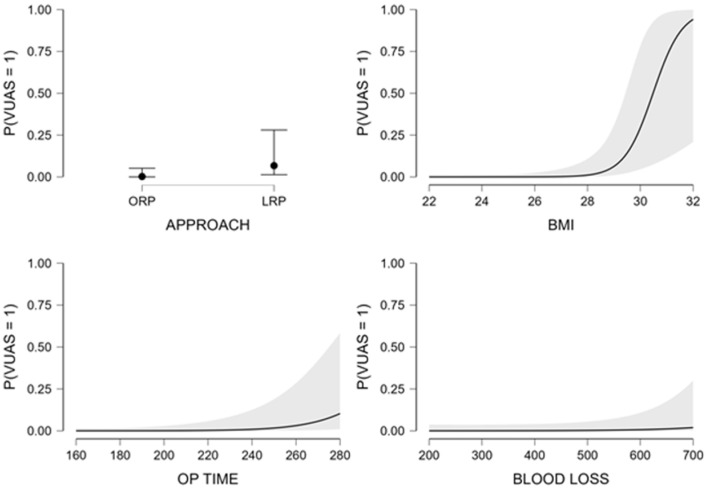 Figure 4
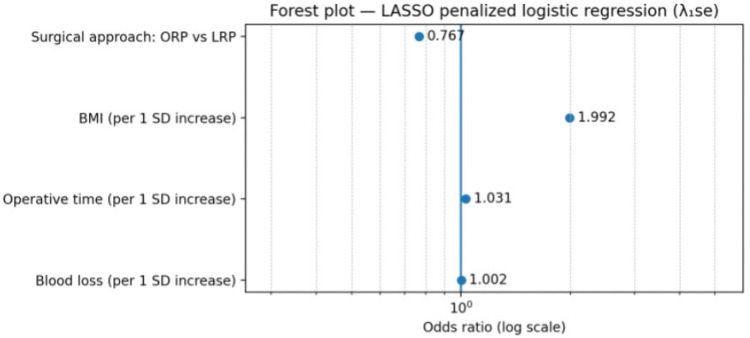 Figure 5
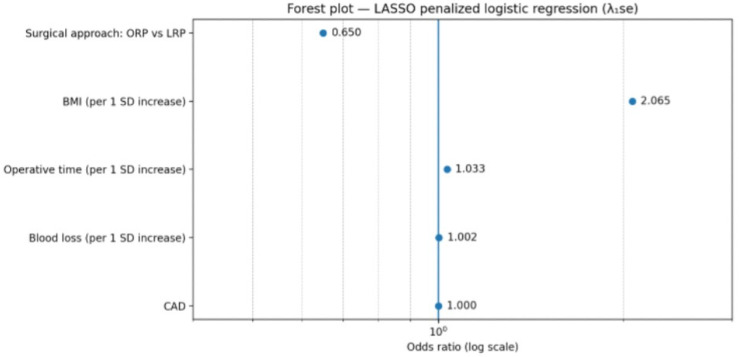 Figure 6
Peer Reviews
No public reviews on file for this paper yet. If you reviewed it on a platform where reviews are public (OpenReview, ICLR, NeurIPS, ICML), you can paste yours below so the community can read it here.
Videos
No videos yet. Explain this paper in a talk, walkthrough, or lecture? Add one.
Taxonomy
TopicsUreteral procedures and complications · Prostate Cancer Diagnosis and Treatment · Bladder and Urothelial Cancer Treatments