Spacio-Linear Screening for Ligand-Docking Cavities in Protein Structures: SLAM Algorithm
Julia Panov, Alexander Elbert, Dean S. Rosenthal, Moshe Levi, Konstantin Chumakov, Raul Andino, Leonid Brodsky, Hanoch Kaphzan

TL;DR
SLAM is a new algorithm that identifies similar ligand-binding sites in proteins, helping with drug repurposing and understanding protein-ligand interactions.
Contribution
SLAM introduces a novel alignment-based method for detecting 3D similarities in ligand-binding cavities with improved sensitivity and scalability.
Findings
SLAM outperforms ProBiS in true-positive rate for ligand-docking compatibility prediction.
SLAM identifies candidate ligands for CRISPR-Cas proteins and novel PFAS binding partners.
SLAM is computationally efficient and detects subtle physicochemical compatibilities between protein surfaces.
Abstract
Identifying structurally similar ligand-binding sites in unrelated proteins can facilitate drug repurposing, reveal off-target effects, and deepen our understanding of protein function. A number of tools were developed for structural screening, but many of them suffer from limited sensitivity and scalability. Using a data bank of crystallized protein structures, we aimed to discover novel protein targets for a ligand by leveraging a known ligand-binding query protein with a resolved structure. Here, we present SLAM (Spacio-Linear Alignment of Macromolecules), a novel alignment-based algorithm that detects local 3D similarities between ligand-binding cavities or protein-exposed surfaces of query and target proteins. SLAM encodes spatial substructure neighborhoods into short linear sequences of physicochemically annotated atoms, then applies pairwise sequence alignment combined with…
Genes, proteins, chemicals, diseases, species, mutations and cell lines named across the full text — each resolved to its canonical identifier and authoritative record.
Click any figure to enlarge with its caption.
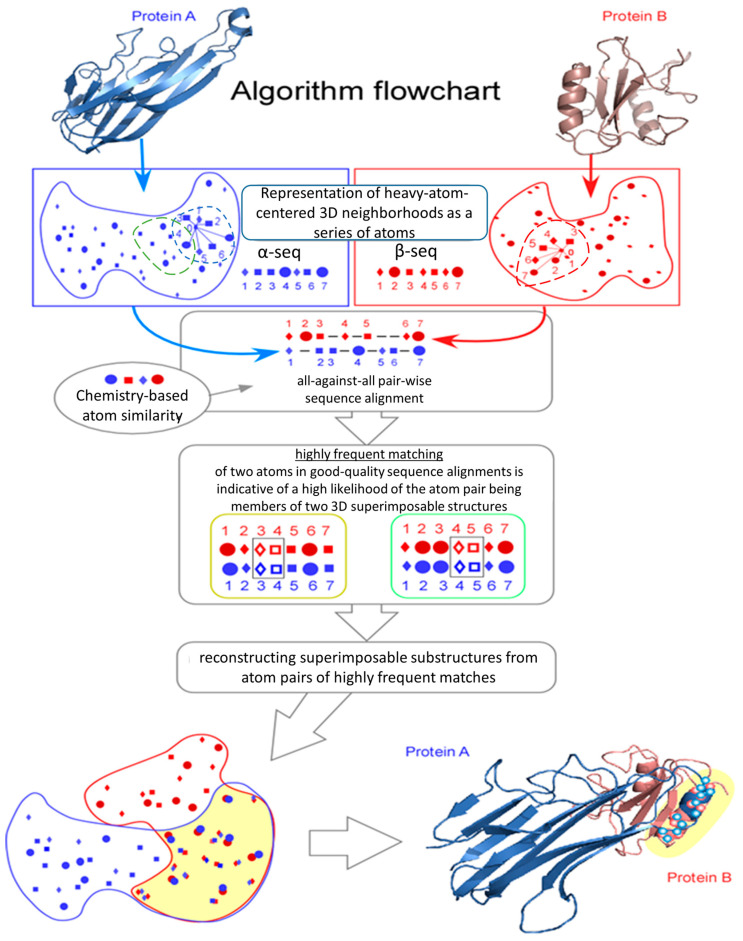 Figure 1
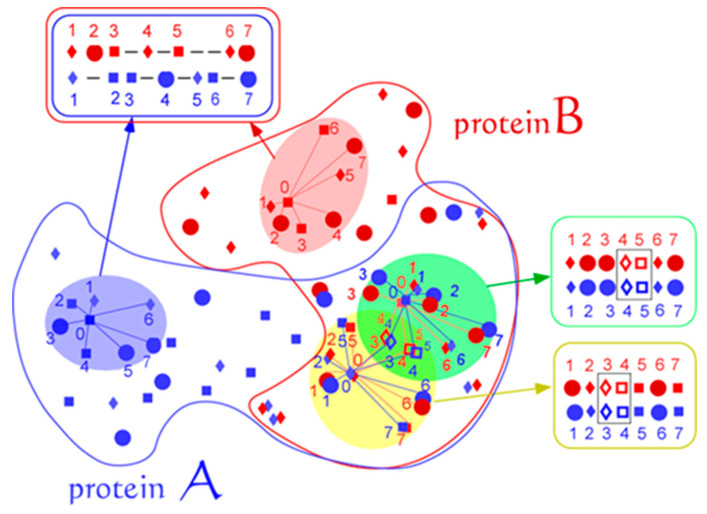 Figure 2
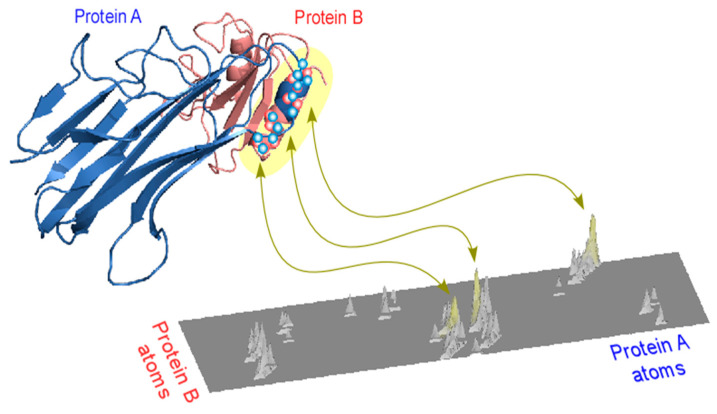 Figure 3
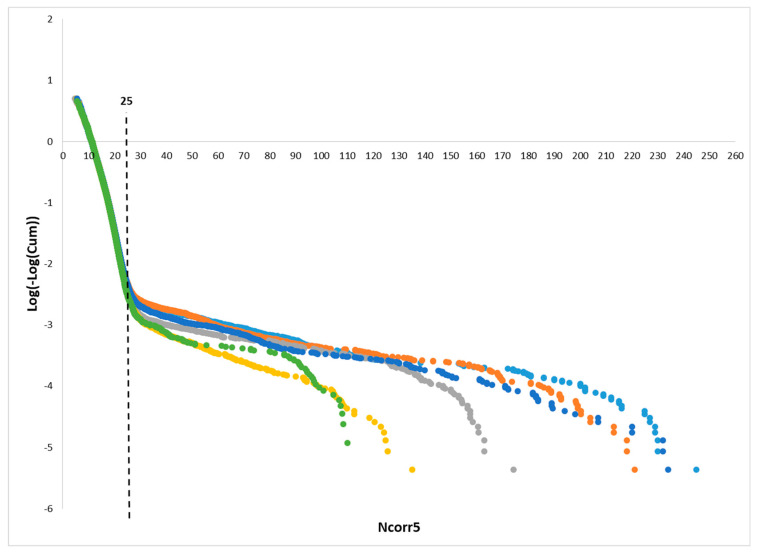 Figure 4
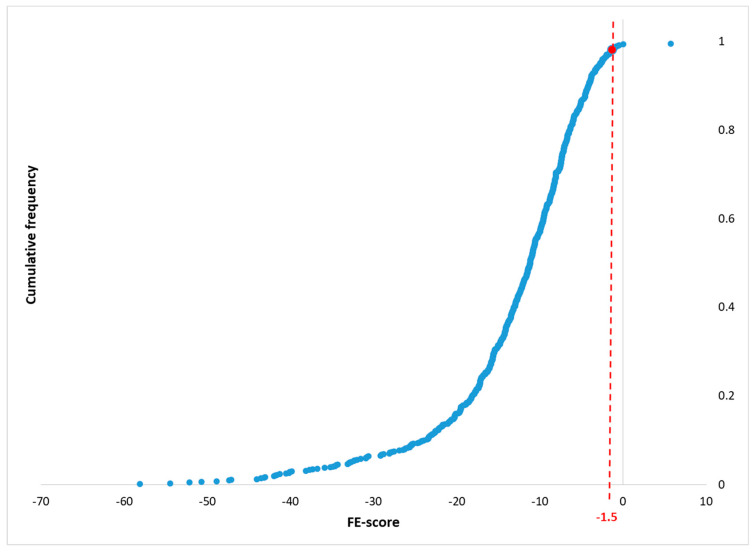 Figure 5
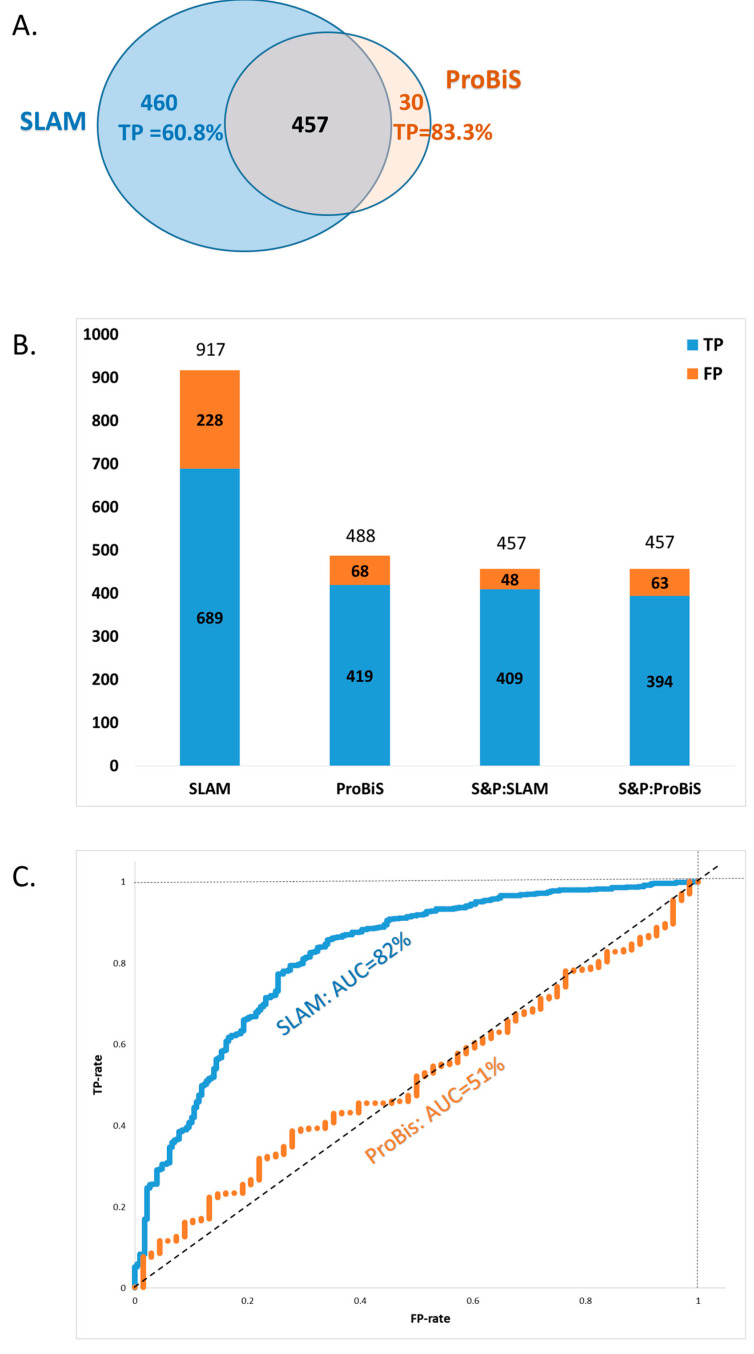 Figure 6
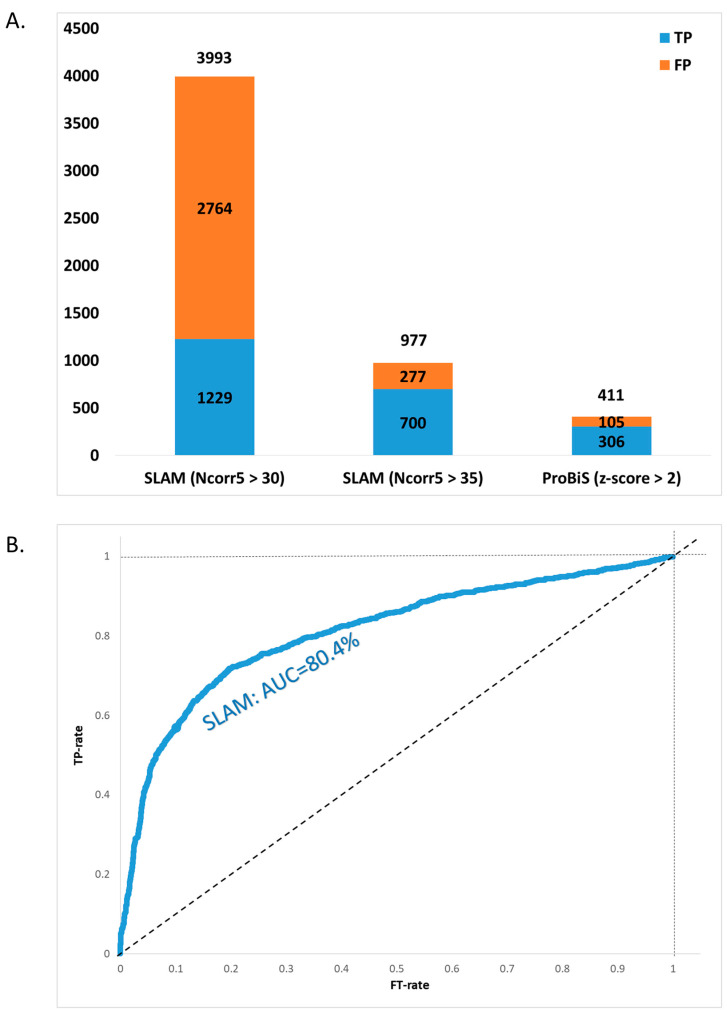 Figure 7
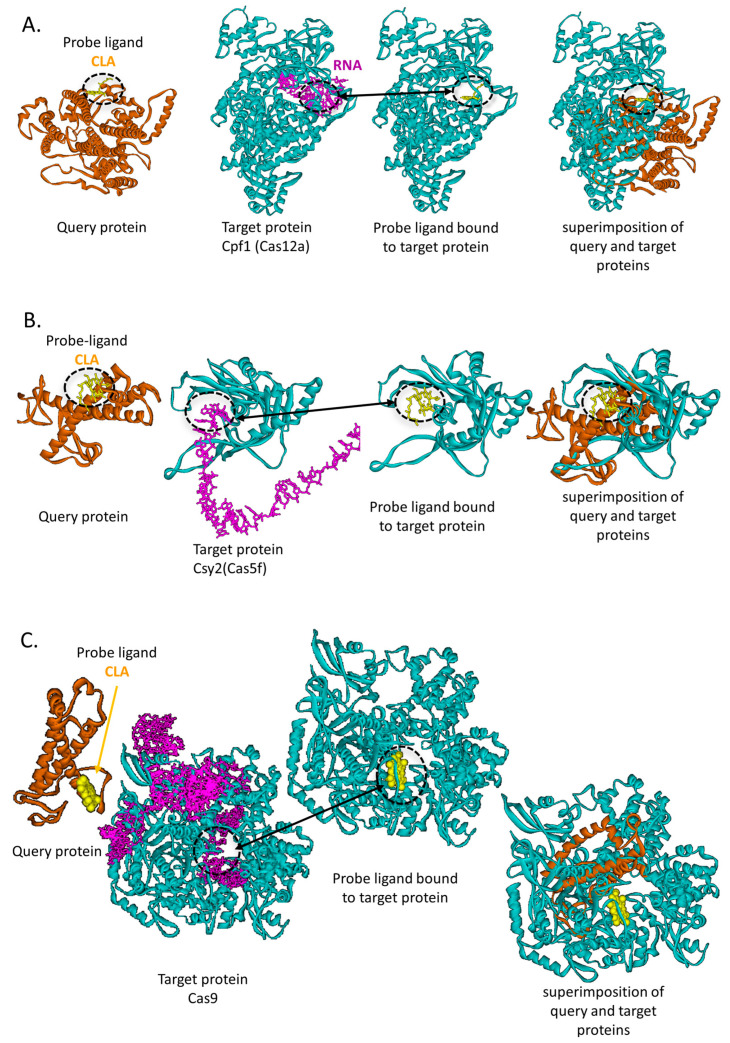 Figure 8
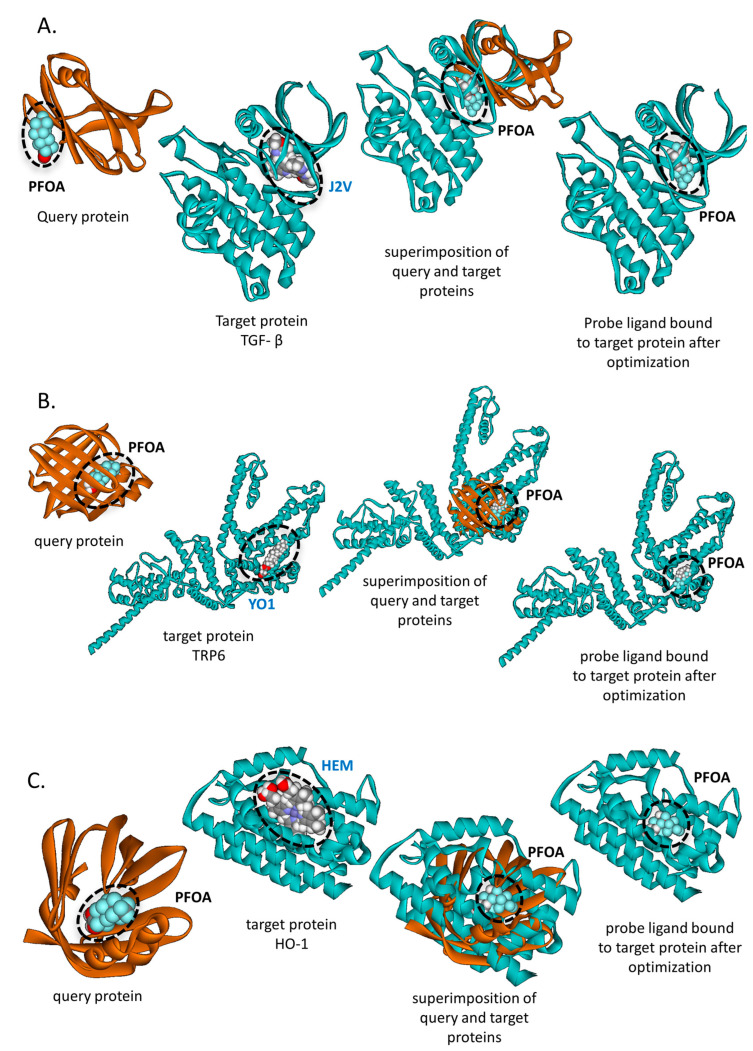 Figure 9
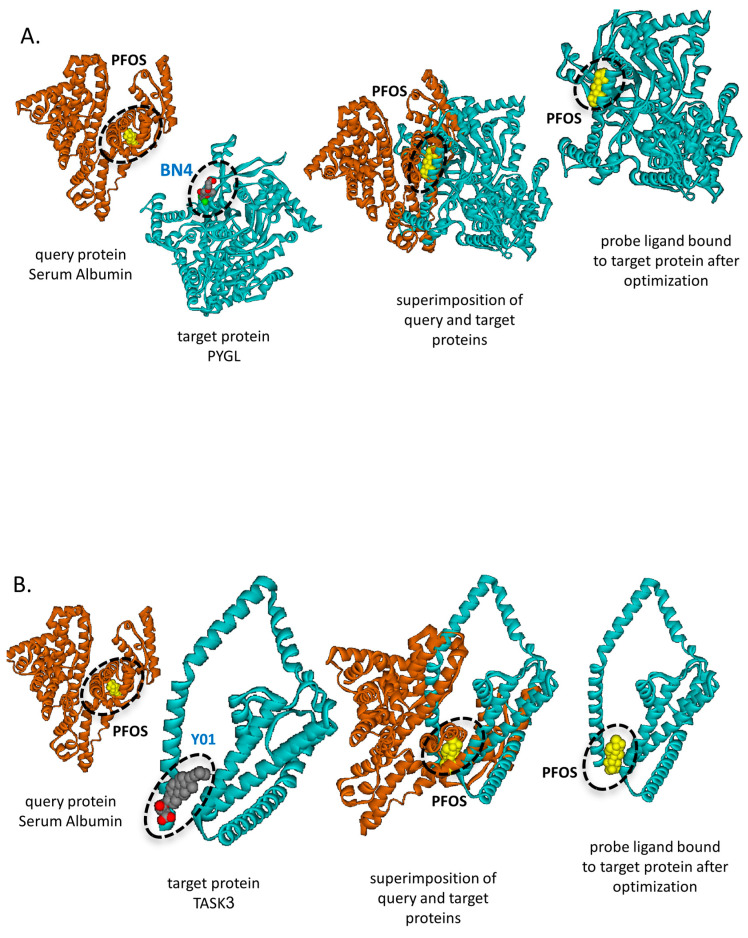 Figure 10
Peer Reviews
No public reviews on file for this paper yet. If you reviewed it on a platform where reviews are public (OpenReview, ICLR, NeurIPS, ICML), you can paste yours below so the community can read it here.
Videos
No videos yet. Explain this paper in a talk, walkthrough, or lecture? Add one.
Taxonomy
TopicsComputational Drug Discovery Methods · Per- and polyfluoroalkyl substances research · Chemical Synthesis and Analysis