Spatial Differentiation of Microbial Communities in Hybrid Membrane Bioreactor (HMBR) and Their Impact on Pollutant Removal
Ying Li, Yuhan Liu, Qiang Liu, Wei Xiang, Jixiang Qu, Yangyang Yang, Xiulei Fan, Huixian Li, Hongmei Du

TL;DR
This study explores how microbial communities in a hybrid membrane bioreactor are spatially organized and how this affects their ability to remove pollutants.
Contribution
The study reveals spatial differentiation of microbial communities in HMBRs and links it to specific pollutant removal functions.
Findings
Suspended sludge has the highest microbial species richness, while media surfaces host nitrifying bacteria like Pseudomonas and Comamonas.
Phosphorus-accumulating organisms are most abundant on suspended media surfaces, indicating a division of labor in the system.
Denitrification is primarily driven by microbes in suspended sludge flocs and membrane surfaces.
Abstract
A hybrid membrane bioreactor (HMBR) enhances treatment performance by simultaneously utilizing organisms on both suspended and attached sludge, yet the microbial mechanisms underpinning their efficiency remain poorly understood. In this study, we investigate spatial variability within microbial communities in HMBRs and correlate this factor with pollutant removal capacity. High-throughput sequencing results revealed significant differences in community structure between suspended sludge, suspended media surfaces, and membrane module surfaces. Suspended sludge exhibited the highest species richness, whereas microbial communities on suspended media resembled those within the sludge, contrasting markedly with membrane surface communities. Key functional groups were enriched at specific locations: Pseudomonas and Comamonas dominate the surface of the suspension culture medium and…
Genes, proteins, chemicals, diseases, species, mutations and cell lines named across the full text — each resolved to its canonical identifier and authoritative record.
Click any figure to enlarge with its caption.
 Figure 1
 Figure 2
 Figure 3
 Figure 4
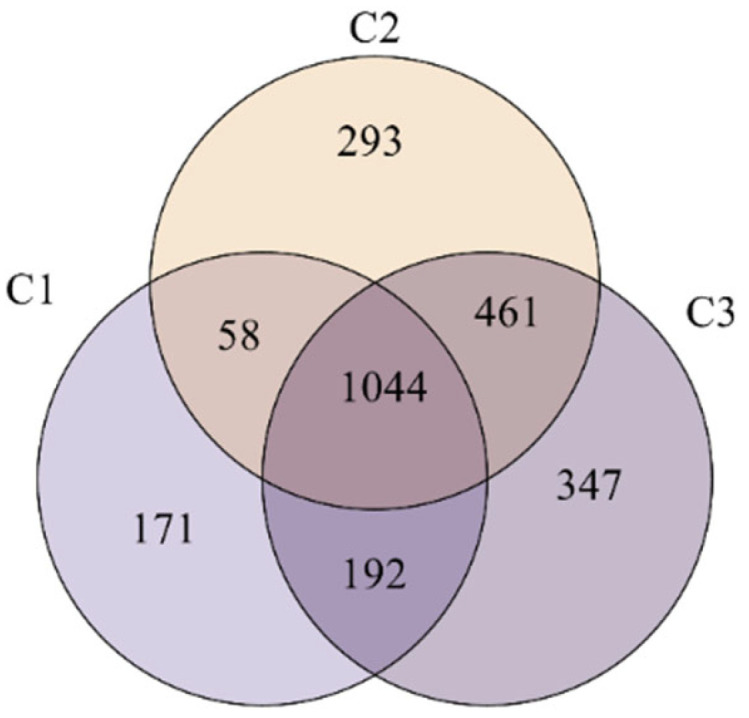 Figure 5
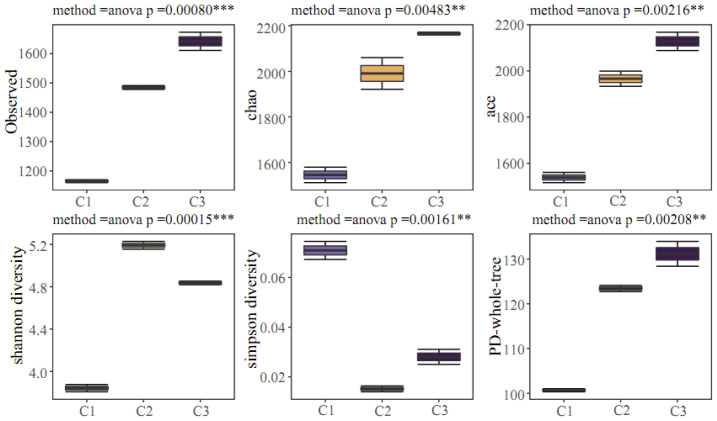 Figure 6
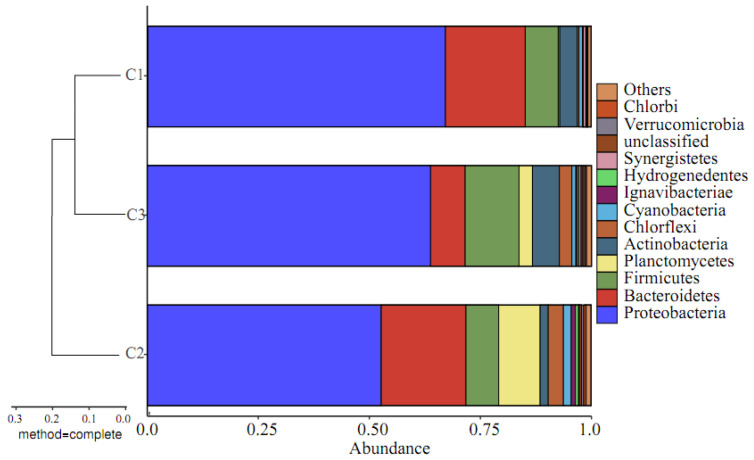 Figure 7
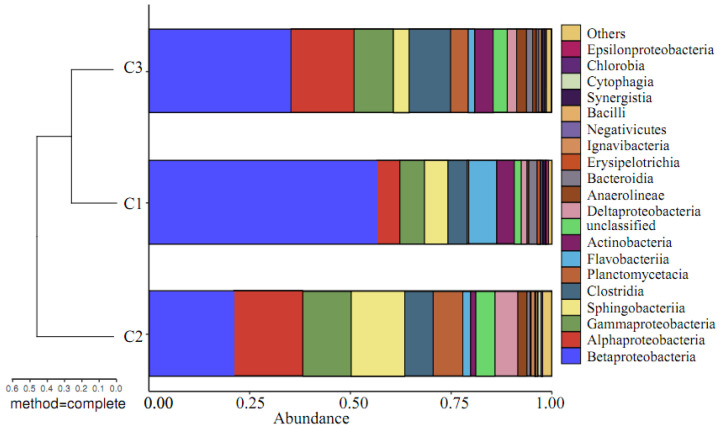 Figure 8
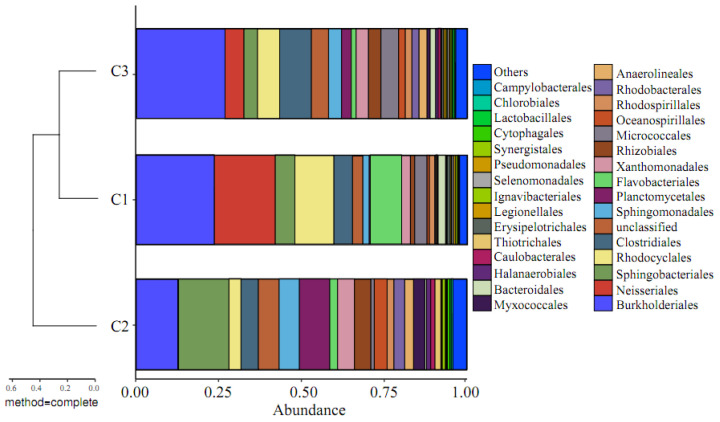 Figure 9
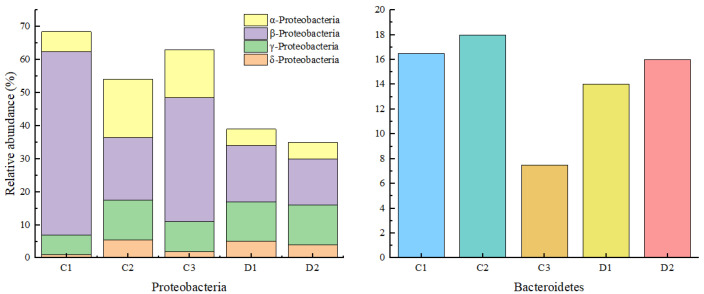 Figure 10
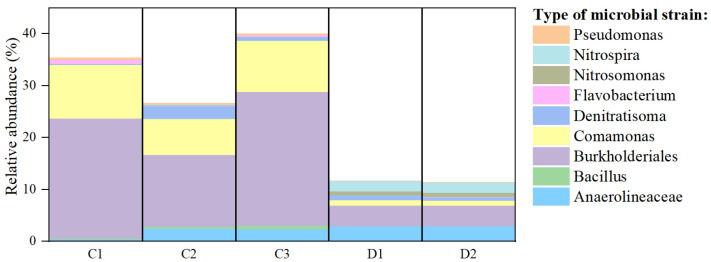 Figure 11
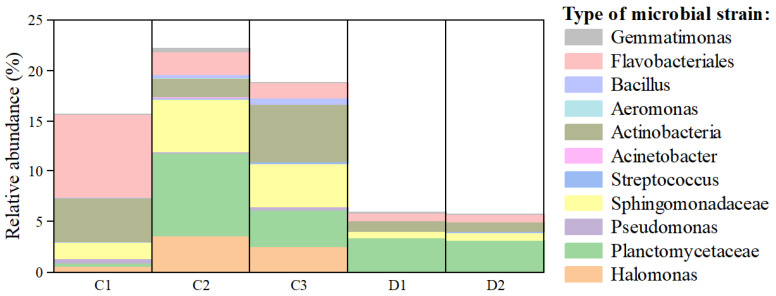 Figure 12
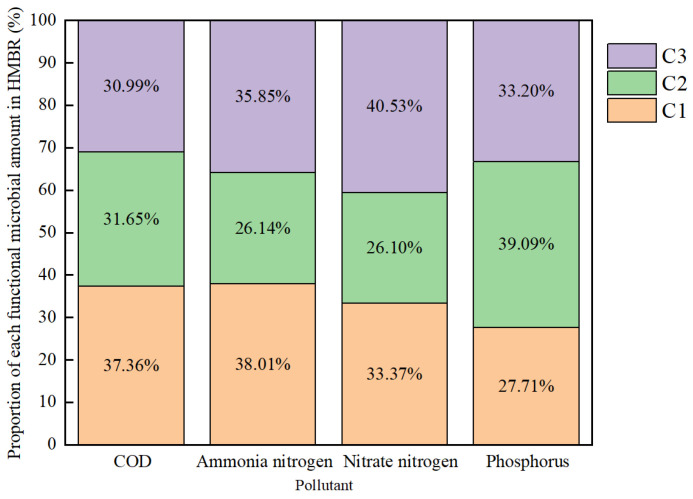 Figure 13
Peer Reviews
No public reviews on file for this paper yet. If you reviewed it on a platform where reviews are public (OpenReview, ICLR, NeurIPS, ICML), you can paste yours below so the community can read it here.
Videos
No videos yet. Explain this paper in a talk, walkthrough, or lecture? Add one.
Taxonomy
TopicsWastewater Treatment and Nitrogen Removal · Membrane Separation Technologies · Constructed Wetlands for Wastewater Treatment