Acquired Uterine Arteriovenous Fistulas After First-Trimester Pregnancy Loss: A Narrative Review with Case-Based Insights into Minimally Invasive Management
Răzvan-Grigoraș Căpitănescu, Elena-Iuliana-Anamaria Berbecaru, Anca-Maria Istrate-Ofițeru, Marian-Valentin Zorilă, Doru-Andrei Mitroi, Gabriela-Camelia Roșu, Dominic-Gabriel Iliescu, Roxana-Cristina Drăgușin, Laurențiu-Mihai Dîră, Maria-Cristina Comănescu, George-Lucian Zorilă

TL;DR
This paper reviews how uterine arteriovenous fistulas, which can occur after early pregnancy loss, are diagnosed and treated using minimally invasive methods to preserve fertility.
Contribution
The paper provides updated insights into diagnostic and therapeutic strategies for acquired uterine AVF/AVM, emphasizing fertility-preserving approaches.
Findings
Color Doppler ultrasonography is key for diagnosing uterine AVF/AVM by identifying high-velocity, low-resistance blood flow.
Uterine artery embolization and hysteroscopic techniques offer effective, uterus-preserving treatment options.
Repeat Doppler evaluations are important due to evolving vascular changes over time.
Abstract
Background and Objectives: Uterine arteriovenous fistulas (AVFs) and arteriovenous malformations (AVMs) are rare but potentially life-threatening vascular anomalies that most commonly develop after pregnancy-related uterine trauma, such as curettage or surgical evacuation. The widespread use of color Doppler ultrasonography has led to increased recognition of these lesions and a shift from hysterectomy toward fertility-preserving, minimally invasive management. This narrative review summarizes current evidence on acquired uterine AVF/AVM after early pregnancy loss, with particular emphasis on diagnostic challenges and contemporary therapeutic approaches, illustrated by representative clinical experience. Materials and Methods: A narrative review of the literature was conducted focusing on the pathophysiology, ultrasound and Doppler diagnostic criteria, interventional radiologic…
Genes, proteins, chemicals, diseases, species, mutations and cell lines named across the full text — each resolved to its canonical identifier and authoritative record.
Click any figure to enlarge with its caption.
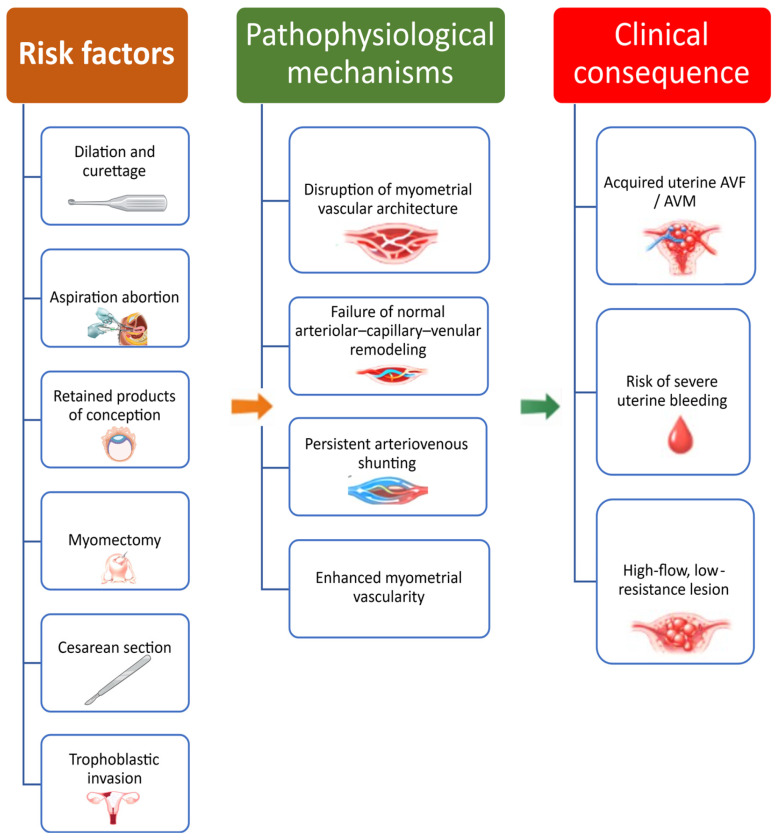 Figure 1
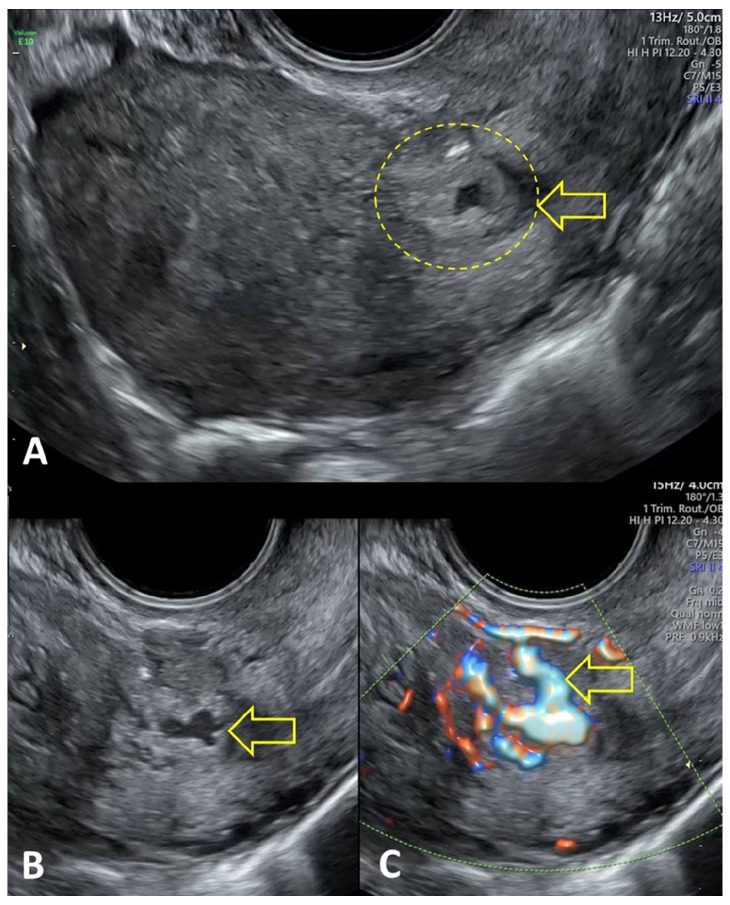 Figure 2
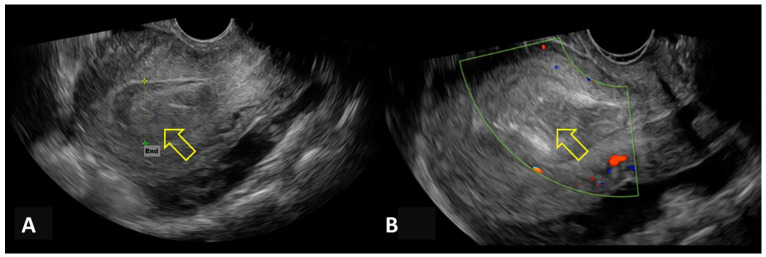 Figure 3
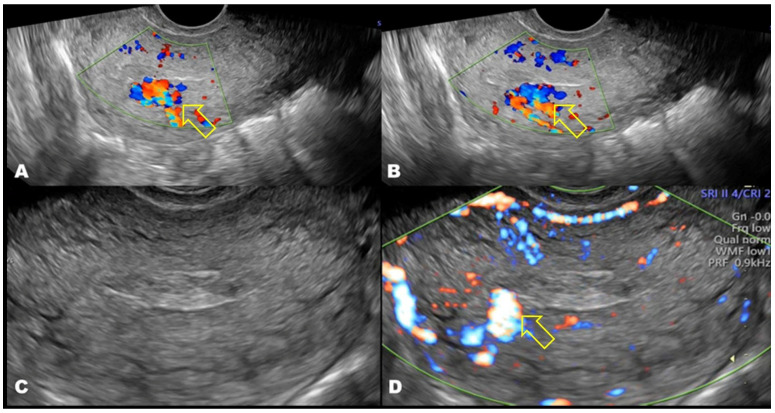 Figure 4
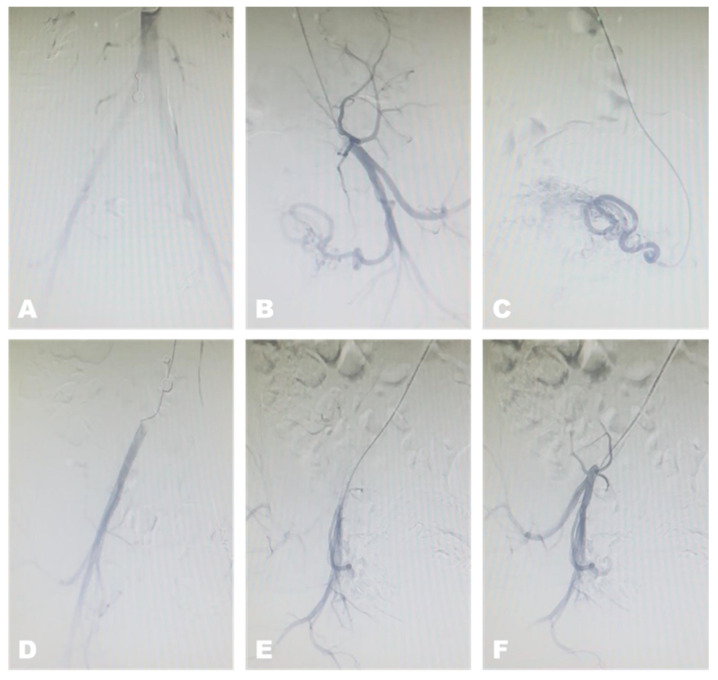 Figure 5
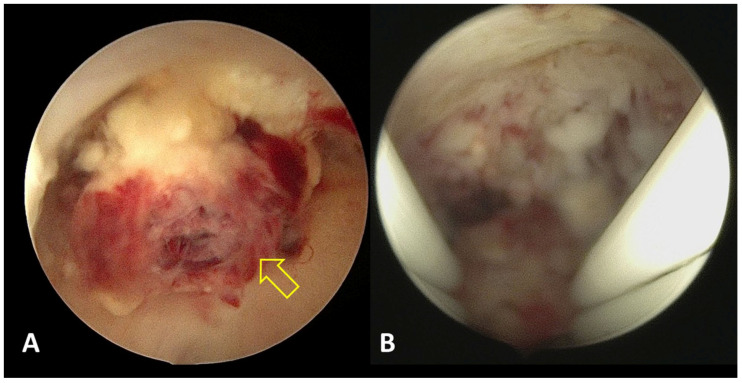 Figure 6
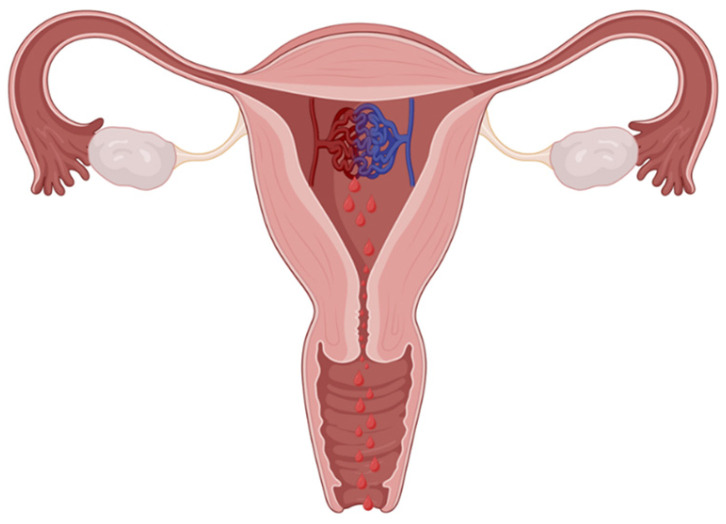 Figure 7
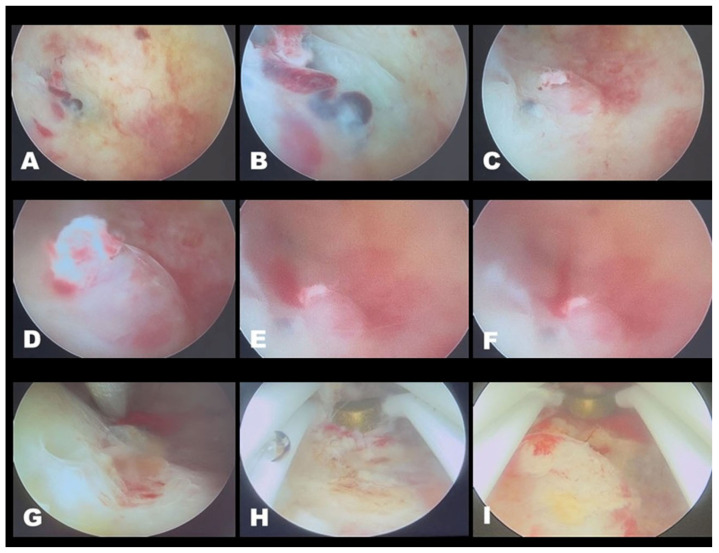 Figure 8
Peer Reviews
No public reviews on file for this paper yet. If you reviewed it on a platform where reviews are public (OpenReview, ICLR, NeurIPS, ICML), you can paste yours below so the community can read it here.
Videos
No videos yet. Explain this paper in a talk, walkthrough, or lecture? Add one.
Taxonomy
TopicsMaternal and fetal healthcare · Uterine Myomas and Treatments · Gestational Trophoblastic Disease Studies