Identification of FDA-Approved Drugs as Potential Inhibitors of WEE2: Structure-Based Virtual Screening and Molecular Dynamics with Perspectives for Machine Learning-Assisted Prioritization
Shahid Ali, Abdelbaset Mohamed Elasbali, Wael Alzahrani, Taj Mohammad, Md. Imtaiyaz Hassan, Teng Zhou

TL;DR
This study identifies FDA-approved drugs that may inhibit WEE2, a protein important for female fertility, using computer-based methods and suggests machine learning can help prioritize drug candidates.
Contribution
The study introduces an integrated in silico pipeline combining virtual screening, MD simulations, and ML for identifying and prioritizing WEE2 inhibitors.
Findings
Midostaurin and Nilotinib showed strong binding to WEE2 with affinities similar to a reference inhibitor.
MD simulations showed these drugs stabilize WEE2's catalytic domain and reduce conformational flexibility.
ML and DL methods are proposed to enhance hit prioritization and ADMET prediction for drug repurposing.
Abstract
Wee1-like protein kinase 2 (WEE2) is an oocyte-specific kinase that regulates meiotic arrest and fertilization. Its largely restricted expression in female germ cells and absence in somatic tissues make it a highly selective target for reproductive health interventions. Despite its central role in human fertility, no clinically approved WEE2 modulator is available. In this study, we employed an integrated in silico approach that combines structure-based virtual screening, molecular dynamics (MD) simulations, and MM-PBSA free-energy calculations to identify repurposed drug candidates with potential WEE2 inhibitory activity. Screening of ~3800 DrugBank compounds against the WEE2 catalytic domain yielded ten high-affinity hits, from which Midostaurin and Nilotinib emerged as the most mechanistically relevant based on kinase-targeting properties and pharmacological profiles. Docking…
Genes, proteins, chemicals, diseases, species, mutations and cell lines named across the full text — each resolved to its canonical identifier and authoritative record.
Click any figure to enlarge with its caption.
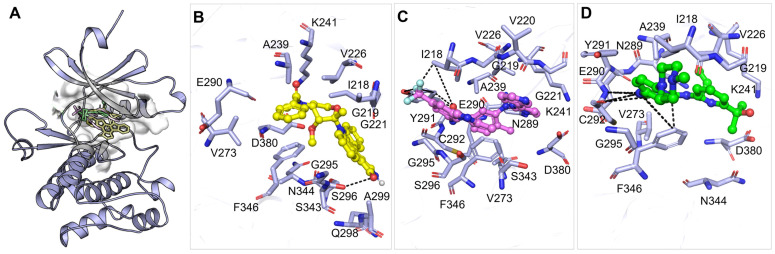 Figure 1
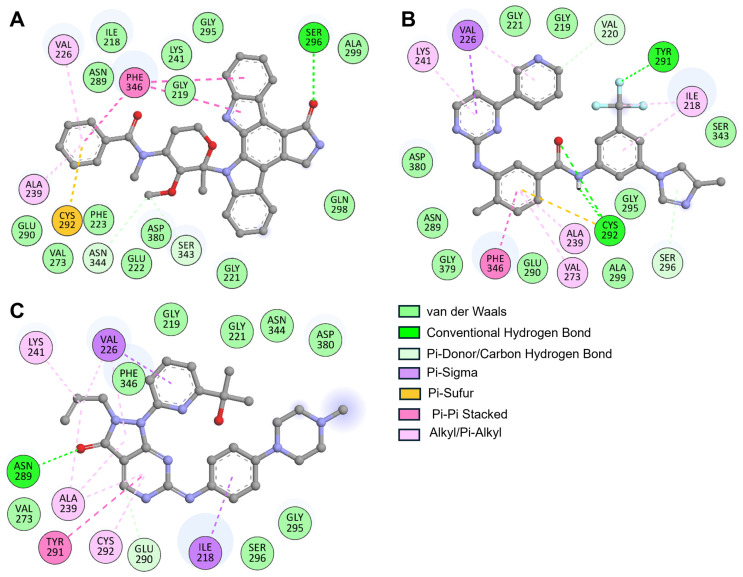 Figure 2
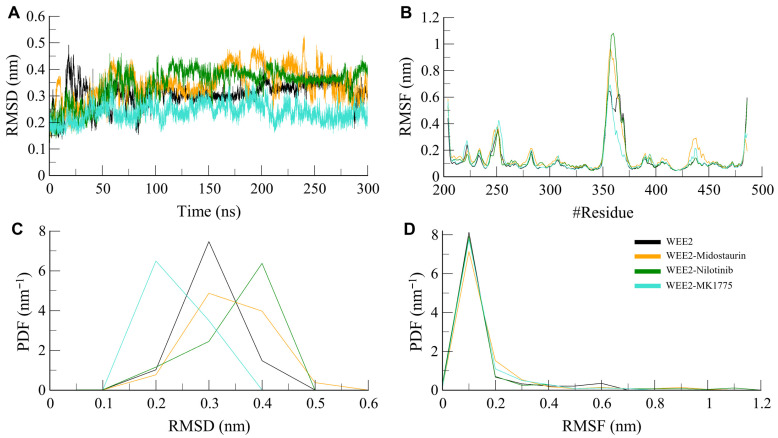 Figure 3
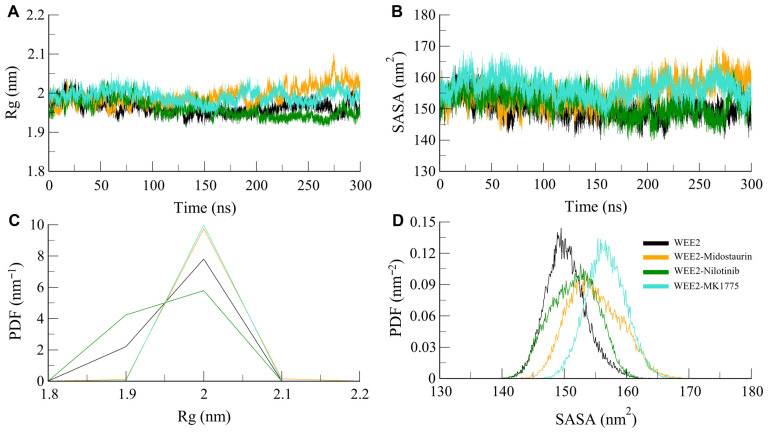 Figure 4
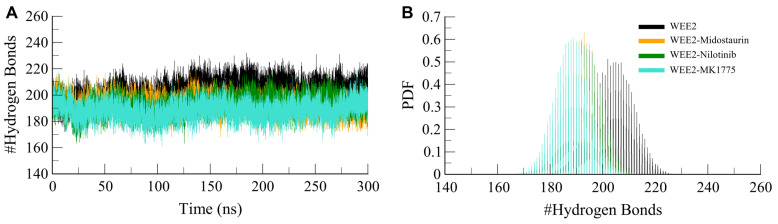 Figure 5
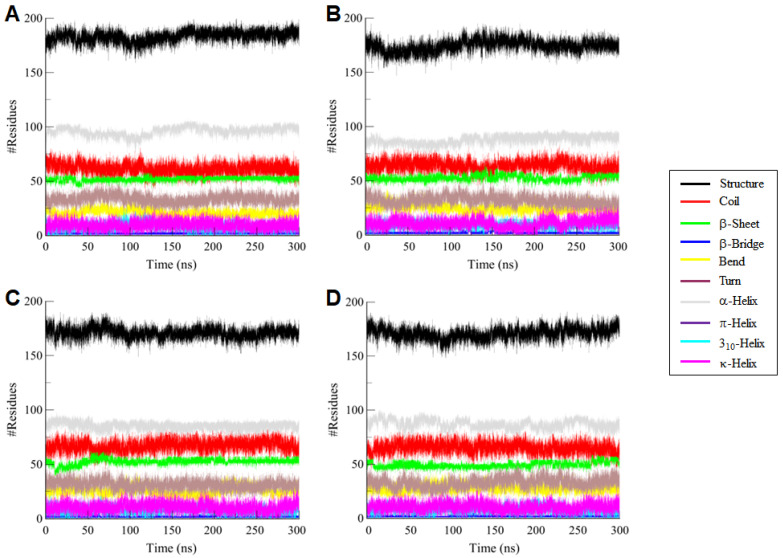 Figure 6
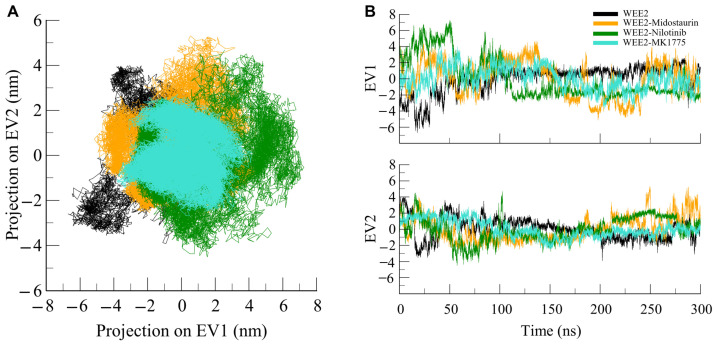 Figure 7
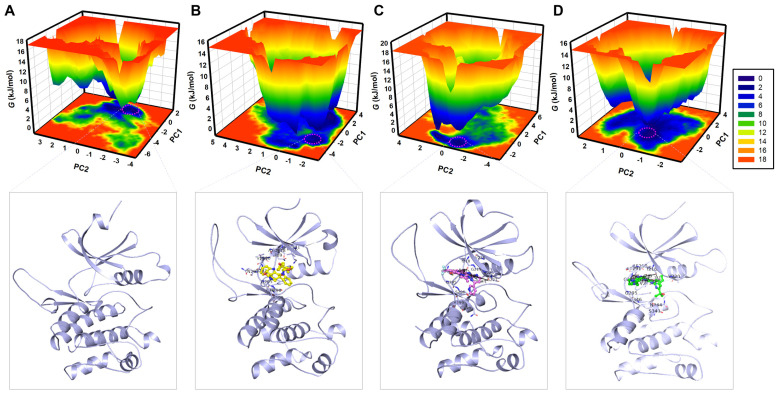 Figure 8
Peer Reviews
No public reviews on file for this paper yet. If you reviewed it on a platform where reviews are public (OpenReview, ICLR, NeurIPS, ICML), you can paste yours below so the community can read it here.
Videos
No videos yet. Explain this paper in a talk, walkthrough, or lecture? Add one.
Taxonomy
TopicsPhosphodiesterase function and regulation · Pluripotent Stem Cells Research · Reproductive Biology and Fertility