Laparoscopic Living Donor Nephrectomy: Learning Curve Analysis Through 1446 Cases and Outcomes from 200 Consecutive Mastery-Phase Procedures—How I Do It
Fahim Kanani, Moran Kozin, Yael Ben Avraham, Efrat Avitan, Michael Gurevich, Eviatar Nesher, Aviad Gravetz

TL;DR
This study analyzes the learning curve and outcomes of laparoscopic living donor nephrectomy across 1446 cases, showing improved efficiency and safety over time.
Contribution
The study provides a detailed learning curve analysis using CUSUM methodology and reports outcomes from a mastery-phase cohort of 200 consecutive cases.
Findings
Operative time decreased by 37.4% from 154.6 to 96.8 minutes as surgeons progressed through learning phases.
The mastery phase (1001–1446 cases) had no conversions to open surgery and a 0.5% major postoperative complication rate.
Left kidney procurement was performed in 99.5% of cases, with orchalgia prevalence declining over time in male donors.
Abstract
Background: Laparoscopic living donor nephrectomy is a standard approach for kidney procurement, yet optimal technique and learning curve trajectories remain incompletely characterized. We present a high-volume single-center experience with standardized transperitoneal laparoscopic donor nephrectomy and CUSUM-based learning curve analysis. Methods: Retrospective analysis of 1446 consecutive laparoscopic living donor nephrectomies performed by six surgeons between January 2015 and December 2024. Learning curve analysis used the cumulative sum (CUSUM) methodology to identify proficiency phases. The most recent 200 consecutive cases, representing mature institutional performance, were analyzed for detailed outcomes. The surgical technique employed a transperitoneal approach with the GelPOINT® Advanced Access Platform for kidney extraction via an offset Pfannenstiel incision. Results: CUSUM…
Genes, proteins, chemicals, diseases, species, mutations and cell lines named across the full text — each resolved to its canonical identifier and authoritative record.
Click any figure to enlarge with its caption.
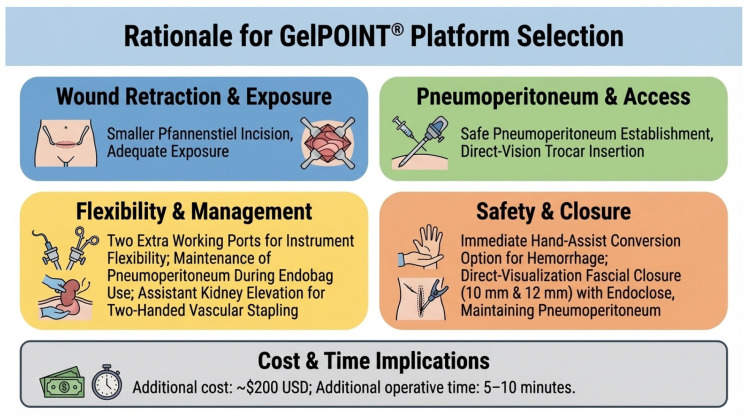 Figure 1
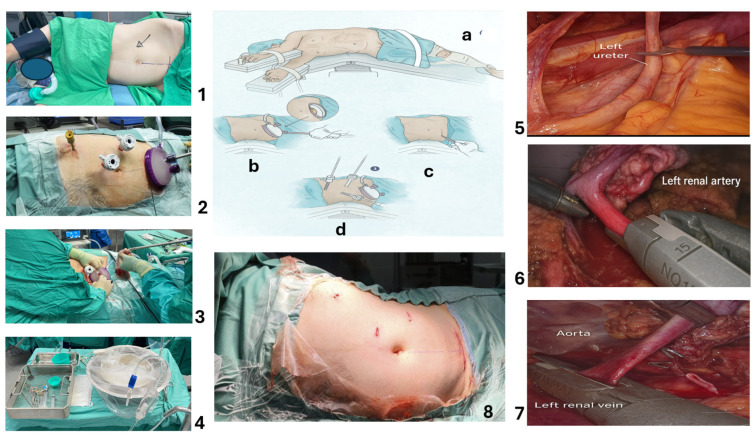 Figure 2
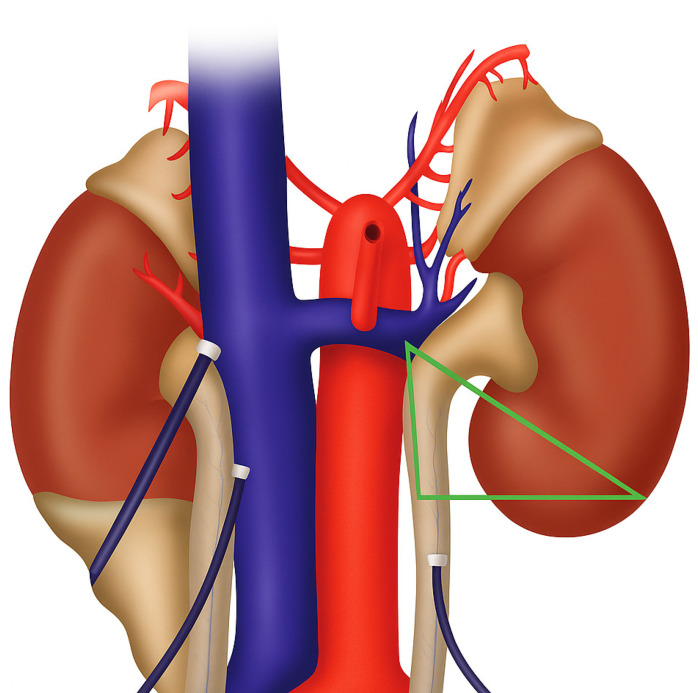 Figure 3
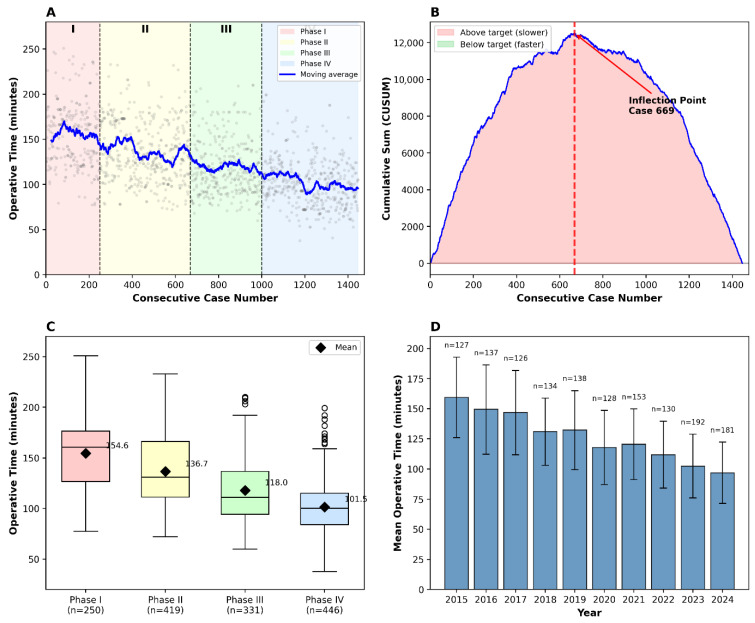 Figure 4
Peer Reviews
No public reviews on file for this paper yet. If you reviewed it on a platform where reviews are public (OpenReview, ICLR, NeurIPS, ICML), you can paste yours below so the community can read it here.
Videos
No videos yet. Explain this paper in a talk, walkthrough, or lecture? Add one.
Taxonomy
TopicsOrgan Donation and Transplantation · Minimally Invasive Surgical Techniques · Renal cell carcinoma treatment