Carotid Restenosis: Incidence, Pathophysiology and Therapeutic Options
Claudio Bianchini Massoni, Laura Pauletti, Antonio Freyrie

TL;DR
This paper discusses carotid restenosis, a common complication after carotid treatments, and explores its causes and treatment options.
Contribution
The paper provides an updated overview of the incidence, pathophysiology, and therapeutic strategies for carotid restenosis.
Findings
The 2-year restenosis rate after carotid treatments is 6–12%.
Inflammation processes are linked to both early and late restenosis.
Treatment options include lifestyle changes, medical therapy, and personalized procedural techniques.
Abstract
Restenosis after carotid endarterectomy and carotid artery stenting remains the main complication after both surgical and endovascular treatment of carotid stenosis, with a 2-year restenosis rate of 6–12%. Complex inflammation processes are the cause of early (<2 years) and late (>2 years) restenosis and principal systemic risk factors are female gender, hypertension, diabetes, dyslipidemia, and smoking. Non-procedural treatment includes lifestyle modifications and best medical therapy. The procedural treatment, considered mostly for symptomatic patients, includes different open and endovascular techniques. The management should be personalized according to patient and plaque characteristics.
Genes, proteins, chemicals, diseases, species, mutations and cell lines named across the full text — each resolved to its canonical identifier and authoritative record.
Click any figure to enlarge with its caption.
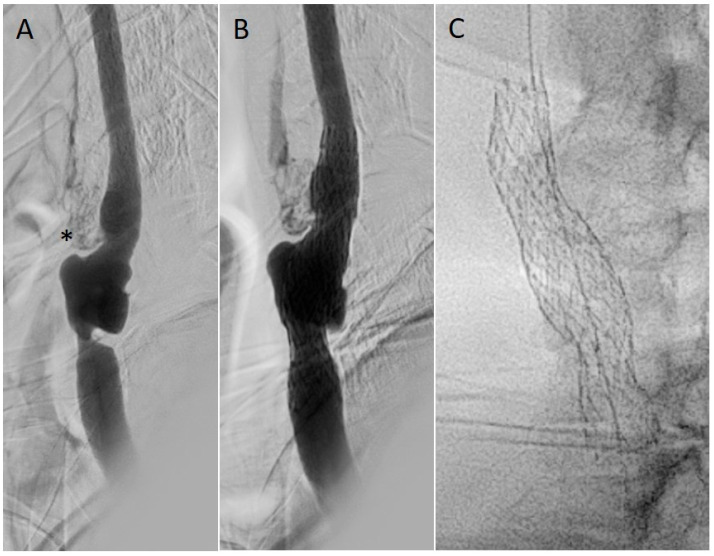 Figure 1
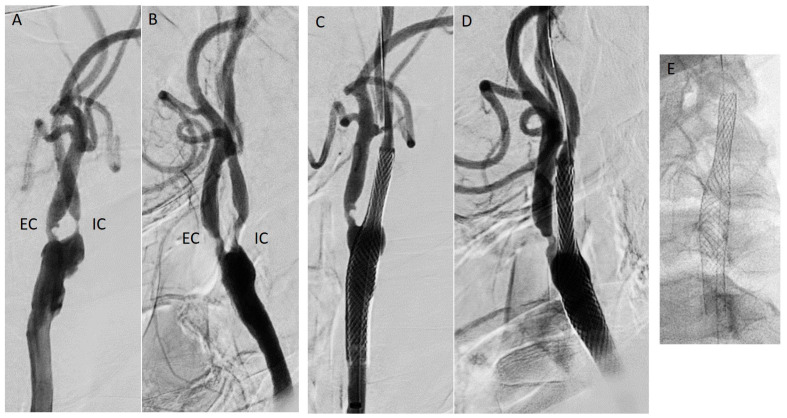 Figure 2
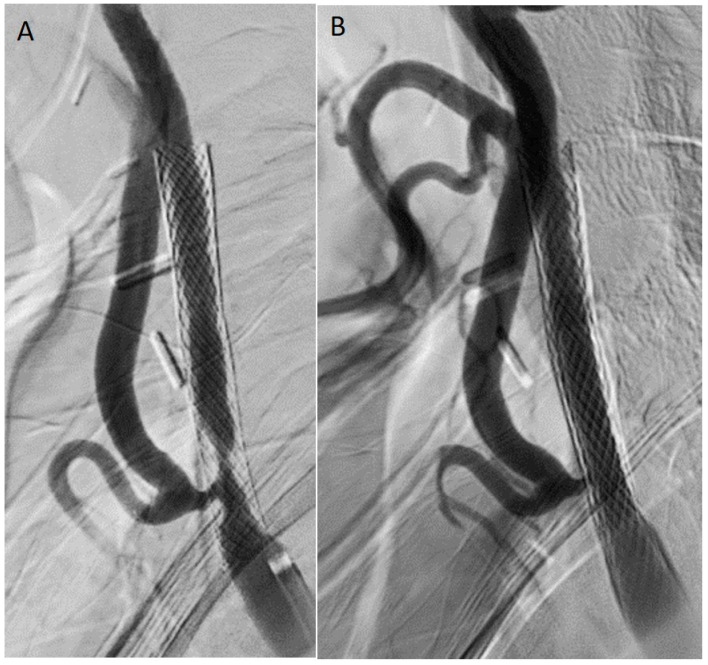 Figure 3
Peer Reviews
No public reviews on file for this paper yet. If you reviewed it on a platform where reviews are public (OpenReview, ICLR, NeurIPS, ICML), you can paste yours below so the community can read it here.
Videos
No videos yet. Explain this paper in a talk, walkthrough, or lecture? Add one.
Taxonomy
TopicsCerebrovascular and Carotid Artery Diseases · Cardiovascular Health and Disease Prevention · Oropharyngeal Anatomy and Pathologies