Efficacy and Safety of CO2 Laser Therapy Combined with Collagen Cream in Managing Vulvo-Vaginal Atrophy: A Randomized, Controlled Study on Symptom Relief and Microbiome Modulation
Maurizio Filippini, Jessica Sozzi, Neila Maria de Góis Speck, Irene Fusco, Fernanda Kesserling Tso, Ernesta Dores, Miriam Farinelli

TL;DR
A study found that combining CO2 laser therapy with collagen cream improves symptoms of vulvo-vaginal atrophy in postmenopausal women more effectively than laser therapy alone.
Contribution
This study introduces a novel combination of CO2 laser therapy and collagen cream for managing vulvo-vaginal atrophy, showing enhanced symptom relief and reduced side effects.
Findings
Combination therapy reduced symptoms like burning, dyspareunia, and vaginal dryness more effectively than laser-only treatment.
The combination therapy group experienced fewer mild side effects, likely due to the anti-inflammatory effects of the collagen cream.
Microbiome analysis showed a trend toward increased beneficial bacteria and decreased pathogenic bacteria in the treatment group.
Abstract
Background and Objectives: Vulvo-vaginal atrophy (VVA), a prevalent condition among postmenopausal women, significantly impairs quality of life through symptoms like vaginal dryness, dyspareunia, and burning. Non-hormonal treatments, such as CO2 laser therapy, have shown promise in managing VVA symptoms with minimal side effects. The addition of adjunctive treatments may enhance efficacy and mitigate possible adverse effects. To evaluate the combined efficacy and safety of CO2 laser therapy and a collagen-based cream in treating VVA and to explore their potential impact on the vaginal microbiome. Materials and Methods: This was a single-center, randomized, interventional. Sixty postmenopausal women diagnosed with VVA were randomized into two groups: a control group receiving laser-only treatment and a treatment group receiving laser therapy with daily collagen-based cream application.…
Genes, proteins, chemicals, diseases, species, mutations and cell lines named across the full text — each resolved to its canonical identifier and authoritative record.
Click any figure to enlarge with its caption.
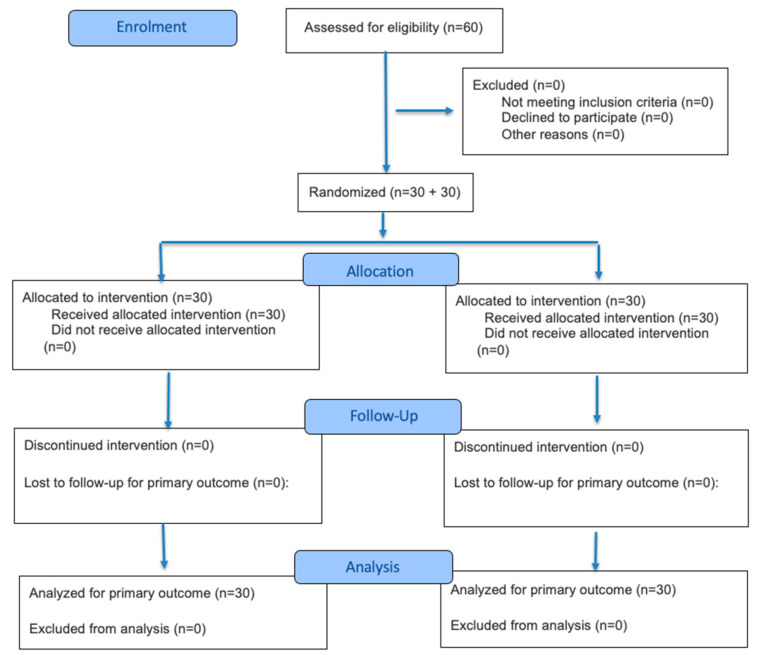 Figure 1
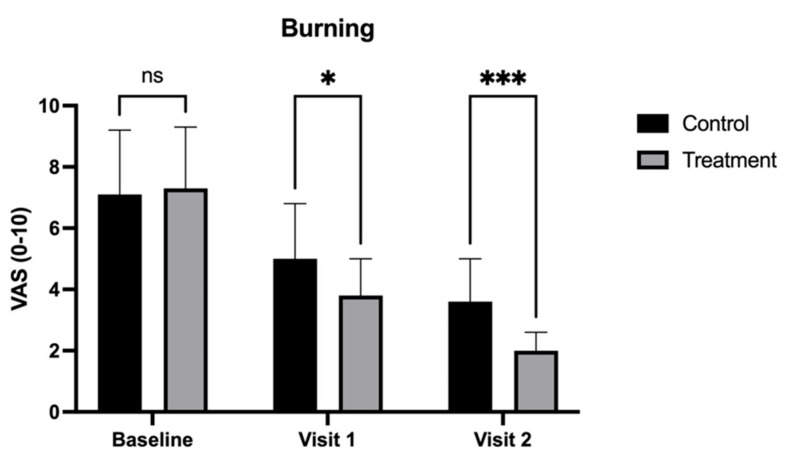 Figure 2
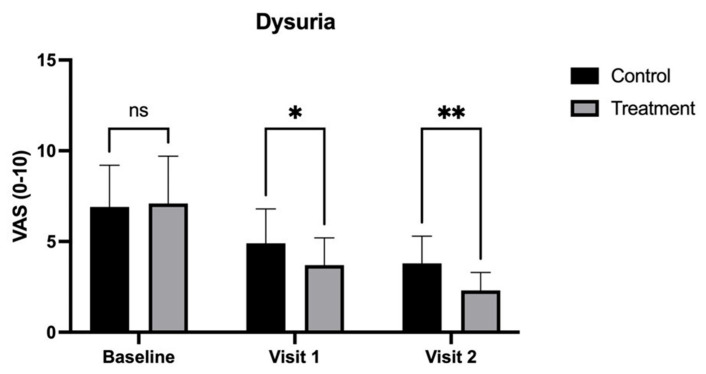 Figure 3
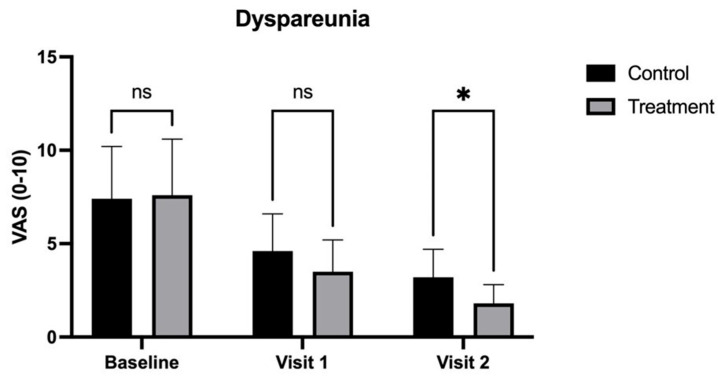 Figure 4
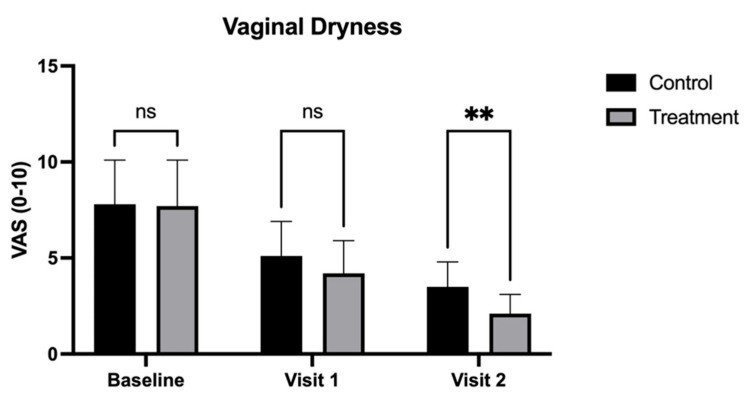 Figure 5
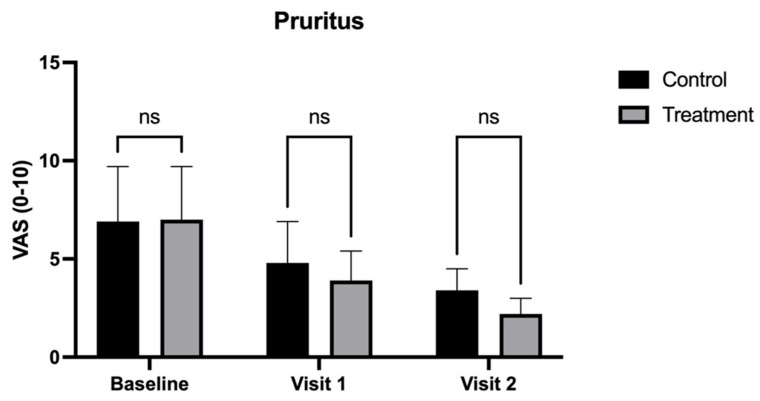 Figure 6
 Figure 7
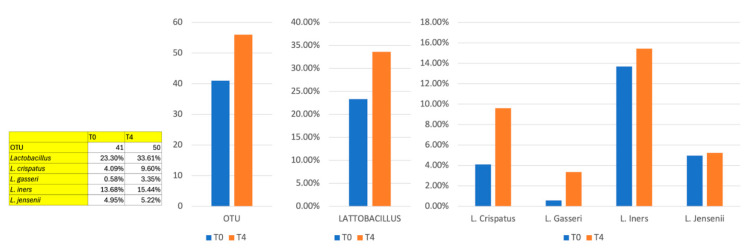 Figure 8
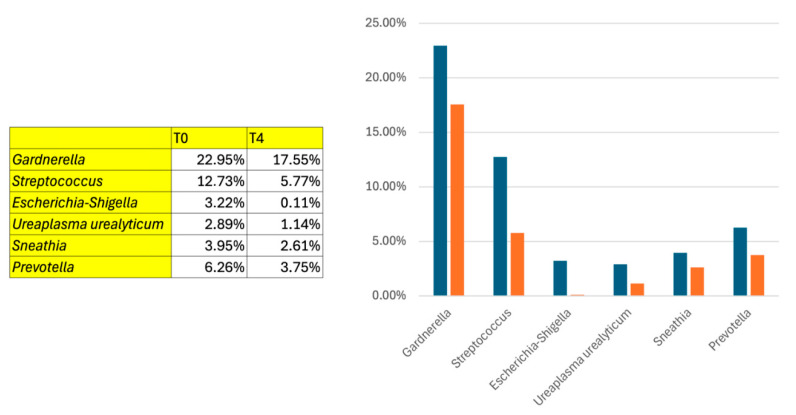 Figure 9
Peer Reviews
No public reviews on file for this paper yet. If you reviewed it on a platform where reviews are public (OpenReview, ICLR, NeurIPS, ICML), you can paste yours below so the community can read it here.
Videos
No videos yet. Explain this paper in a talk, walkthrough, or lecture? Add one.
Taxonomy
TopicsMenopause: Health Impacts and Treatments · Reproductive tract infections research · Gynecological conditions and treatments