Robust Detection and Localization of Image Copy-Move Forgery Using Multi-Feature Fusion
Kaiqi Lu, Qiuyu Zhang

TL;DR
This paper introduces a new method for detecting and locating copy-move image forgeries using multi-feature fusion, improving accuracy and robustness against common image manipulations.
Contribution
A novel multi-feature fusion network and lightweight decoder that enhance feature representation and localization accuracy in copy-move forgery detection.
Findings
The proposed MFFNet model outperforms existing methods in forgery detection under JPEG compression, noise, and resizing.
The integration of RGB and noise domain features improves the richness of feature representation.
The LMPD decoder achieves more accurate localization by combining local and global attention mechanisms.
Abstract
Copy-move forgery detection (CMFD) is a crucial image forensics analysis technique. The rapid development of deep learning algorithms has led to impressive advancements in CMFD. However, existing models suffer from two key limitations: Their feature fusion modules insufficiently exploit the complementary nature of features from the RGB domain and noise domain, resulting in suboptimal feature representations. During decoding, they simply classify pixels as authentic or forged, without aggregating cross-layer information or integrating local and global attention mechanisms, leading to unsatisfactory detection precision. To overcome these limitations, a robust detection and localization approach to image copy-move forgery using multi-feature fusion is proposed. Firstly, a Multi-Feature Fusion Network (MFFNet) was designed. Within its feature fusion module, features from both the RGB domain…
Genes, proteins, chemicals, diseases, species, mutations and cell lines named across the full text — each resolved to its canonical identifier and authoritative record.
Click any figure to enlarge with its caption.
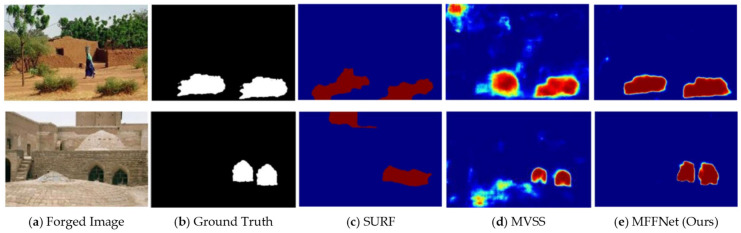 Figure 1
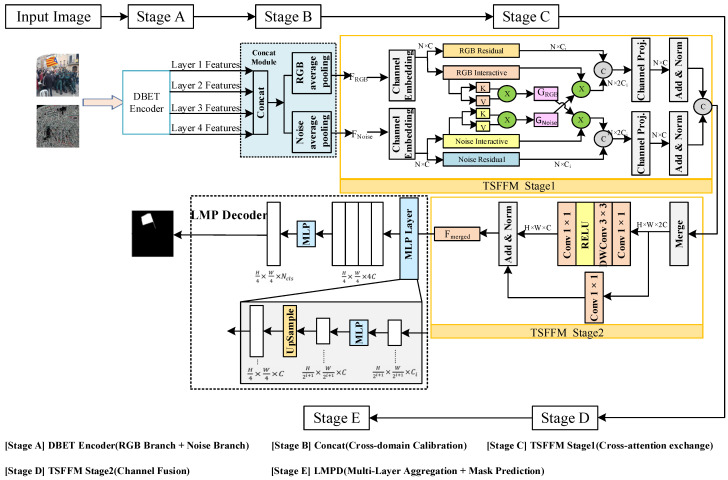 Figure 2
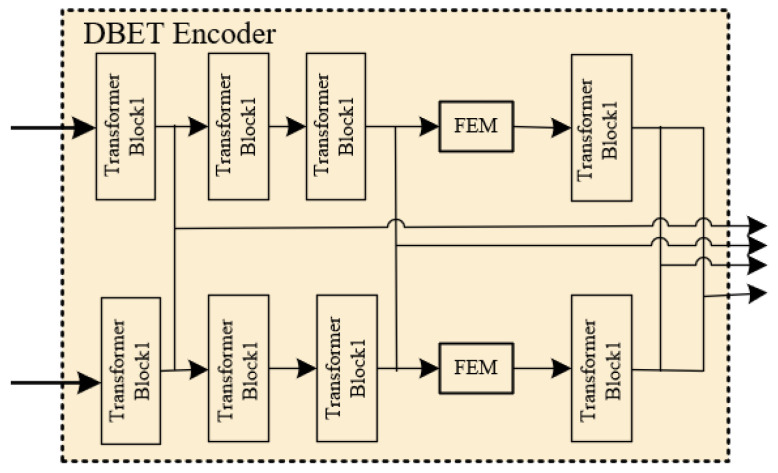 Figure 3
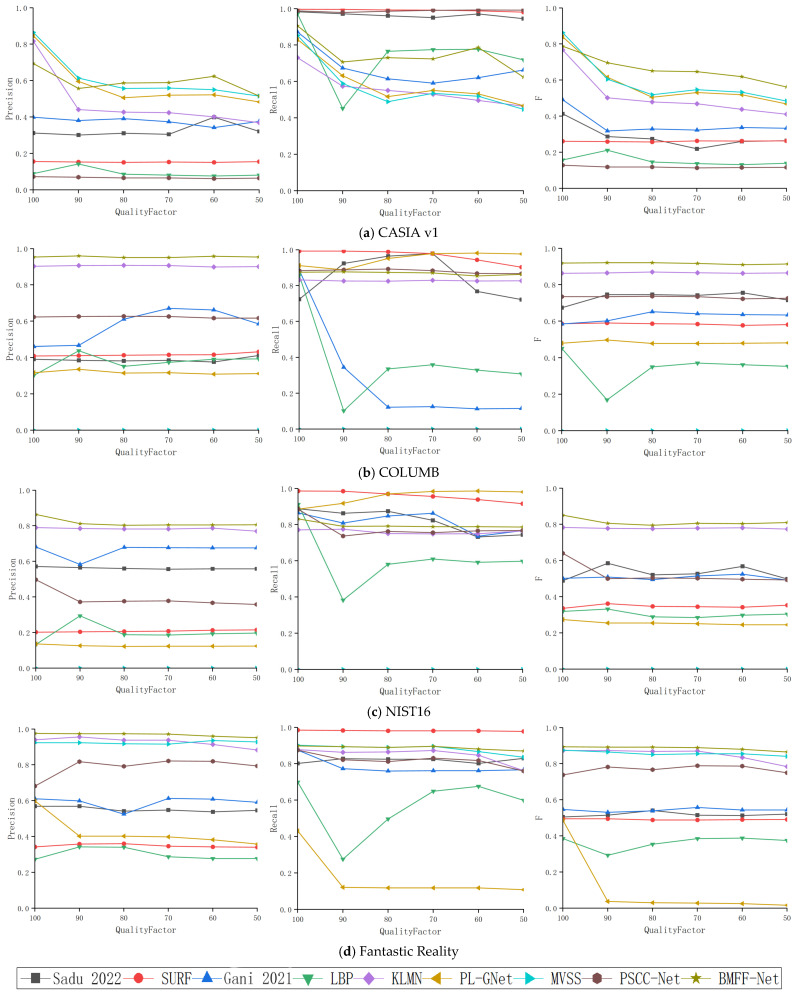 Figure 4
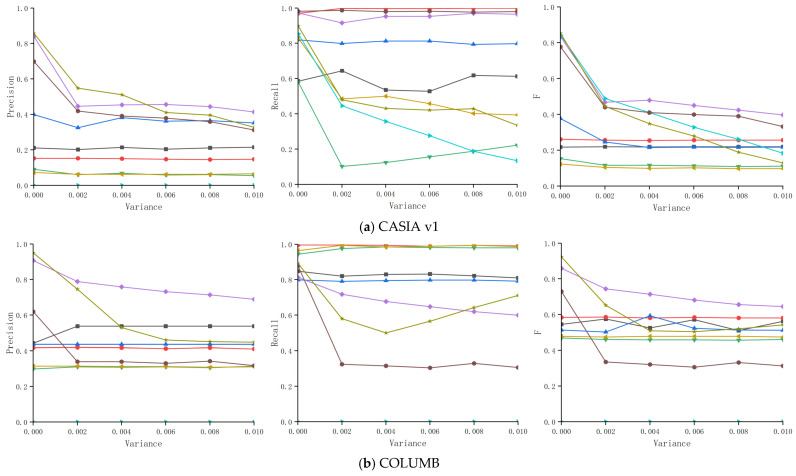 Figure 5
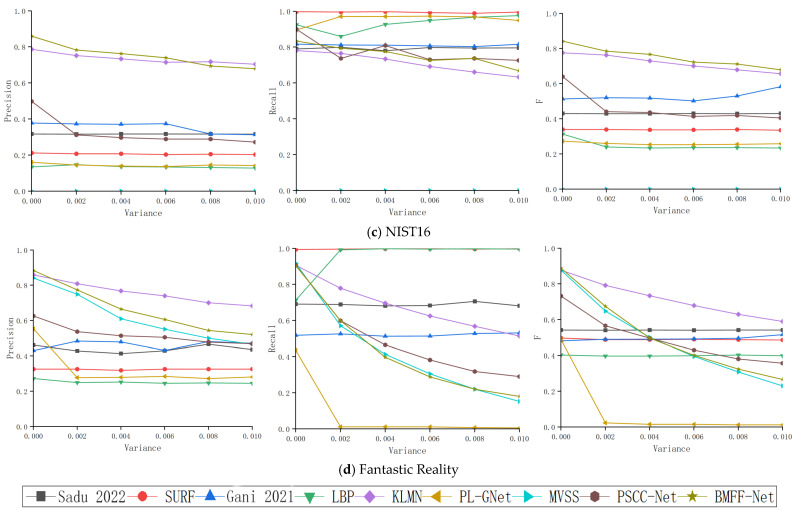 Figure 6
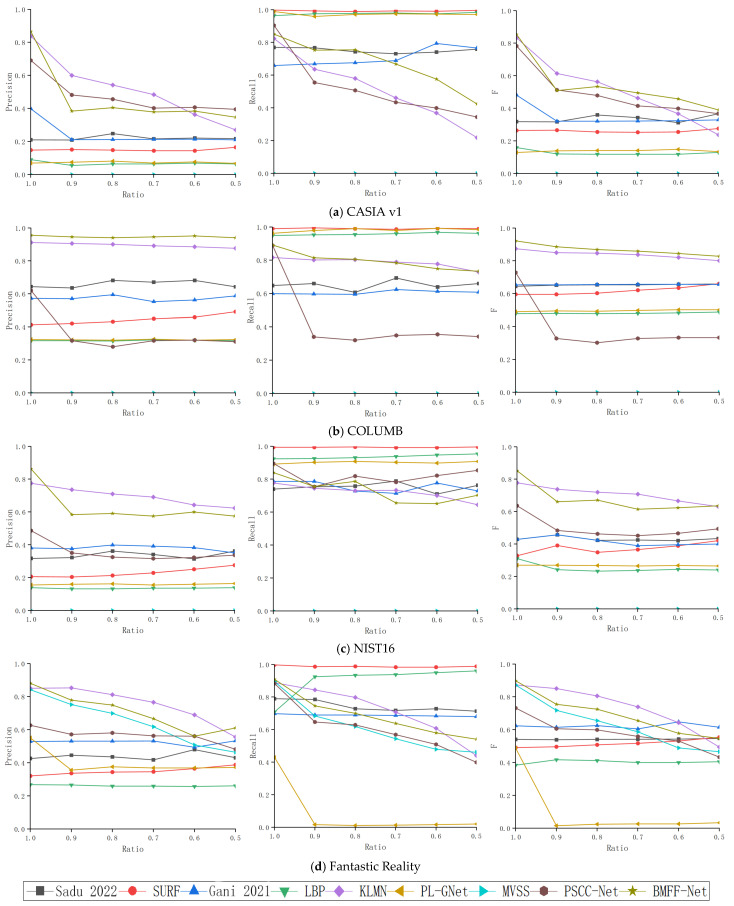 Figure 7
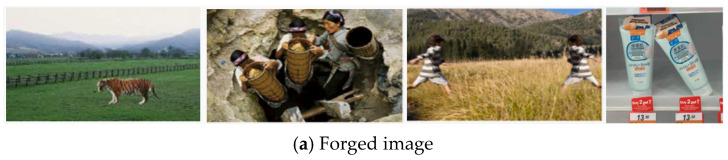 Figure 8
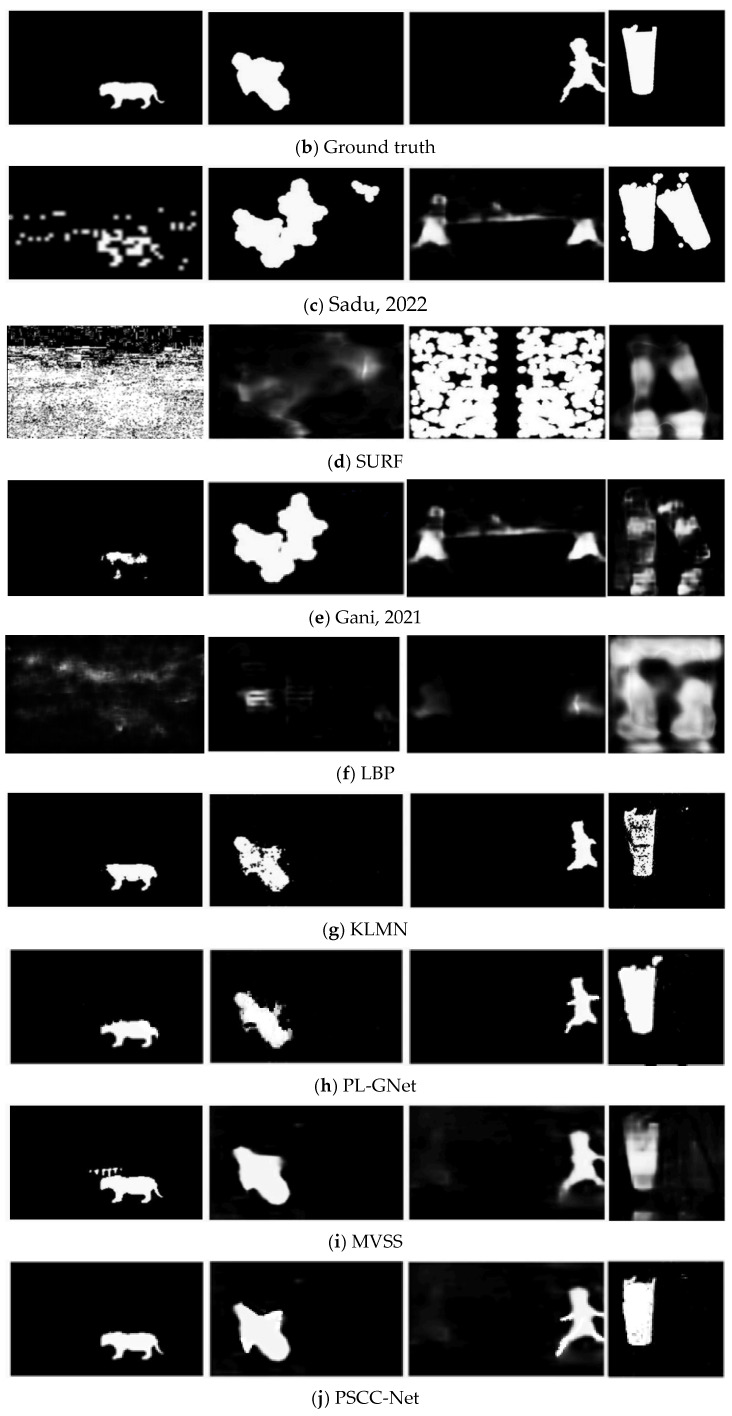 Figure 9
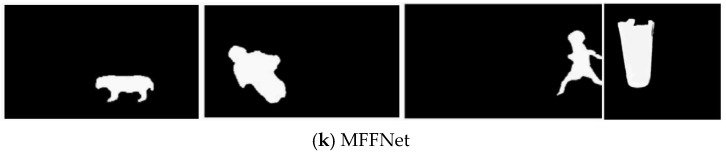 Figure 10
Peer Reviews
No public reviews on file for this paper yet. If you reviewed it on a platform where reviews are public (OpenReview, ICLR, NeurIPS, ICML), you can paste yours below so the community can read it here.
Videos
No videos yet. Explain this paper in a talk, walkthrough, or lecture? Add one.
Taxonomy
TopicsDigital Media Forensic Detection · Advanced Image Processing Techniques · Generative Adversarial Networks and Image Synthesis