Effect of Oxidative Stress Intensity on Inflammatory, Bone Turnover, and Haemostasis Biomarkers in Patients with Spinal Osteoarthritis
Milan Mirković, Jelena Vekić, Nataša Bogavac-Stanojević, Jelena Kotur-Stevuljević, Neda Milinković, Anđelka Milić, Sanja Mirković, Ankica Vujović, Zoran Baščarević, Biljana Božić Nedeljković

TL;DR
This study explores how oxidative stress affects inflammation, bone turnover, and blood clotting in spinal osteoarthritis patients.
Contribution
The study identifies PAB and D-dimer as potential biomarkers for disease severity and thrombotic risk in spinal osteoarthritis.
Findings
High oxidative stress (PAB ≥ 100 U/L) correlates with elevated fibrinogen, ESR, and shortened PT/aPTT.
Elevated D-dimer levels are strongly associated with increased ESR, IL-6, and ALP in spinal osteoarthritis patients.
Patients with grade V disc degeneration are more likely to have elevated D-dimer levels than those with grade IV.
Abstract
Osteoarthritis is associated with chronic inflammation, which contributes to a hypercoagulable state. Oxidative stress may further disrupt homeostatic balance, thereby promoting thrombotic events. This study evaluated the association between biomarkers of oxidative stress, inflammation, haemostasis, and bone metabolism in patients with spinal osteoarthritis. A total of 48 patients were included. The levels of inflammatory, bone turnover, haematological, and coagulation biomarkers were determined using standard laboratory methods. Redox status was assessed via prooxidant–antioxidant balance (PAB) and superoxide dismutase (SOD) activity. Patients with elevated PAB showed significantly higher erythrocyte sedimentation rate (ESR) (p = 0.005), alkaline phosphatase (ALP) (p = 0.003) and fibrinogen levels (p = 0.006) and platelet count (p = 0.040), along with lower 25-OH vitamin D levels (p =…
Genes, proteins, chemicals, diseases, species, mutations and cell lines named across the full text — each resolved to its canonical identifier and authoritative record.
Click any figure to enlarge with its caption.
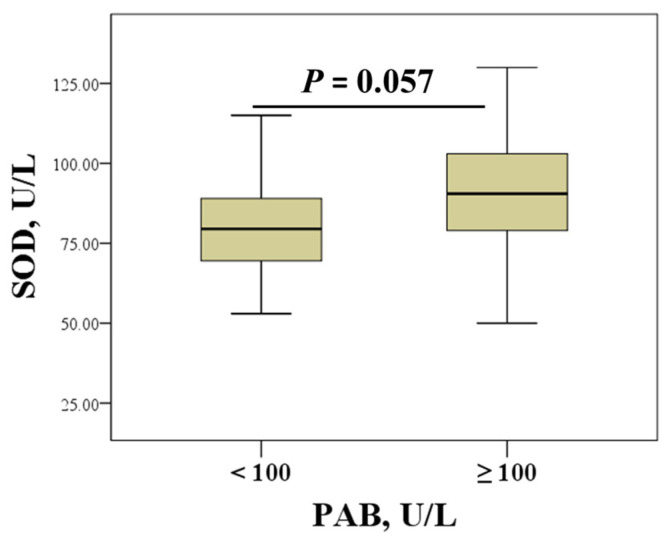 Figure 1
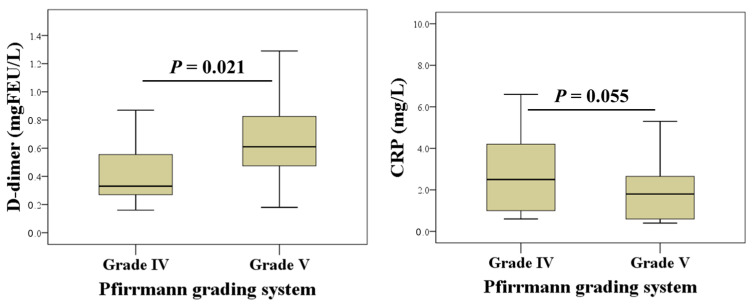 Figure 2
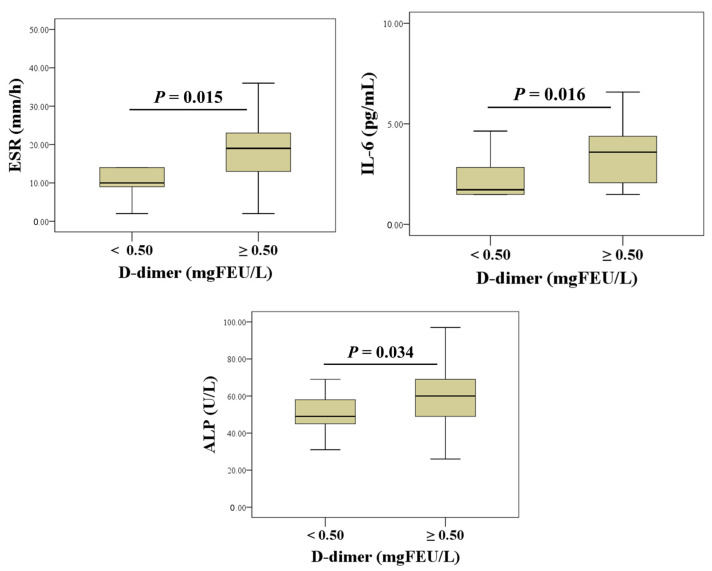 Figure 3
Peer Reviews
No public reviews on file for this paper yet. If you reviewed it on a platform where reviews are public (OpenReview, ICLR, NeurIPS, ICML), you can paste yours below so the community can read it here.
Videos
No videos yet. Explain this paper in a talk, walkthrough, or lecture? Add one.
Taxonomy
TopicsOsteoarthritis Treatment and Mechanisms · Blood properties and coagulation · Spondyloarthritis Studies and Treatments