A UK Biobank Study on Genetic Variants in Pattern-Recognition Receptor (PRR) Signaling Indicates Self-Perpetuatin Inflammation of Cholesteatoma
Mohannad Almomani, Ioannis Vlastos, Kalliopi Gkouskou, Nikolaos Drimalas, Jiannis Hajiioannou

TL;DR
A study using UK Biobank data finds that genetic variants in inflammatory pathways may drive chronic inflammation in cholesteatoma, a middle ear disease.
Contribution
The study identifies specific genetic variants linked to sustained inflammation in cholesteatoma, suggesting a genetic basis rather than just microbial causes.
Findings
Genes like IL6, TREM1, and TNFA show significant genetic risk scores in cholesteatoma patients.
Variants in cytokine genes may enhance inflammation and bone resorption in cholesteatoma.
The study suggests cholesteatoma involves self-perpetuating inflammation from genetic factors, not just infections.
Abstract
Background: Acquired cholesteatoma is a chronic inflammatory middle ear disease characterized by keratinizing squamous epithelium overgrowth and bone erosion. While the upregulation of pattern-recognition receptor (PRR) signaling has been consistently observed, it remains unclear whether this reflects a secondary response to microbial infection or a primary dysfunction driven by genetic predisposition. Methods: Using the UK Biobank, we analyzed 678 individuals with cholesteatoma (ICD-10: H71) among 502,164 participants. Candidate genes implicated in cholesteatoma-related inflammatory pathways (n = 17) were selected, and 147 polymorphisms were studied. Gene-specific genetic risk scores (GRSs) were calculated for cholesteatoma patients (GRSchol) and the general UK Biobank population (GRSpop). The difference (ΔGRSchol-GRSpop) was used to assess the relative contribution of each gene.…
Genes, proteins, chemicals, diseases, species, mutations and cell lines named across the full text — each resolved to its canonical identifier and authoritative record.
Click any figure to enlarge with its caption.
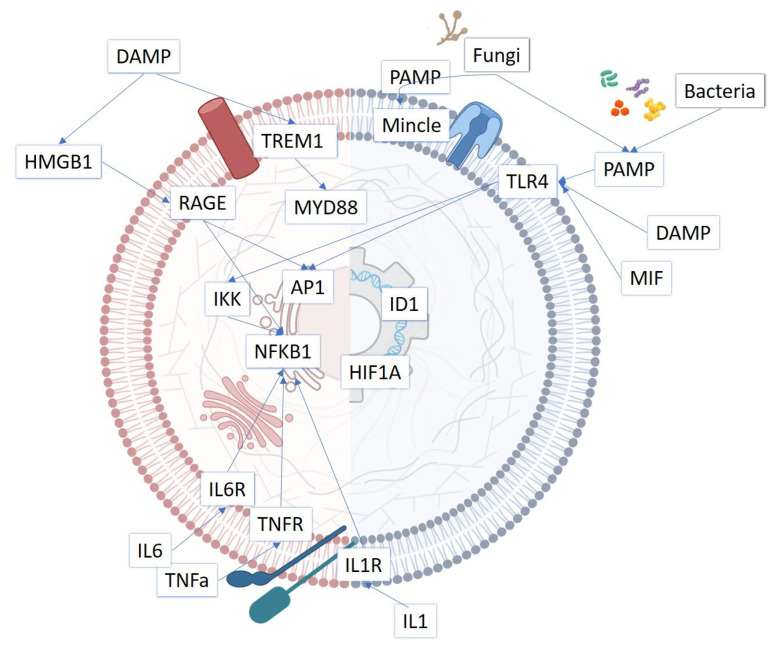 Figure 1
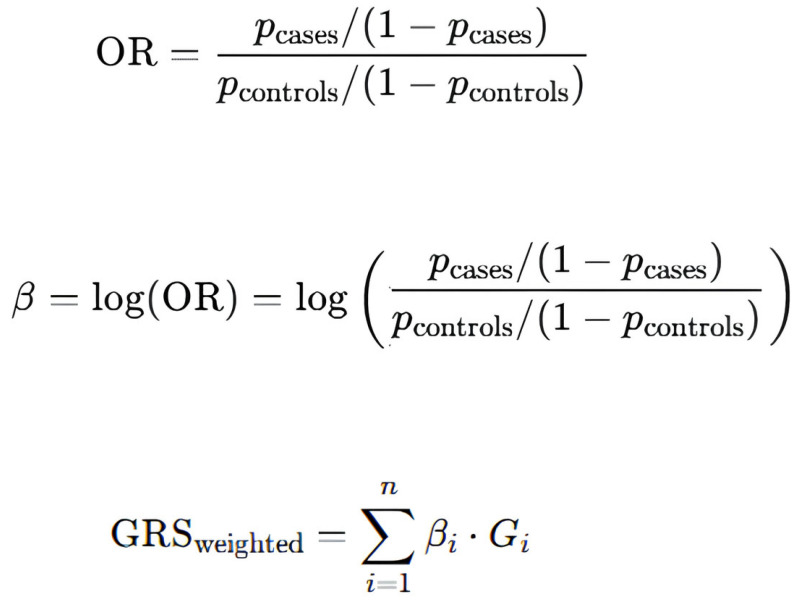 Figure 2
Peer Reviews
No public reviews on file for this paper yet. If you reviewed it on a platform where reviews are public (OpenReview, ICLR, NeurIPS, ICML), you can paste yours below so the community can read it here.
Videos
No videos yet. Explain this paper in a talk, walkthrough, or lecture? Add one.
Taxonomy
TopicsEar Surgery and Otitis Media · Vestibular and auditory disorders · Language Development and Disorders