Cross-Scale Coupling Model of CPFEM and Thermo-Elasto-Plastic FEM for Residual Stress Prediction in TA15 Welds
Xuezhi Zhang, Yilai Chen, Anguo Huang, Shengyong Pang, Lvjie Liang

TL;DR
This paper introduces a new model that combines micro and macro simulations to better predict residual stresses in electron beam welding of TA15.
Contribution
A dual-scale coupled model integrating CPFEM and thermo-elasto-plastic FEM for improved residual stress prediction in welds.
Findings
The model reduces prediction error for molten pool morphology to within 16.3%.
Peak longitudinal residual stress at the weld center is adjusted from 800 MPa to approximately 350 MPa.
The model effectively captures shear stress components and reduces the 'M-shaped' stress distribution.
Abstract
Existing macroscopic finite element models for electron beam welding (EBW) typically assume isotropic material behavior, often failing to accurately predict residual stresses induced by strong crystallographic textures. To address this limitation, this study established a sequential dual-scale coupled numerical model bridging micro-texture to macro-mechanics by combining the crystal plasticity finite element method (CPFEM) with thermal-elastic-plastic theory. Representative volume elements (RVEs) incorporating α and β dual-phase characteristics were constructed based on electron backscatter diffraction (EBSD) data from the TA15 weld cross-section. Through simulated tensile and shear calculations on the RVEs, homogenized orthotropic stiffness matrices and Hill yield constitutive parameters were derived and mapped onto the macroscopic model. Simulation results indicate that the proposed…
Genes, proteins, chemicals, diseases, species, mutations and cell lines named across the full text — each resolved to its canonical identifier and authoritative record.
Click any figure to enlarge with its caption.
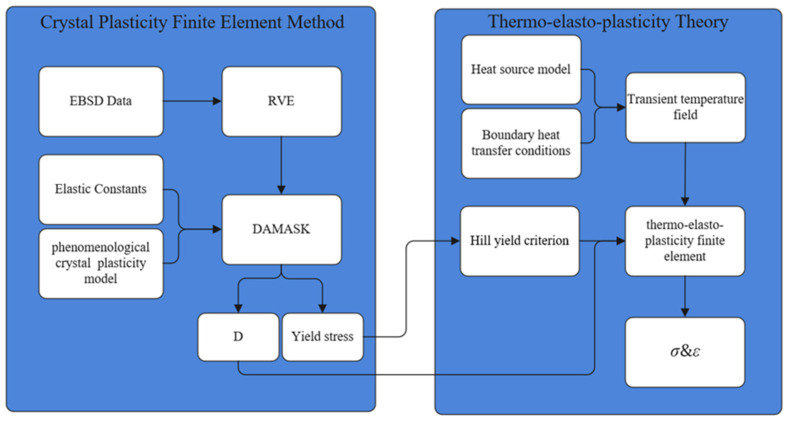 Figure 1
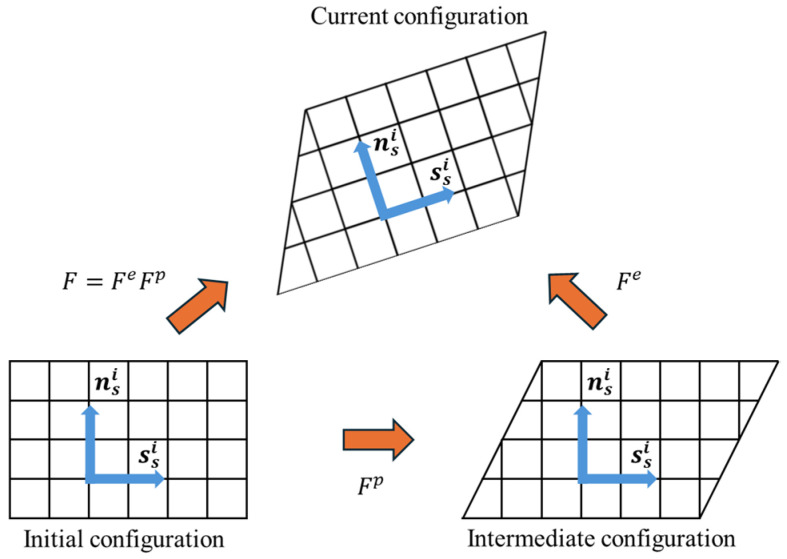 Figure 2
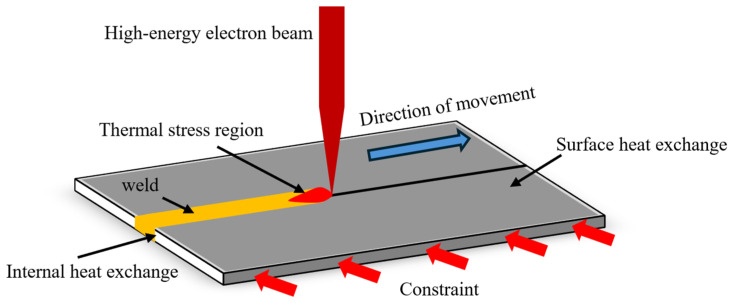 Figure 3
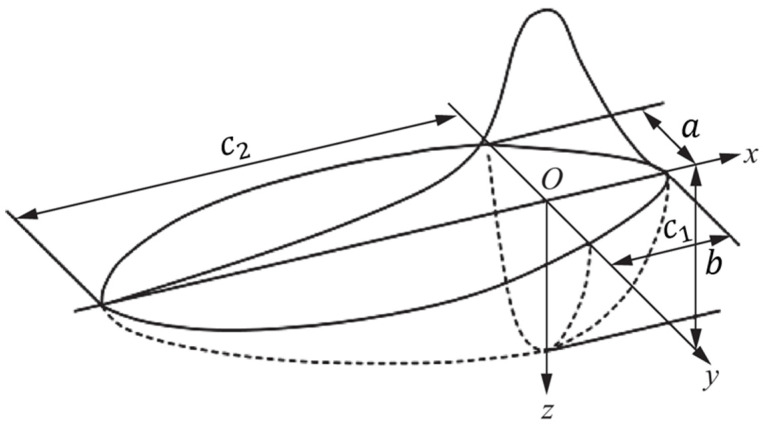 Figure 4
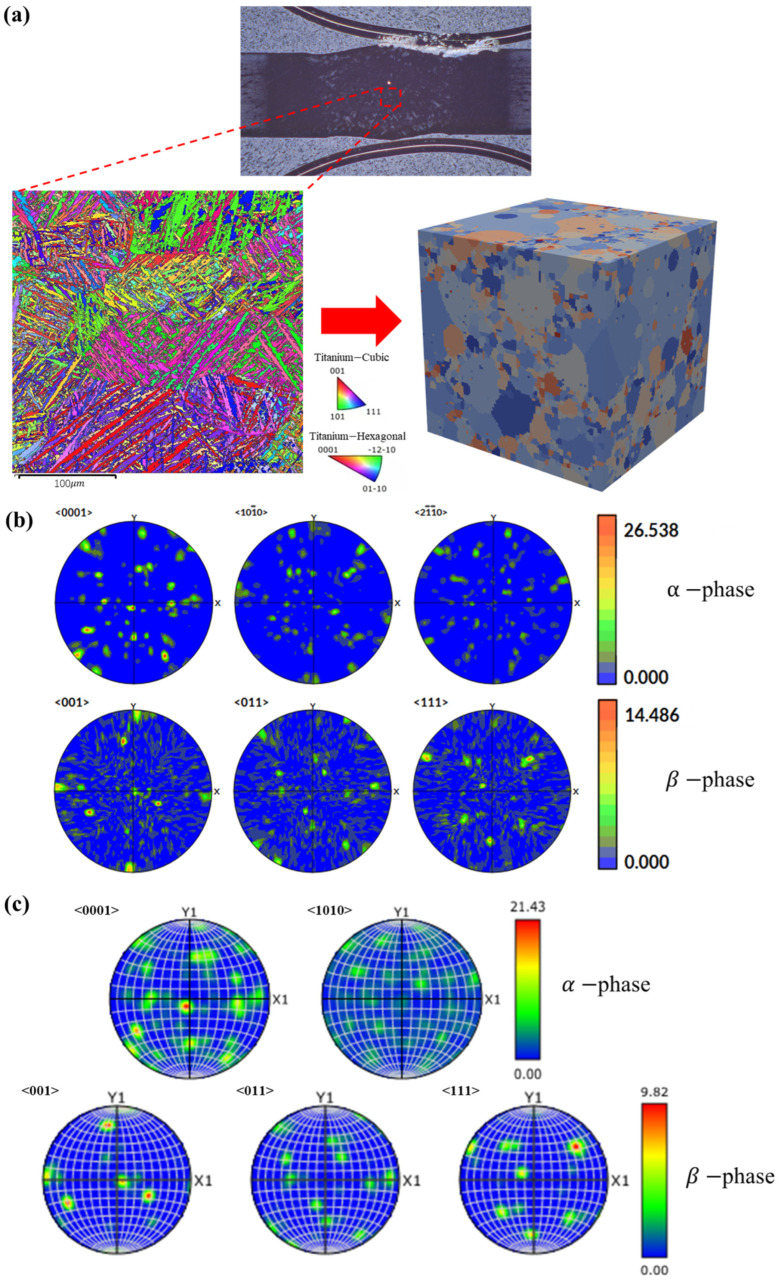 Figure 5
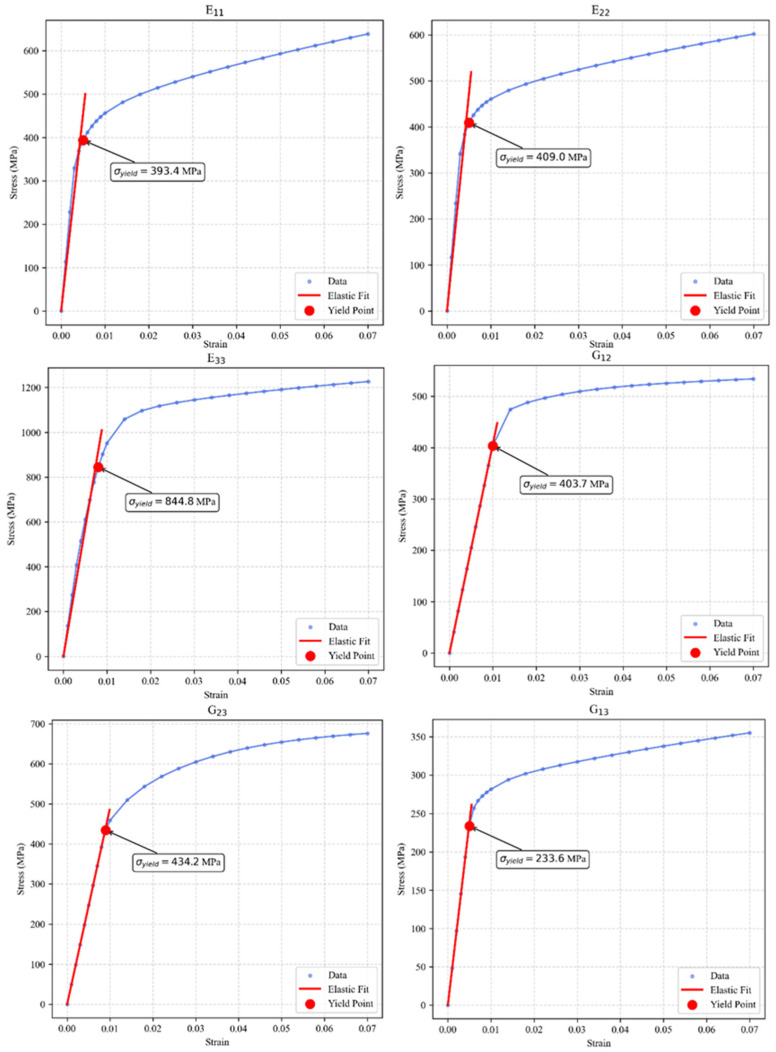 Figure 6
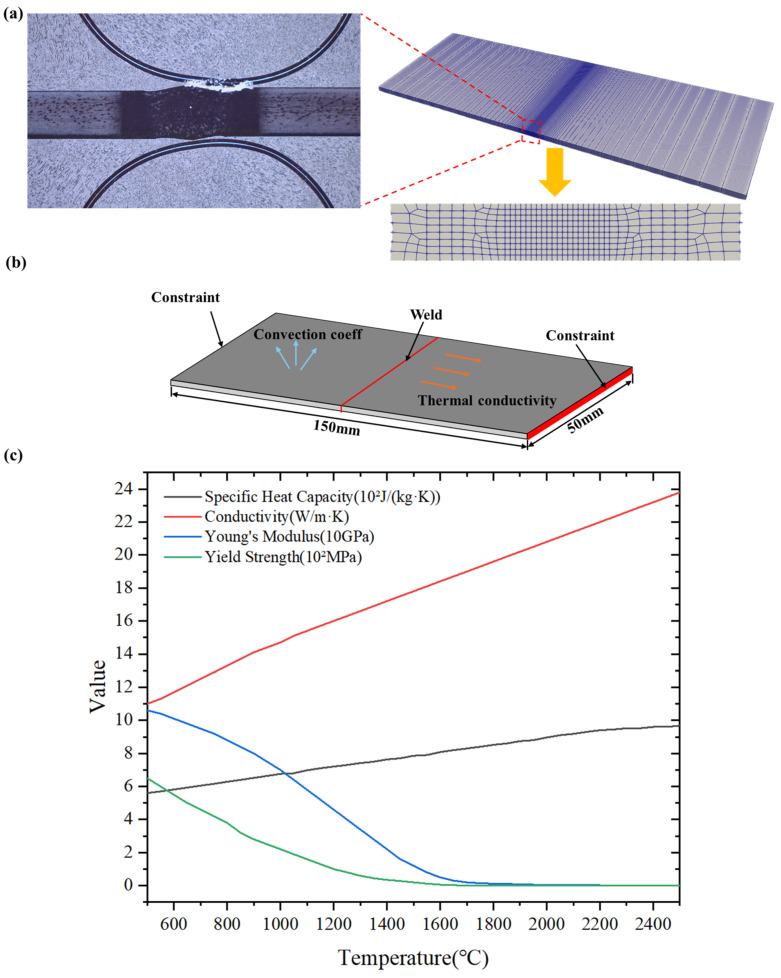 Figure 7
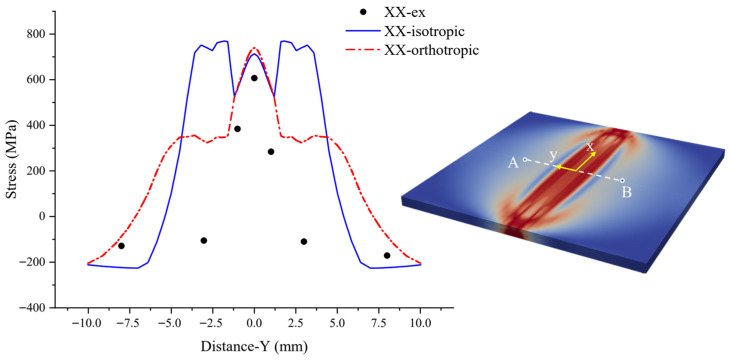 Figure 8
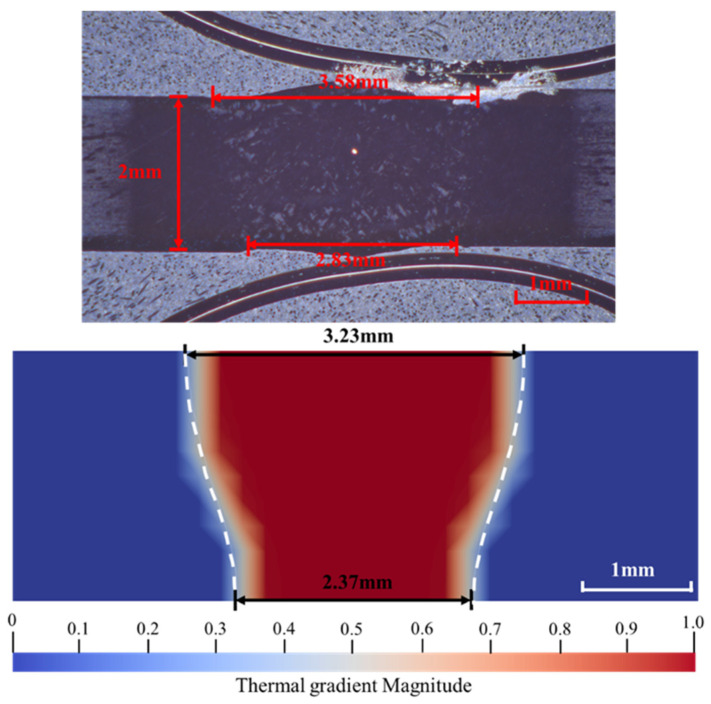 Figure 9
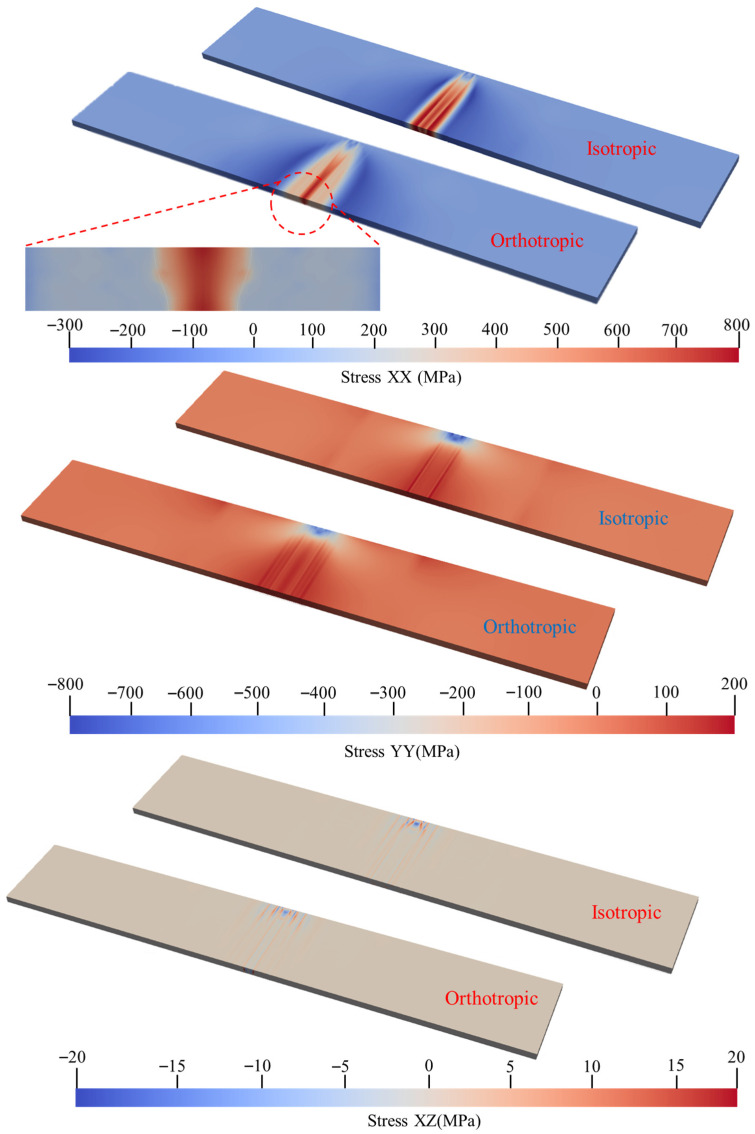 Figure 10
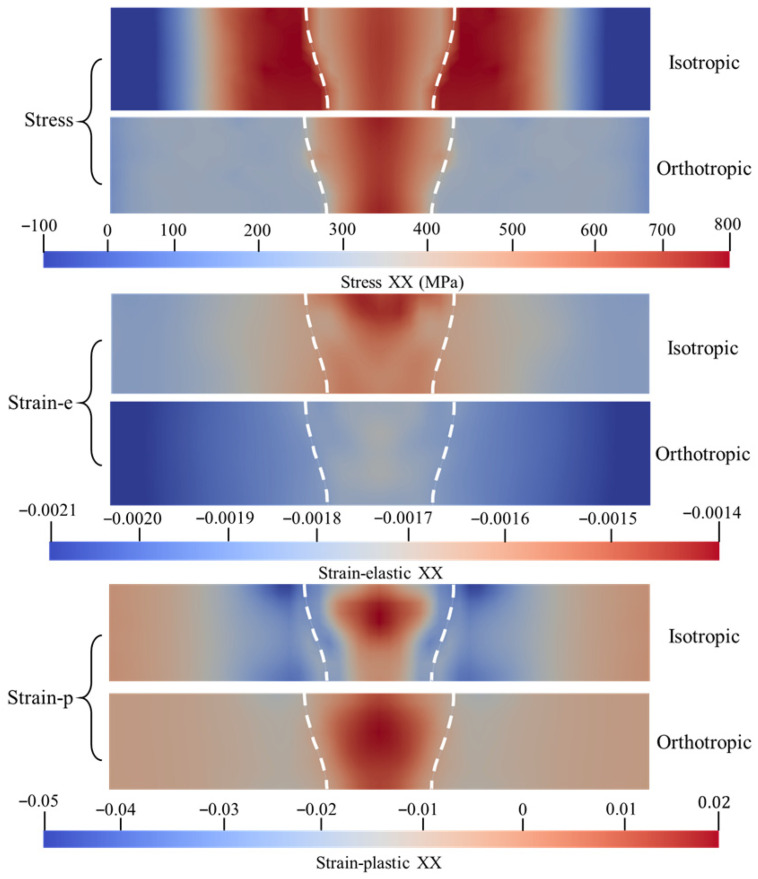 Figure 11
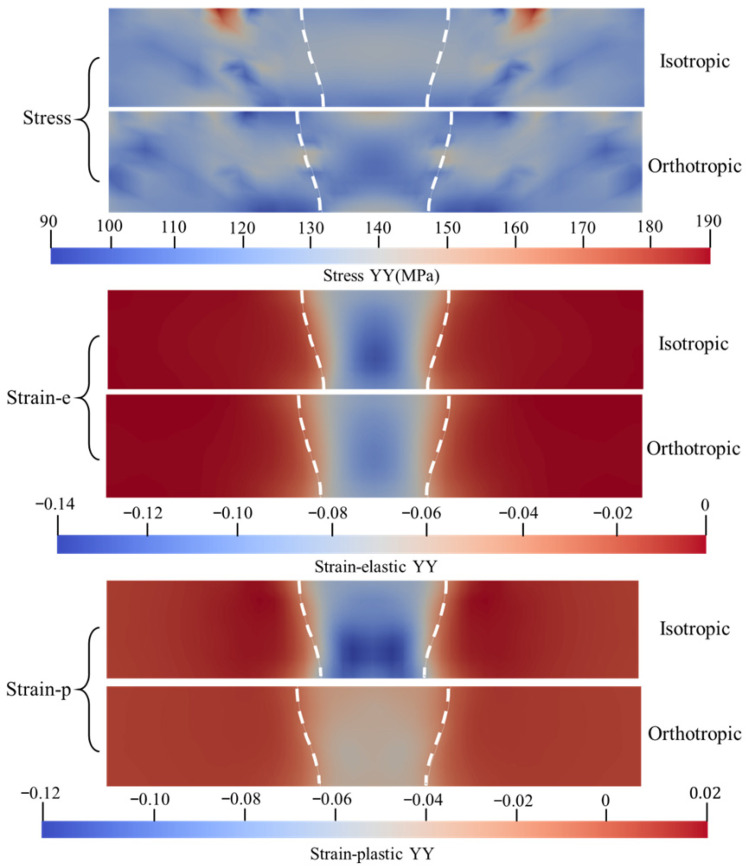 Figure 12
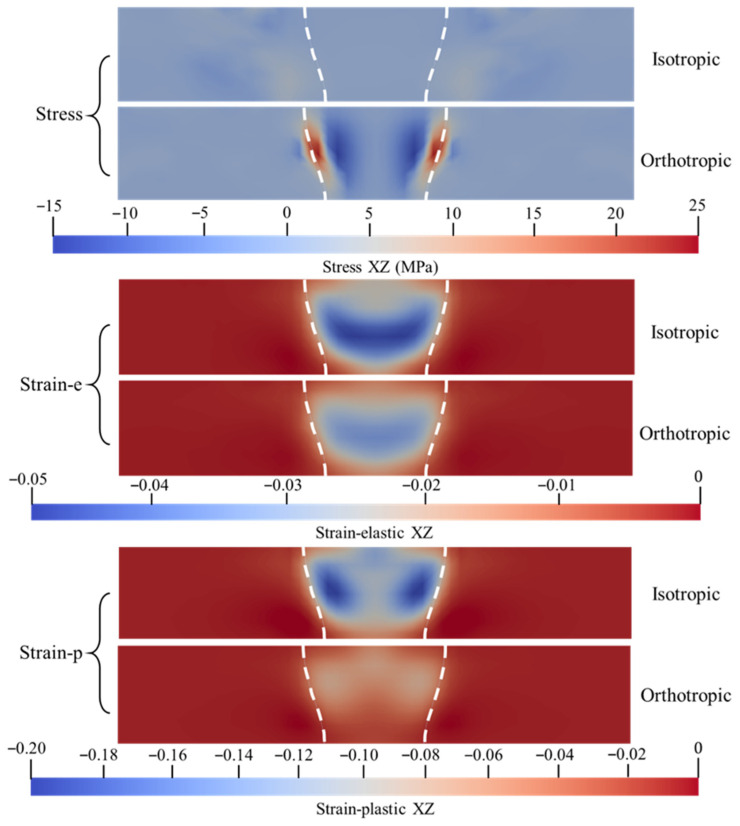 Figure 13
Peer Reviews
No public reviews on file for this paper yet. If you reviewed it on a platform where reviews are public (OpenReview, ICLR, NeurIPS, ICML), you can paste yours below so the community can read it here.
Videos
No videos yet. Explain this paper in a talk, walkthrough, or lecture? Add one.
Taxonomy
TopicsWelding Techniques and Residual Stresses · Advanced Welding Techniques Analysis · Metal Forming Simulation Techniques