Changes in CO2-Derived Variables, Induced by Passive Leg Raising Test, Detect Preload Responsiveness in Mechanically Ventilated Patients: A Pilot Study
Angeliki Baladima, Stelios Kokkoris, Dimitrios Tzalas, Konstantina Kolonia, Theodora Ntaidou, Theodoros Pittaras, Athanasios Trikas, Ioannis Vasileiadis, Christina Routsi

TL;DR
This study shows that changes in CO2-related variables during a passive leg raise test can help determine if ICU patients will benefit from fluid resuscitation.
Contribution
The study introduces passive leg raising-induced CO2-derived variables as a novel method to assess preload responsiveness in ventilated ICU patients.
Findings
ΔP(cv-a)CO2 and ΔP(cv-a)CO2/C(a-cv)O2 correlated with VTI changes in preload responders.
PLR-induced decrease in P(cv-a)CO2 was significantly associated with preload responsiveness.
AUC for ΔP(cv-a)CO2 to predict preload responsiveness was 0.89, indicating strong predictive value.
Abstract
Background/Objectives. Changes in CO2-derived variables during a fluid challenge have been proposed as markers of fluid responsiveness. We investigated whether, instead of fluid administration, passive leg raising (PLR)-induced changes in the CO2-derived variables, namely central venous-arterial carbon dioxide partial pressure (P(cv-a)CO2) and the ratio between P(cv-a)CO2 and the arterial-central venous oxygen content (P(cv-a)CO2/C(a-cv)O2), could detect preload responsiveness in critically ill patients. Methods. We studied 30 mechanically ventilated patients in whom a PLR test was performed due to acute circulatory failure. Routine hemodynamic variables, velocity-time integral (VTI), in the left ventricular outflow tract, and CO2-derived variables, were measured before, during, and after a PLR test. A PLR-induced increase in VTI of ≥10% defined preload responsiveness. The differences…
Genes, proteins, chemicals, diseases, species, mutations and cell lines named across the full text — each resolved to its canonical identifier and authoritative record.
Click any figure to enlarge with its caption.
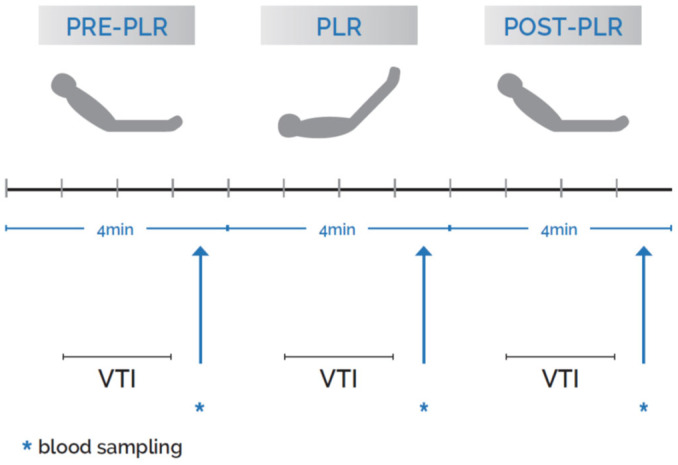 Figure 1
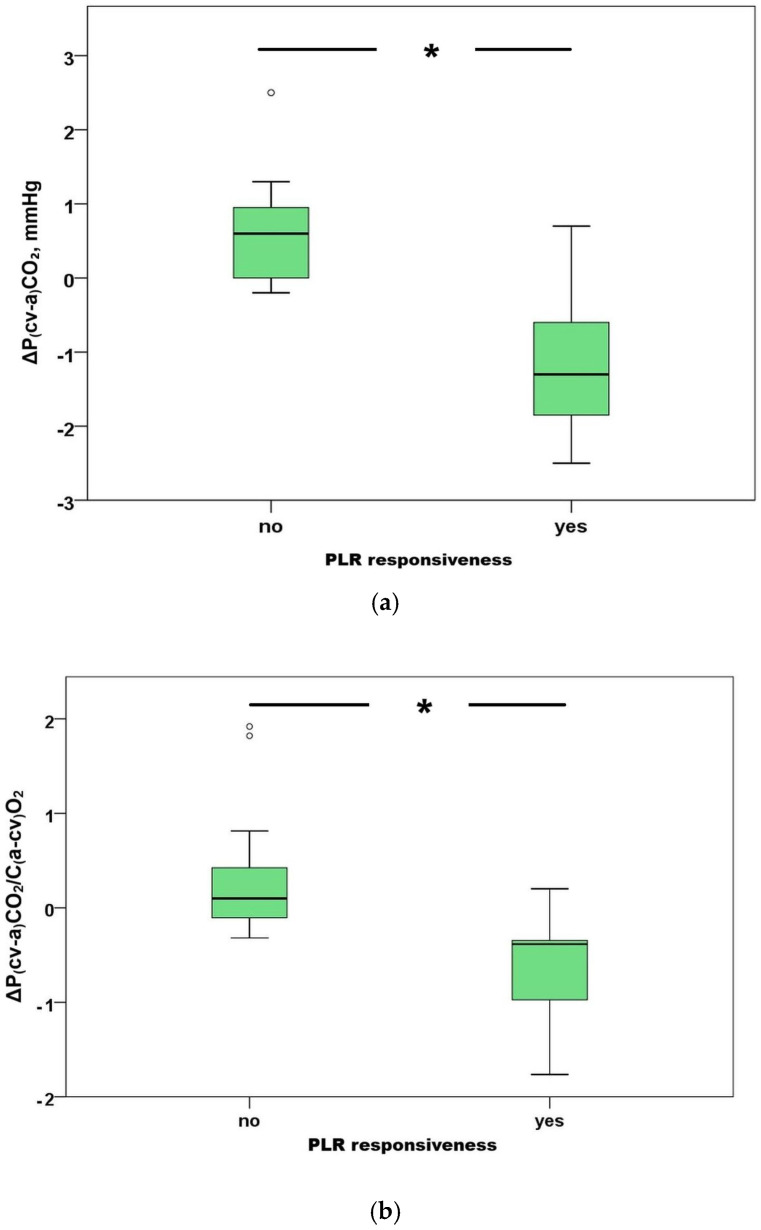 Figure 2
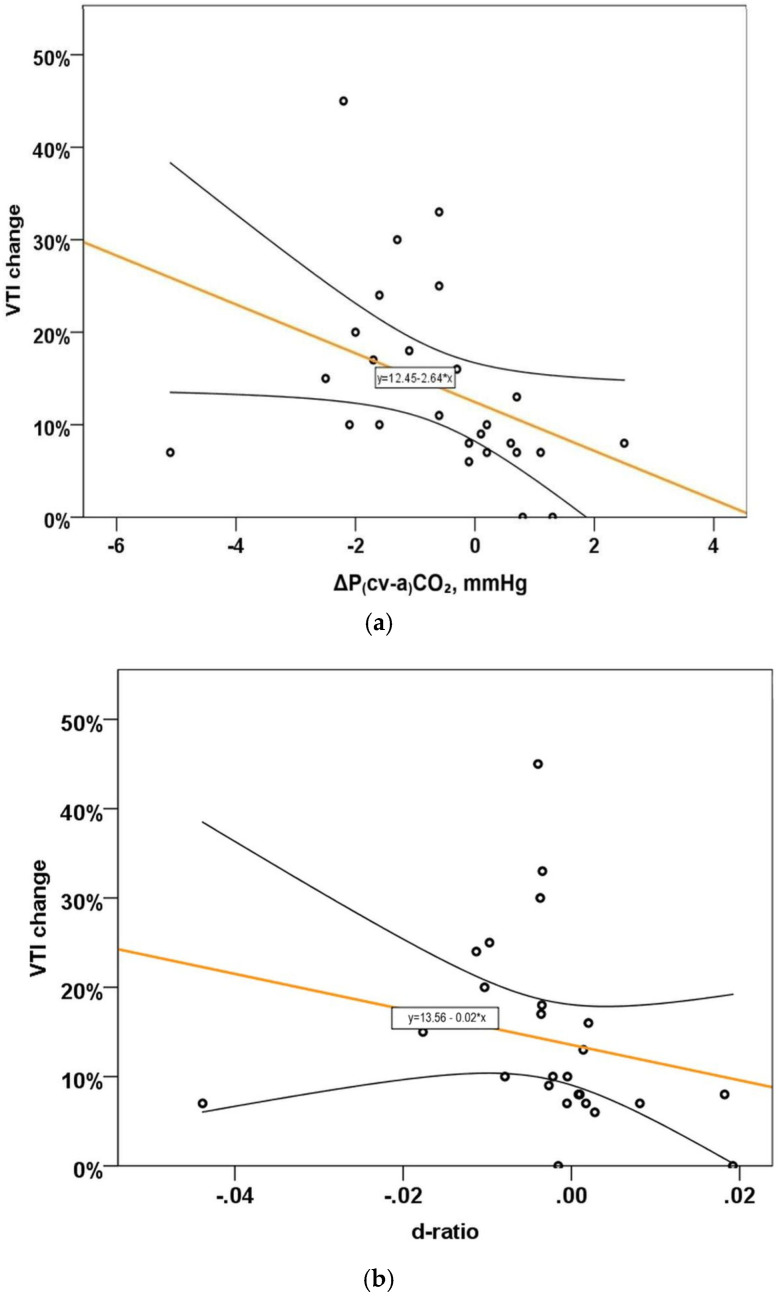 Figure 3
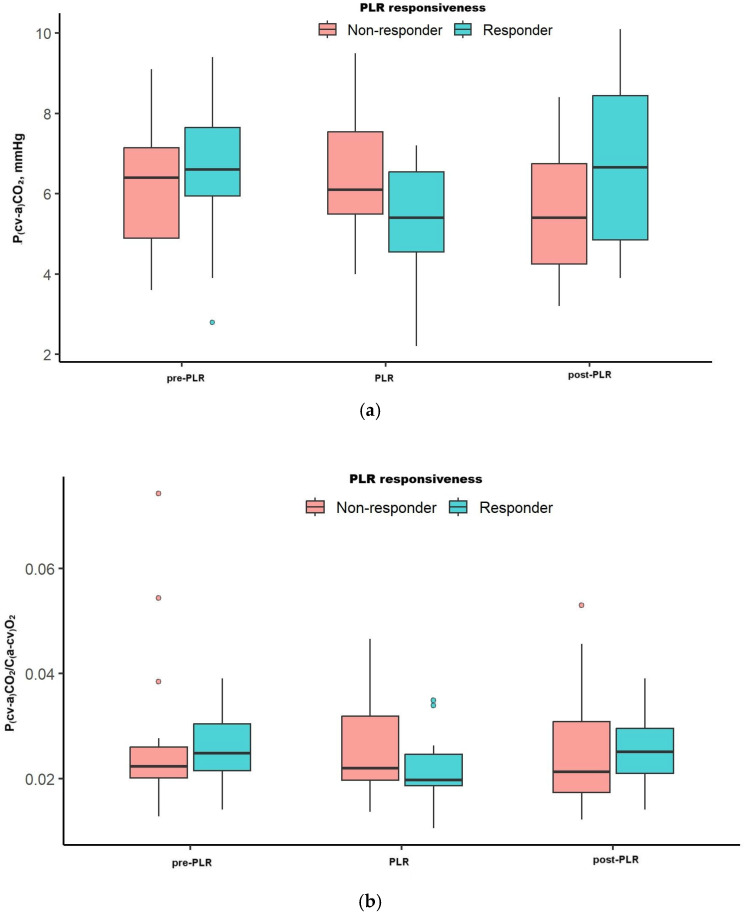 Figure 4
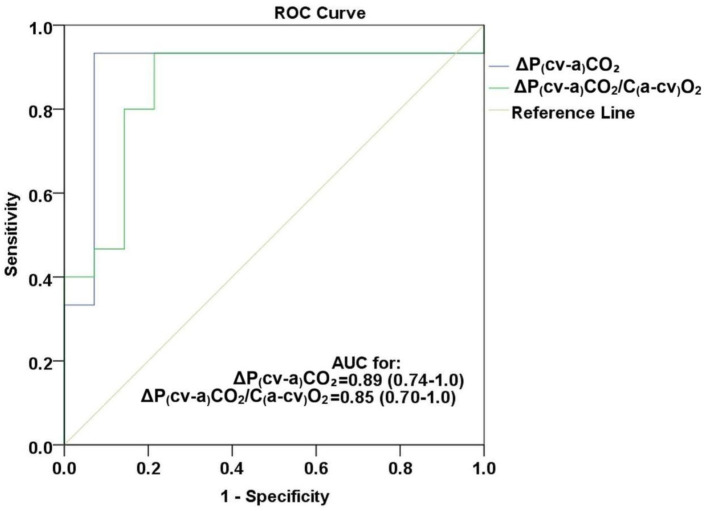 Figure 5
Peer Reviews
No public reviews on file for this paper yet. If you reviewed it on a platform where reviews are public (OpenReview, ICLR, NeurIPS, ICML), you can paste yours below so the community can read it here.
Videos
No videos yet. Explain this paper in a talk, walkthrough, or lecture? Add one.
Taxonomy
TopicsHemodynamic Monitoring and Therapy · Sepsis Diagnosis and Treatment · Respiratory Support and Mechanisms