Pulsed Field Ablation for Atrial Fibrillation: Contemporary Clinical Evidence and Real-World Experience in Redo Ablation
Ioanna Koniari, Eleni Artopoulou, Scott Gall, Gavin S. Chu, Rafail Koros, Maria Bozika, Kassiani-Maria Nastouli, Georgios Leventopoulos, Shajil Chalil, Aruna Arujuna

TL;DR
Pulsed field ablation is a new technique for treating atrial fibrillation that may reduce risks compared to traditional methods.
Contribution
This paper reviews contemporary clinical evidence and real-world experience of pulsed field ablation for redo atrial fibrillation ablation.
Findings
Pulsed field ablation may prevent atrial fibrillation recurrence with fewer complications.
Pulsed field ablation selectively affects cardiomyocyte membranes with minimal damage to surrounding tissues.
Clinical studies suggest pulsed field ablation is a promising alternative to thermal ablation techniques.
Abstract
Atrial fibrillation (AF) is the most common prevalent sustained arrhythmia and is associated with stroke, heart failure, and impaired health-related quality of life. Due to the complexity of the initiation and the persistence of AF, the pulmonary vein isolation (PVI) using thermal or laser energy is the most commonly applied ablation strategy. However, these thermal ablation modalities have several limitations, including a substantial risk of AF recurrence and collateral damage to tissues adjacent to the heart. Pulsed field ablation (PFA) is a novel non-thermal ablation technique in which high-voltage electric fields deliver short pulses, selectively affecting cardiomyocyte cell membranes. PFA has the potential to create myocardial lesions with minimal harm to non-cardiac tissues. Clinical studies have evaluated the safety and efficacy of PFA, examining its ability to prevent AF…
Genes, proteins, chemicals, diseases, species, mutations and cell lines named across the full text — each resolved to its canonical identifier and authoritative record.
Click any figure to enlarge with its caption.
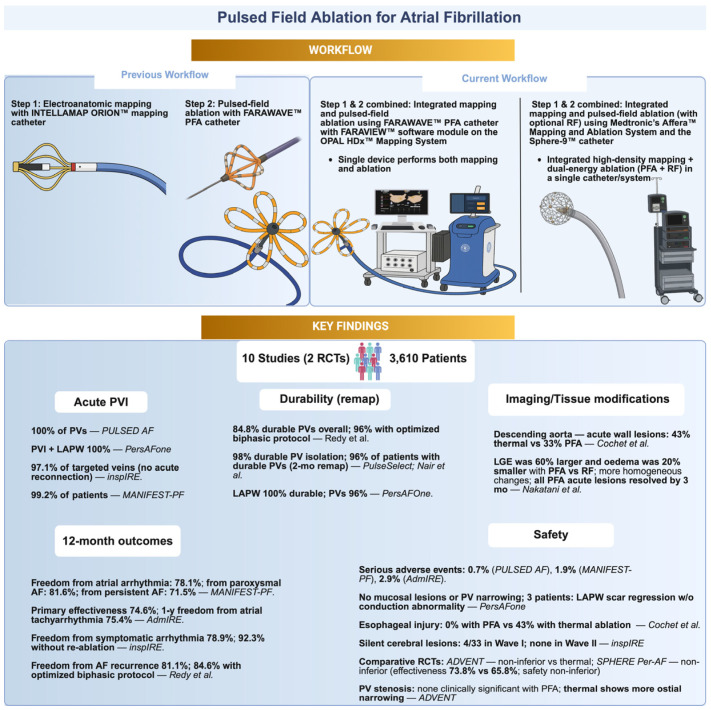 Figure 1
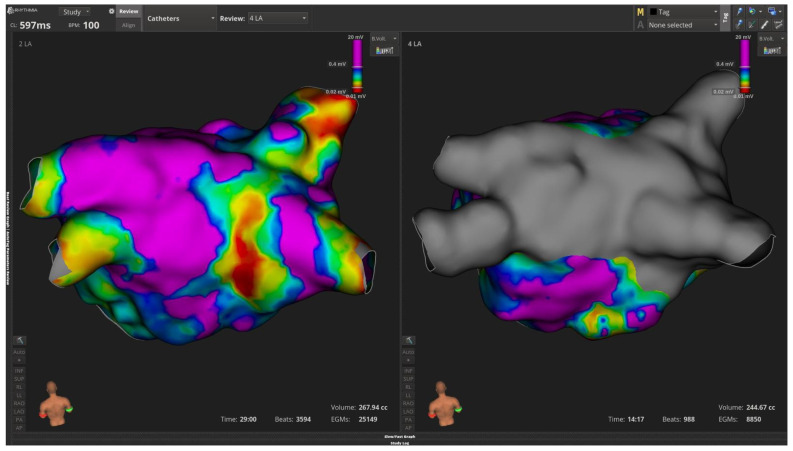 Figure 2
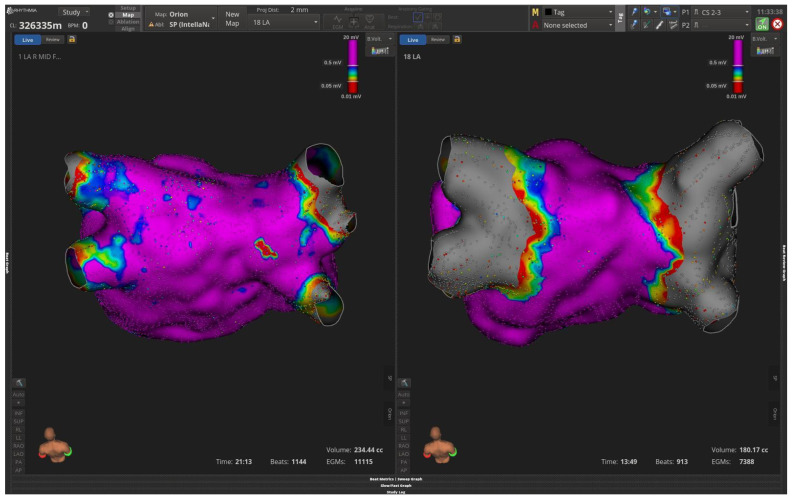 Figure 3
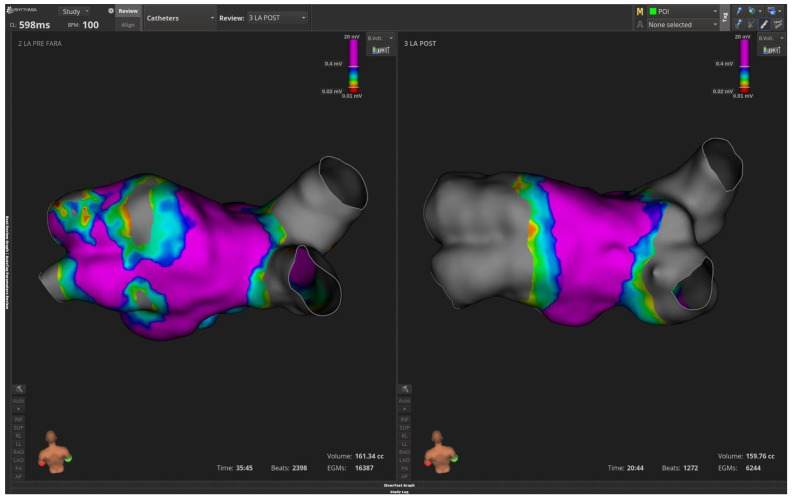 Figure 4
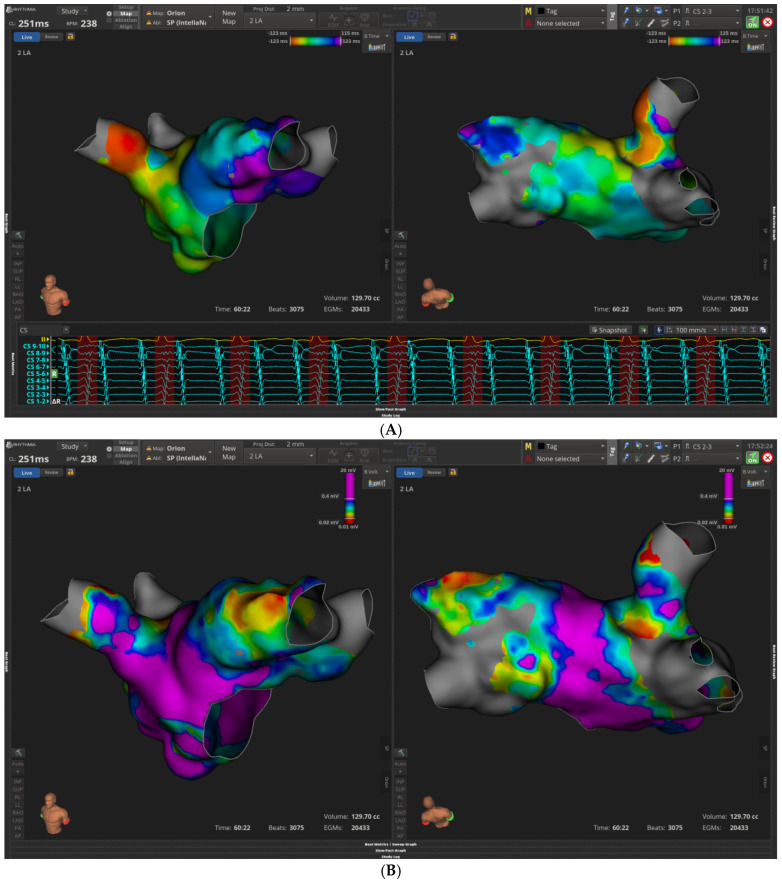 Figure 5
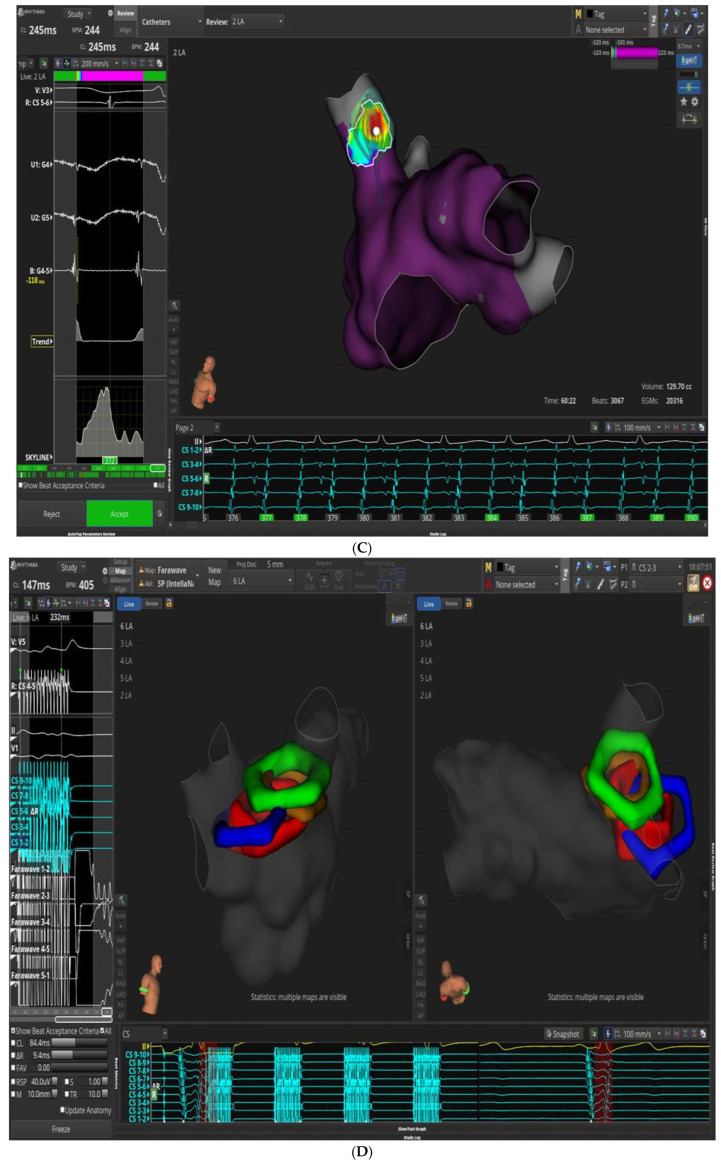 Figure 6
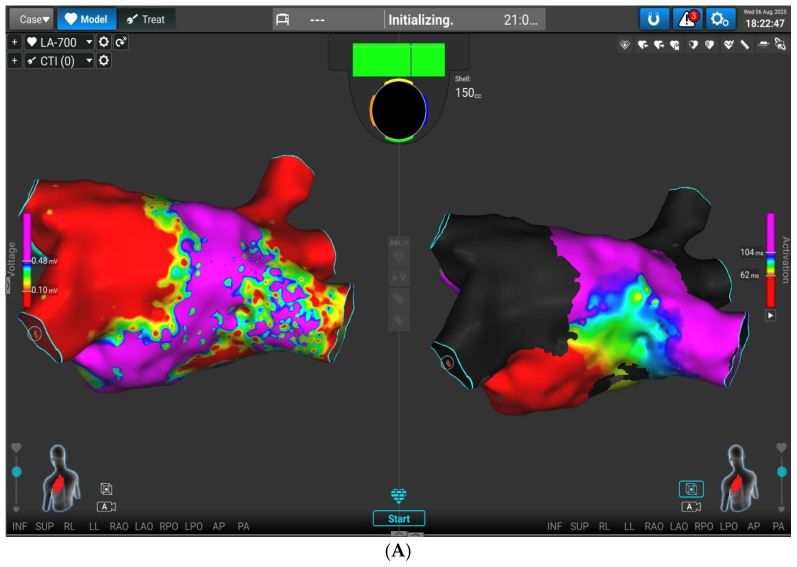 Figure 7
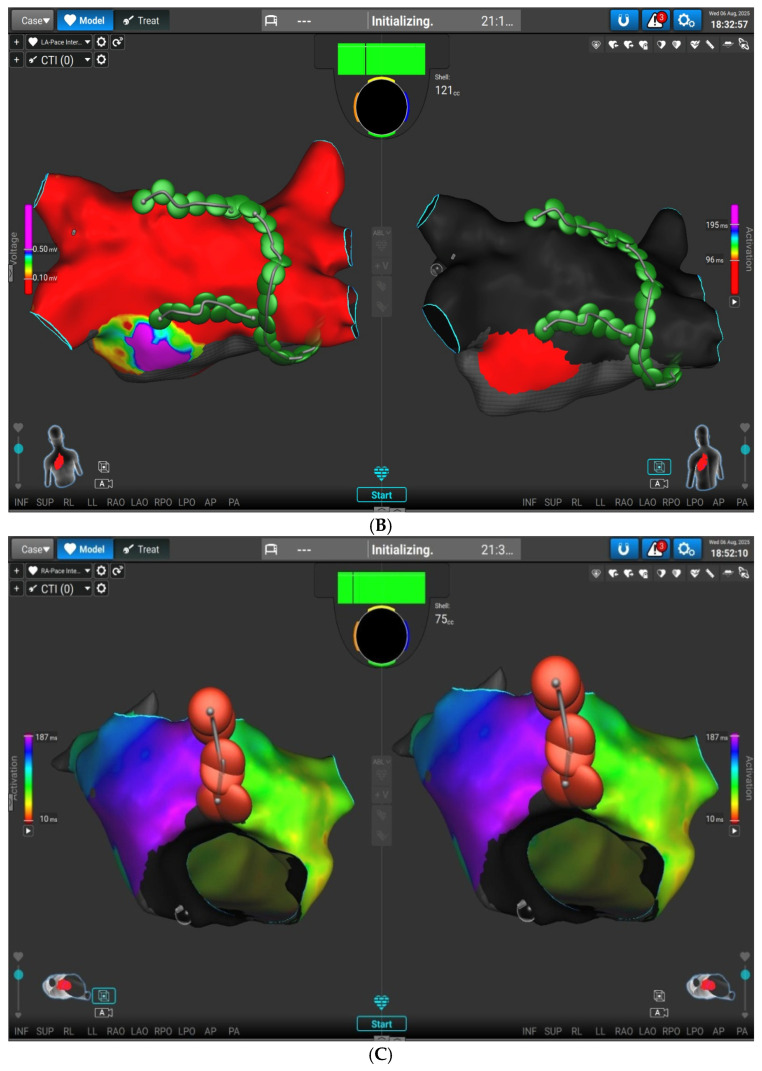 Figure 8
Peer Reviews
No public reviews on file for this paper yet. If you reviewed it on a platform where reviews are public (OpenReview, ICLR, NeurIPS, ICML), you can paste yours below so the community can read it here.
Videos
No videos yet. Explain this paper in a talk, walkthrough, or lecture? Add one.
Taxonomy
TopicsAtrial Fibrillation Management and Outcomes · Microbial Inactivation Methods · Cardiac Arrhythmias and Treatments