Mirror Therapy Versus Motor Imagery in Stroke Neurorehabilitation: A Systematic Review with Comparative Narrative Synthesis
Luis Polo-Ferrero, Javier Torres-Alonso, Juan Luis Sánchez-González, Sara Hernández-Rubia, Arturo Dávila-Marcos, María Agudo Juan, Javier Oltra-Cucarella, Rubén Pérez-Elvira

TL;DR
This review compares mirror therapy and motor imagery for stroke recovery, finding both methods equally effective but lacking strong evidence for one being better.
Contribution
The study provides a systematic comparison of mirror therapy and motor imagery in stroke rehabilitation, highlighting the lack of robust evidence for superiority of either method.
Findings
Both mirror therapy and motor imagery showed significant improvements in motor function and functional performance.
No consistent evidence supports one intervention over the other for overall outcomes.
Isolated advantages of motor imagery were found for specific upper-limb subdomains but were not consistently replicated.
Abstract
Background: Motor imagery (MI) and mirror therapy (MT) are widely used neurorehabilitation strategies to enhance motor recovery after stroke and are commonly applied as adjuncts to conventional rehabilitation therapy (CRT). However, direct comparative evidence between these interventions remains limited. This systematic review compared the effects of MI and MT on motor function, functional performance, spasticity, and gait-related outcomes in adults after stroke. Methods: A systematic comparative review with narrative synthesis was conducted following PRISMA guidelines and registered in PROSPERO (CRD420251274308). PubMed, Cochrane Library, CINAHL, Scopus, Web of Science, and ScienceDirect were searched up to July 2025. Clinical trials directly comparing MI and MT in adults with stroke were included. Methodological quality was assessed using the PEDro scale, and risk of bias was…
Genes, proteins, chemicals, diseases, species, mutations and cell lines named across the full text — each resolved to its canonical identifier and authoritative record.
Click any figure to enlarge with its caption.
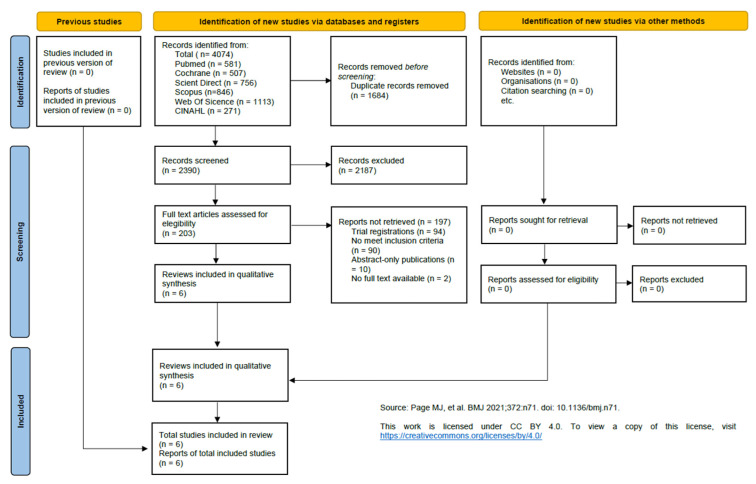 Figure 1
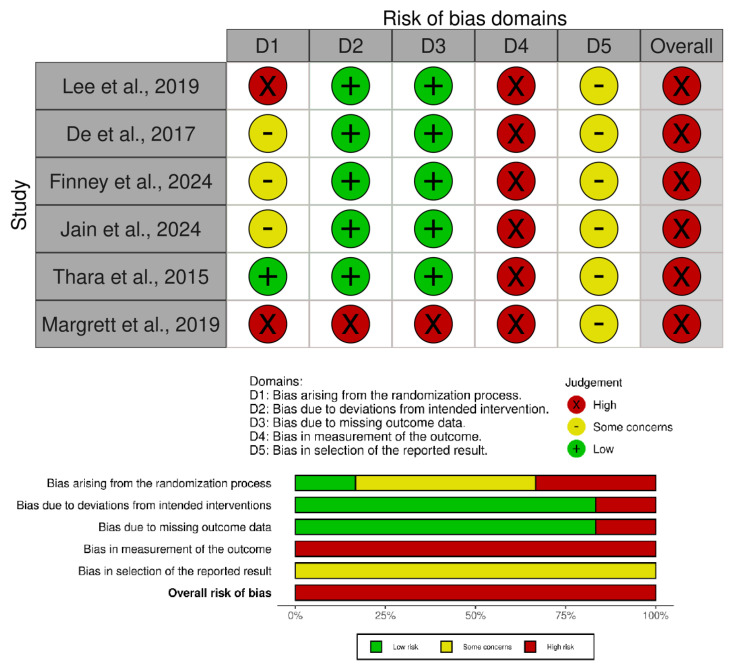 Figure 2
Peer Reviews
No public reviews on file for this paper yet. If you reviewed it on a platform where reviews are public (OpenReview, ICLR, NeurIPS, ICML), you can paste yours below so the community can read it here.
Videos
No videos yet. Explain this paper in a talk, walkthrough, or lecture? Add one.
Taxonomy
TopicsStroke Rehabilitation and Recovery · Sport Psychology and Performance · Traumatic Brain Injury Research