Endoscopic Ear Surgery: Minimally Invasive, Maximum Views
Gerard P. Sexton, Ivan J. Keogh

TL;DR
Endoscopic ear surgery offers a less invasive way to perform ear operations with better visibility and improved patient results.
Contribution
The paper highlights the emergence and benefits of endoscopic techniques in modern ear surgery.
Findings
Endoscopic ear surgery provides enhanced visualization during procedures.
EES improves patient outcomes compared to traditional methods.
The technique represents a shift toward minimally invasive approaches in otology.
Abstract
Ear surgery has historically been performed with a microscope, an approach which often requires a post-auricular incision and represents a relatively invasive form of access to the middle ear. Over the past three decades, the advent of endoscopic techniques has allowed for a minimally invasive alternative. Endoscopic ear surgery (EES) has emerged as an innovative approach in otology, transforming the way surgeons address ear disorders and improving patient outcomes. EES provides enhanced visualization and exceptional precision during otologic procedures. This article examines the technical aspects of EES, its impact on contemporary otology practice, and the future direction of this technology.
Genes, proteins, chemicals, diseases, species, mutations and cell lines named across the full text — each resolved to its canonical identifier and authoritative record.
Click any figure to enlarge with its caption.
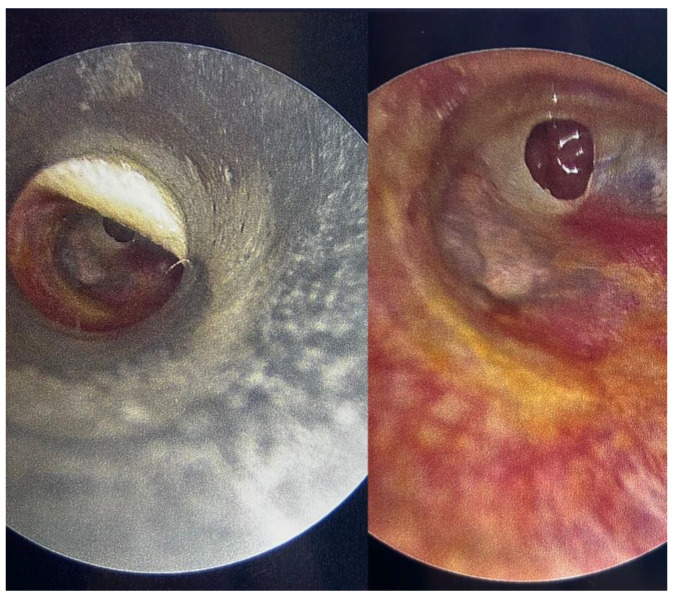 Figure 1
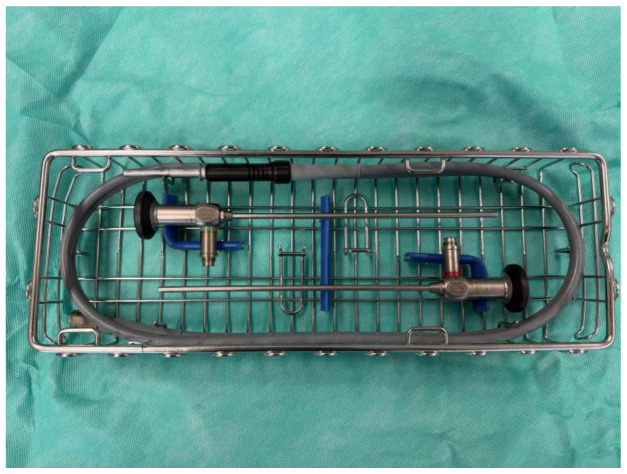 Figure 2
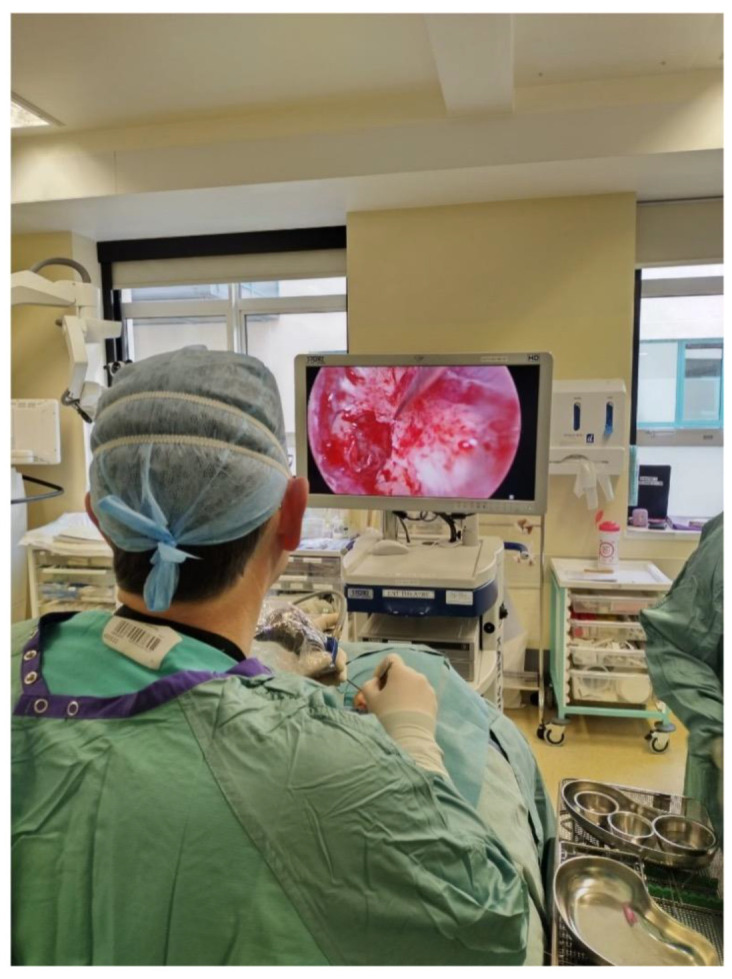 Figure 3
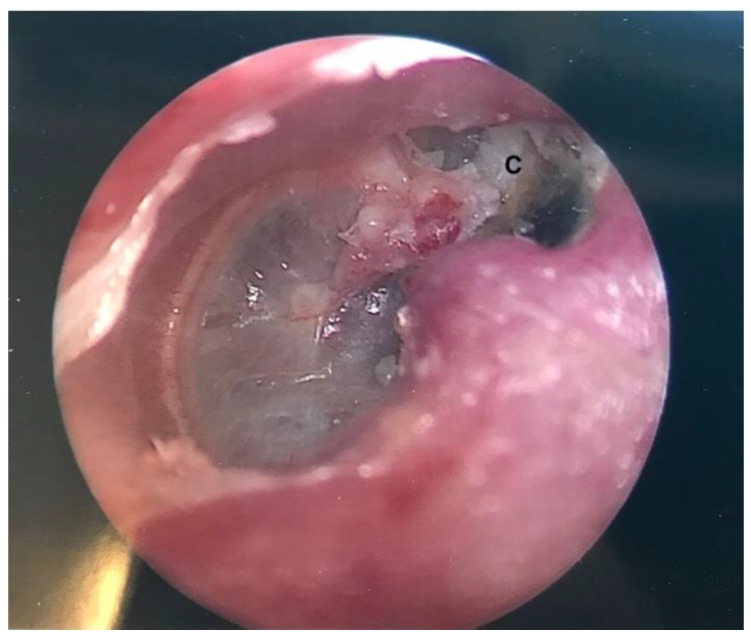 Figure 4
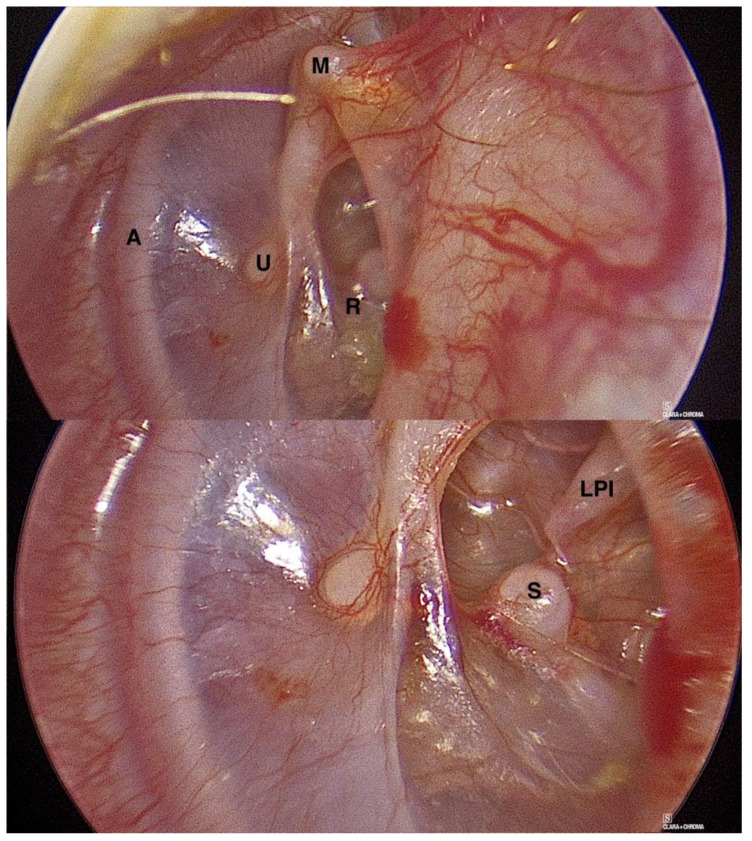 Figure 5
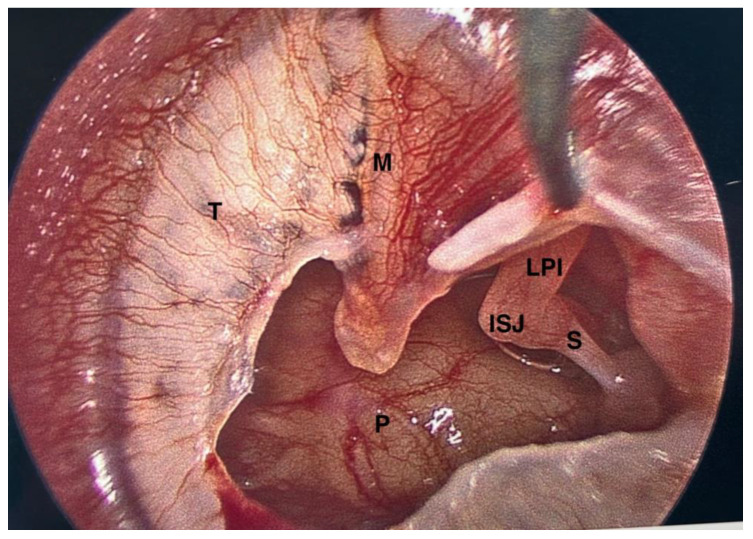 Figure 6
Peer Reviews
No public reviews on file for this paper yet. If you reviewed it on a platform where reviews are public (OpenReview, ICLR, NeurIPS, ICML), you can paste yours below so the community can read it here.
Videos
No videos yet. Explain this paper in a talk, walkthrough, or lecture? Add one.
Taxonomy
TopicsEar Surgery and Otitis Media · Reconstructive Facial Surgery Techniques · Sinusitis and nasal conditions