Particularities in Surgical Results Following Obstetrical and Gynecological Surgery Using Pharmacological, Anesthesiological and Genetic Markers
Gabriel Valentin Tănase, Manuela Ciocoiu, Adina Elena Tănase, Ciprian Gavrila Ilea

TL;DR
This study explores how genetic markers, specifically the OPRM1 receptor polymorphism, affect postoperative pain and surgical outcomes in obstetrical and gynecological patients.
Contribution
The study identifies a correlation between the OPRM1 A11G polymorphism and postoperative pain management needs in patients with benign surgical outcomes.
Findings
The OPRM1(+) mutation was more common in patients with benign surgical outcomes, such as uterine myomectomy and mastectomy.
Patients with the OPRM1(+) mutation required higher analgesic doses for postoperative pain control.
The study highlights the role of genetic markers in influencing variability in pain response to opioid therapy.
Abstract
Aim: Finding innovative paraclinical parameters is necessary for advancing clinical research, in obstetrics and gynecology for subjective symptoms such as pain, especially in patients with a weakened immune system, following, for example, different obstetrical and gynecological surgeries. The purpose of this study was to analyze if genetic markers can correlate with the postoperative outcome and surgical results in obstetrics and gynecology. We wanted to analyze whether patients carrying the G gene responsible for the A11G polymorphism of the OPRM1 receptor really have a higher need for analgesic doses for postoperative pain control, depending on the histopathological results, benign or malignant tumors, dimensions of tumors, type of incision performed, and hospitalization period. Materials and Methods: We analyzed 111 patients, including both obstetrical and gynecological cases. Blood…
Genes, proteins, chemicals, diseases, species, mutations and cell lines named across the full text — each resolved to its canonical identifier and authoritative record.
Click any figure to enlarge with its caption.
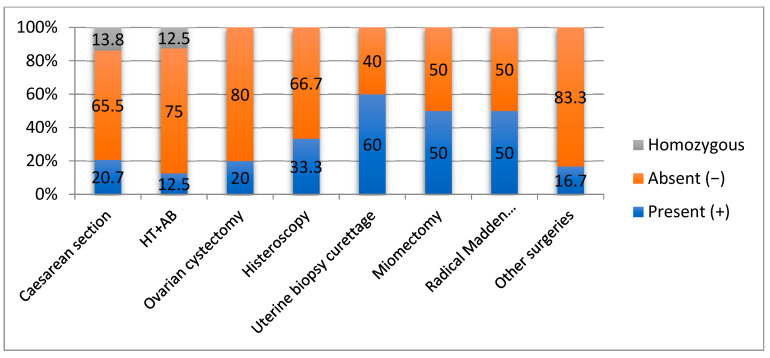 Figure 1
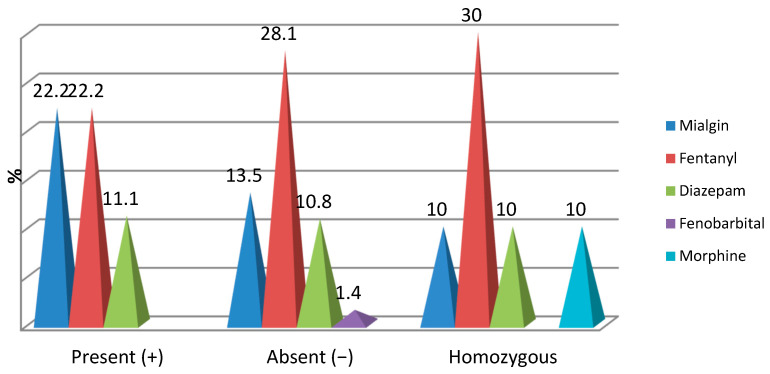 Figure 2
Peer Reviews
No public reviews on file for this paper yet. If you reviewed it on a platform where reviews are public (OpenReview, ICLR, NeurIPS, ICML), you can paste yours below so the community can read it here.
Videos
No videos yet. Explain this paper in a talk, walkthrough, or lecture? Add one.
Taxonomy
TopicsNeuropeptides and Animal Physiology · Cancer, Stress, Anesthesia, and Immune Response · Pain Management and Opioid Use