Mechanism of High-Temperature Thickening Regulation in Amide-Modified Ultra-High-Temperature Polycarboxylate Retarders
Youzhi Zheng, Zhanwu Zhang, Wenzhe Li, Quan Cao, Tianan Deng, Jun Zhao, Yalan Wang, Chao Mei, Rongyao Chen, Mai Xu, Miaomiao Hu, Kunliang Xie

TL;DR
Researchers improved high-temperature cementing by modifying retarders with DMAA, enhancing their performance in extreme conditions.
Contribution
The study introduces DMAA-modified polycarboxylate retarders with enhanced high-temperature performance and explains their regulation mechanism.
Findings
DMAA-modified retarders show superior high-temperature performance with lower dosage.
The coupling of SH5L and Ca2+ delays cement hydration and crystallization.
Polymer chain stretching at high temperatures improves Ca2+ binding and retardation.
Abstract
What are the main findings? The high-temperature retarding effect of retarders was improved by introducing DMAA monomers.The chelation between copolymers and Ca2+ inhibits early hydration and delays hydration time.The stretching of polymer chains at high temperatures enhances their high-temperature performance.The hydrolysis of amide groups in DMAA produces carboxyl groups enhancing the retarding ability. The high-temperature retarding effect of retarders was improved by introducing DMAA monomers. The chelation between copolymers and Ca2+ inhibits early hydration and delays hydration time. The stretching of polymer chains at high temperatures enhances their high-temperature performance. The hydrolysis of amide groups in DMAA produces carboxyl groups enhancing the retarding ability. What are the implications of the main findings? A high-temperature resistant retarder has been…
Genes, proteins, chemicals, diseases, species, mutations and cell lines named across the full text — each resolved to its canonical identifier and authoritative record.
Click any figure to enlarge with its caption.
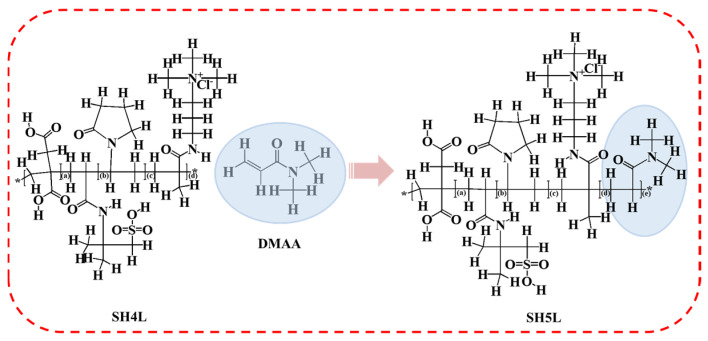 Figure 1
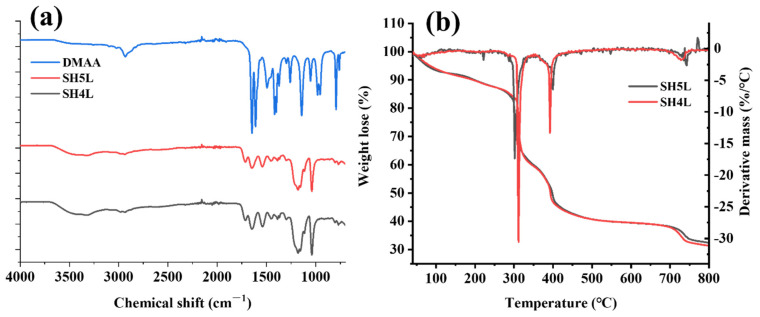 Figure 2
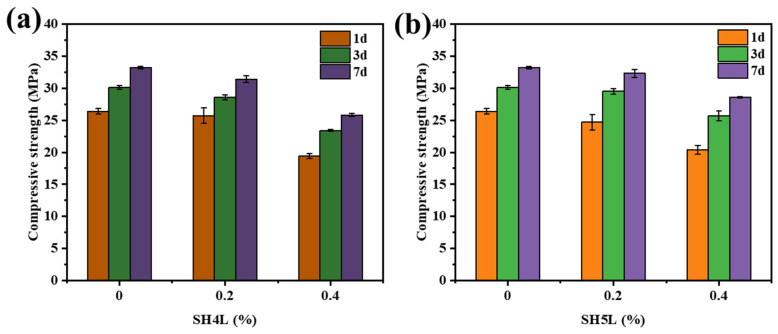 Figure 3
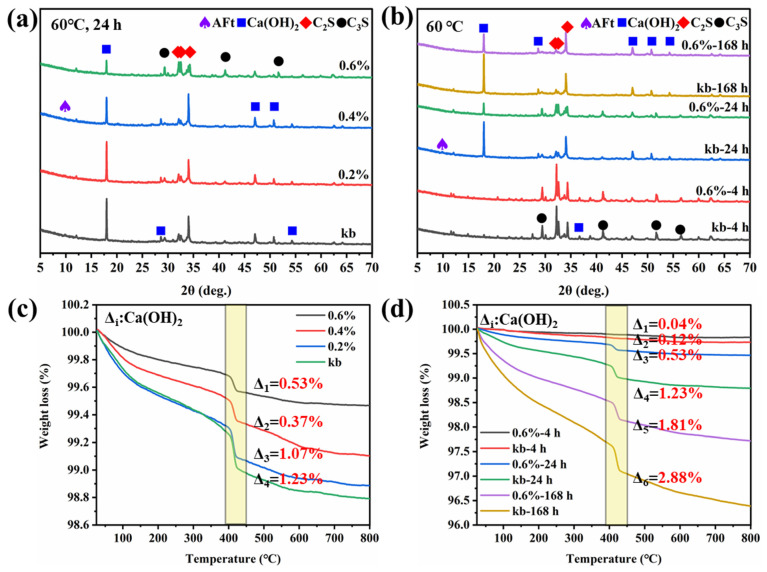 Figure 4
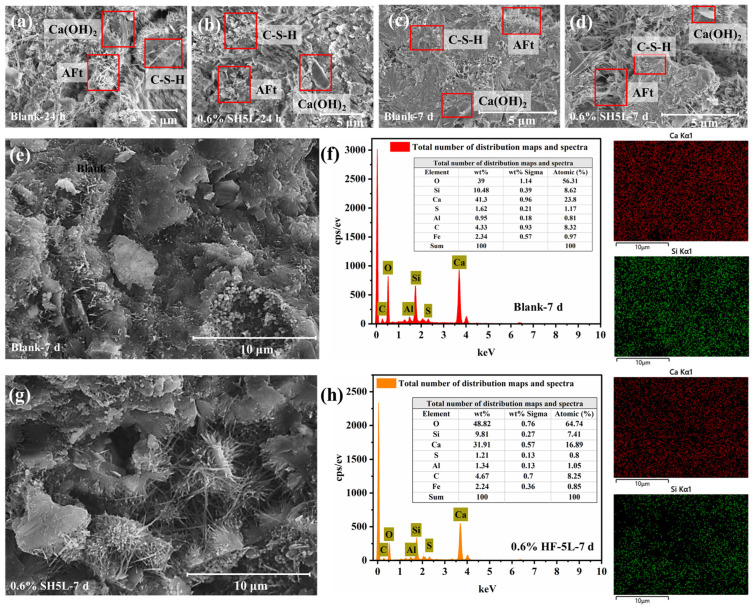 Figure 5
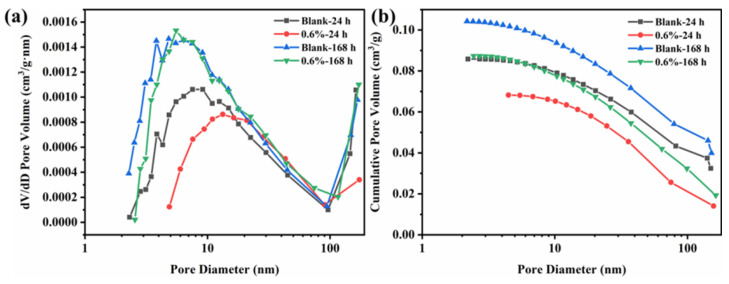 Figure 6
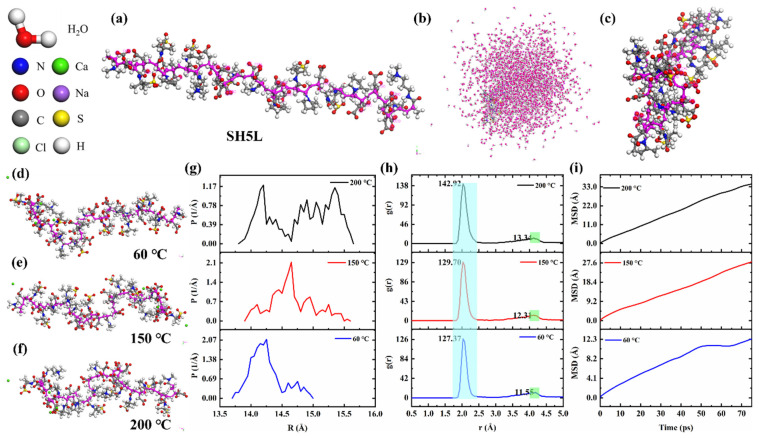 Figure 7
Peer Reviews
No public reviews on file for this paper yet. If you reviewed it on a platform where reviews are public (OpenReview, ICLR, NeurIPS, ICML), you can paste yours below so the community can read it here.
Videos
No videos yet. Explain this paper in a talk, walkthrough, or lecture? Add one.
Taxonomy
TopicsDrilling and Well Engineering · Concrete Properties and Behavior · Concrete and Cement Materials Research