Antimicrobial Activity of Acidifying Hyaluronic Acid–Starch Microfiber Dressings Against Clinical Isolates from Chronic Wounds
Ivana Stará, Petra Moťková, Markéta Vydržalová, Marcela Pejchalová, Ladislav Burgert, Radim Hrdina, Marek Bouška, Martin Adam, Karel Královec, Iveta Brožková

TL;DR
This paper shows that new hyaluronic acid-starch dressings with acidifying agents can fight microbes in chronic wounds and are safe for cells.
Contribution
The novelty is the development of HA–Starch microfiber dressings with acidifying agents that show antimicrobial efficacy against clinical isolates.
Findings
The dressings showed significant antimicrobial activity against multidrug-resistant clinical isolates.
Scanning electron microscopy confirmed uniform microfiber morphology and elemental composition.
Cytotoxicity tests indicated the materials are safe for potential wound care applications.
Abstract
Hyaluronic acid (HA) is a natural biopolymer widely used in wound dressings for its supportive role in the healing process. In this study, we investigated the occurrence of microorganisms in chronic wounds and evaluated the antimicrobial activity of newly synthesized HA–Starch-based materials enriched with acidifying agents. Microbial isolates obtained from chronic wounds were tested for susceptibility using the agar diffusion method. The prepared materials exhibited significant antimicrobial activity against both reference strains and multidrug-resistant clinical isolates. Further characterization by scanning electron microscopy and elemental analysis confirmed uniform microfiber morphology and the expected elemental composition of the fibers. Cytotoxicity assessments performed using the xCELLigence system demonstrated the potential safety of developed materials. Overall, the results…
Genes, proteins, chemicals, diseases, species, mutations and cell lines named across the full text — each resolved to its canonical identifier and authoritative record.
Click any figure to enlarge with its caption.
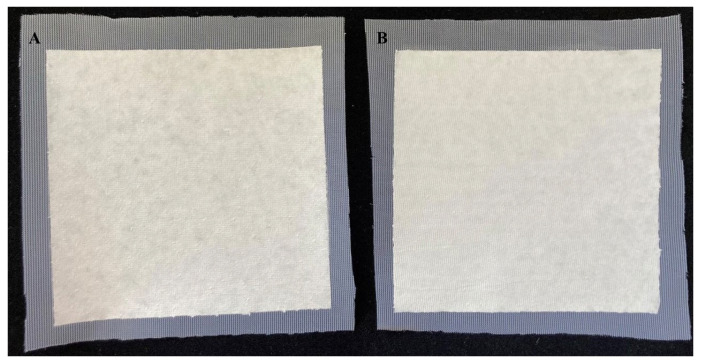 Figure 1
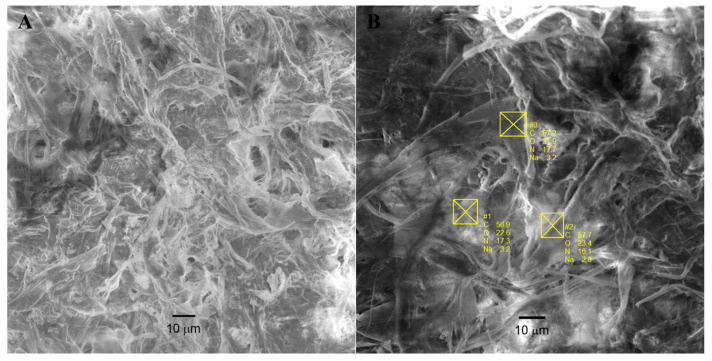 Figure 2
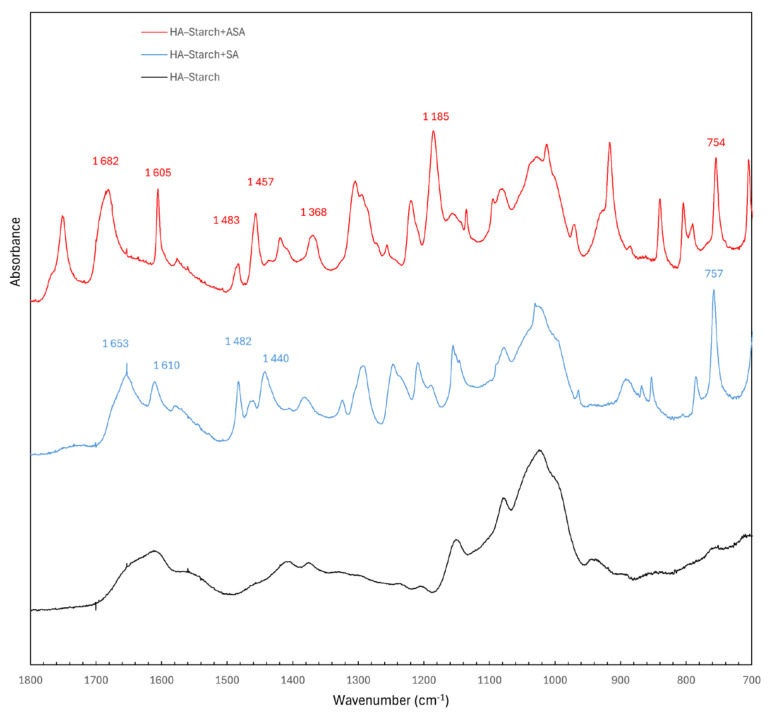 Figure 3
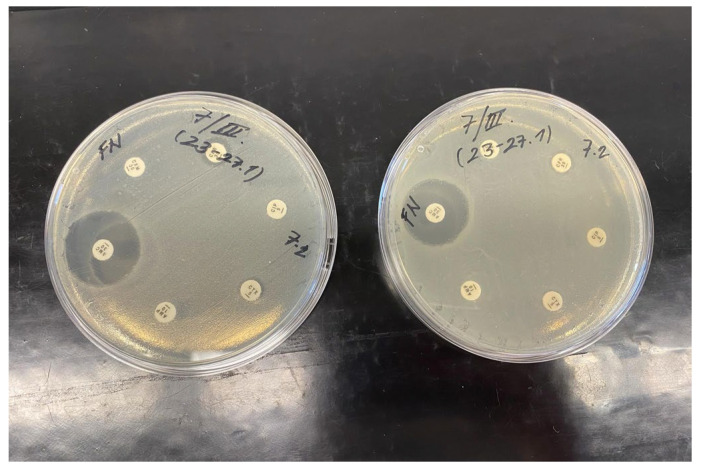 Figure 4
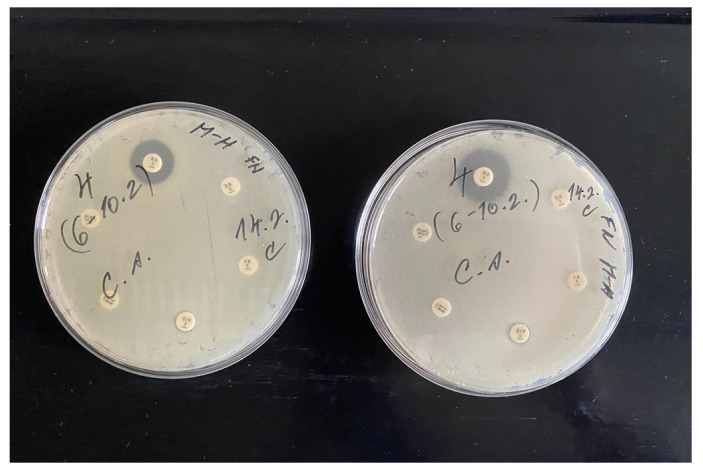 Figure 5
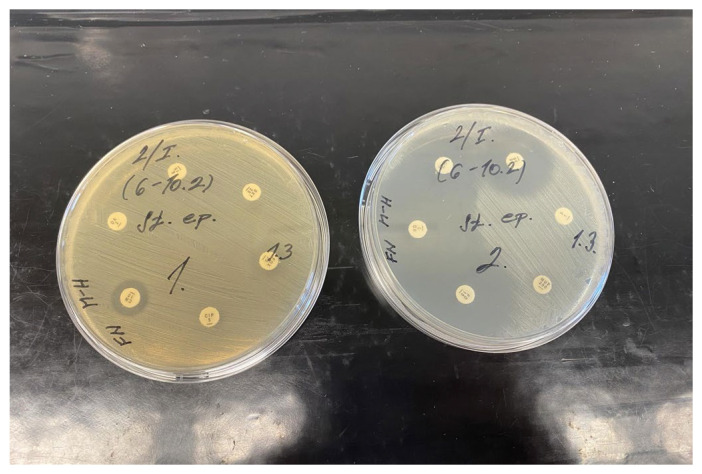 Figure 6
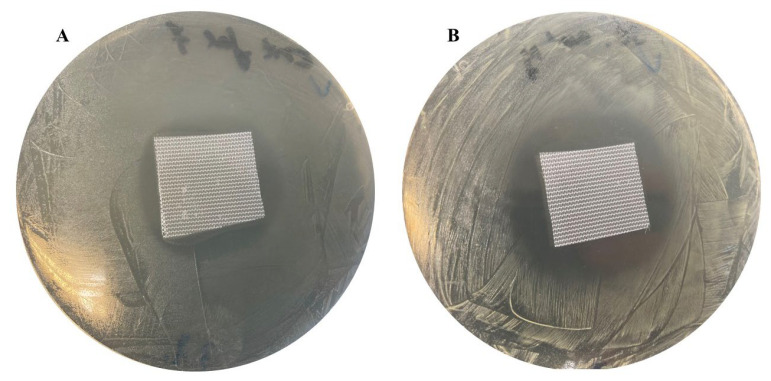 Figure 7
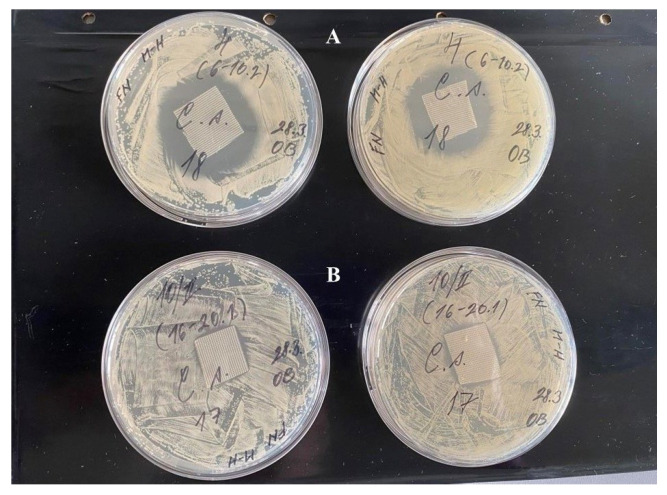 Figure 8
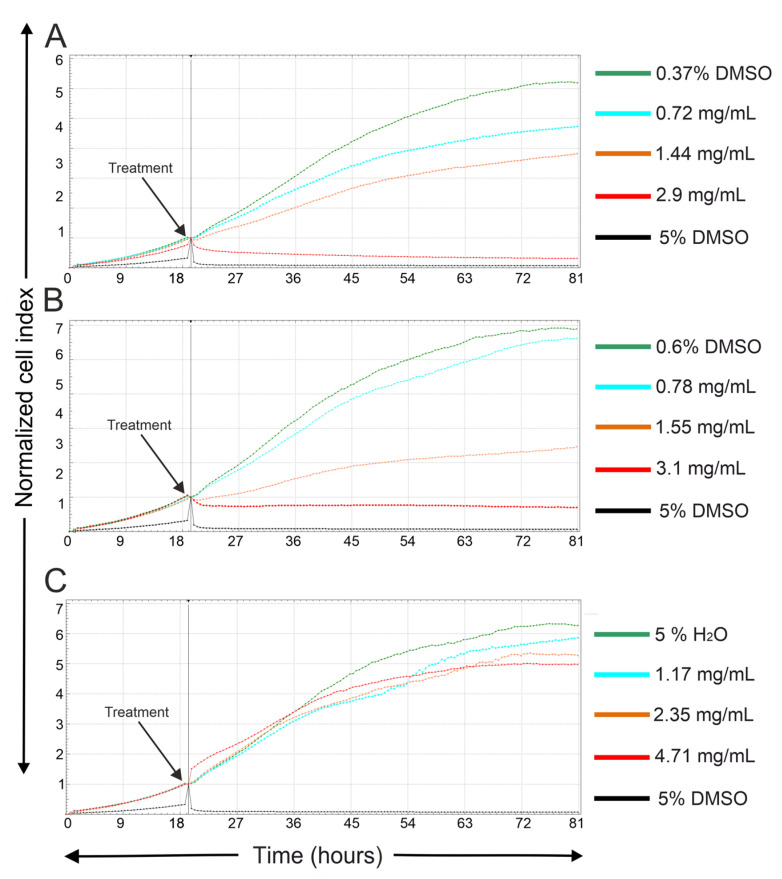 Figure 9
Peer Reviews
No public reviews on file for this paper yet. If you reviewed it on a platform where reviews are public (OpenReview, ICLR, NeurIPS, ICML), you can paste yours below so the community can read it here.
Videos
No videos yet. Explain this paper in a talk, walkthrough, or lecture? Add one.
Taxonomy
TopicsWound Healing and Treatments · Hydrogels: synthesis, properties, applications · Surgical Sutures and Adhesives