A New Generation of Eco-Designed Embolic Agents: Towards Sustainable and Personalized Interventional Radiology
Alexis Ruimy, Thibault Agripnidis, Julien Panneau, Johanna Nguyen, Farouk Tradi, Thierry Marx, Raphaël Haumont, Pauline Brige, Benjamin Guillet, Vincent Vidal

TL;DR
This study introduces a new eco-friendly embolic agent that effectively reduces blood loss and stabilizes blood pressure in a pig model of uncontrolled hemorrhage.
Contribution
The paper presents a novel eco-designed agar-based embolization agent with promising hemostatic performance in an acute hemorrhage model.
Findings
ABEA-treated pigs had significantly lower blood loss compared to the control group after 120 minutes.
Mean arterial pressure in treated pigs remained above critical levels, unlike the control group.
The results support the technical feasibility and short-term effectiveness of ABEA in acute hemorrhage.
Abstract
Background: Embolization is a key therapeutic option in interventional radiology for the management of acute arterial bleeding and solid organ injuries. While various embolic agents exist, there is a persistent clinical need for materials that are not only highly effective but also biocompatible, easy to deliver, and cost-effective. We aim to evaluate a new eco-friendly dry foam agar-based embolization agent (ABEA) in an uncontrolled solid organ hemorrhage model. Material and Methods: Ten pigs underwent a controlled splenic injury. After a 5 min free-bleeding period, five pigs were treated with splenic artery ABEA embolization, while the remaining five received no treatment and served as the control group. Follow-up angiography was performed immediately after embolization and at 5 and 15 min in the treated pigs. Mean arterial pressures and average blood loss volumes were evaluated for…
Genes, proteins, chemicals, diseases, species, mutations and cell lines named across the full text — each resolved to its canonical identifier and authoritative record.
Click any figure to enlarge with its caption.
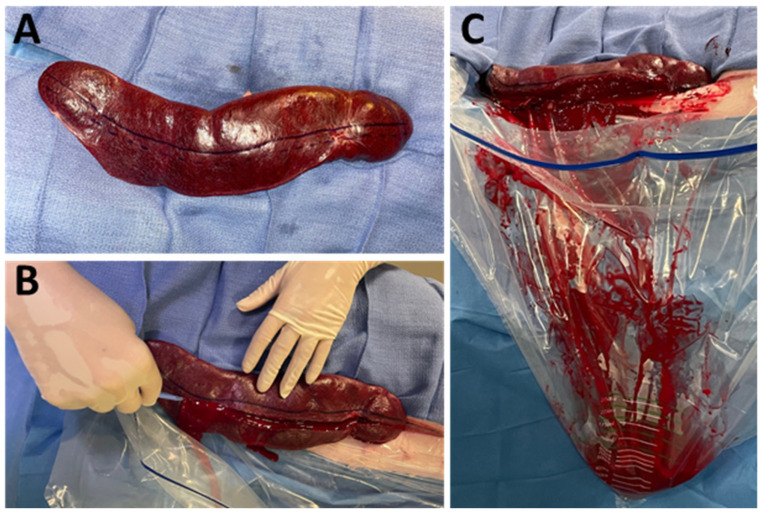 Figure 1
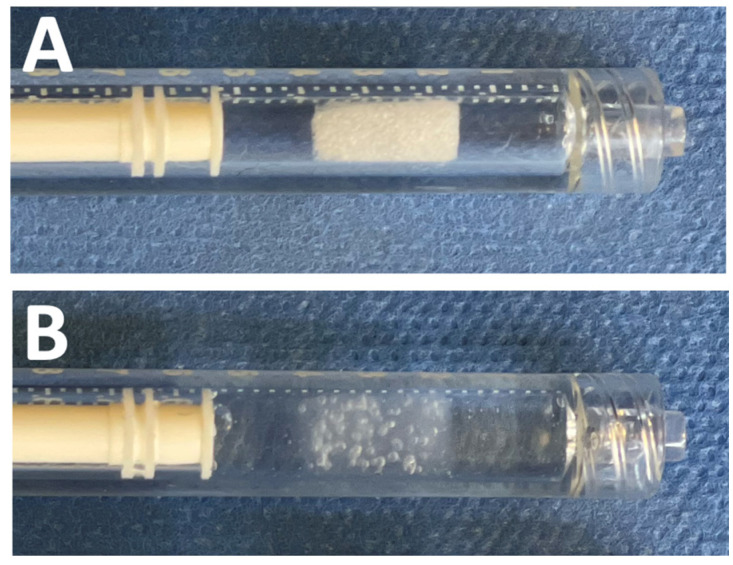 Figure 2
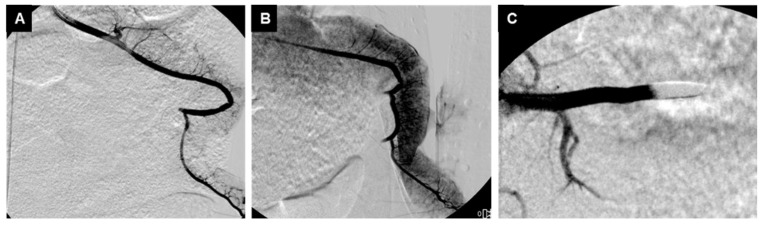 Figure 3
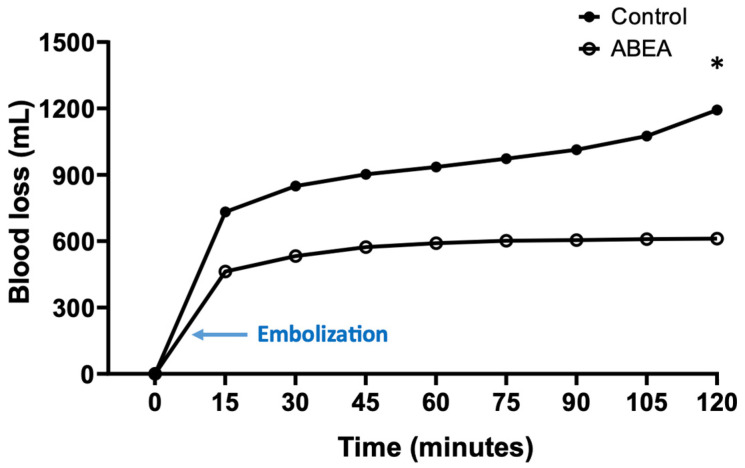 Figure 4
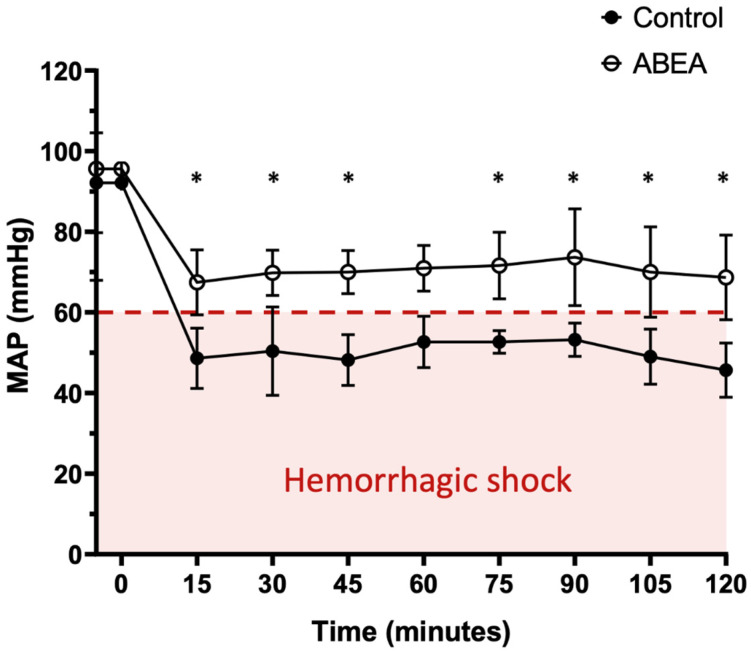 Figure 5
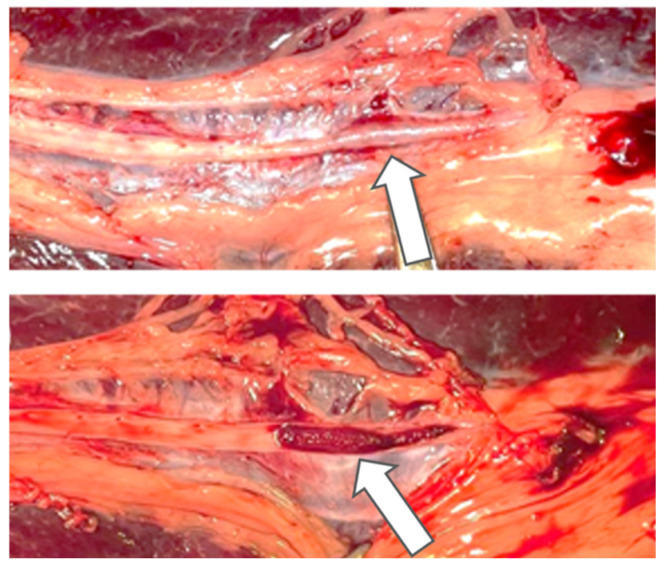 Figure 6
Peer Reviews
No public reviews on file for this paper yet. If you reviewed it on a platform where reviews are public (OpenReview, ICLR, NeurIPS, ICML), you can paste yours below so the community can read it here.
Videos
No videos yet. Explain this paper in a talk, walkthrough, or lecture? Add one.
Taxonomy
TopicsHemostasis and retained surgical items · Vascular Anomalies and Treatments · Vascular Malformations Diagnosis and Treatment