Effects of Dexmedetomidine Treatment After Cerebral Ischemia/Reperfusion on Apoptosis and Oxidative Stress: A Rat Model
Mahir Kuyumcu, Eda Yıldızhan

TL;DR
This study shows that dexmedetomidine reduces brain damage in rats after ischemia/reperfusion by lowering oxidative stress and apoptosis.
Contribution
The study demonstrates the neuroprotective effects of dexmedetomidine in a rat model of cerebral IR injury through oxidative stress and apoptotic modulation.
Findings
Dex treatment improved antioxidant capacity and reduced oxidative stress markers in IR-injured rats.
Dex attenuated neuronal damage and preserved ultrastructure following cerebral IR injury.
Dex modulated Bax, Bcl-2, and APAF-1 expression toward control levels in IR-injured rats.
Abstract
Objectives: Cerebral ischemia/reperfusion (IR) injury is characterized by excessive oxidative stress and activation of apoptotic pathways, which play a central role in neuronal loss and poor neurological outcomes. Modulation of these mechanisms represents a clinically relevant strategy for neuroprotection. This study aimed to investigate the neuroprotective effects of dexmedetomidine (Dex) on oxidative stress, apoptotic signaling, and neuronal integrity in an experimental rat model of cerebral IR injury. Materials and Methods: Female Wistar rats were assigned to control, IR, and IR+Dex groups. Transient cerebral ischemia was induced for 45 min followed by 2 h of reperfusion. Oxidative stress was evaluated using serum antioxidant enzyme activities (superoxide dismutase [SOD], catalase [CAT], glutathione peroxidase [GSH-Px]), total oxidant and antioxidant status (TOS, TAS), and lipid…
Genes, proteins, chemicals, diseases, species, mutations and cell lines named across the full text — each resolved to its canonical identifier and authoritative record.
Click any figure to enlarge with its caption.
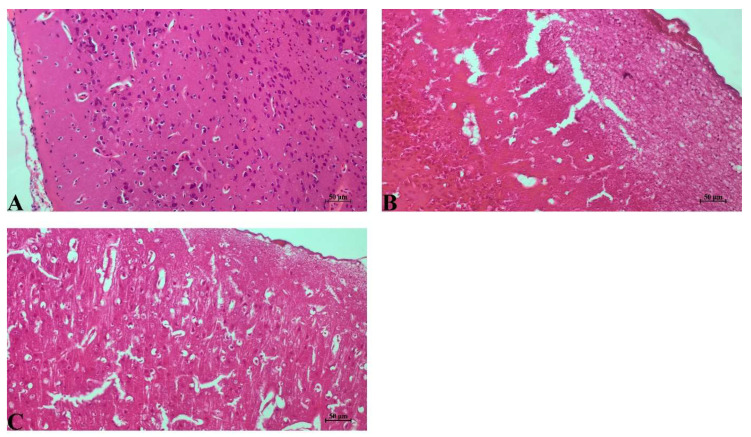 Figure 1
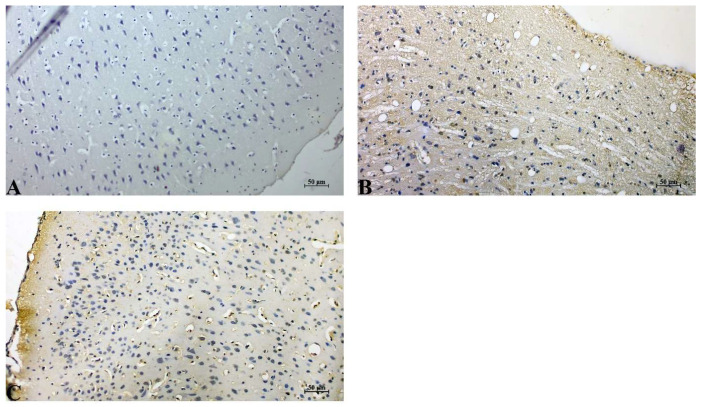 Figure 2
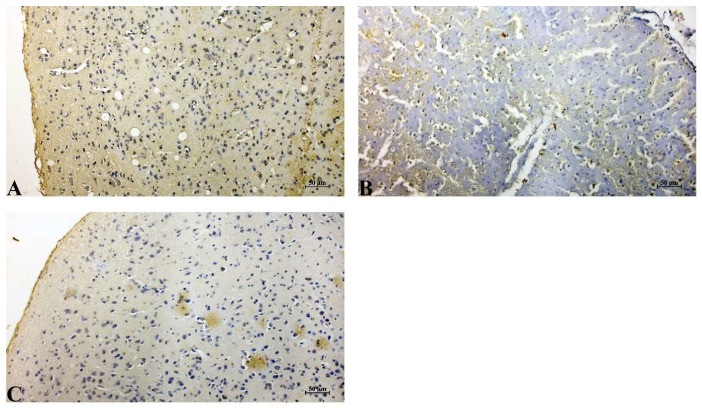 Figure 3
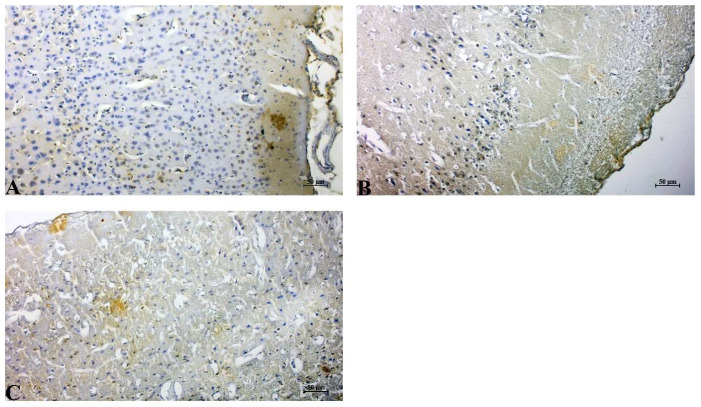 Figure 4
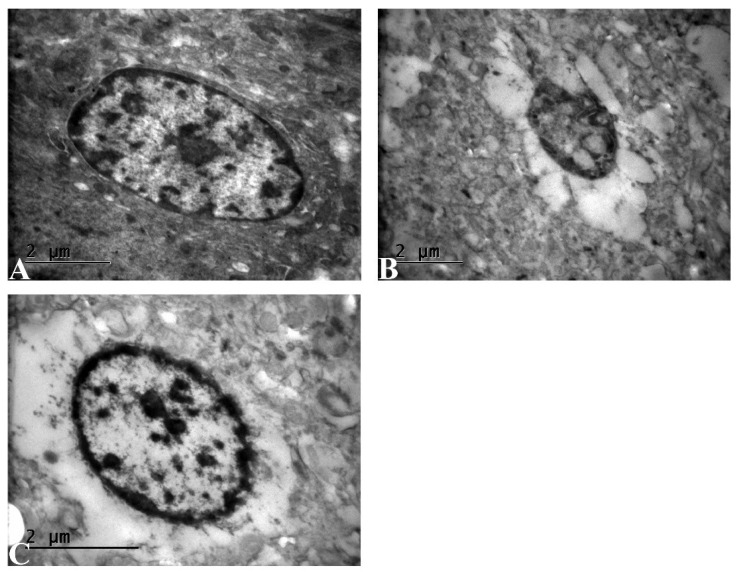 Figure 5
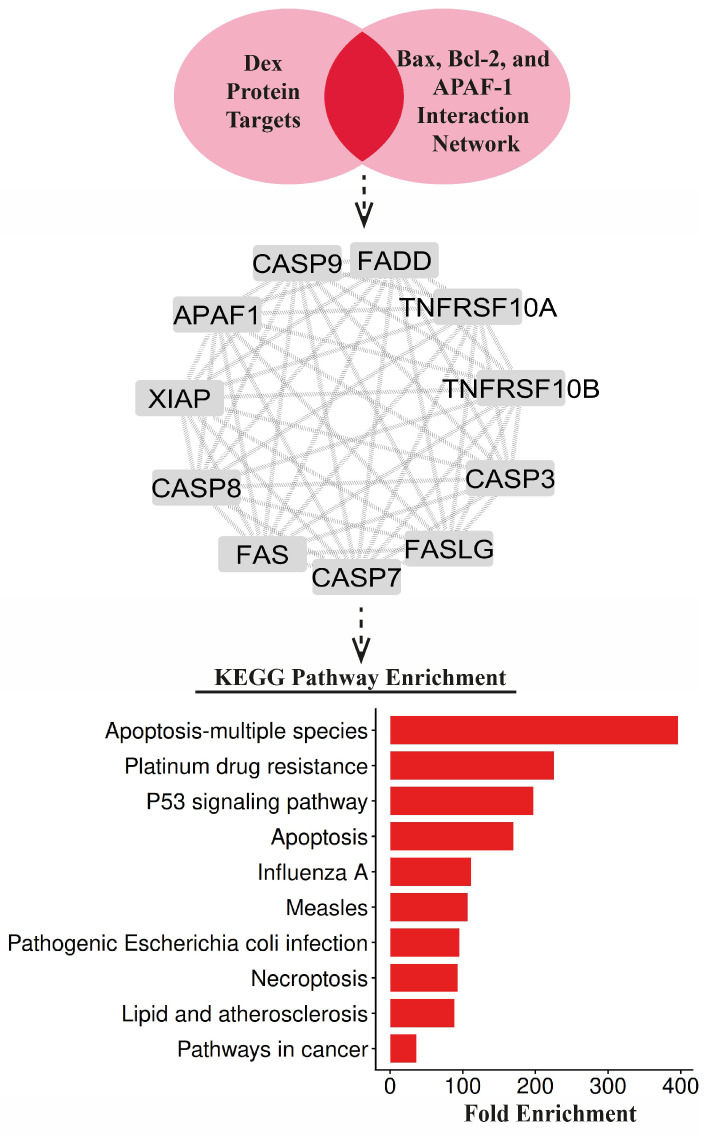 Figure 6
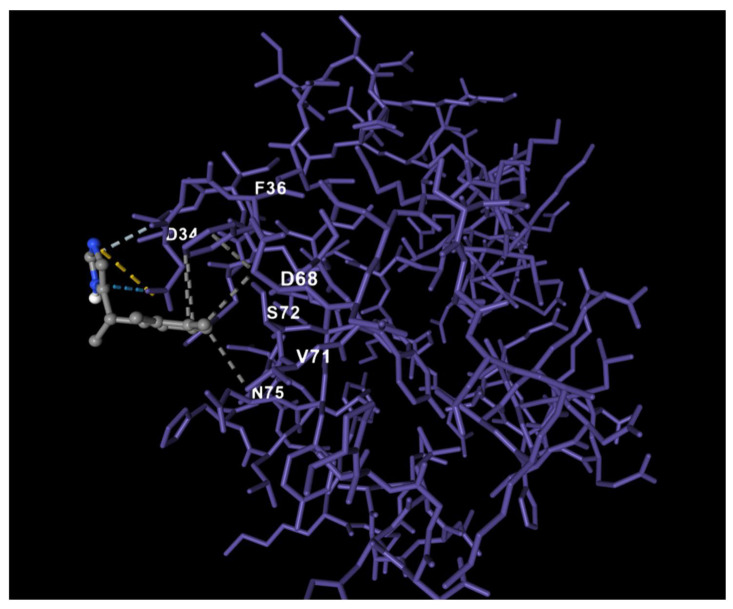 Figure 7
Peer Reviews
No public reviews on file for this paper yet. If you reviewed it on a platform where reviews are public (OpenReview, ICLR, NeurIPS, ICML), you can paste yours below so the community can read it here.
Videos
No videos yet. Explain this paper in a talk, walkthrough, or lecture? Add one.
Taxonomy
TopicsNeurological Disease Mechanisms and Treatments · Neuroinflammation and Neurodegeneration Mechanisms · Anesthesia and Neurotoxicity Research