Demographic Mix of Care Homes and Personalised Use of SGLT-2 Inhibitors and GLP-1RAs in Residents with Type 2 Diabetes Mellitus
Alan J. Sinclair, Fiza Waseem, Ahmed H. Abdelhafiz

TL;DR
This paper explores how SGLT-2 inhibitors and GLP-1RAs can be personalized for older care home residents with diabetes based on their body composition and health status.
Contribution
The paper proposes a personalized approach to using SGLT-2 inhibitors and GLP-1RAs in care home residents with diabetes, considering their demographic and health heterogeneity.
Findings
SGLT-2 inhibitors and GLP-1RAs have low hypoglycaemia risk and cardiovascular benefits, making them suitable for many care home residents.
Residents with normal or higher body weight may benefit more from these therapies compared to frail or malnourished individuals.
Current guidelines lack personalization and do not clearly define which care home residents are suitable for these therapies.
Abstract
Diabetes prevalence in older people residing in care homes is rising. This cohort of patients is characterised by multiple morbidities, polypharmacy, and frailty. As a result, they are exposed to an increasing burden of hypoglycaemia, which leads to unnecessary hospital visits and negative consequences. In addition, due to their high baseline morbidities, the risk of cardiovascular events increases. The newly introduced therapy of SGLT-2 inhibitors and GLP-1RA has a very low risk of hypoglycaemia and a significant cardiovascular protective effect. This makes it an appealing choice to be used in older people with complex morbidities, such as care home residents. So far, the current use of these agents is suboptimal in these settings because clinicians are cautious of side effects and tolerability, and also, clinical studies have not included this population. Furthermore, the guidelines…
Genes, proteins, chemicals, diseases, species, mutations and cell lines named across the full text — each resolved to its canonical identifier and authoritative record.
Click any figure to enlarge with its caption.
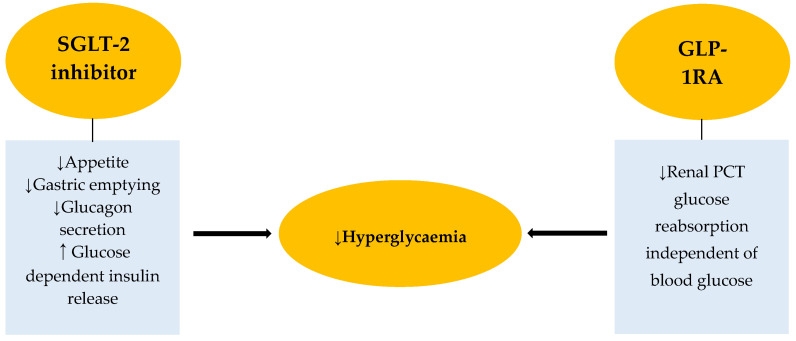 Figure 1
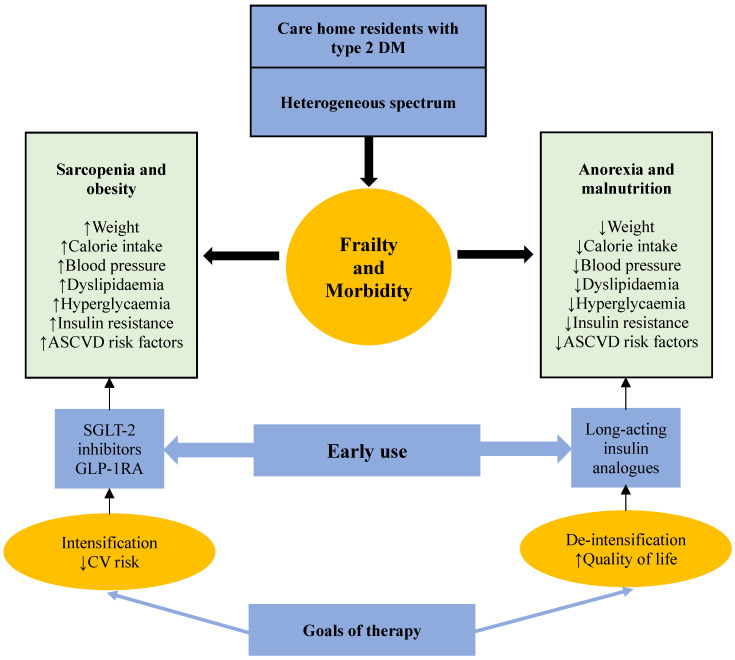 Figure 2
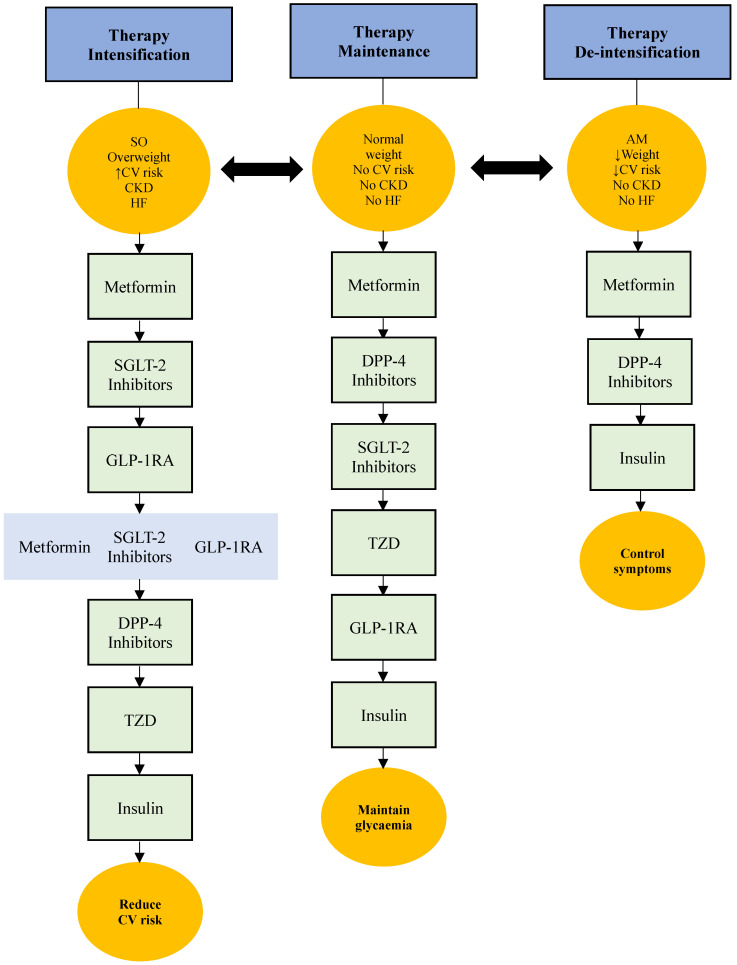 Figure 3
Peer Reviews
No public reviews on file for this paper yet. If you reviewed it on a platform where reviews are public (OpenReview, ICLR, NeurIPS, ICML), you can paste yours below so the community can read it here.
Videos
No videos yet. Explain this paper in a talk, walkthrough, or lecture? Add one.
Taxonomy
TopicsDiabetes Treatment and Management · Diabetes, Cardiovascular Risks, and Lipoproteins · Bariatric Surgery and Outcomes