Evaluation of Serum Endocan and Testosterone Levels in Male Patients with Prediabetes: A Cross-Sectional Clinical Study
Onur Selcuk Yigit, Mehmet Fatih Uzanulu, Selin Genc, Ibrahim Sahin

TL;DR
This study found that men with prediabetes have higher levels of endocan, which may indicate early blood vessel problems, but testosterone levels were not different from healthy men.
Contribution
The study identifies elevated serum endocan as a potential early biomarker for vascular changes in prediabetic men.
Findings
Prediabetic men had significantly higher BMI, glucose, insulin, HbA1c, and endocan levels compared to controls.
No significant difference in testosterone levels was observed between prediabetic and healthy men.
Endocan may reflect early endothelial dysfunction in prediabetes and could be a potential biomarker.
Abstract
Background/Objectives: This study aimed to investigate the relationship between serum endocan and total testosterone levels in male patients with prediabetes. Materials and Methods: This cross-sectional observational study included 37 men with prediabetes and 37 healthy male controls. In addition to routine laboratory tests, blood samples were collected to measure serum endocan levels using the enzyme-linked immunosorbent assay (ELISA), and total testosterone levels were analyzed using a chemiluminescence method. Results: Age did not differ significantly between the groups (p > 0.05). Body mass index (BMI), fasting plasma glucose (FPG), postprandial plasma glucose (PPG), insulin, HbA1c, and serum endocan levels were significantly higher in the prediabetes group (BMI: p = 0.003; FPG: p < 0.001; PPG: p = 0.019; insulin: p = 0.007; HbA1c: p < 0.001; endocan: p = 0.012). No significant…
Genes, proteins, chemicals, diseases, species, mutations and cell lines named across the full text — each resolved to its canonical identifier and authoritative record.
Click any figure to enlarge with its caption.
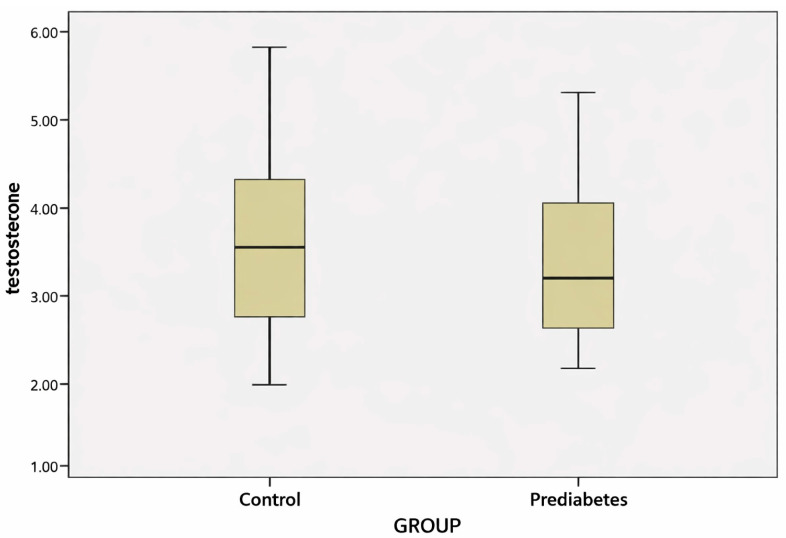 Figure 1
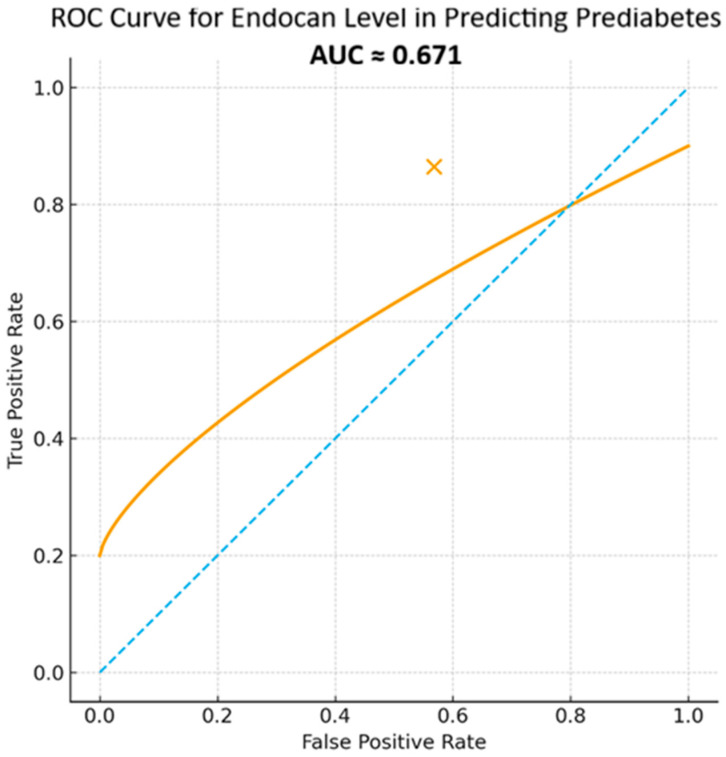 Figure 2
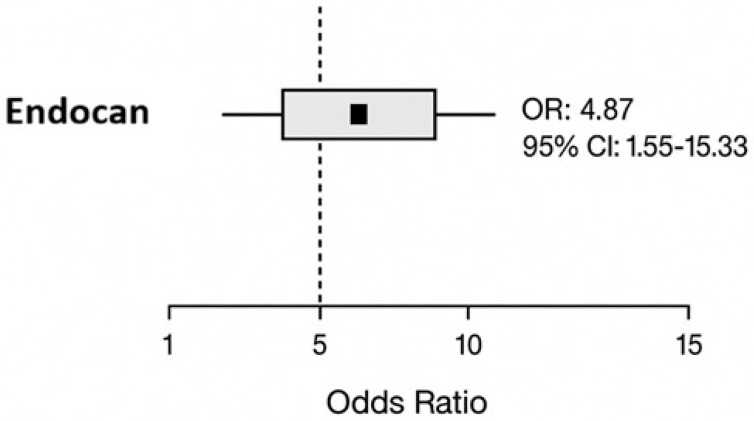 Figure 3
Peer Reviews
No public reviews on file for this paper yet. If you reviewed it on a platform where reviews are public (OpenReview, ICLR, NeurIPS, ICML), you can paste yours below so the community can read it here.
Videos
No videos yet. Explain this paper in a talk, walkthrough, or lecture? Add one.
Taxonomy
TopicsInflammation biomarkers and pathways · Galectins and Cancer Biology · Apelin-related biomedical research