A Novel Machine Learning-Based Strain Capacity Prediction Model of High-Grade Pipeline Girth Welds Using LightGBM
Xiaoben Liu, Yanbing Wang, Yue Yang, Jian Chen, Pengchao Chen, Jiaqing Zhang, Dong Zhang

TL;DR
This paper introduces a machine learning model using LightGBM to accurately predict the strain capacity of high-grade pipeline girth welds.
Contribution
A novel LightGBM-based prediction model for strain capacity of pipeline girth welds with high accuracy is developed.
Findings
Strength matching coefficient, crack depth, and misalignment are the most significant factors affecting crack driving force.
The LightGBM model achieved a prediction accuracy of 6.48% when validated against 18 wide-plate test results.
Tensile strength and outer diameter have relatively minor effects on crack driving force.
Abstract
Currently, the non-uniformity of girth weld positions makes their limit state a crucial determinant of pipeline safety. The design method based on the limit state is pivotal in ensuring the integrity and reliability of the pipeline system. Challenges often emerge when determining the limit states of girth welds using semi-empirical formula methods, primarily due to difficulties in accurately identifying influential factors. The quantitative impact of each influence parameter on the crack driving force and the results determined by the semi-empirical formula remain unclear. This study utilizes numerical simulation methods to systematically analyze the quantitative sensitivity laws of critical factors such as crack depth on the crack driving force to address this challenge. The findings revealed that the strength matching coefficient, crack depth, and misalignment are the most significant…
Genes, proteins, chemicals, diseases, species, mutations and cell lines named across the full text — each resolved to its canonical identifier and authoritative record.
Click any figure to enlarge with its caption.
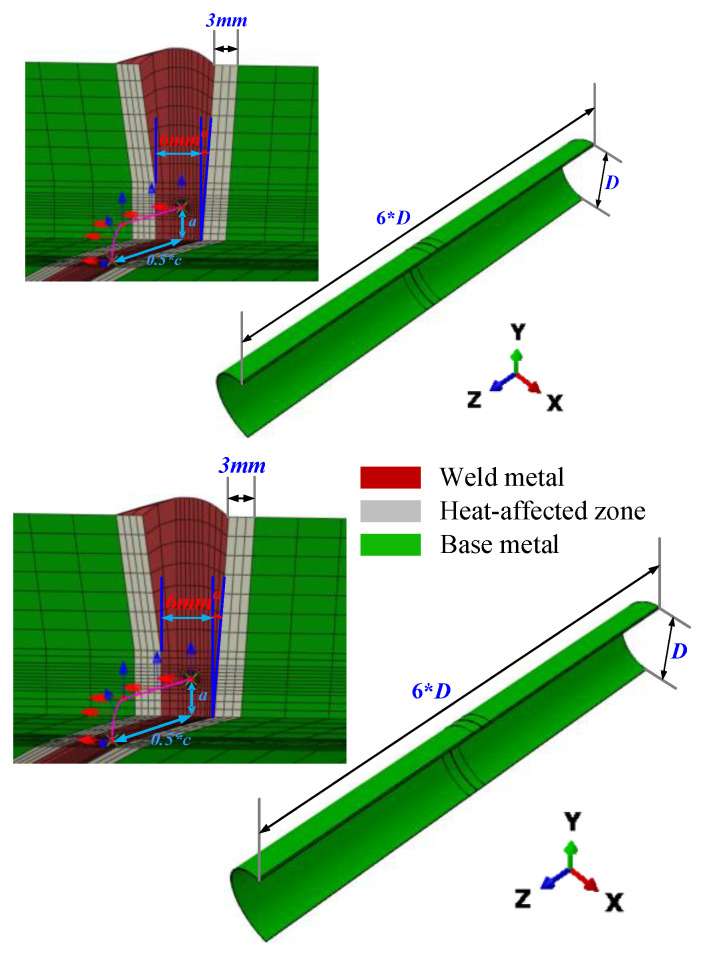 Figure 1
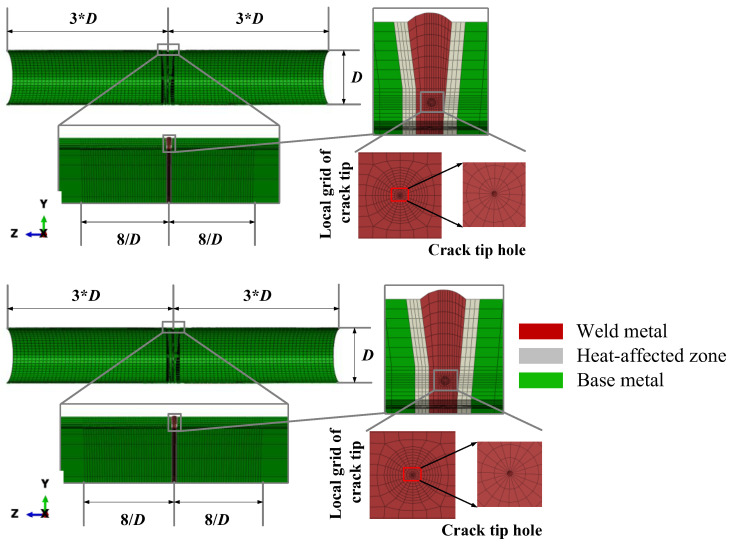 Figure 2
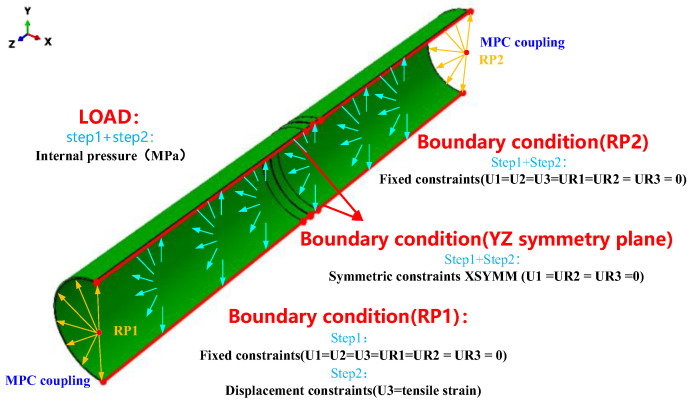 Figure 3
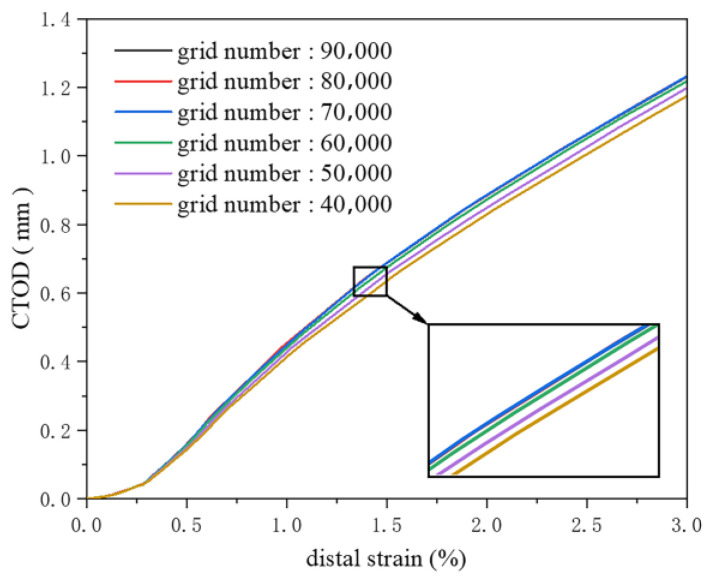 Figure 4
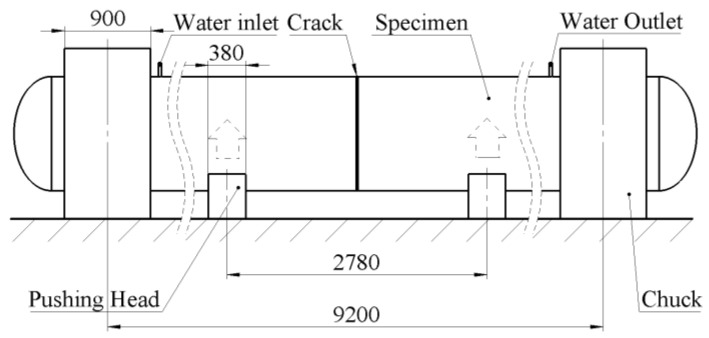 Figure 5
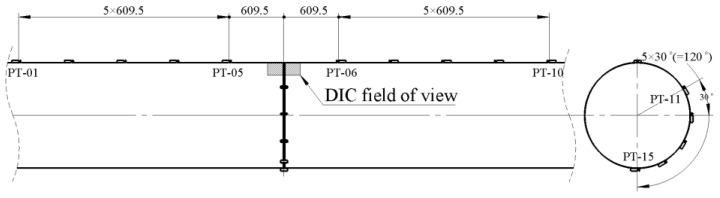 Figure 6
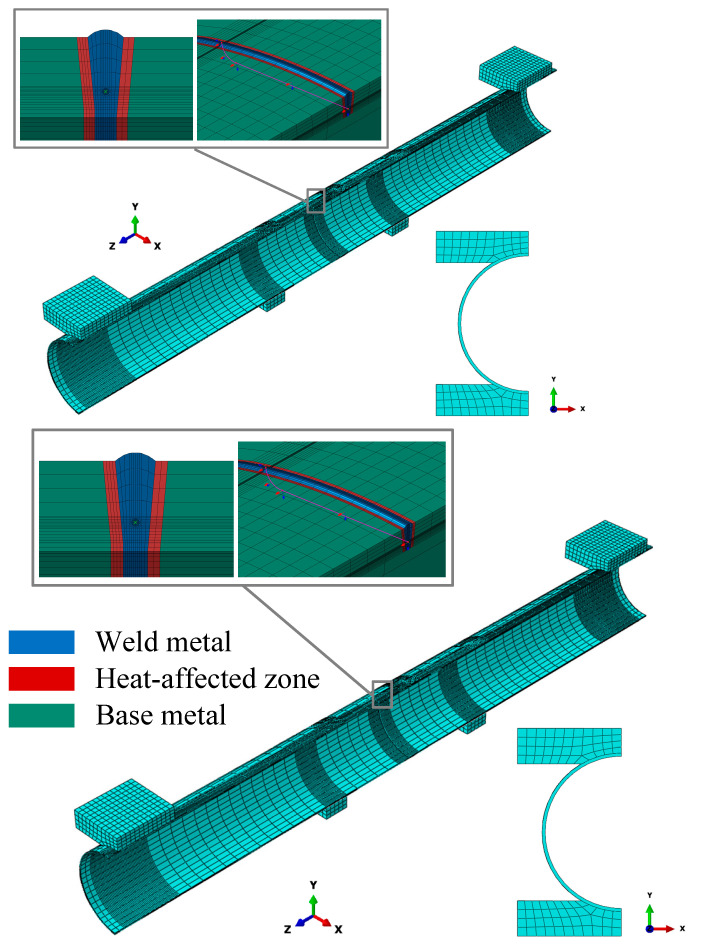 Figure 7
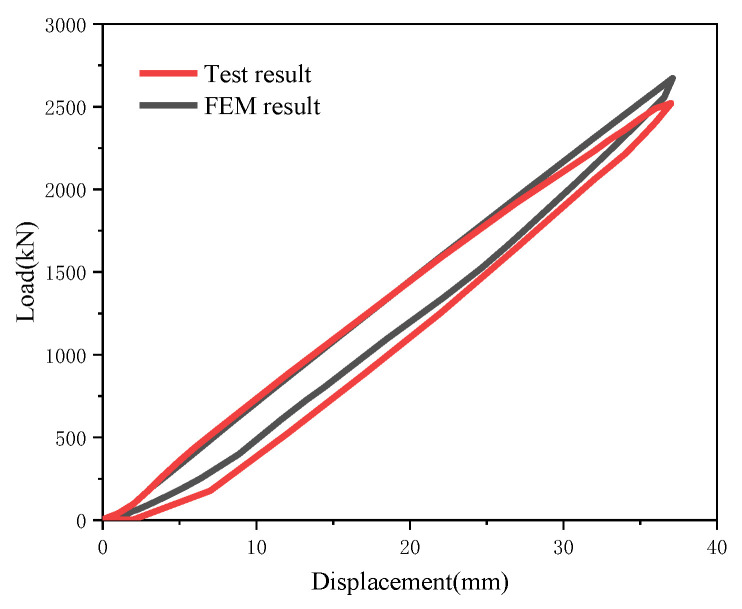 Figure 8
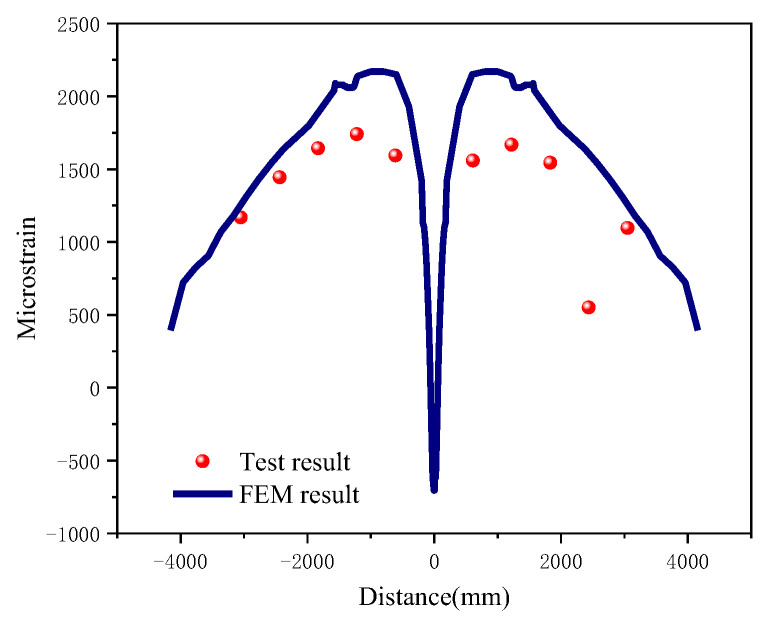 Figure 9
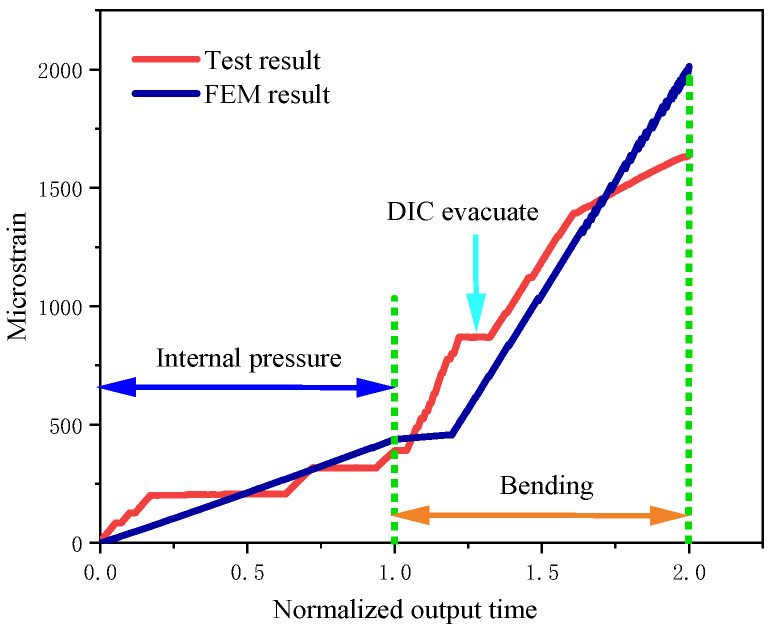 Figure 10
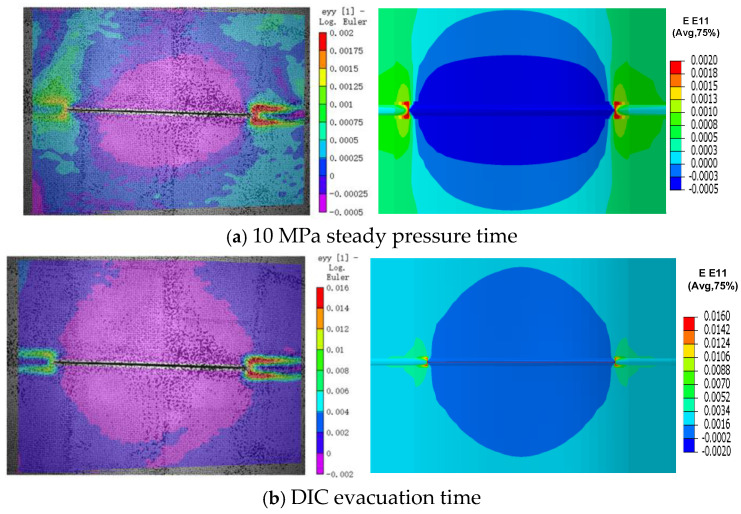 Figure 11
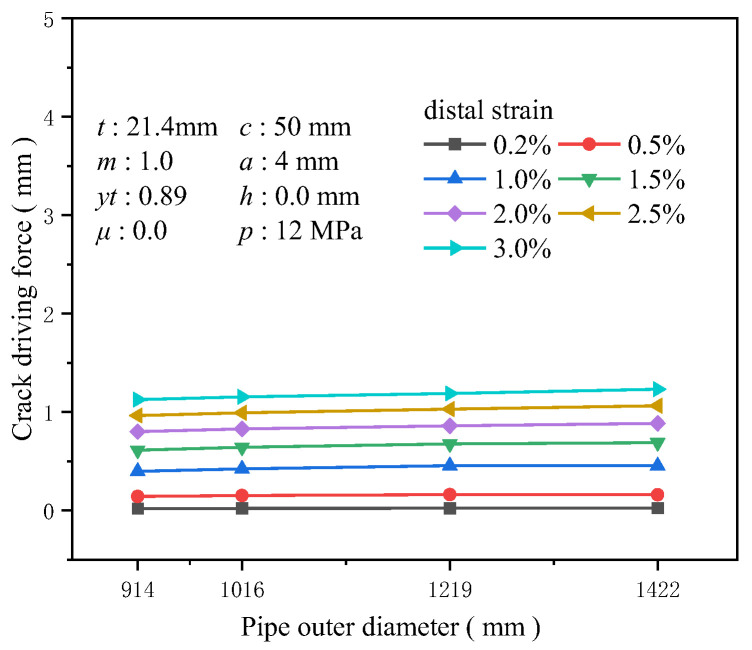 Figure 12
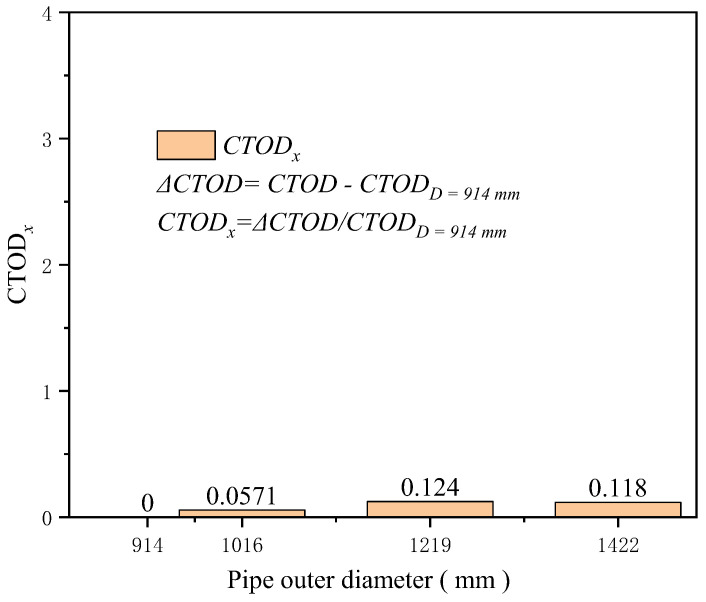 Figure 13
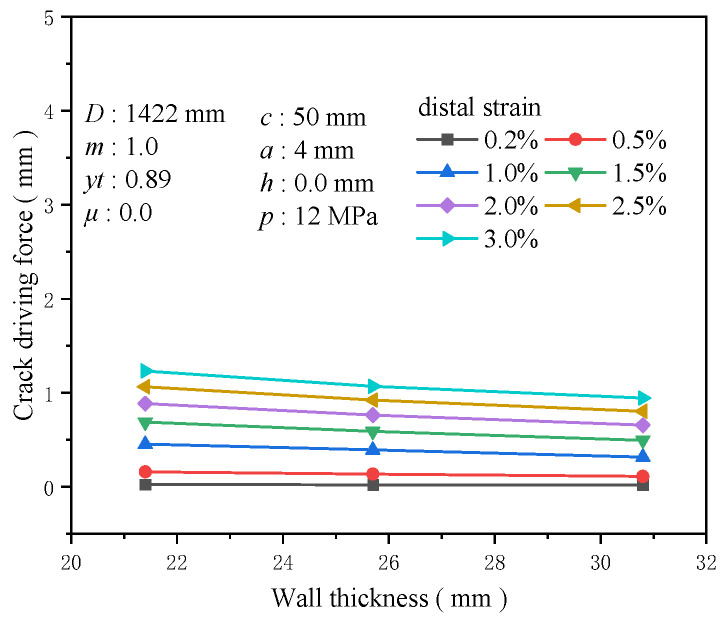 Figure 14
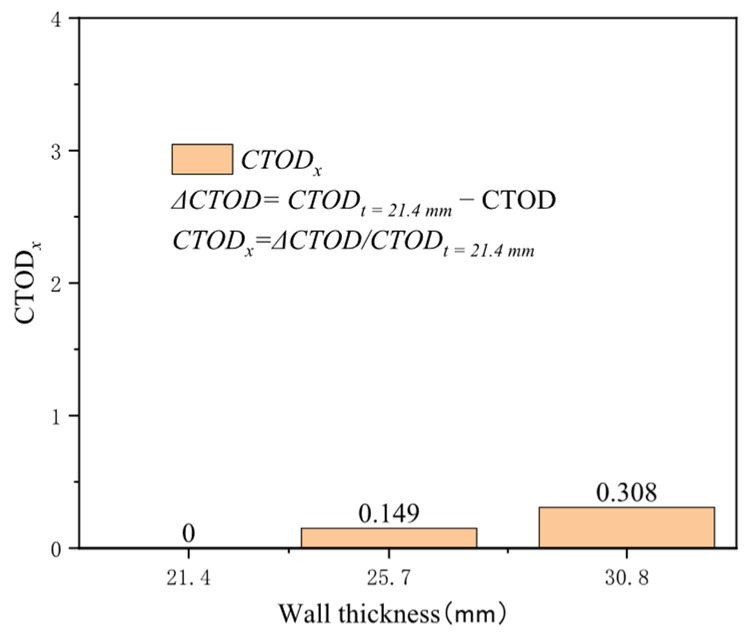 Figure 15
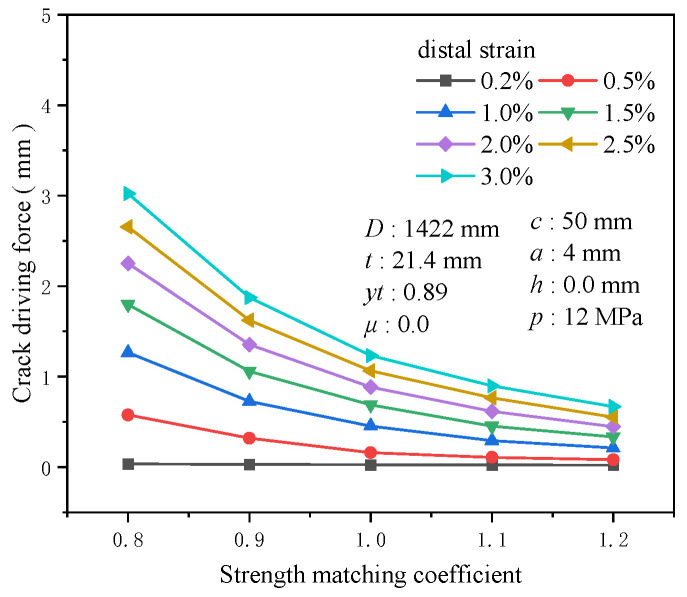 Figure 16
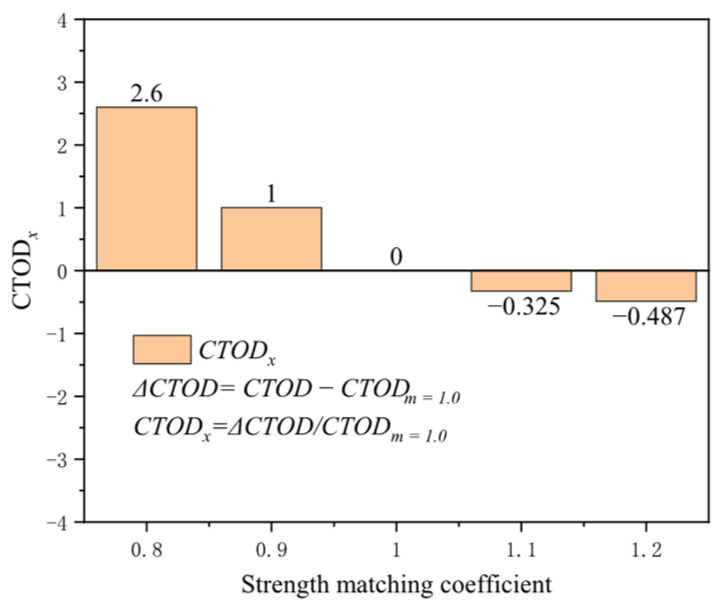 Figure 17
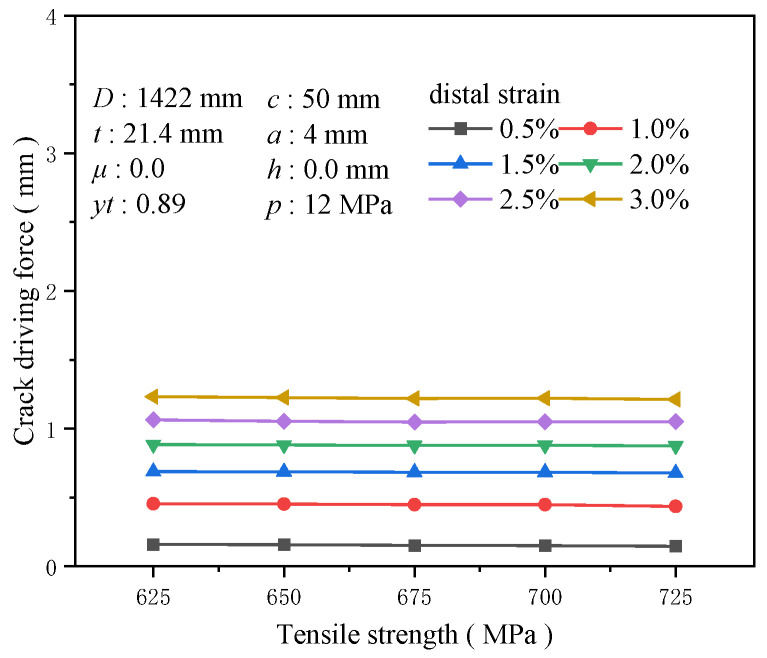 Figure 18
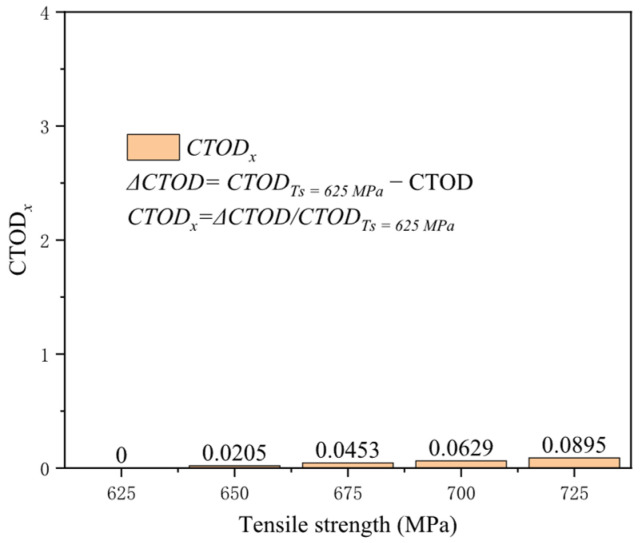 Figure 19
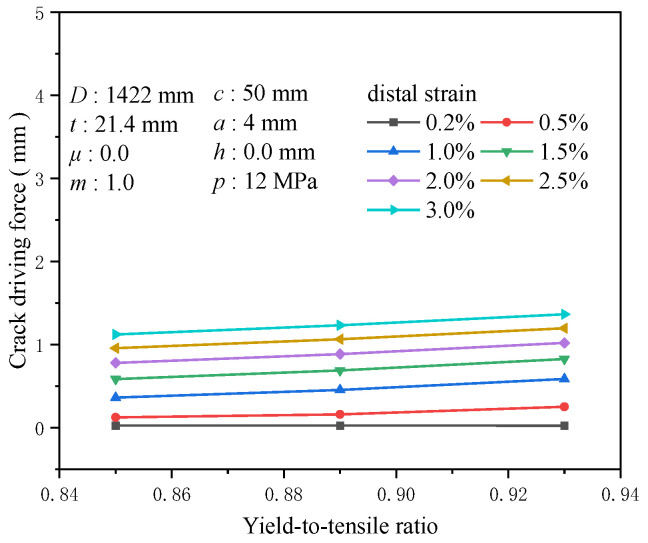 Figure 20
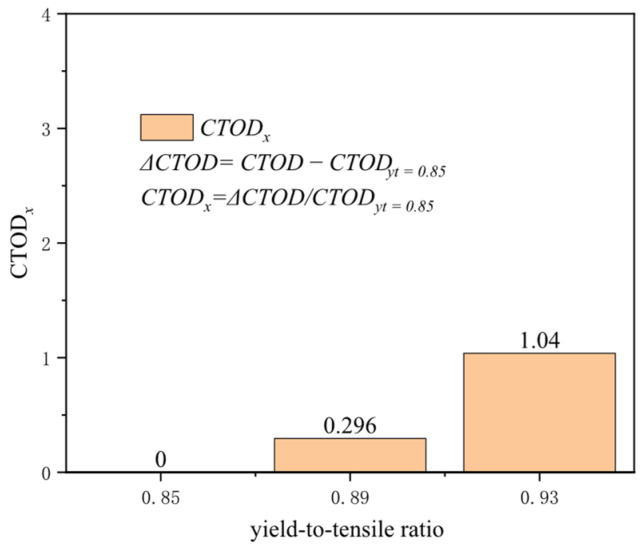 Figure 21
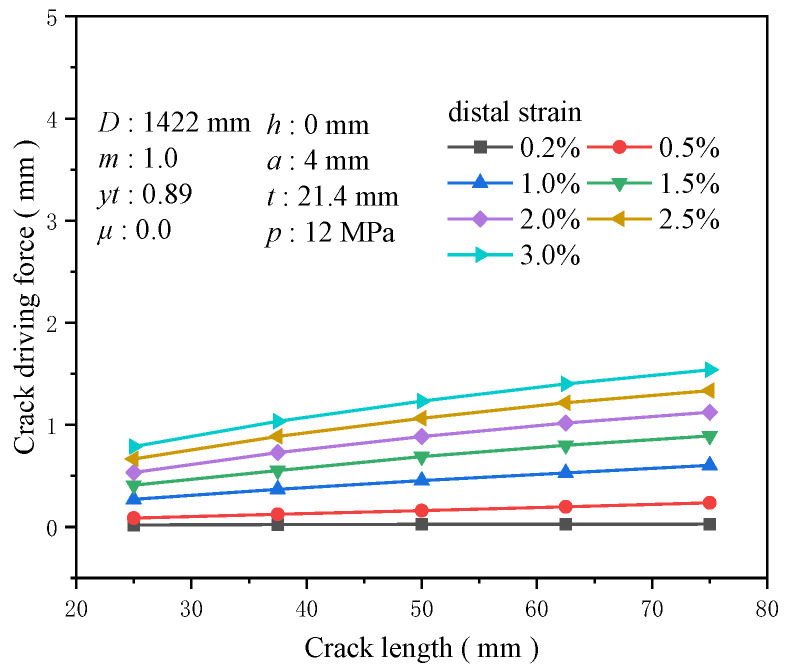 Figure 22
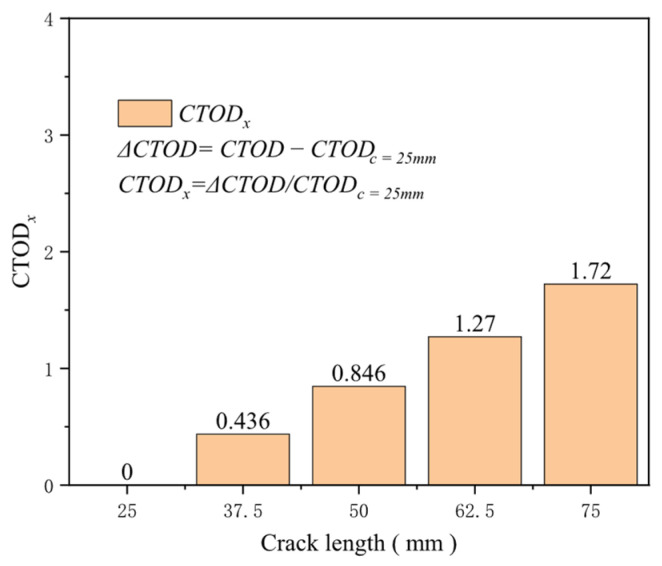 Figure 23
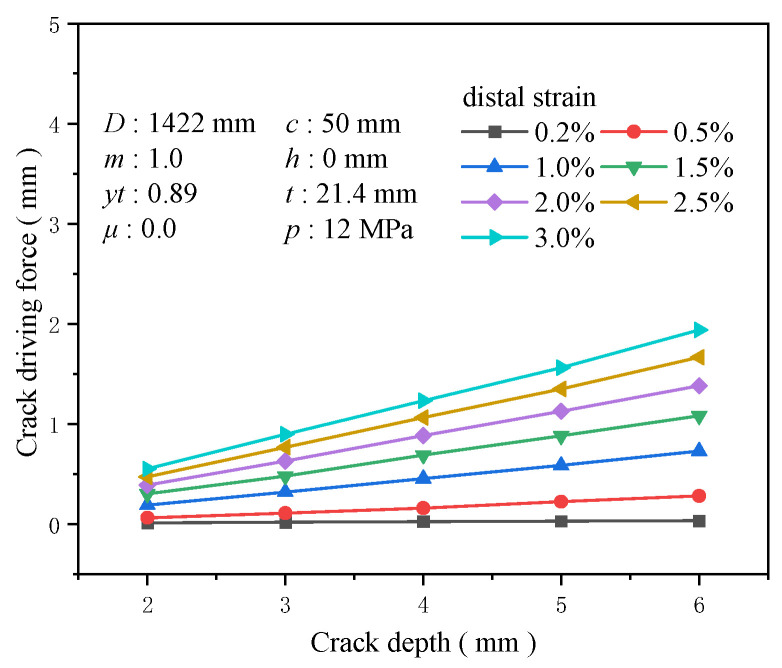 Figure 24
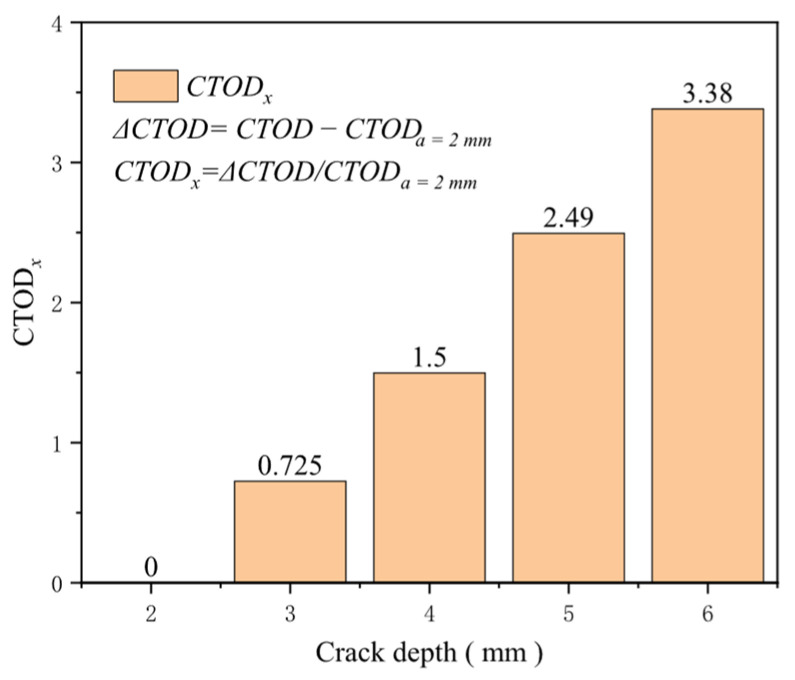 Figure 25
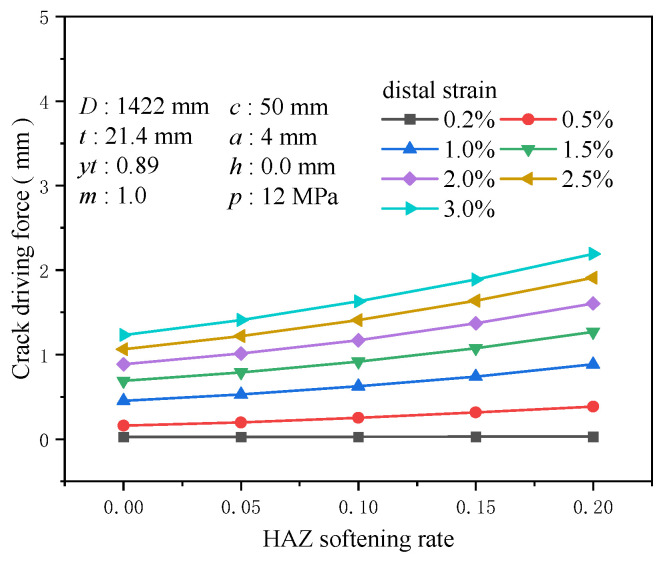 Figure 26
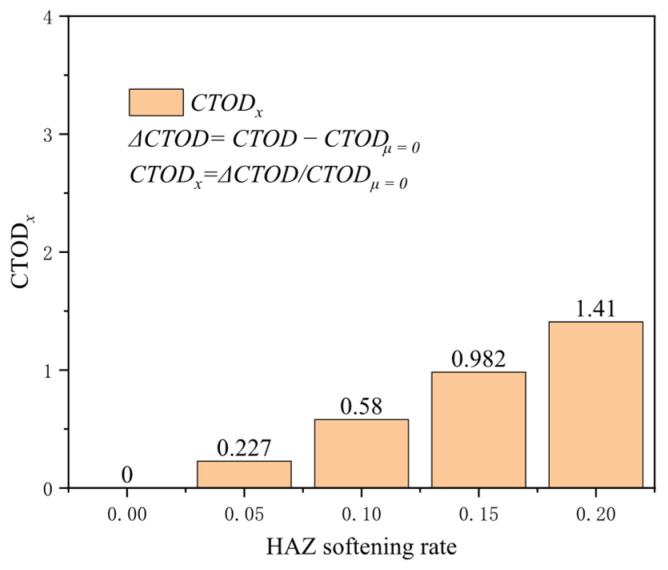 Figure 27
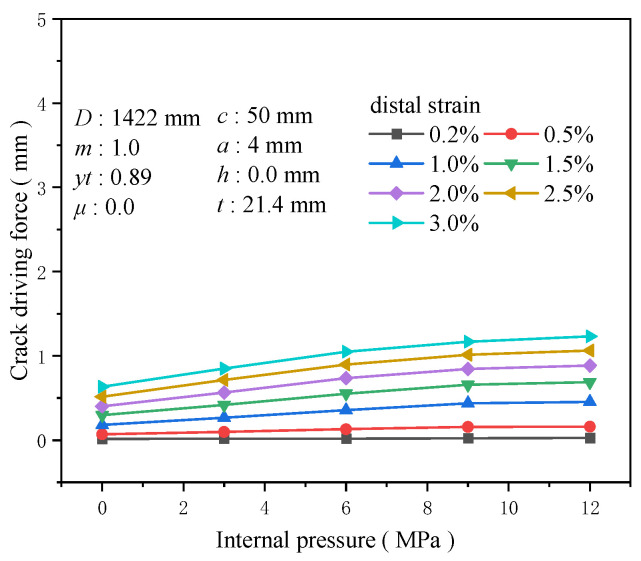 Figure 28
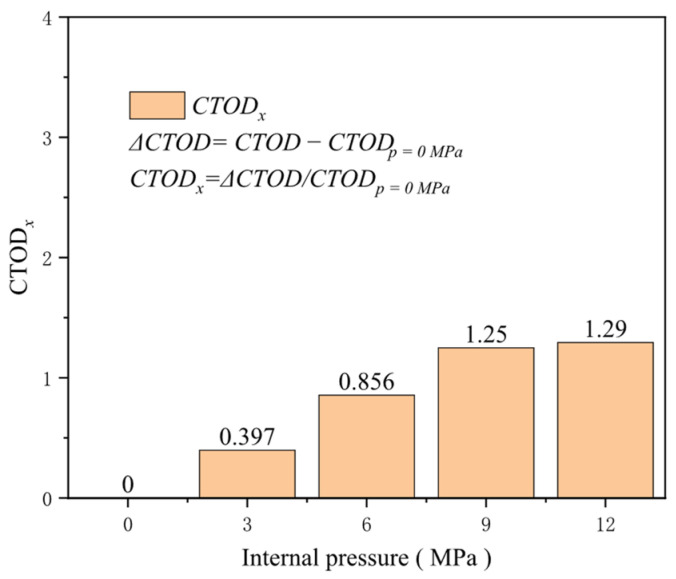 Figure 29
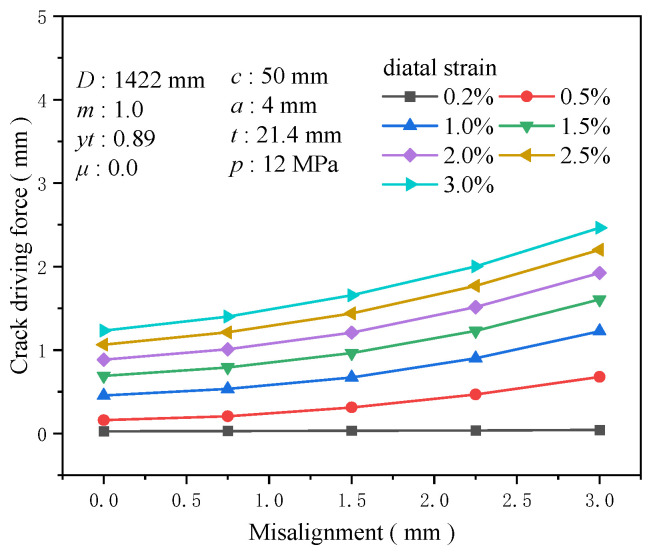 Figure 30
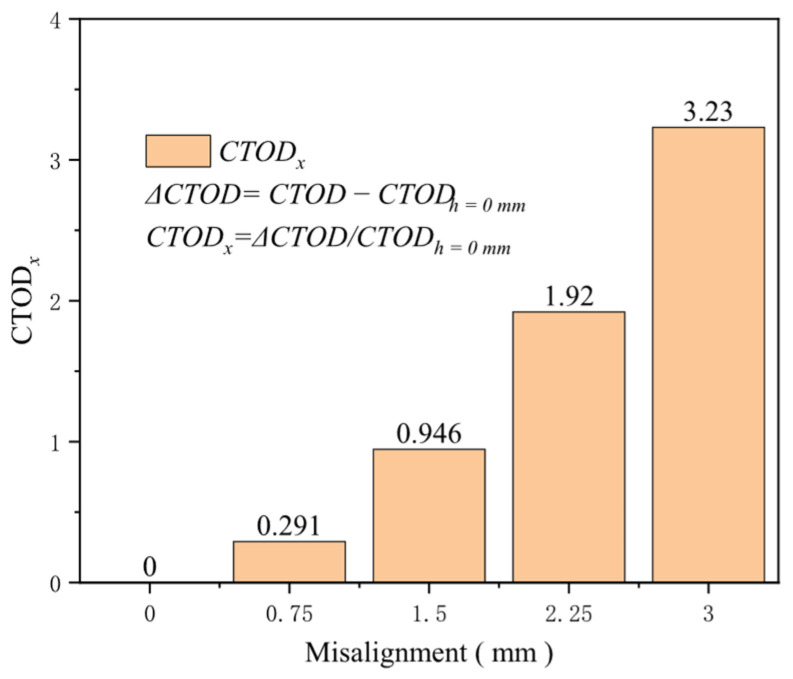 Figure 31
 Figure 32
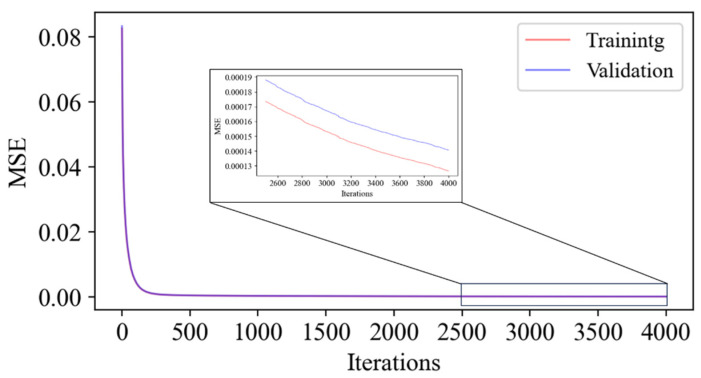 Figure 33
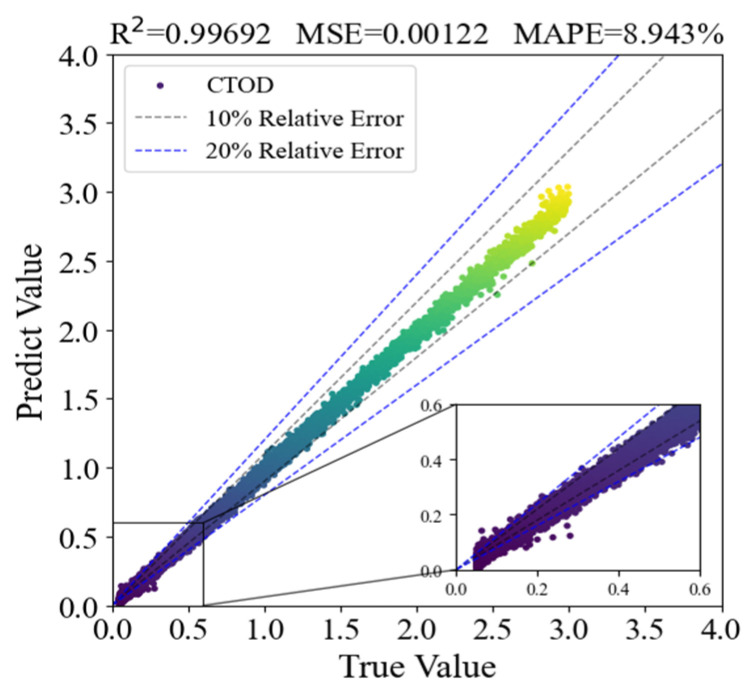 Figure 34
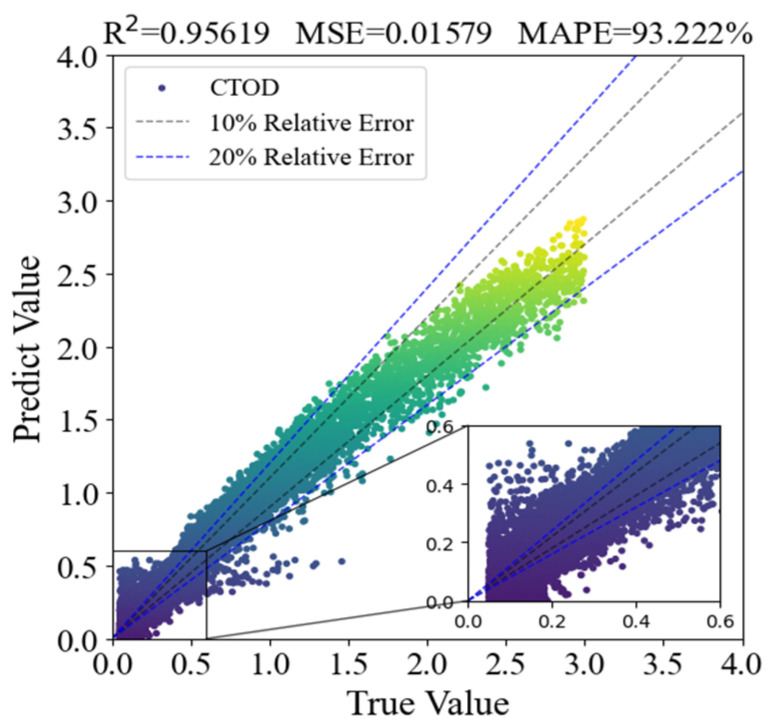 Figure 35
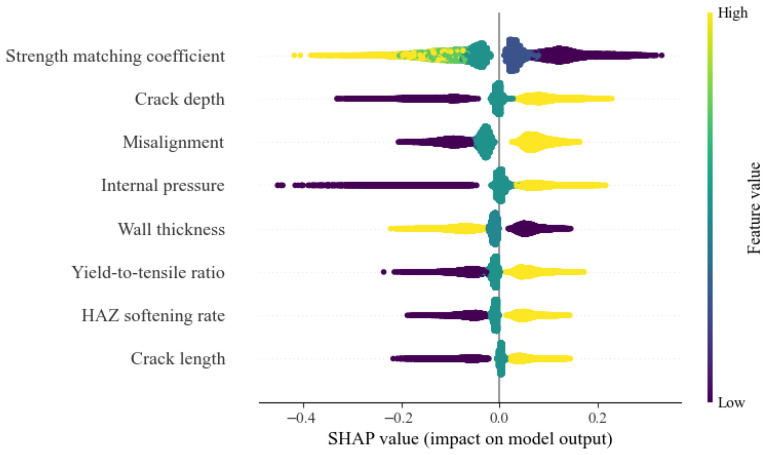 Figure 36
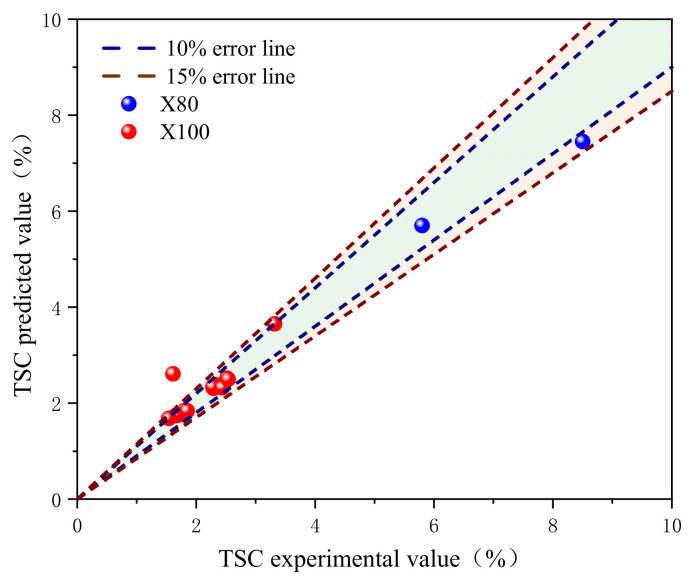 Figure 37
Peer Reviews
No public reviews on file for this paper yet. If you reviewed it on a platform where reviews are public (OpenReview, ICLR, NeurIPS, ICML), you can paste yours below so the community can read it here.
Videos
No videos yet. Explain this paper in a talk, walkthrough, or lecture? Add one.
Taxonomy
TopicsWelding Techniques and Residual Stresses · Structural Integrity and Reliability Analysis · Fatigue and fracture mechanics