The Efficacy of IgM-Enriched Immunoglobulin (eIg) Administration for Treatment of Sepsis and Septic Shock in Adult Surgical Patients: A Single-Center, Retrospective, Observational Study
Serena Spanò, Gabriella Licitra, Giada Cucciolini, Etrusca Brogi, Rita Martinelli, Francesco Cundari, Maria Giovanna Curci, Federico Coccolini, Stefano Busani, Giorgio Berlot, Mattia Bixio, Gianni Biancofiore, Francesco Corradi, Francesco Forfori

TL;DR
This study suggests that IgM-enriched immunoglobulin may reduce mortality in surgical patients with sepsis, though it increases ICU and ventilation duration.
Contribution
The study evaluates the efficacy of IgM-enriched immunoglobulin in reducing mortality in surgical sepsis patients through a retrospective observational design.
Findings
eIg administration was associated with reduced ICU and in-hospital mortality in surgical sepsis patients.
Treated patients had longer ICU stays and mechanical ventilation durations compared to untreated patients.
The study highlights the potential of eIg as an adjuvant therapy for sepsis despite its observational limitations.
Abstract
Background: Surgical sepsis, particularly secondary peritonitis, is a leading cause of ICU admissions, with mortality rates reaching 40%. In recent decades, several adjuvant therapies have been proposed in addition to standard of care to modulate the inflammatory response and support organ function. In our study, we aimed to evaluate the efficacy of IgM-enriched immunoglobulin (eIg) treatment on outcome of adult surgical patients with sepsis and septic shock. Methods: A single-center, retrospective, observational study was conducted from January 2016 to December 2019 in the Intensive Care Unit of Pisa University Hospital. Patients with sepsis or septic shock resulting from primary or postoperative infections undergoing surgical source control were included. The primary outcome was to investigate the impact of eIg administration on in-hospital mortality. The secondary outcomes were the…
Genes, proteins, chemicals, diseases, species, mutations and cell lines named across the full text — each resolved to its canonical identifier and authoritative record.
Click any figure to enlarge with its caption.
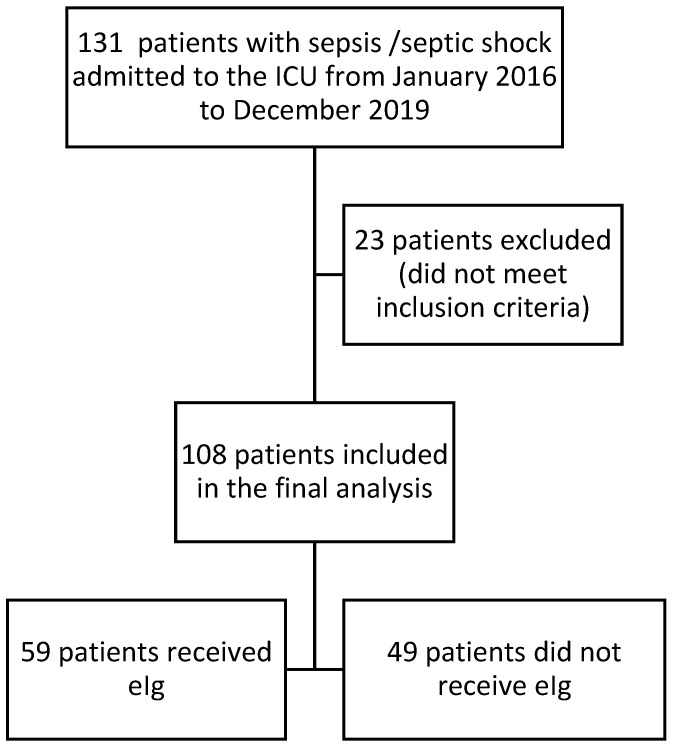 Figure 1
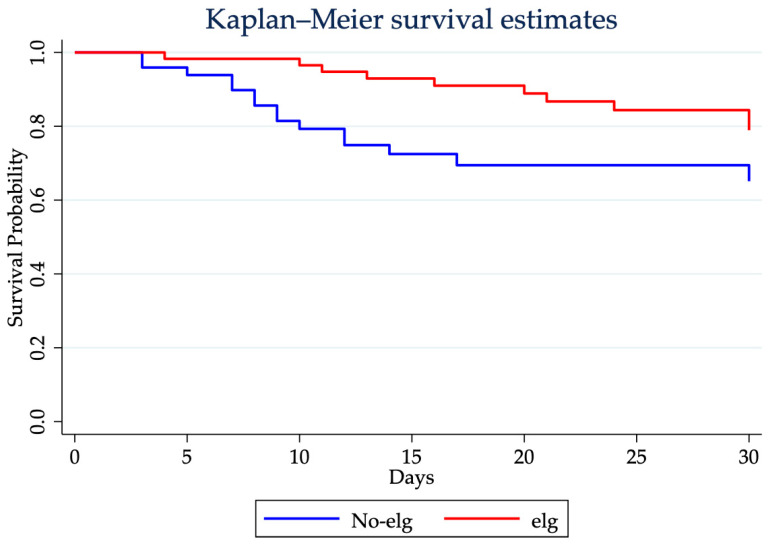 Figure 2
 Figure 3
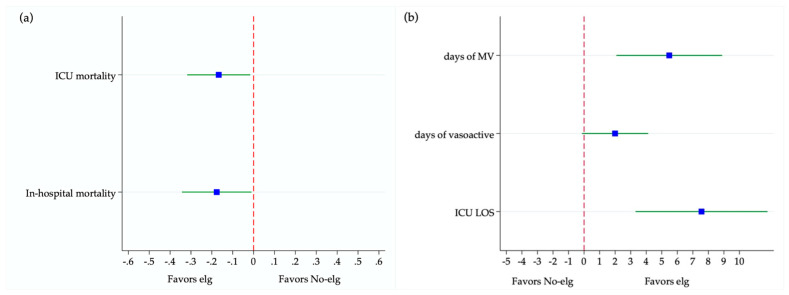 Figure 4
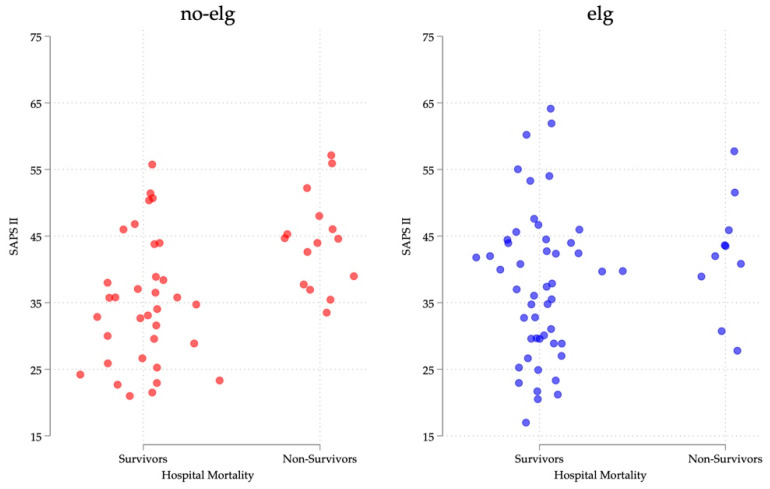 Figure 5
Peer Reviews
No public reviews on file for this paper yet. If you reviewed it on a platform where reviews are public (OpenReview, ICLR, NeurIPS, ICML), you can paste yours below so the community can read it here.
Videos
No videos yet. Explain this paper in a talk, walkthrough, or lecture? Add one.
Taxonomy
TopicsSepsis Diagnosis and Treatment · Adrenal Hormones and Disorders · Immune Response and Inflammation