Progressive Smartphone Restriction Combined with Psychoeducational Guidance and Pre-Sleep Autonomic Regulation Improves Sleep Efficiency and Time-of-Day Cognitive Performance in Physically Active Students with Nomophobia: A Randomized Controlled Trial
Wiem Ben Alaya, Wissem Dhahbi, Mohamed Abdelkader Souissi, Nidhal Jebabli, Halil İbrahim Ceylan, Nagihan Burçak Ceylan, Raul Ioan Muntean, Nizar Souissi

TL;DR
A new approach combining smartphone limits, education, and relaxation improves sleep and afternoon thinking in students who fear being without their phones.
Contribution
A progressive smartphone restriction protocol combined with psychoeducation and pre-sleep relaxation is shown to enhance sleep and cognitive outcomes beyond standard restriction.
Findings
Adapted intervention improved sleep efficiency and reduced sleep onset latency more than standard restriction.
The adapted group showed reduced pre-sleep anxiety and stress compared to the standard group.
Afternoon cognitive performance improved in the adapted group but not in the standard group.
Abstract
Aim: This study compared the effects of standard evening smartphone restriction with an adapted intervention combining progressive restriction, psychoeducational guidance, and pre-sleep relaxation on sleep, psychological state, cognitive performance, and physical performance in physically active physical education students with moderate-to-high nomophobia. Methods: Thirty participants (age 21.9 ± 1.2 years; intermediate chronotype) completed a randomized controlled trial consisting of a 7-day baseline period, a 14-day intervention phase, and post-intervention assessments. The standard group (n = 15) implemented a 2-h pre-bedtime smartphone restriction combined with general sleep hygiene guidance. The adapted group (n = 15) followed a progressive restriction protocol (30→60→120 min) supplemented with psychoeducational guidance targeting smartphone-related anxiety and a nightly slow-paced…
Genes, proteins, chemicals, diseases, species, mutations and cell lines named across the full text — each resolved to its canonical identifier and authoritative record.
Click any figure to enlarge with its caption.
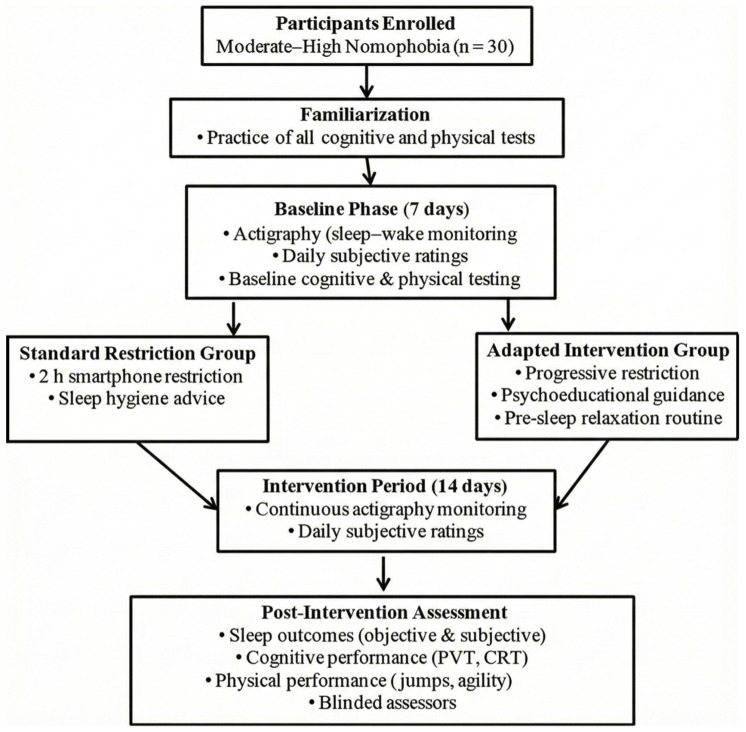 Figure 1
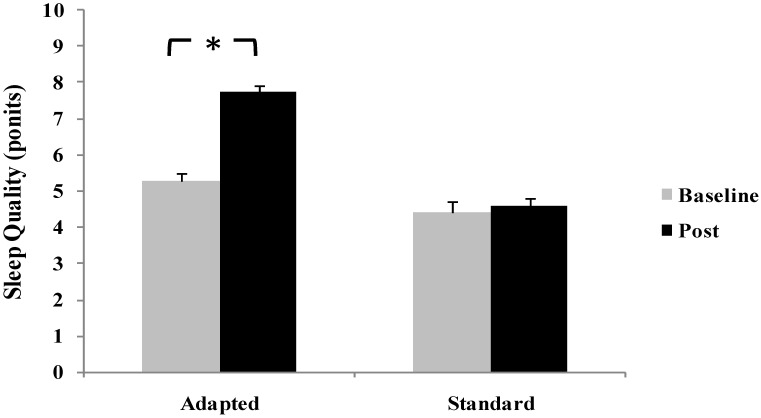 Figure 2
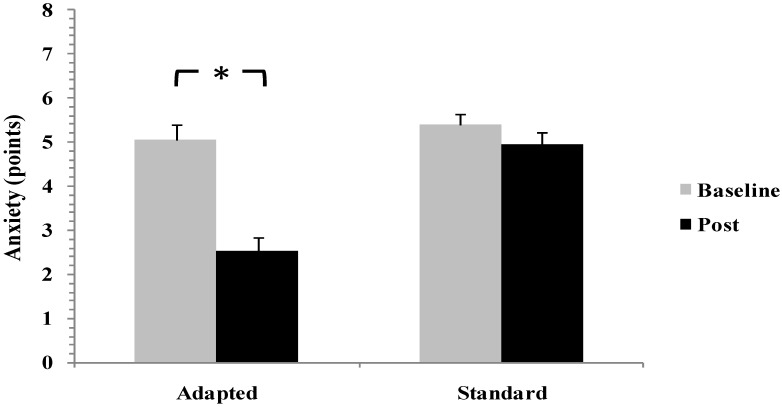 Figure 3
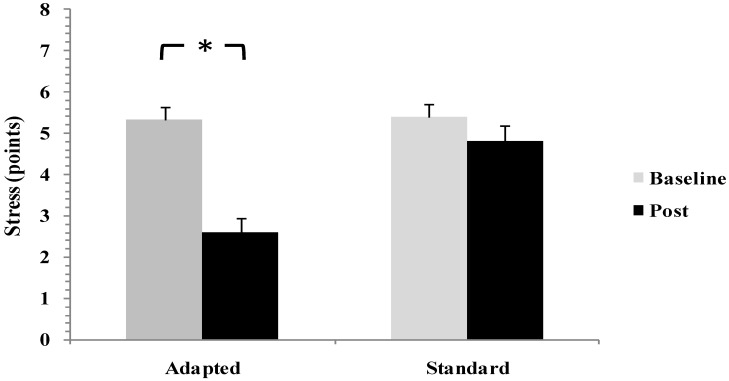 Figure 4
Peer Reviews
No public reviews on file for this paper yet. If you reviewed it on a platform where reviews are public (OpenReview, ICLR, NeurIPS, ICML), you can paste yours below so the community can read it here.
Videos
No videos yet. Explain this paper in a talk, walkthrough, or lecture? Add one.
Taxonomy
TopicsImpact of Technology on Adolescents · Ergonomics and Musculoskeletal Disorders · Sleep and related disorders