Revisiting the Nutritional Mode of Floccularia luteovirens: A Case for Facultative Saprobic Capacity
Siyuan Gou, Xu Zhao, Yanqing Ni, Tongjia Shi, Zhiqiang Zhao, Lihua Tang, Wensheng Li, Yan Wan

TL;DR
This study suggests that the rare Qinghai–Tibet Plateau fungus Floccularia luteovirens may have a flexible nutritional strategy, combining saprobic and potential mycorrhizal traits.
Contribution
The paper proposes a new facultative nutritional mode for F. luteovirens, supported by genomic and experimental evidence.
Findings
F. luteovirens colonizes well on sawdust-based substrates, indicating saprobic growth potential.
Genomic analysis shows its CAZyme repertoire is similar to the saprobic fungus Agaricus bisporus.
The fungus may adopt a facultative nutritional strategy to adapt to alpine environments.
Abstract
Floccularia luteovirens is a rare and edible fungus endemic to the Qinghai–Tibet Plateau. Traditional viewpoints have inferred it to be a mycorrhizal fungus based on its spatial association with Kobresia, yet direct morphological evidence (e.g., Hartig net) and molecular evidence is lacking. Through a systematic review of the existing literature, this study found that all current evidence supporting a mycorrhizal relationship is merely indirect inference. In contrast, experiments conducted by our research team demonstrated that this fungus colonizes well on sawdust-based substrates, which is compatible with saprobic growth capacity and does not exclude the possibility of conditional mycorrhizal symbiosis in natural environments. Based on these findings, we propose that F. luteovirens may adopt a facultative nutritional mode to adapt to the alpine environment. Genomic analysis revealed…
Genes, proteins, chemicals, diseases, species, mutations and cell lines named across the full text — each resolved to its canonical identifier and authoritative record.
Click any figure to enlarge with its caption.
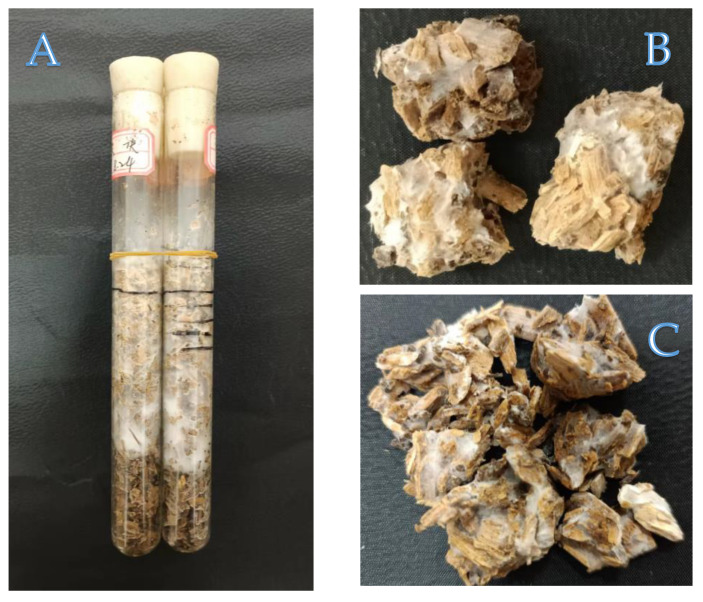 Figure 1
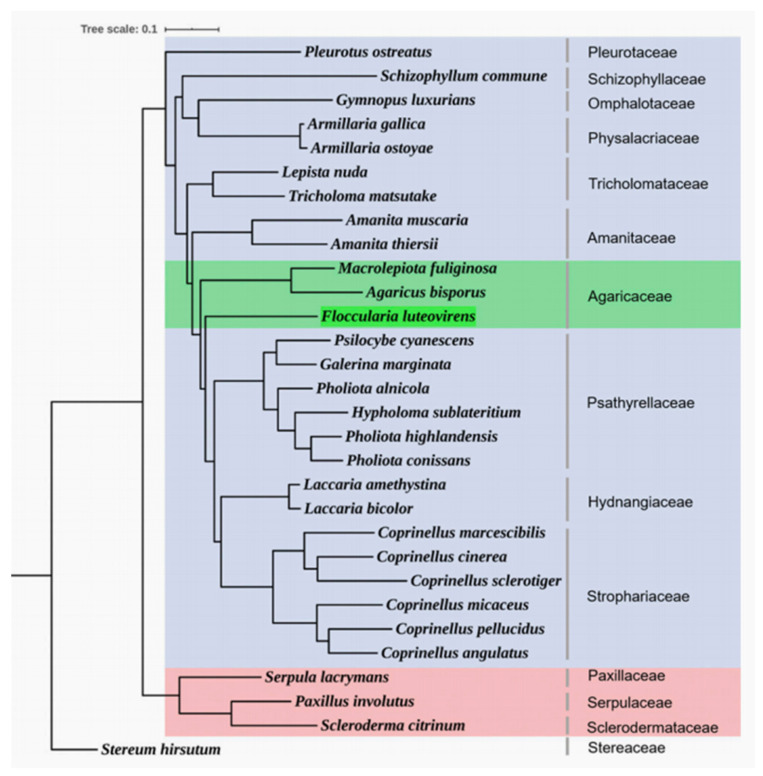 Figure 2
 Figure 3
Peer Reviews
No public reviews on file for this paper yet. If you reviewed it on a platform where reviews are public (OpenReview, ICLR, NeurIPS, ICML), you can paste yours below so the community can read it here.
Videos
No videos yet. Explain this paper in a talk, walkthrough, or lecture? Add one.
Taxonomy
TopicsMycorrhizal Fungi and Plant Interactions · Fungal Biology and Applications · Genomics and Phylogenetic Studies