Feasibility Study of Manufacturing Hydraulic Fittings Using Additive Manufacturing Technologies: Comparative Analysis of FDM and SLA Methods
Jakub Backiel, Pawel Dzienis, Karol Golak, Przemysław Zamojski, Maciej Rećko, Rafał Grądzki, José Emiliano Martínez, Rogelio Valdés

TL;DR
This study compares FDM and SLA 3D printing methods for manufacturing hydraulic fittings, finding that neither meets leak tightness requirements at higher pressures.
Contribution
The paper evaluates the feasibility of AM for hydraulic fittings and identifies material and design limitations for achieving functional performance.
Findings
SLA-printed parts showed 1% shrinkage, while FDM-printed parts showed 2% shrinkage.
SLA samples had better thread quality compared to FDM samples with visible layer separation.
Neither FDM nor SLA 3D-printed fittings achieved leak tightness beyond 0.5 bar.
Abstract
This paper investigates the feasibility of manufacturing hydraulic fittings using additive manufacturing (AM) technologies, specifically Fused Deposition Modeling (FDM) and Stereolithography (SLA). The study addresses the environmental challenge of material waste in conventional fitting production by exploring 3D printing as an alternative manufacturing method. Hydraulic fittings were designed using CAD software: SolidWorks 2022 and fabricated using FDM with PETG (Polyethene Terephthalate Glycol) material and SLA with UV-sensitive photopolymer resin. In present studies, on-destructive leak testing was conducted in accordance with PN-EN 1254-4 and PN-EN 1254, at pressures ranging from 0.1 to 1.0 bar. Dimensional accuracy analysis revealed shrinkage of approximately 1% for SLA-printed parts and 2% for FDM-printed parts. Microscopic examination at 50× and 80× magnification showed superior…
Genes, proteins, chemicals, diseases, species, mutations and cell lines named across the full text — each resolved to its canonical identifier and authoritative record.
Click any figure to enlarge with its caption.
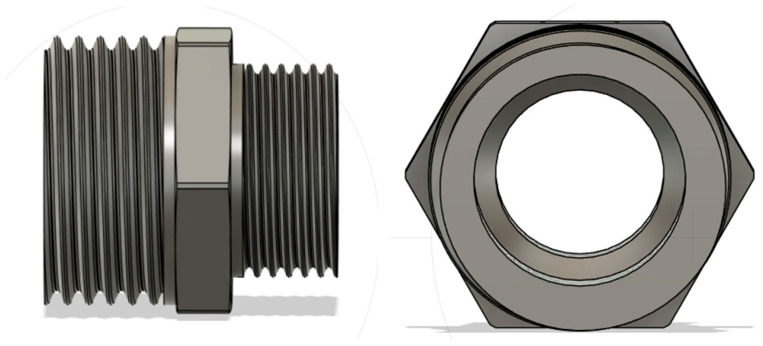 Figure 1
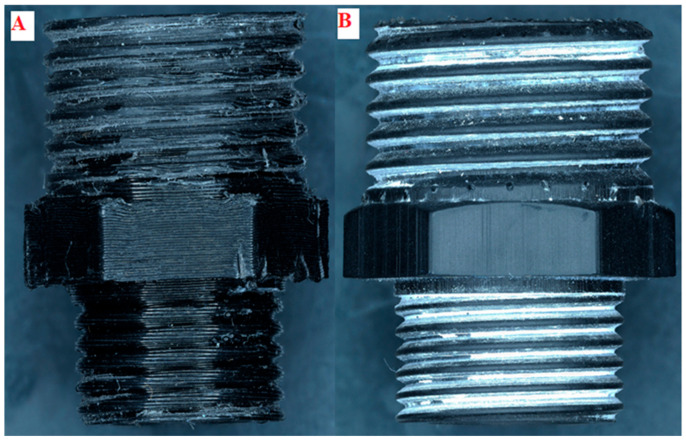 Figure 2
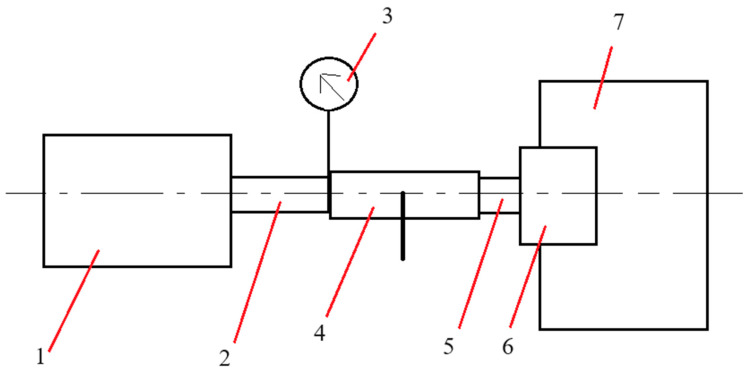 Figure 3
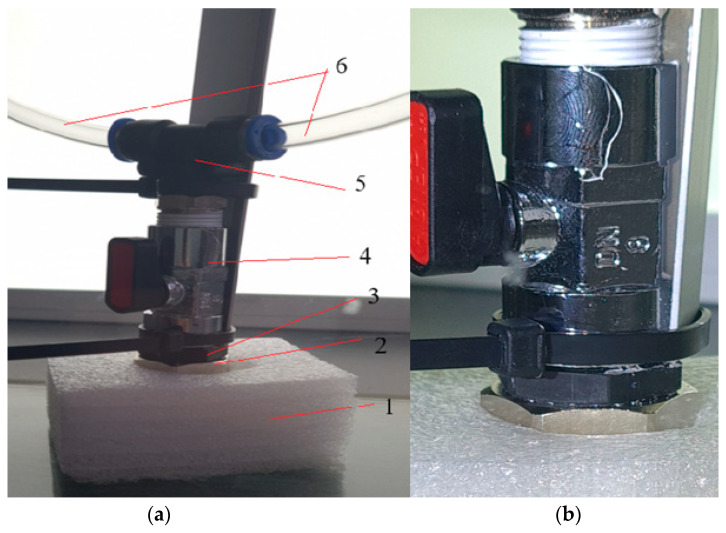 Figure 4
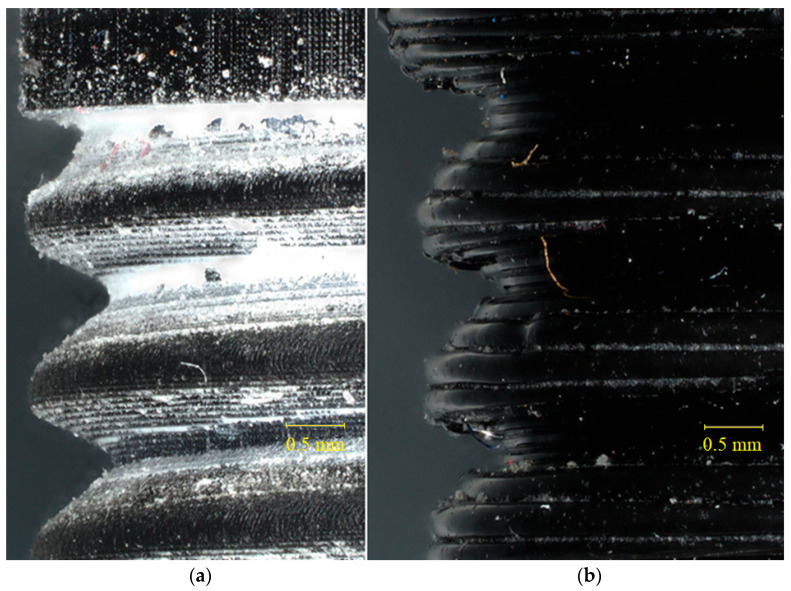 Figure 5
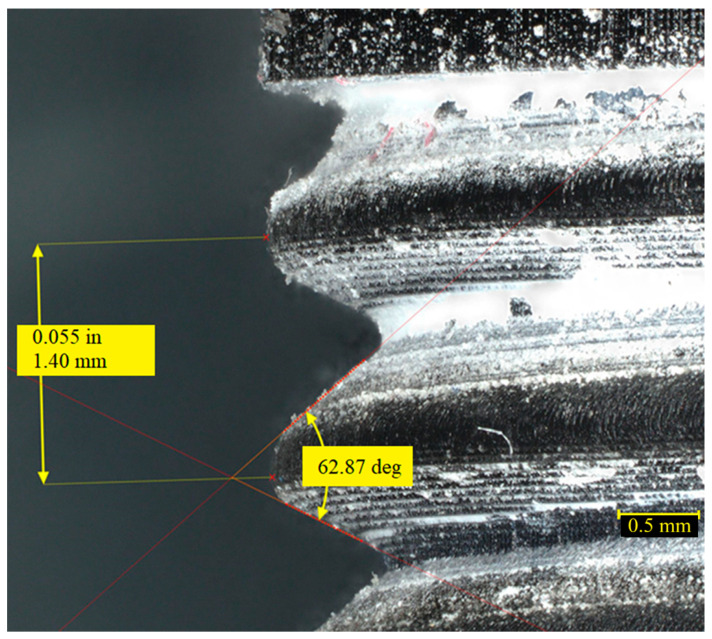 Figure 6
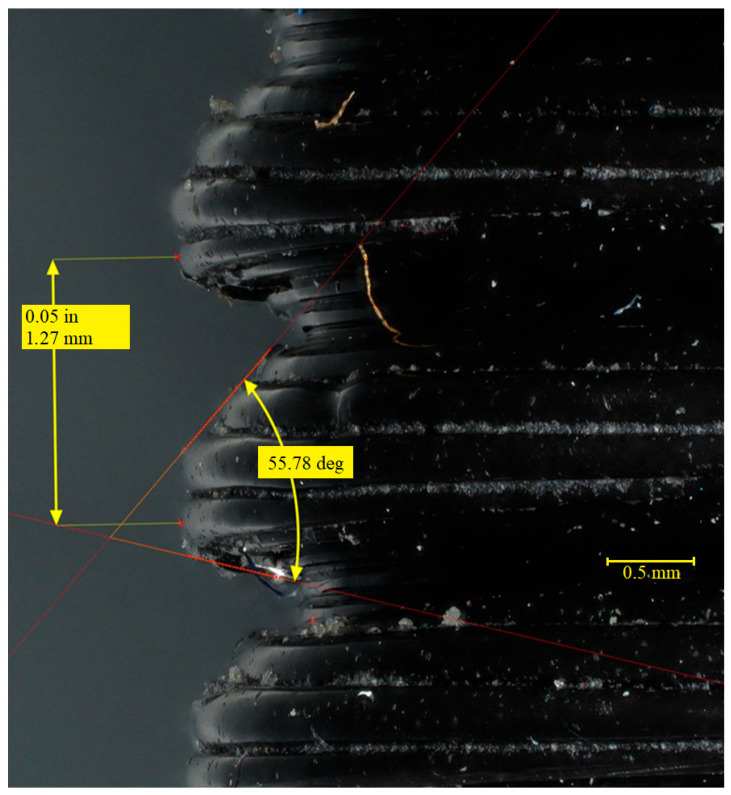 Figure 7
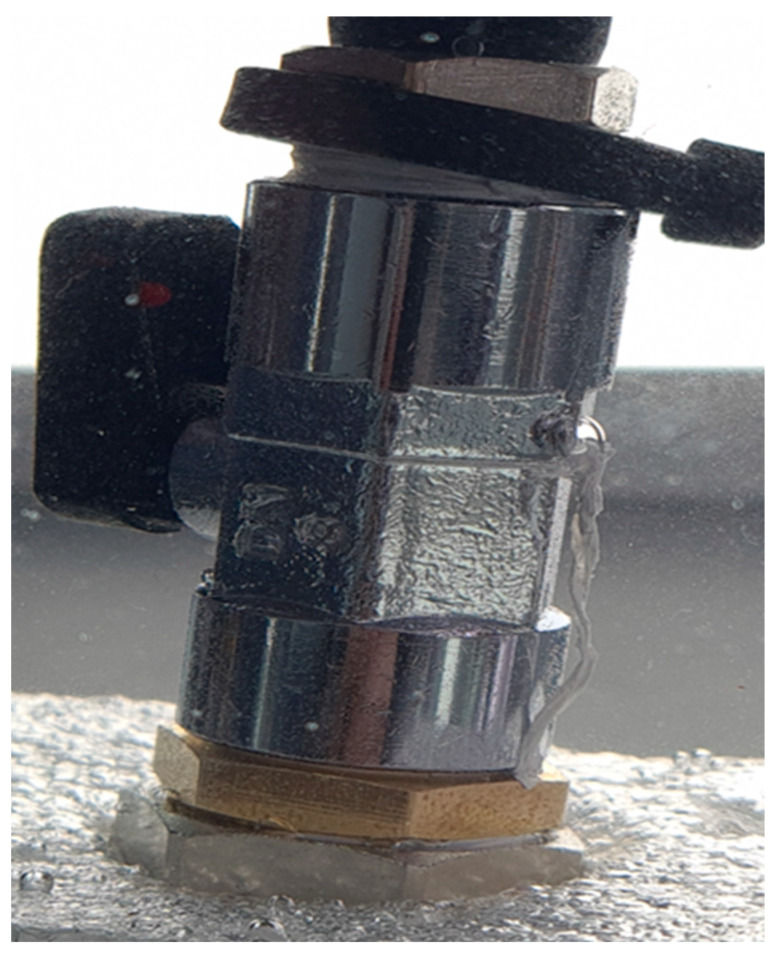 Figure 8
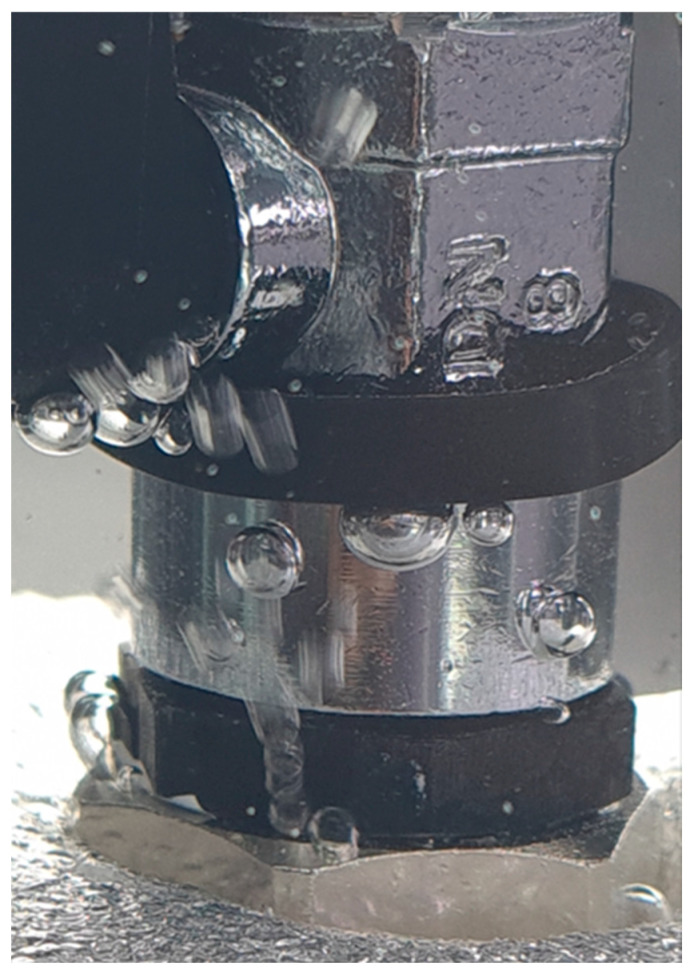 Figure 9
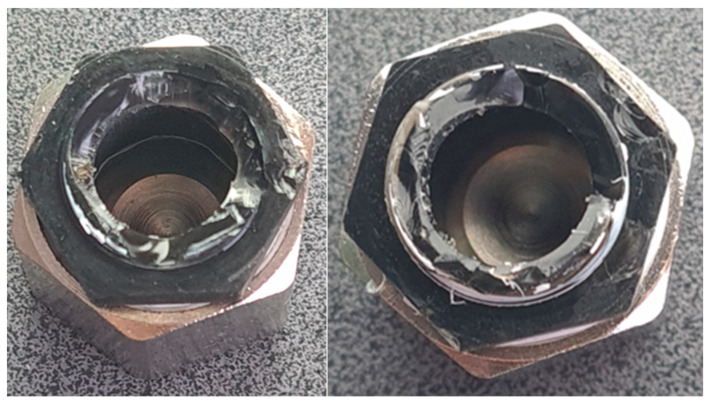 Figure 10
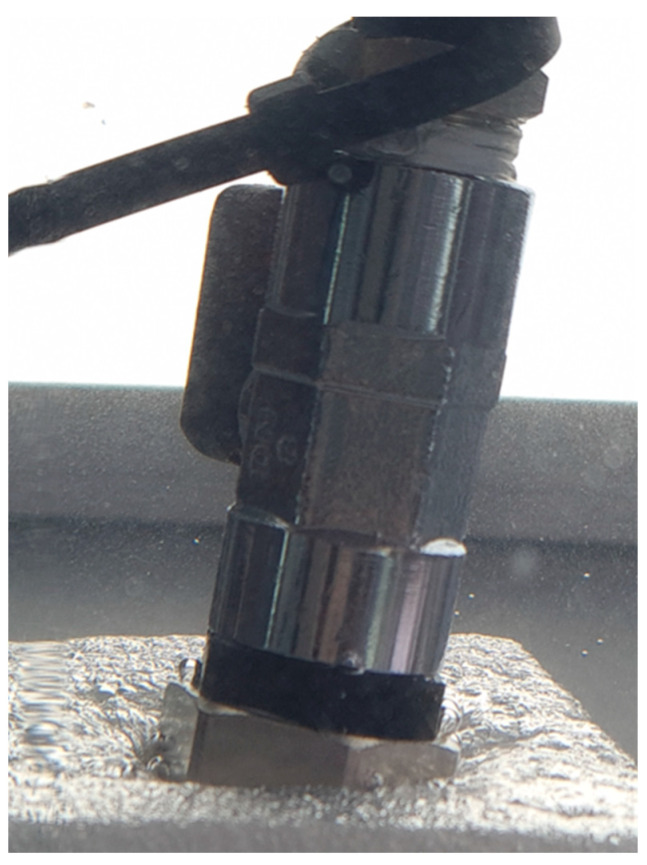 Figure 11
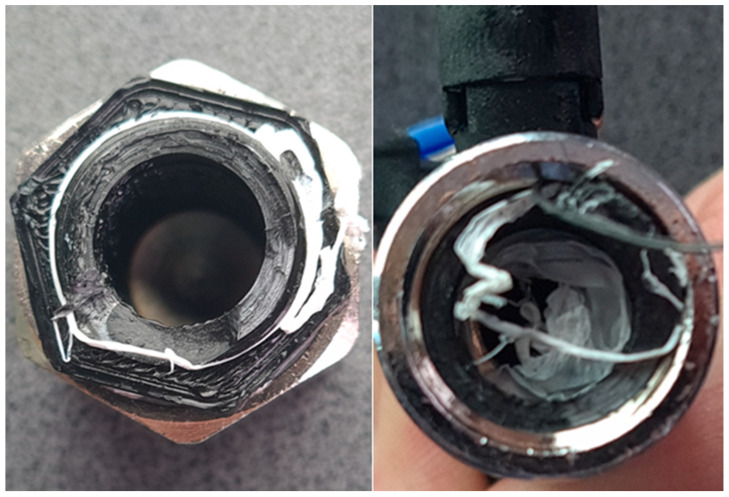 Figure 12
Peer Reviews
No public reviews on file for this paper yet. If you reviewed it on a platform where reviews are public (OpenReview, ICLR, NeurIPS, ICML), you can paste yours below so the community can read it here.
Videos
No videos yet. Explain this paper in a talk, walkthrough, or lecture? Add one.
Taxonomy
TopicsAdditive Manufacturing and 3D Printing Technologies · Additive Manufacturing Materials and Processes · Injection Molding Process and Properties