Elastoplastic Analysis of Plane Stress Problems for Porous Plastic Material
Jiaxing Zeng, Jianxiong Liu, Tiansu Li, Xiangming Wan, Youdong Jia

TL;DR
This paper develops a mesoscale damage model to analyze how voids in materials affect their mechanical behavior under stress.
Contribution
A new mesoscale damage model is proposed by incorporating void volume fraction into a yield function for porous plastic materials.
Findings
Higher void volume fractions reduce radial stress and displacement but have minimal effect on circumferential stress.
Material near voids experiences higher stress and displacement, reaching yield state faster.
Numerical solutions show consistent curve patterns despite varying void volume fractions.
Abstract
Considering the impact of void damage on the mechanical properties of materials, based on the two-parameter yield criterion, combined with the associated flow rule and the upper bound theorem, the void volume fraction is introduced into the macroscopic yield function, resulting in a mesoscale damage model. Two material parameters in the model are defined using yield strength and Poisson’s ratio, respectively. The yield surface of the model is presented for different void volume fractions and Poisson’s ratios. Using the mesoscale damage model, combined with the positive flow rule, the constitutive relationship of the material is established, and an elastoplastic analysis is performed for axisymmetric plane stress problems. Under the Prager hypothesis, a set of differential equations is derived to solve the problem, yielding numerical solutions. The influence of void volume fraction on…
Genes, proteins, chemicals, diseases, species, mutations and cell lines named across the full text — each resolved to its canonical identifier and authoritative record.
Click any figure to enlarge with its caption.
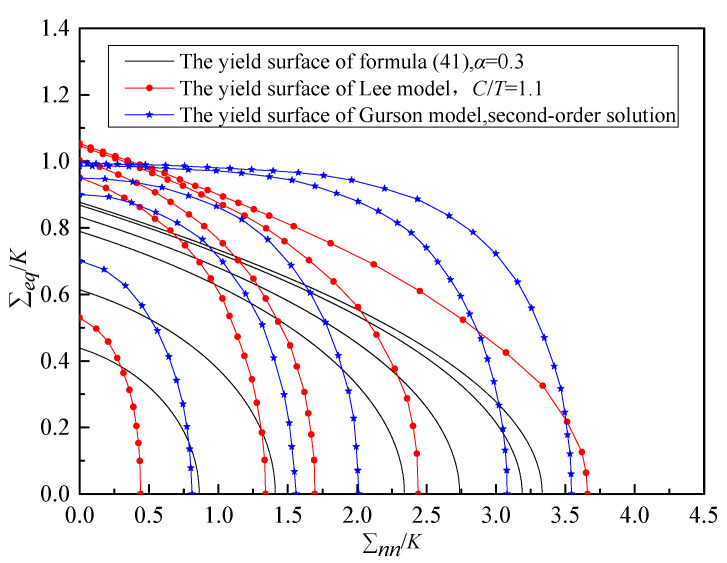 Figure 1
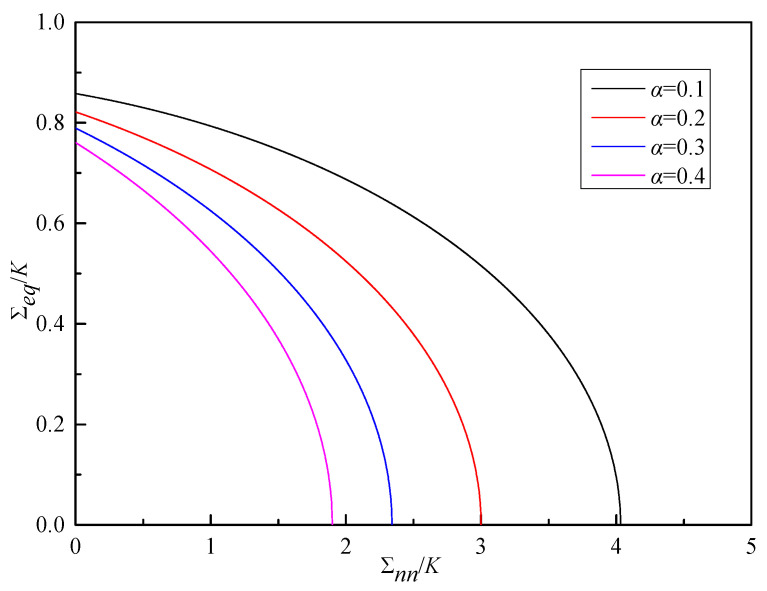 Figure 2
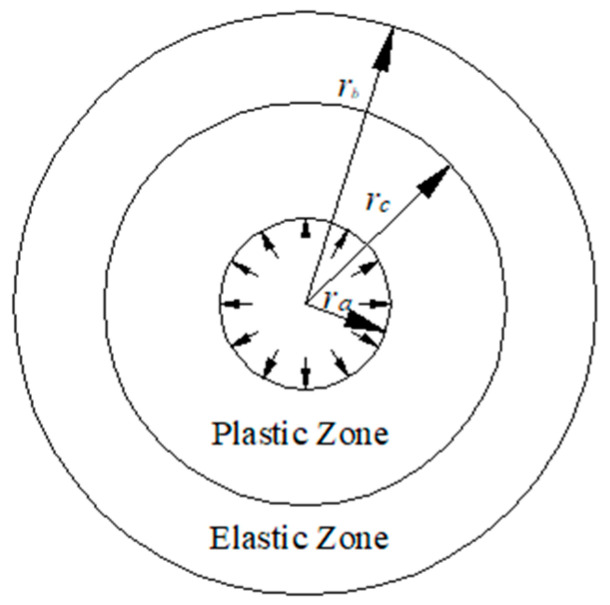 Figure 3
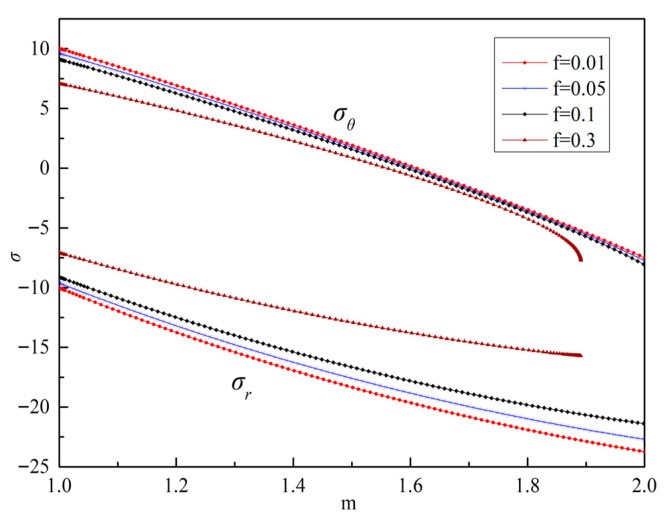 Figure 4
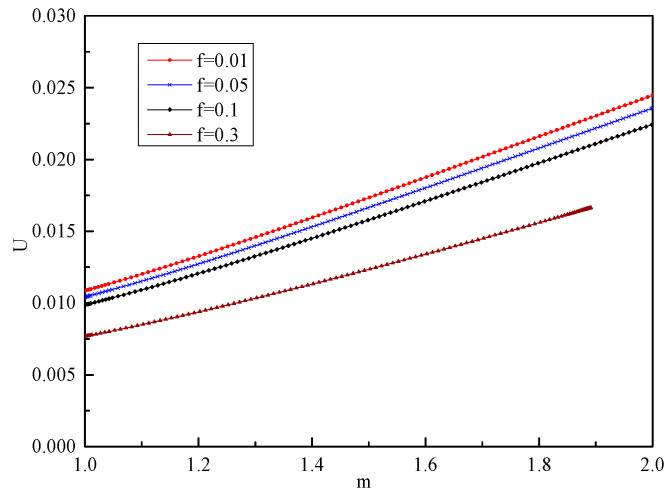 Figure 5
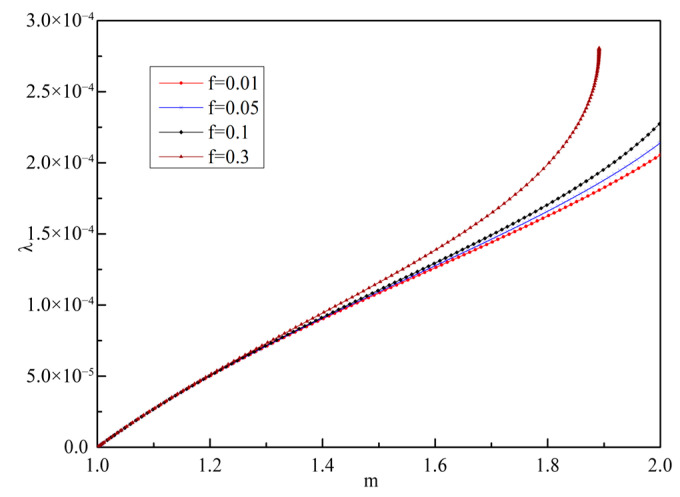 Figure 6
Peer Reviews
No public reviews on file for this paper yet. If you reviewed it on a platform where reviews are public (OpenReview, ICLR, NeurIPS, ICML), you can paste yours below so the community can read it here.
Videos
No videos yet. Explain this paper in a talk, walkthrough, or lecture? Add one.
Taxonomy
TopicsMetal Forming Simulation Techniques · Elasticity and Material Modeling · Numerical methods in engineering