Fluconazole-Resistant and Virulence-Associated Yeasts from the Vulva: Evidence of a Potential Reservoir
Maria Margarida Silva, Mariana Zagalo Fernandes, Sofia Moura, Ana Sofia Esteves, Ana Sofia Oliveira, Carlos Gaspar, José Martinez-de-Oliveira, Ana Palmeira-de-Oliveira, Joana Rolo

TL;DR
This study shows that the vulva can be a reservoir for fluconazole-resistant yeasts that may also be harmful.
Contribution
The study identifies and characterizes non-Candida albicans yeasts from the vulva, revealing their resistance and virulence potential.
Findings
Over half of the isolates were resistant to fluconazole.
Most species showed high biofilm production and adherence to cervical cells.
Pichia kudriavzevii and Rhodotorula mucilaginosa produced phospholipase.
Abstract
Vulvovaginal candidosis is an affliction caused by yeasts. Symptoms in the vulva are generally associated with the spreading of infected vaginal fluid. To better understand the role of the vulva in these dynamics, in this study we aim to fully identify and characterize non-Candida albicans vulvar yeast isolates. Fifty-four vulvar swabs were obtained from 31 women attending a gynecological consultation. After species identification, fluconazole susceptibility was assessed by the microdilution broth method. Biofilm biomass was quantified using crystal violet staining, and phospholipase and hemolysin production were assessed by plating a calibrated suspension in suitable culture media. Finally, adherence to cervical cells was assessed by infecting a monolayer of HeLa cells. Among the 54 vulvar isolates obtained, 12 different species were identified. About 54% (29/54) of vulvar isolates…
Genes, proteins, chemicals, diseases, species, mutations and cell lines named across the full text — each resolved to its canonical identifier and authoritative record.
Click any figure to enlarge with its caption.
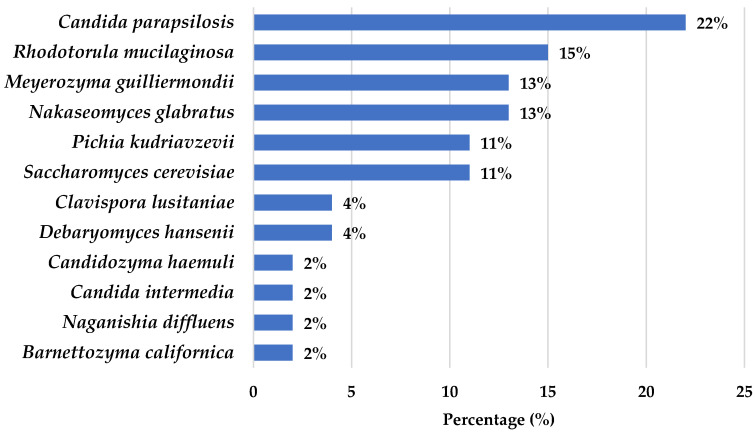 Figure 1
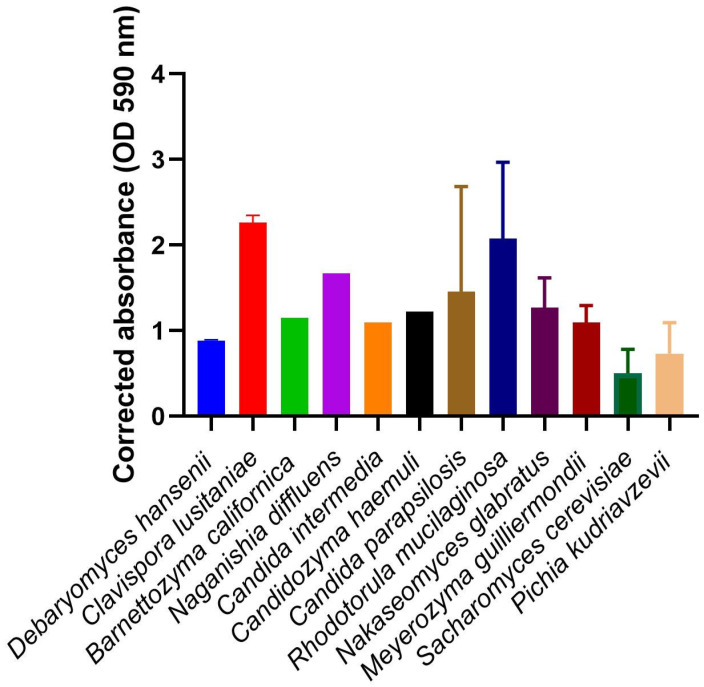 Figure 2
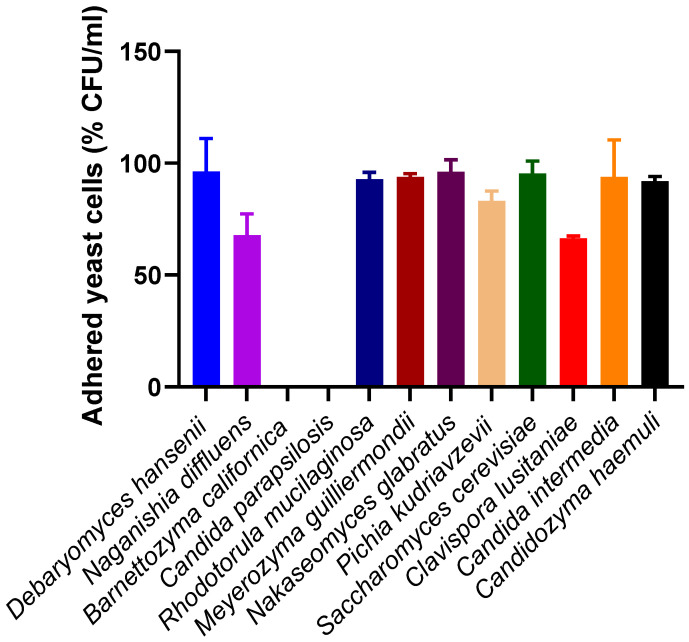 Figure 3
Peer Reviews
No public reviews on file for this paper yet. If you reviewed it on a platform where reviews are public (OpenReview, ICLR, NeurIPS, ICML), you can paste yours below so the community can read it here.
Videos
No videos yet. Explain this paper in a talk, walkthrough, or lecture? Add one.
Taxonomy
TopicsReproductive tract infections research · Nail Diseases and Treatments · Insects and Parasite Interactions