Assessment of Creep Reduction Factors of High-Density Polyethylene Geogrids Using Conventional and Stepped Isothermal Methods
Hang-Won Cho, Kap-Jin Kim, Nigel Edwin Wrigley, Hyun-Jin Koo, Suk-Won Choi

TL;DR
This study evaluates the long-term creep behavior of HDPE geogrids using different testing methods and criteria to determine reliable design factors for reinforced-soil structures.
Contribution
The study introduces a comparison of conventional and stepped isothermal methods for estimating creep reduction factors in HDPE geogrids.
Findings
SIM results matched conventional tests initially but showed higher creep strains after 1000 hours due to HDPE's thermal sensitivity.
RFCR values based on 20% creep strain were 3.04 and 2.43, while rupture criterion yielded a lower value of 2.30 for a 100-year design life.
The 20% strain limit is shown to be a more conservative and reliable criterion for long-term design strength estimation.
Abstract
The long-term creep performance of geosynthetics is crucial for the safe design of reinforced-soil structures. Previous studies have not sufficiently clarified the long-term creep behavior of high-density polyethylene (HDPE) geogrids or the influence of different failure criteria. Therefore, further research is needed to validate creep reduction factors’ (RFCR) estimation and the applicability of the stepped isothermal method (SIM). In this study, the creep behavior of HDPE geogrids was examined using both conventional creep tests and SIM, conducted in accordance with ISO 13431 and ASTM D6992. Master curves were generated under load levels representing 40–60% of the ultimate tensile strength. The SIM results matched with the conventional tests in the early stage but exhibited higher creep strains beyond 1000 h, primarily due to the thermal sensitivity of HDPE. RFCR values were…
Genes, proteins, chemicals, diseases, species, mutations and cell lines named across the full text — each resolved to its canonical identifier and authoritative record.
Click any figure to enlarge with its caption.
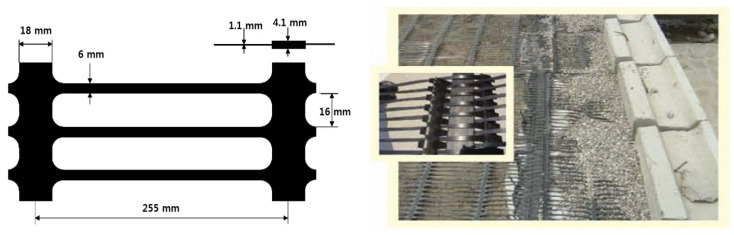 Figure 1
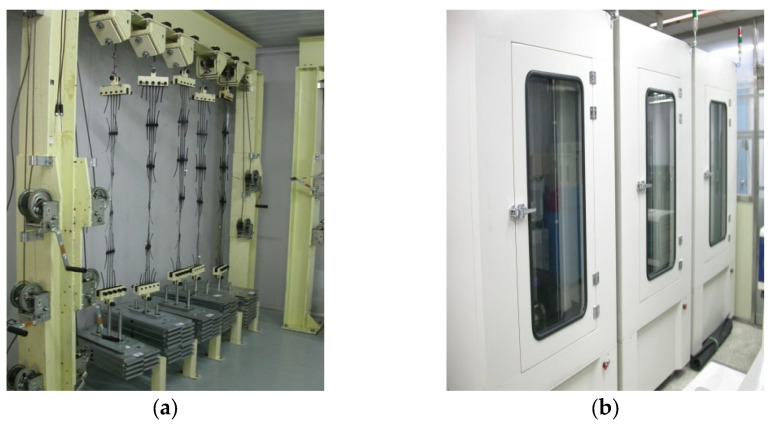 Figure 2
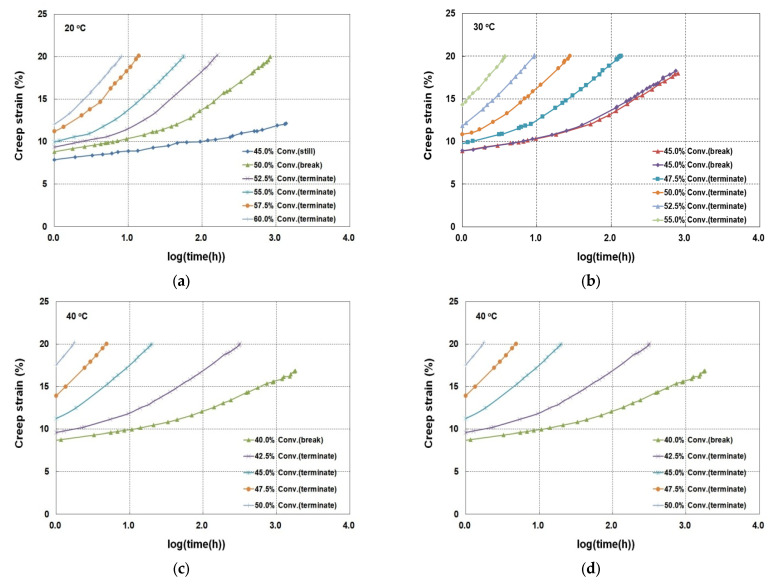 Figure 3
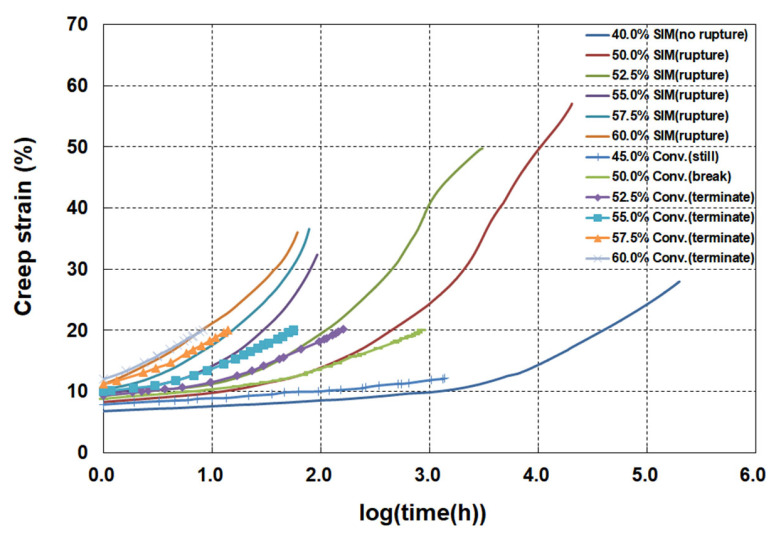 Figure 4
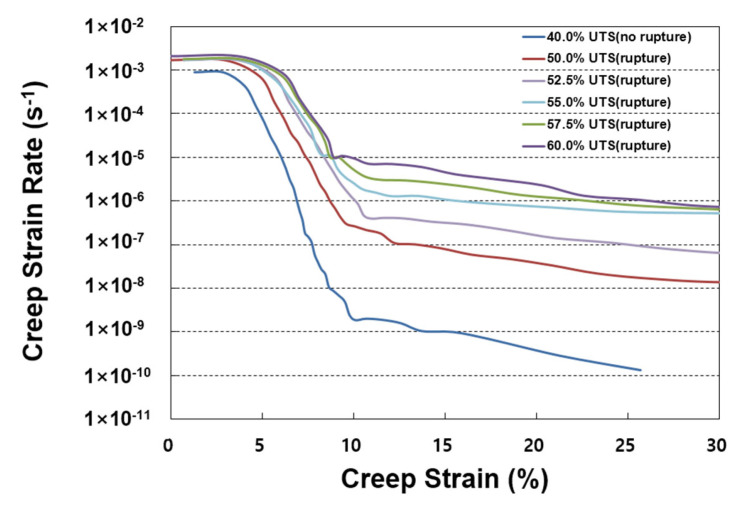 Figure 5
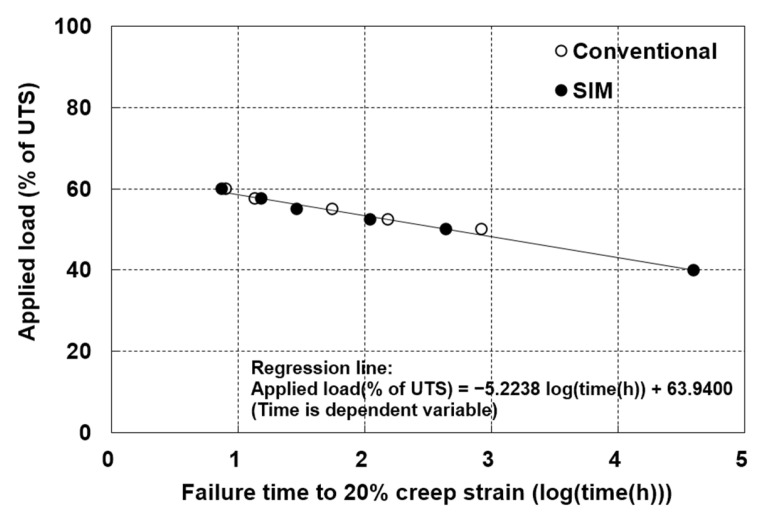 Figure 6
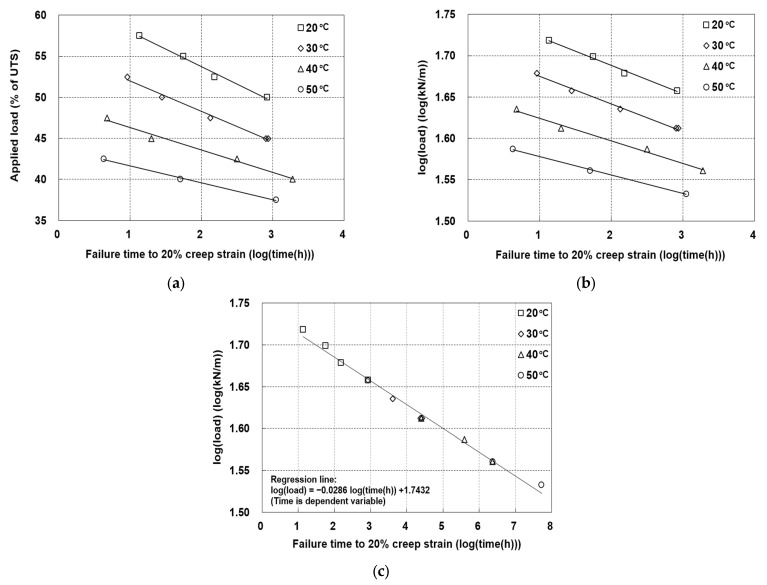 Figure 7
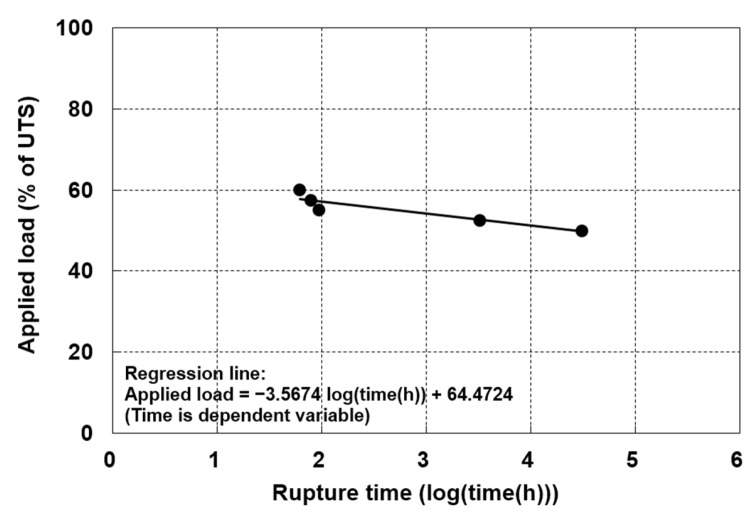 Figure 8
Peer Reviews
No public reviews on file for this paper yet. If you reviewed it on a platform where reviews are public (OpenReview, ICLR, NeurIPS, ICML), you can paste yours below so the community can read it here.
Videos
No videos yet. Explain this paper in a talk, walkthrough, or lecture? Add one.
Taxonomy
TopicsGeotechnical Engineering and Soil Stabilization · Landfill Environmental Impact Studies · Grouting, Rheology, and Soil Mechanics