Bioash-Based Stabilization/Solidification for Heavy Metal(oid) Soil Remediation: A Case Study in Northern Sweden
Sepideh Gholizadeh Khasevani, Ivan Carabante, Josef Bjuhr, Lale Andreas

TL;DR
This study explores using a bioash-cement mix to stabilize heavy metal-contaminated soils in Sweden, showing improved strength and reduced metal leaching, though performance depends on soil chemistry and field conditions.
Contribution
The study introduces a low-cement bioash–cement binder for soil remediation, validated at pilot scale with field performance data.
Findings
The optimized binder achieved compressive strengths of 696 kPa and 479 kPa for two soil types after 28 days.
Leaching of Zn, Cd, and Pb was reduced, but As mobility remained a challenge, especially in non-hazardous soils.
Field monitoring over two years showed decreasing leachate concentrations of several metals, with improved Cu and Ni retention over time.
Abstract
A bioash–cement composite binder was evaluated as a low-cement stabilization material for metal-contaminated soils, with emphasis on mechanical performance and long-term leaching behavior under field conditions. Two fine soil fractions from the Näsudden area (Skellefteå, Sweden), classified as hazardous (HS) and non-hazardous (NHS), were treated in laboratory trials to optimize binder composition. An optimum formulation containing 35 wt.% bioash and 5 wt.% cement (dry basis, relative to soil) improved unconfined compressive strength (UCS) to 696 kPa (HS) and 479 kPa (NHS) after 28 days and reduced leaching of Zn, Cd, Pb, and Co. Arsenic immobilization improved in HS but decreased in NHS, while Cu and Ni leaching increased, consistent with elevated pH and dissolved organic carbon (DOC) promoting soluble complexation. The optimized binder was then applied to a third soil (“Pilot soil”)…
Genes, proteins, chemicals, diseases, species, mutations and cell lines named across the full text — each resolved to its canonical identifier and authoritative record.
Click any figure to enlarge with its caption.
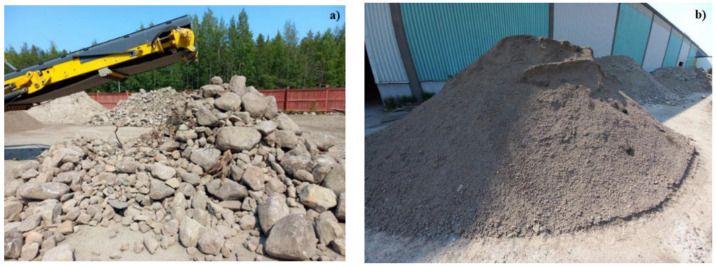 Figure 1
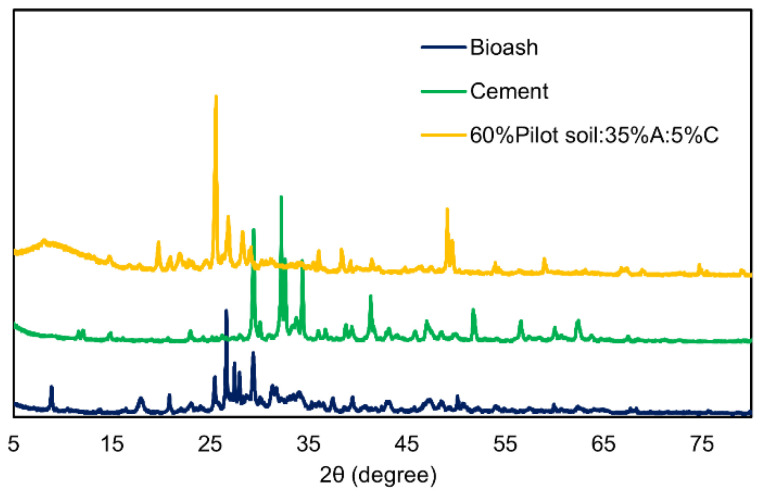 Figure 2
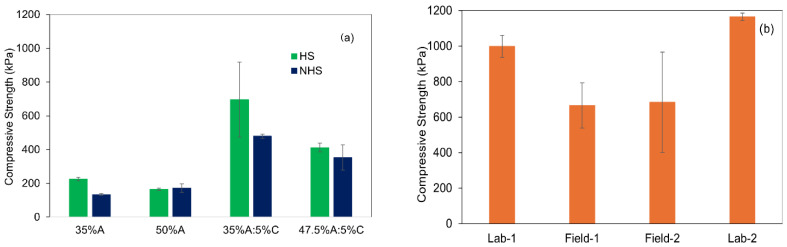 Figure 3
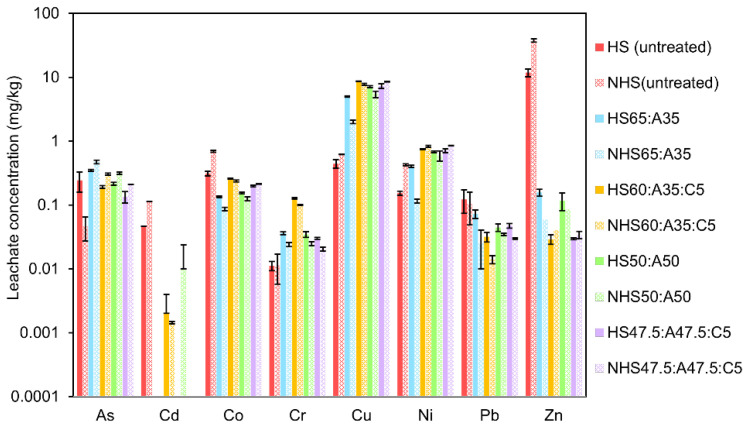 Figure 4
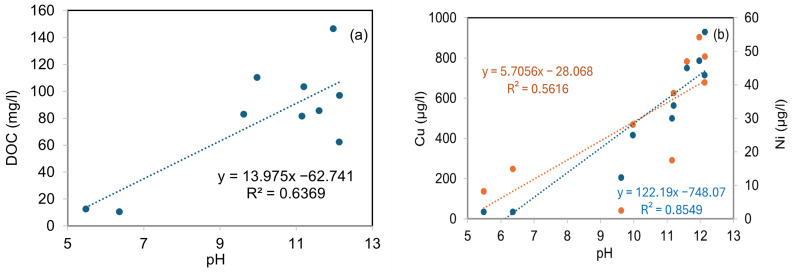 Figure 5
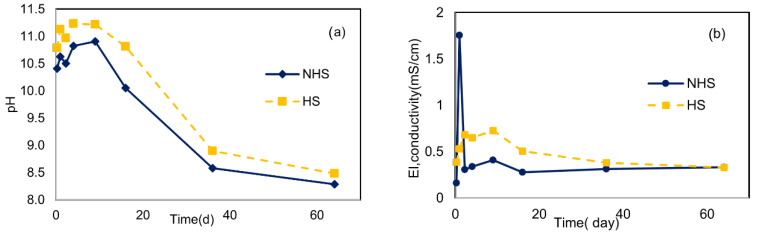 Figure 6
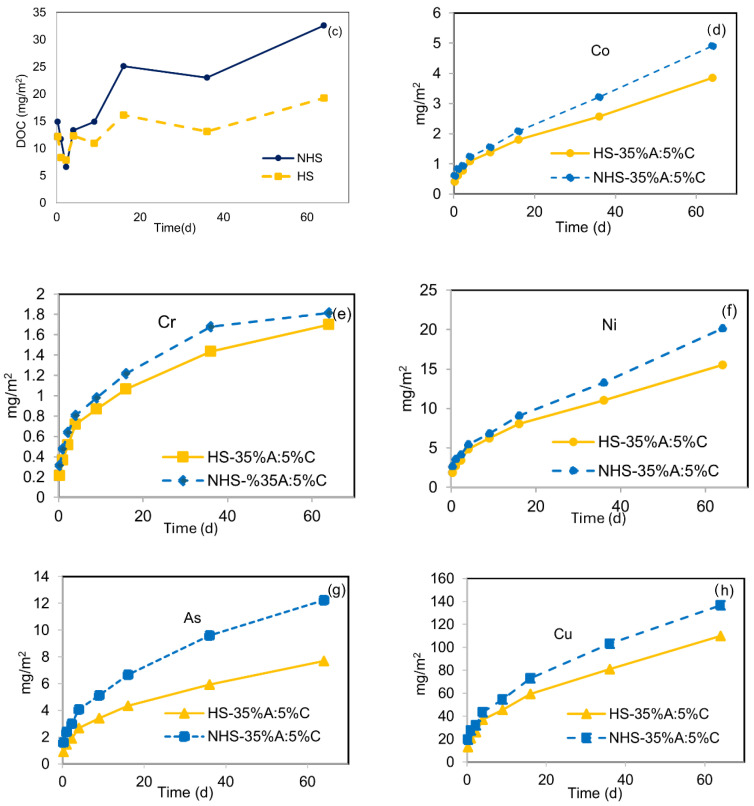 Figure 7
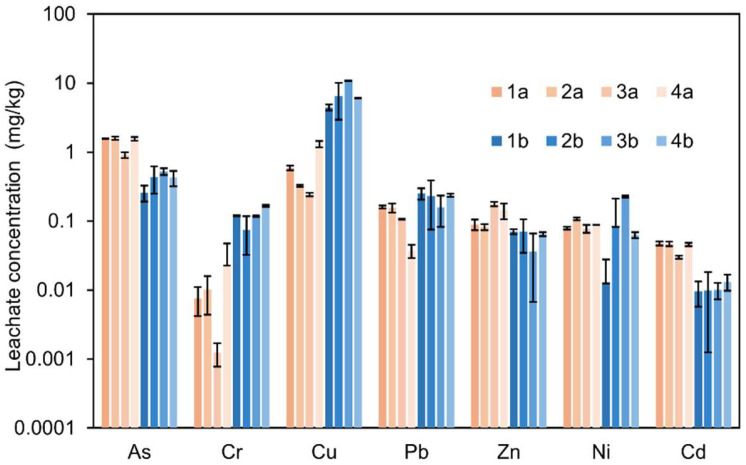 Figure 8
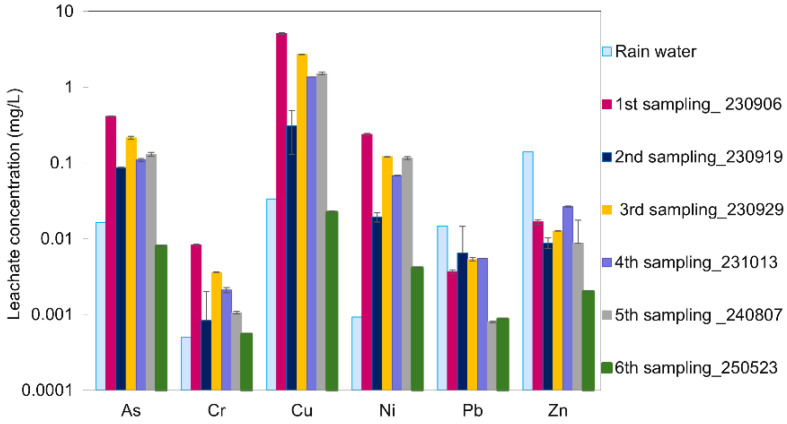 Figure 9
Peer Reviews
No public reviews on file for this paper yet. If you reviewed it on a platform where reviews are public (OpenReview, ICLR, NeurIPS, ICML), you can paste yours below so the community can read it here.
Videos
No videos yet. Explain this paper in a talk, walkthrough, or lecture? Add one.
Taxonomy
TopicsConcrete and Cement Materials Research · Microbial Applications in Construction Materials · Heavy metals in environment