Role of the Clock Drawing Test in Differential Diagnosis of Alzheimer’s Disease: Clinical Findings in Relation to CSF Biomarkers
Aurora Cermelli, Chiara Lombardo, Alberto Mario Chiarandon, Fausto Roveta, Elisa Maria Piella, Virginia Batti, Elisa Rubino, Innocenzo Rainero, Silvia Boschi

TL;DR
The Clock Drawing Test helps identify cognitive impairment and correlates with biomarkers of Alzheimer's disease, making it a useful clinical tool.
Contribution
The study evaluates the CDT's diagnostic performance and its relationship with CSF biomarkers in Alzheimer's disease.
Findings
CDT scores effectively distinguish patients from healthy individuals with large effect sizes.
Lower CDT performance is significantly associated with higher CSF total tau levels.
CDT shows limited but meaningful relationships with neurodegenerative biomarkers.
Abstract
Alzheimer’s disease (AD) is the most common cause of neurocognitive disorder, and the integration of cognitive assessment with biological markers remains essential for clinical characterization. The Clock Drawing Test (CDT) is a brief and widely used screening tool assessing visuospatial and executive functions, which may reflect underlying neurodegenerative processes. This study investigated the diagnostic performance of the CDT and its association with cerebrospinal fluid (CSF) biomarkers within the A/T/(N) research framework. Ninety-seven patients with mild or major neurocognitive disorder were classified as AD or non-AD according to CSF amyloid-β, phosphorylated tau, and total tau profiles, and compared with 36 healthy participants. All subjects underwent a comprehensive neuropsychological evaluation, including the CDT scored using the quantitative–qualitative method proposed by…
Genes, proteins, chemicals, diseases, species, mutations and cell lines named across the full text — each resolved to its canonical identifier and authoritative record.
Click any figure to enlarge with its caption.
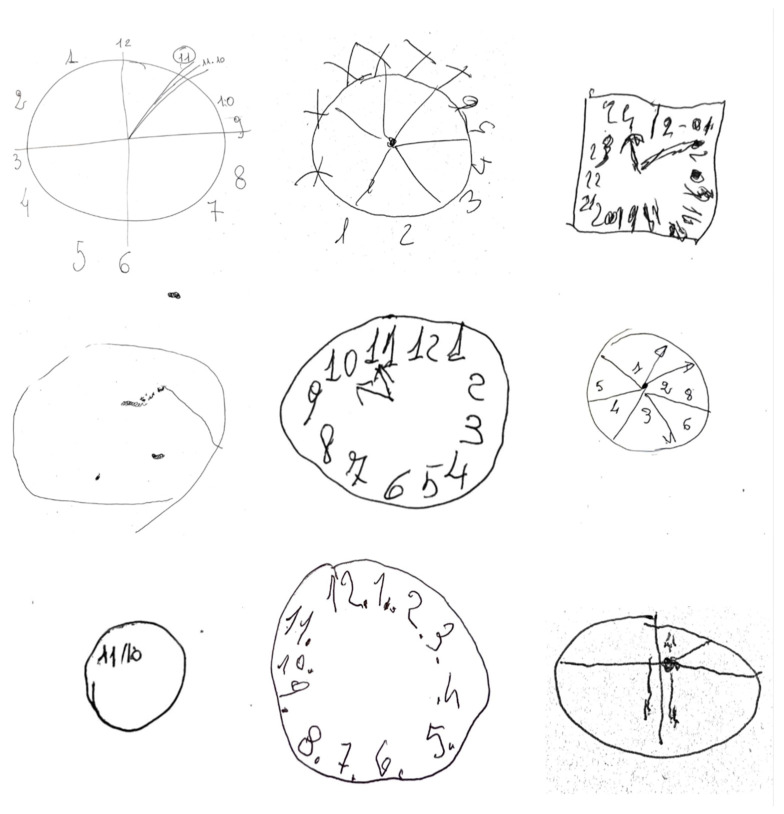 Figure 1
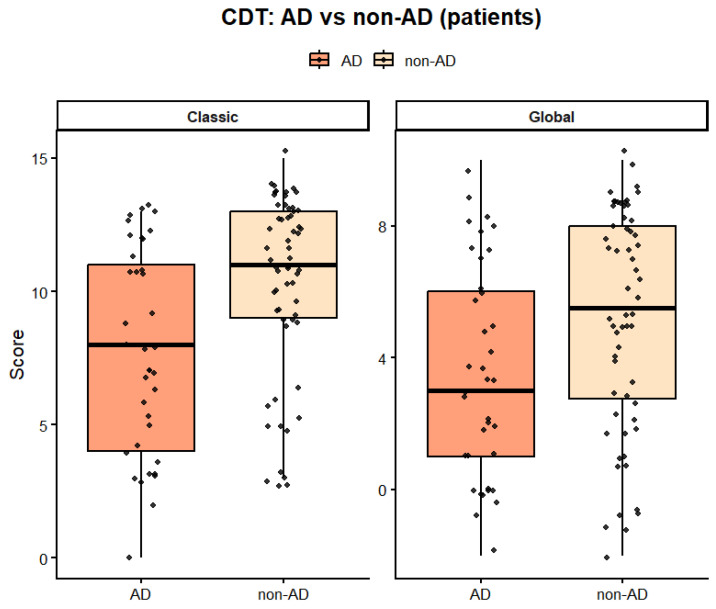 Figure 2
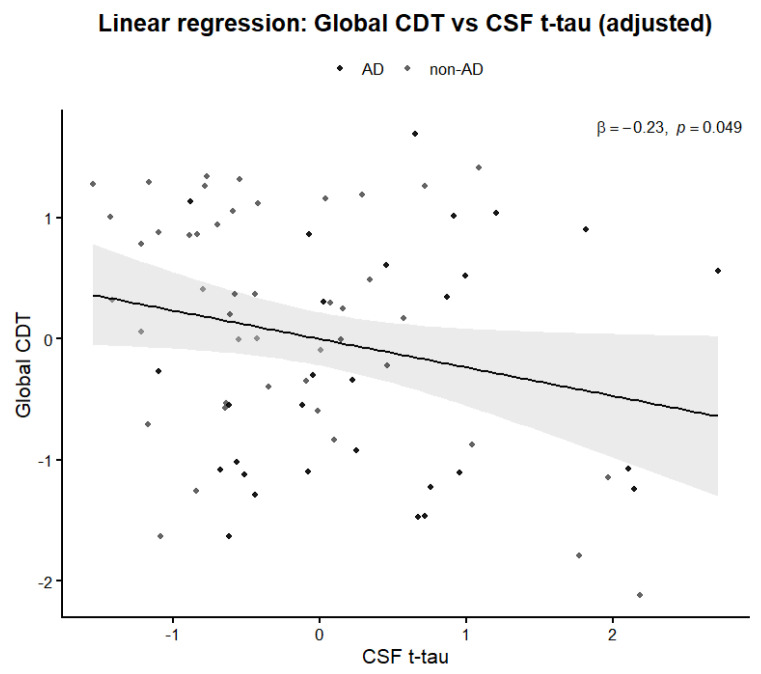 Figure 3
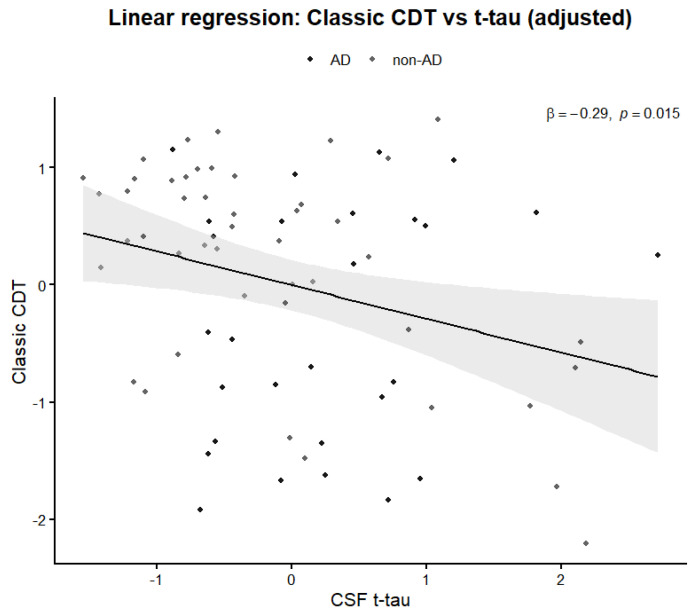 Figure 4
Peer Reviews
No public reviews on file for this paper yet. If you reviewed it on a platform where reviews are public (OpenReview, ICLR, NeurIPS, ICML), you can paste yours below so the community can read it here.
Videos
No videos yet. Explain this paper in a talk, walkthrough, or lecture? Add one.
Taxonomy
TopicsDementia and Cognitive Impairment Research · Alzheimer's disease research and treatments · Schizophrenia research and treatment