Hominin Variability and Evolutionary Relationships at Guattari Cave During the Middle and Late Pleistocene (San Felice Circeo, Latina, Italy)
Mauro Rubini, Paola Zaio, Ferdinando Spanό, Flavio Cognigni, Marco Rossi, Alessandro Gozzi, Francesco Di Mario

TL;DR
Fossils from Guattari Cave in Italy reveal diverse hominin traits from the Middle and Late Pleistocene, offering insights into human evolution.
Contribution
The study provides new morphometric evidence of hominin variability and evolutionary relationships in the Mediterranean region.
Findings
The Guattari Cave hominin remains show affinities with Homo erectus, Proto-Neanderthals, classical Neanderthals, and Homo sapiens.
The remains exhibit a mix of primitive and derived traits, indicating significant morpho-anatomical variability.
The findings highlight the Mediterranean as a key region for understanding hominin diversity and evolution.
Abstract
Background/Objectives: Along the Tyrrhenian coast of central Italy, multilayered caves have yielded significant Neanderthal-era human remains. Recent excavations at Guattari Cave uncovered hominin fossils dated to approximately 66–65 ka, revealing a population with notable morpho-anatomical variability exhibiting both plesiomorphic (primitive) and autapomorphic (derived) traits. Methods: Here we present detailed morphometric and comparative analyses of cranial, dental, and postcranial remains, demonstrating affinities with Homo erectus (sensu stricto [s.s.] and lato [s.l.]), Proto-Neanderthals, classical Neanderthals, and Homo sapiens. Results: These findings indicate notable morpho-anatomical variability among the Guattari Cave hominin remains, with affinities to multiple hominin lineages during the Middle and Late Pleistocene. Pleistocene. Conclusions: The Guattari Cave assemblage…
Genes, proteins, chemicals, diseases, species, mutations and cell lines named across the full text — each resolved to its canonical identifier and authoritative record.
Click any figure to enlarge with its caption.
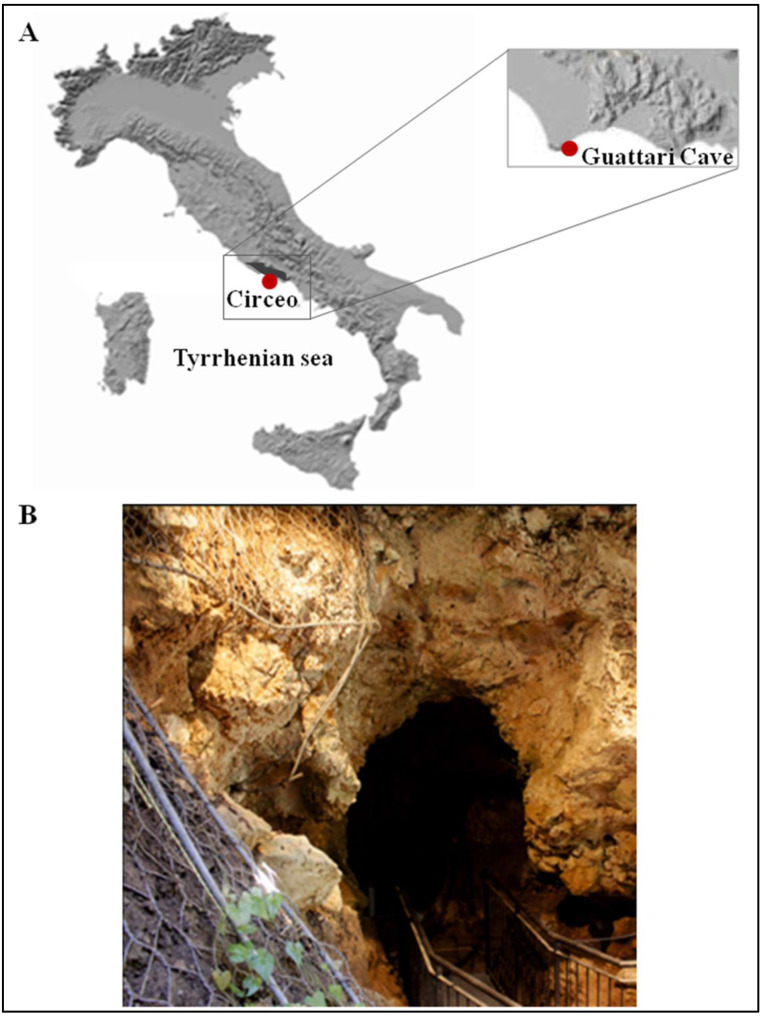 Figure 1
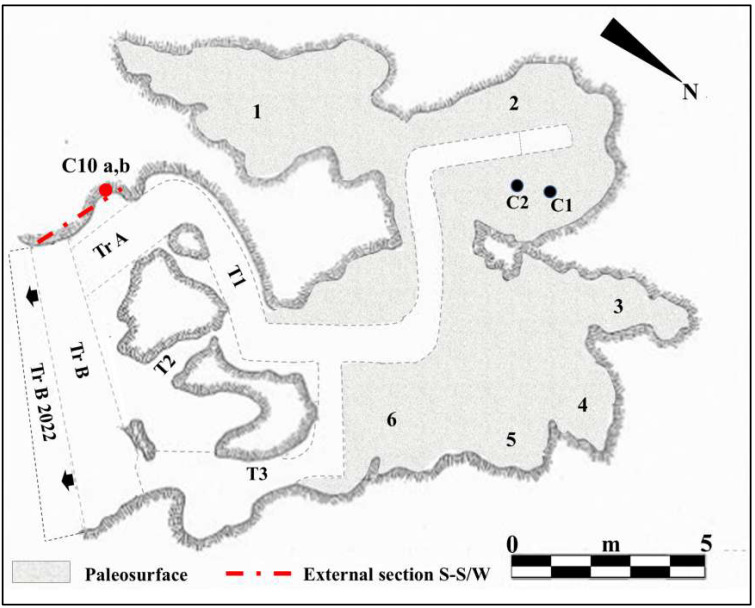 Figure 2
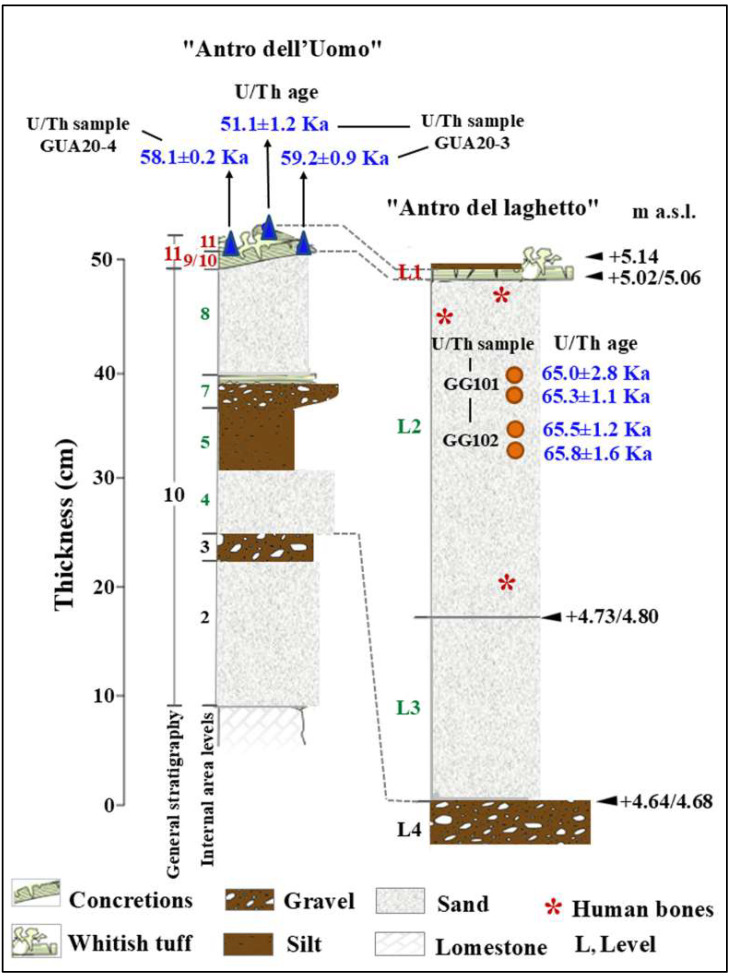 Figure 3
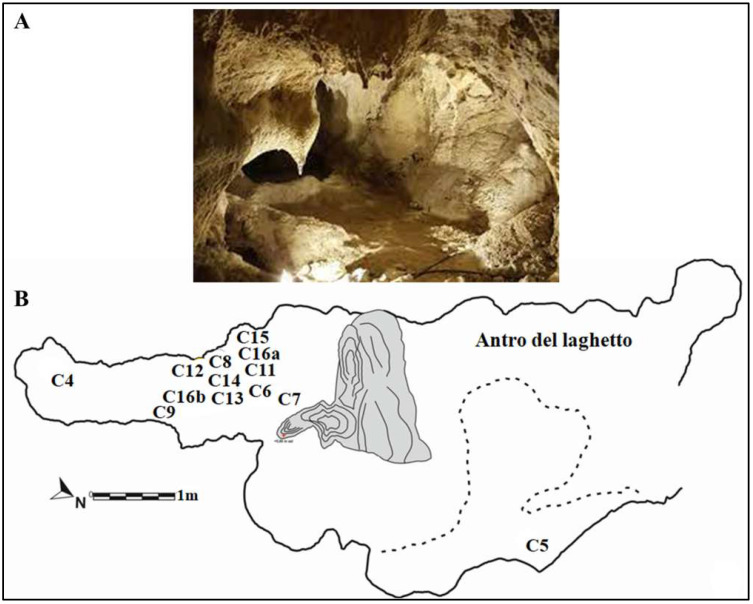 Figure 4
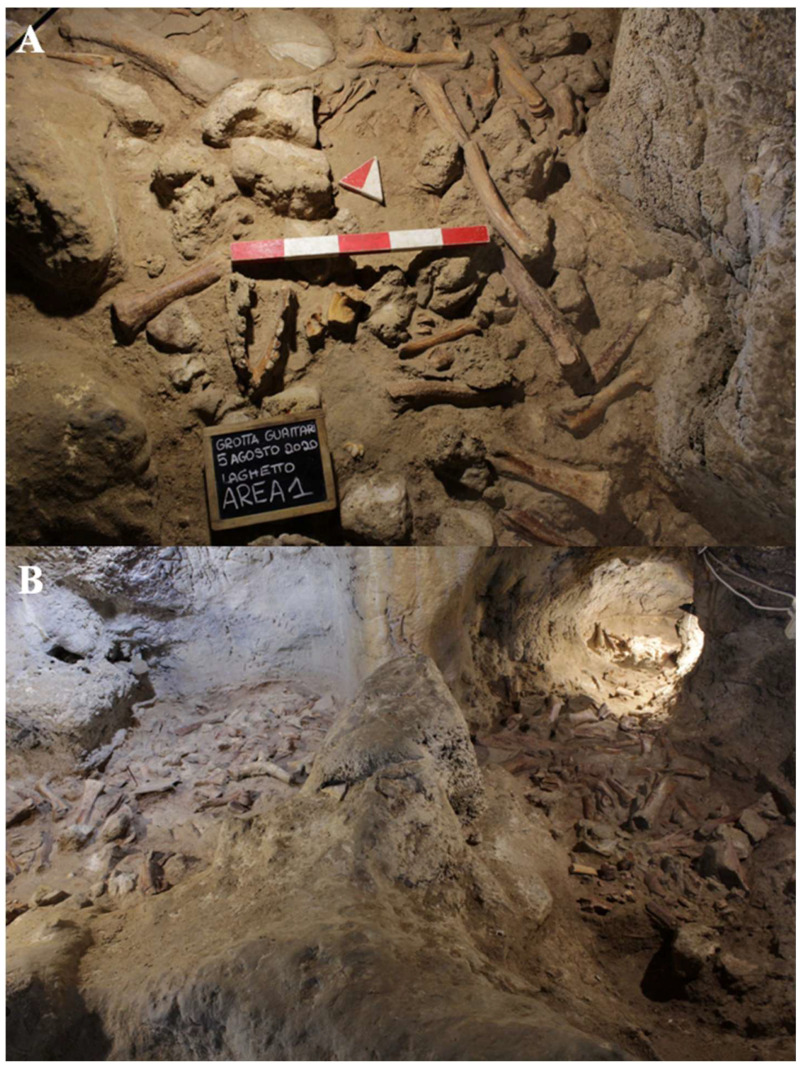 Figure 5
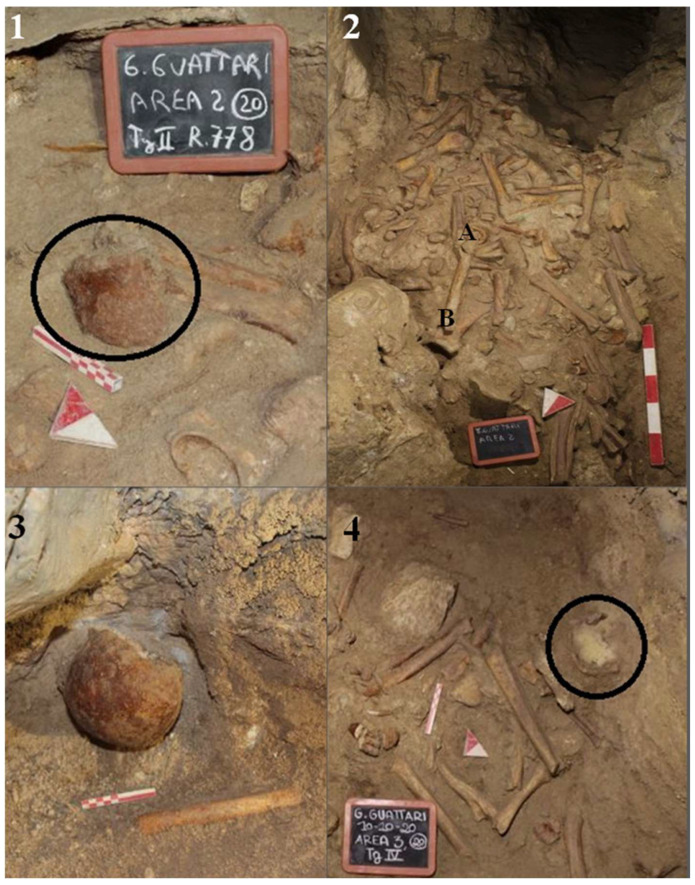 Figure 6
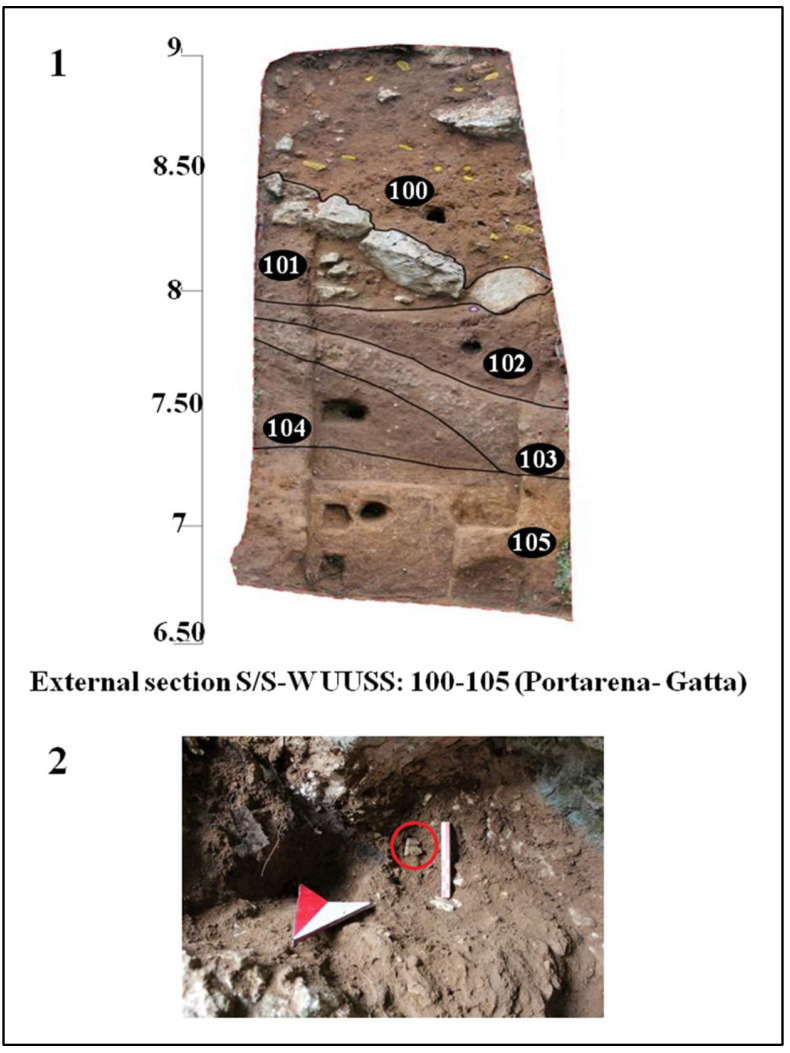 Figure 7
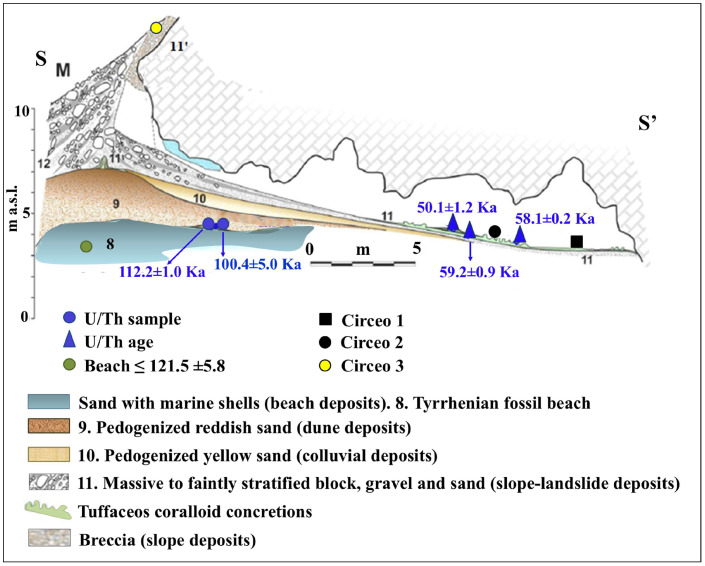 Figure 8
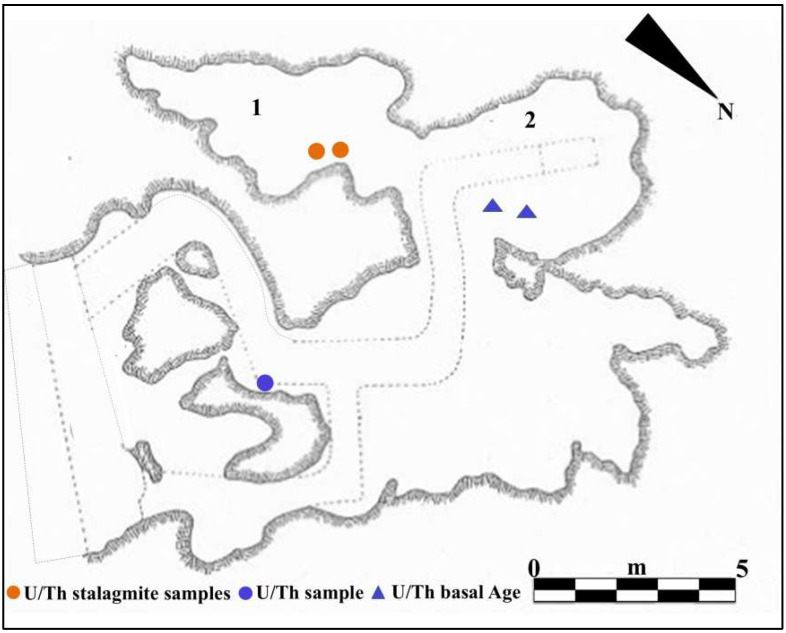 Figure 9
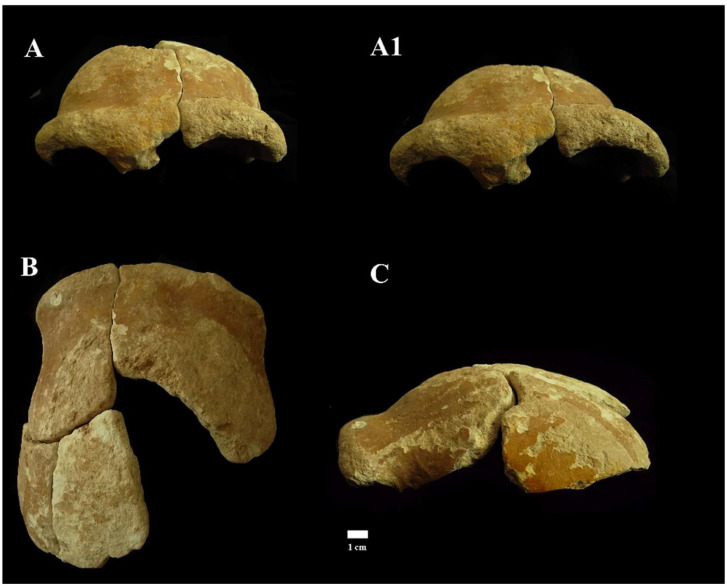 Figure 10
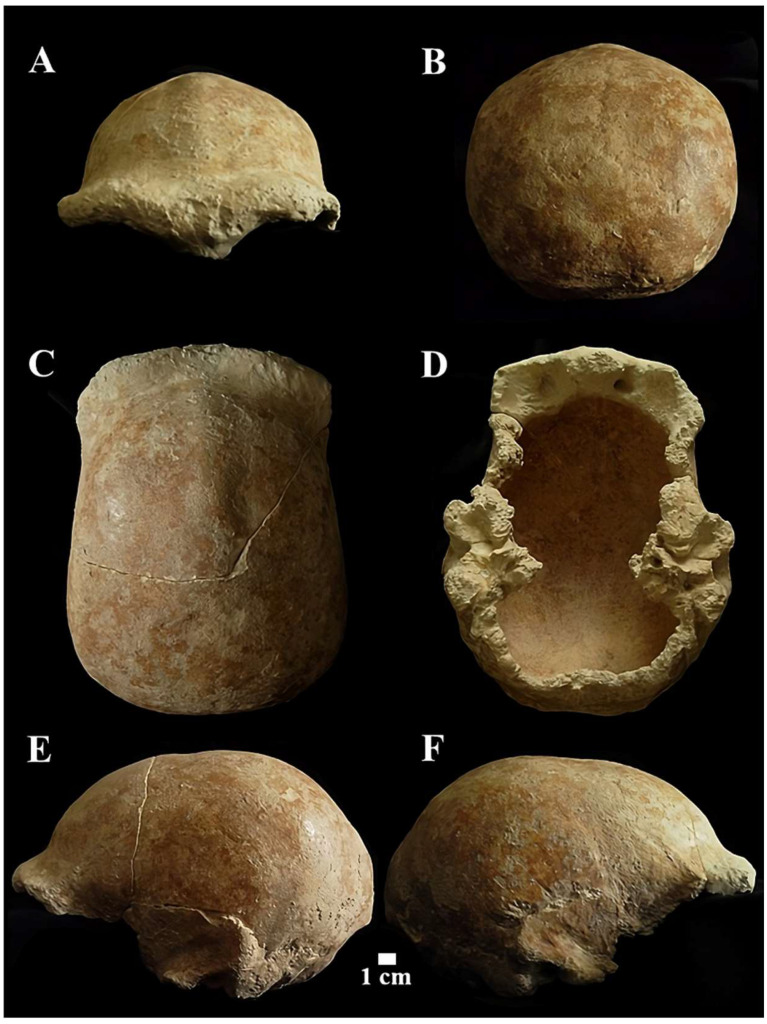 Figure 11
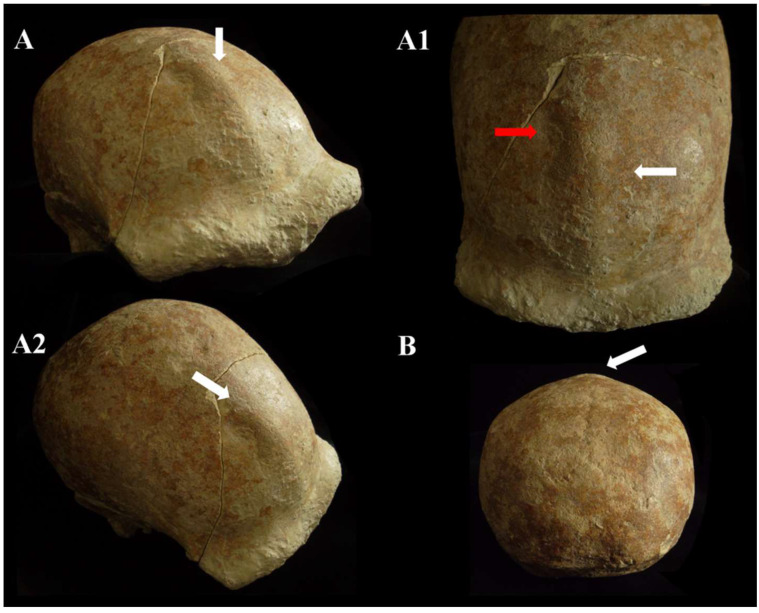 Figure 12
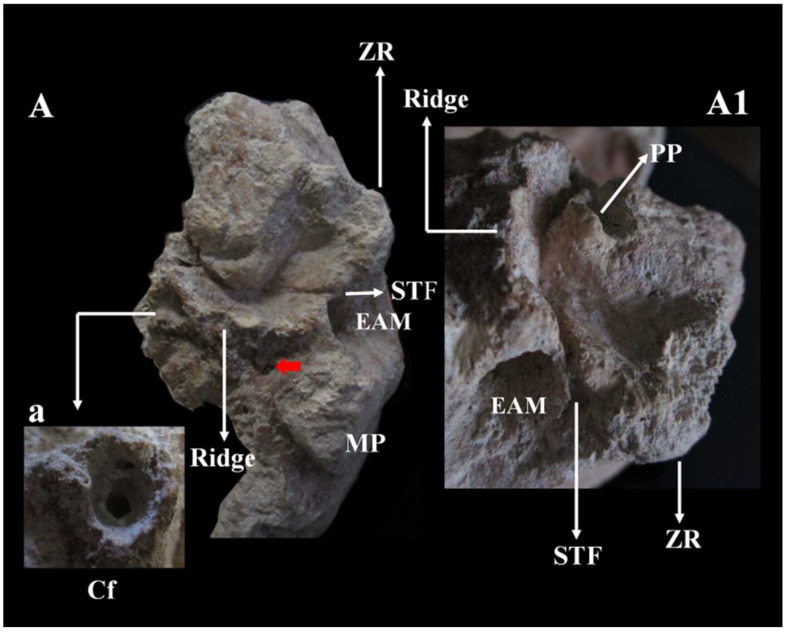 Figure 13
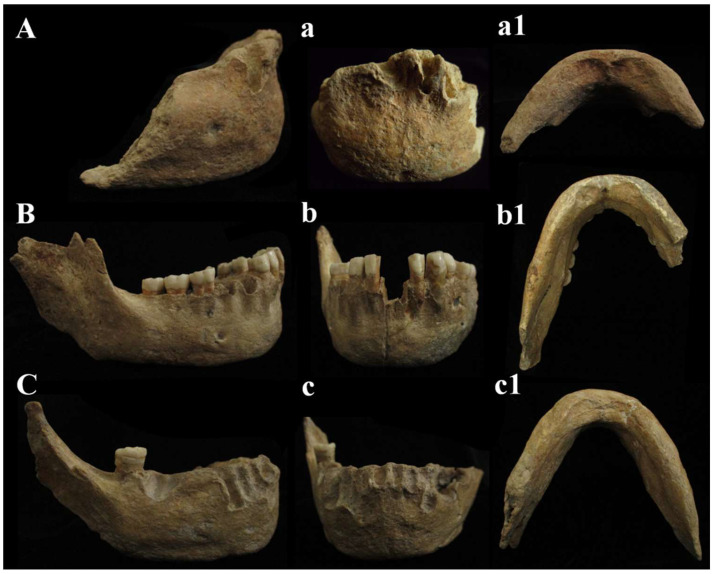 Figure 14
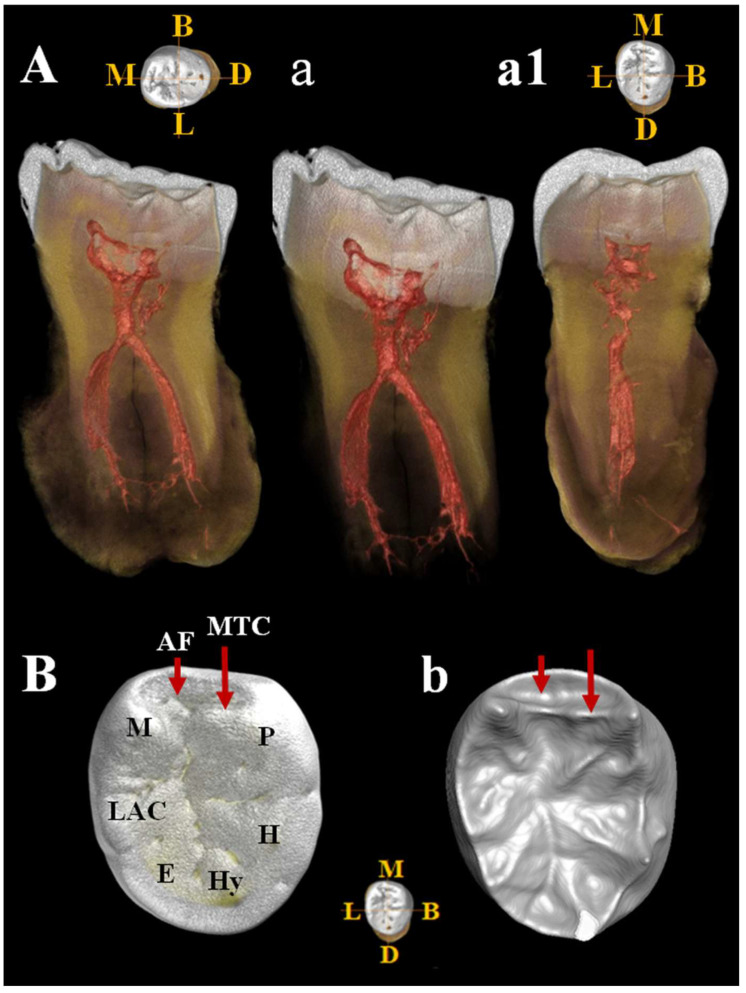 Figure 15
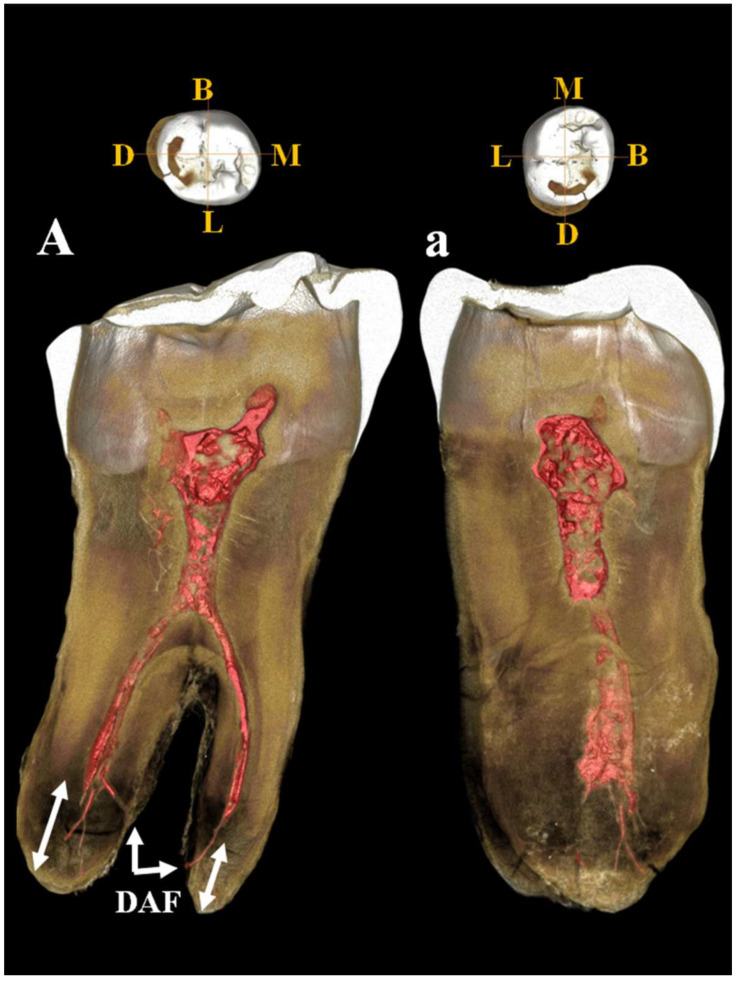 Figure 16
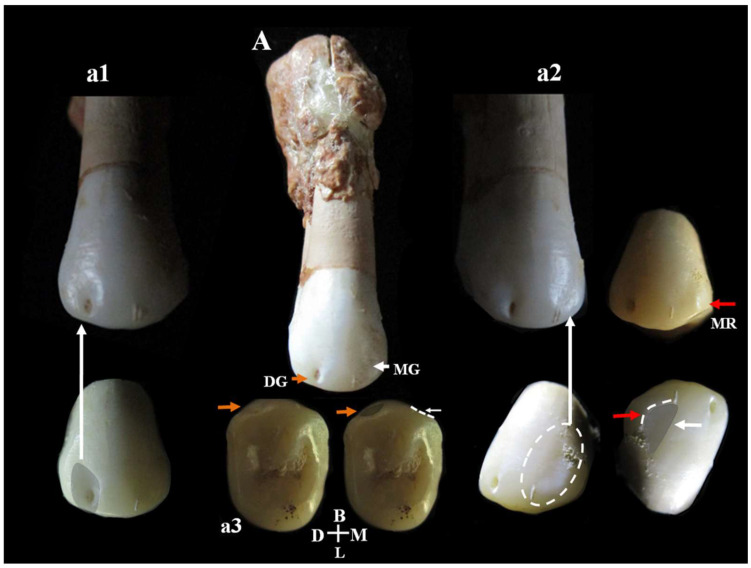 Figure 17
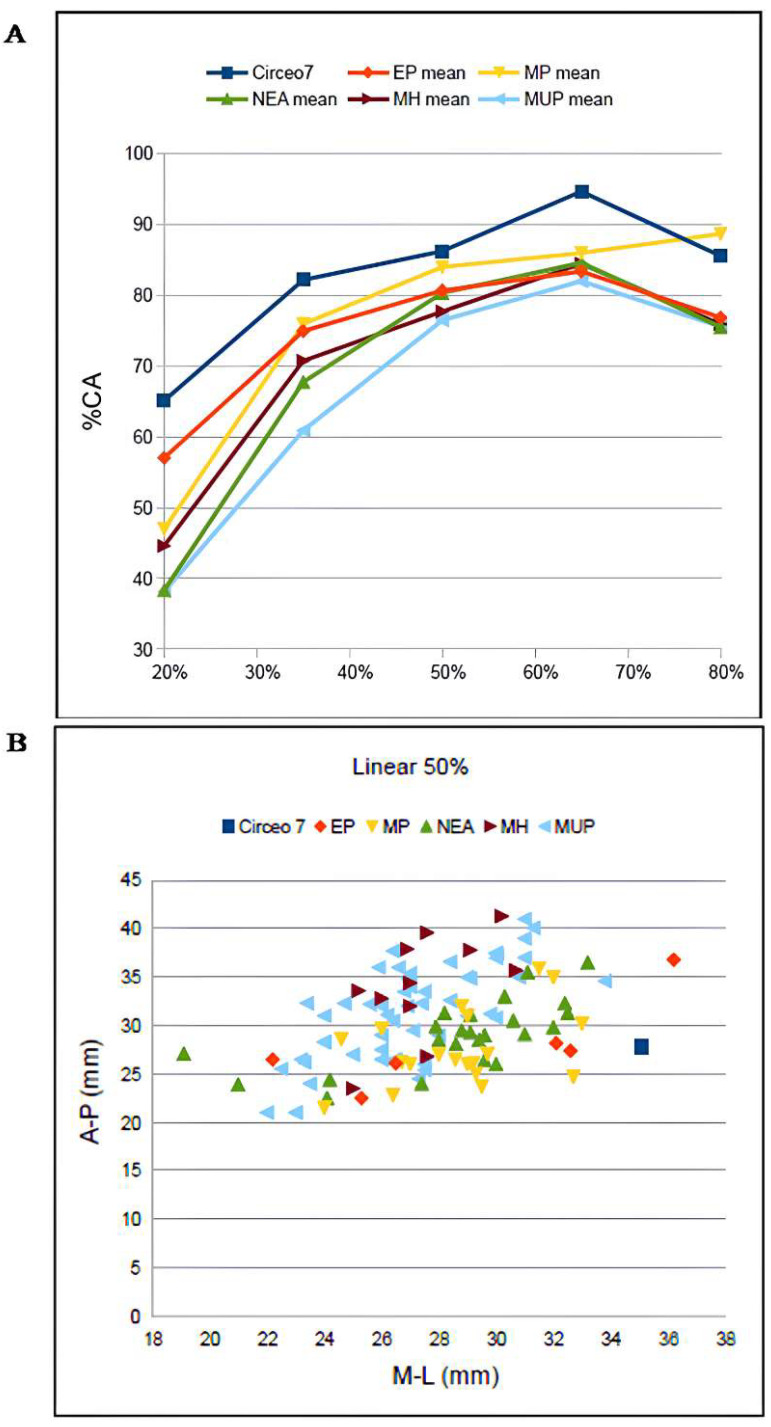 Figure 18
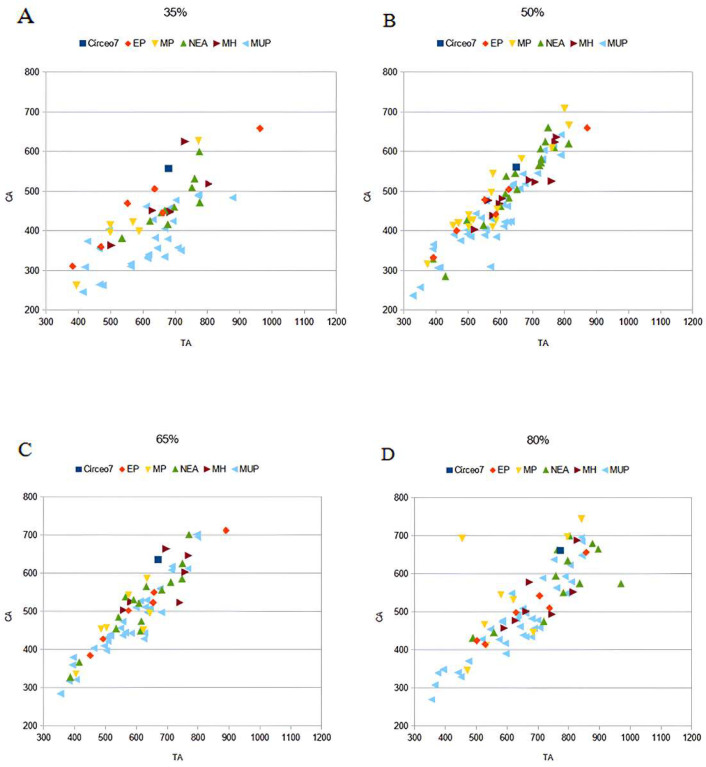 Figure 19
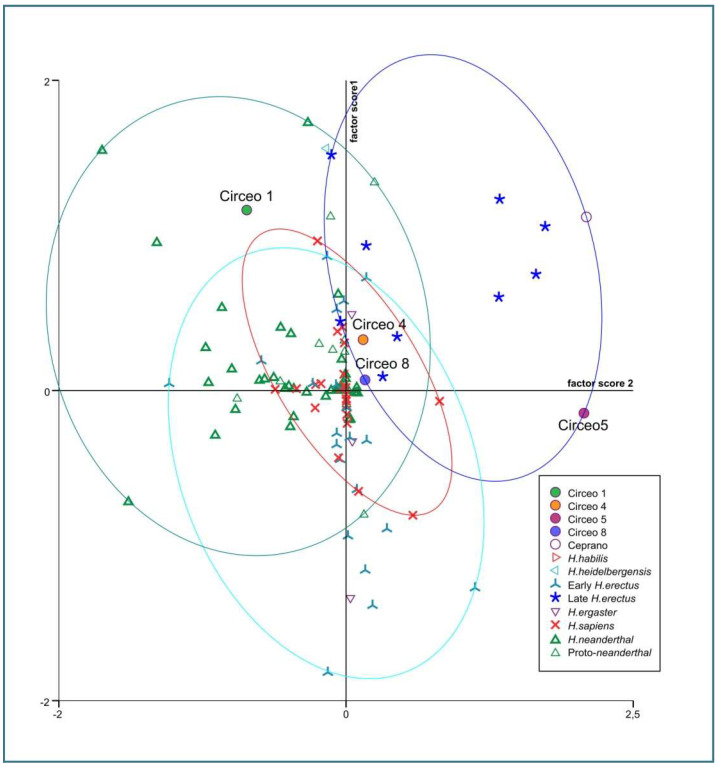 Figure 20
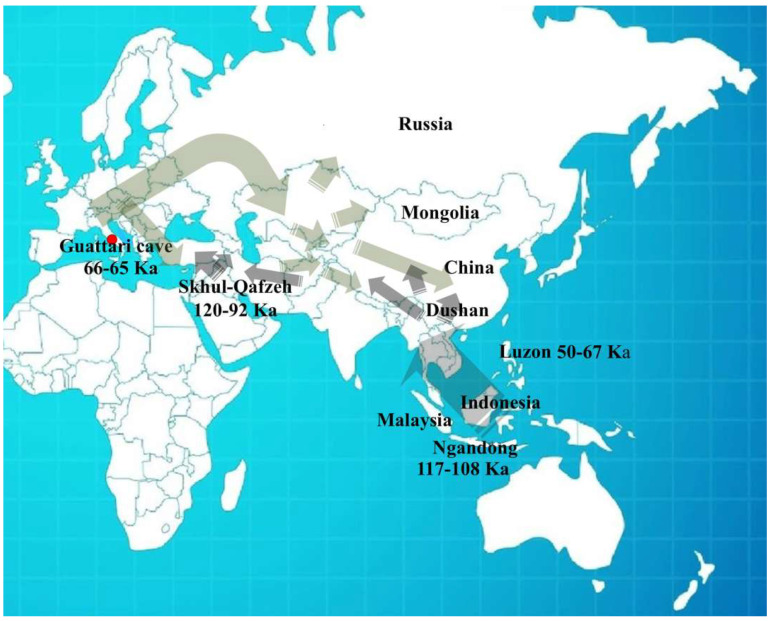 Figure 21
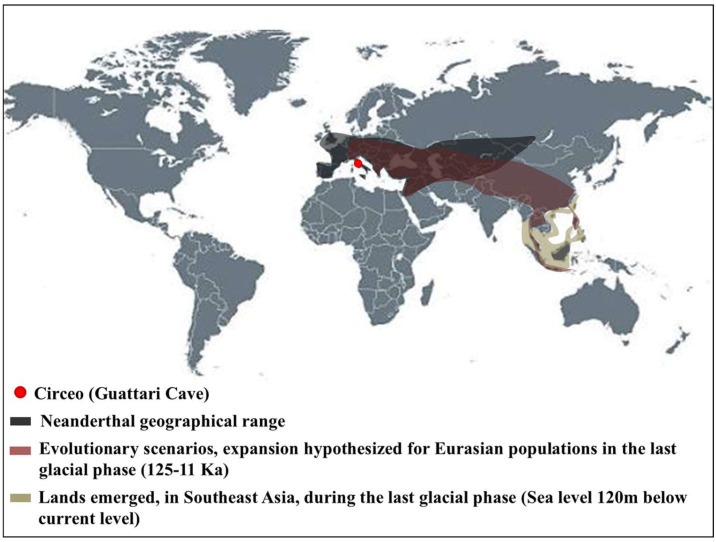 Figure 22
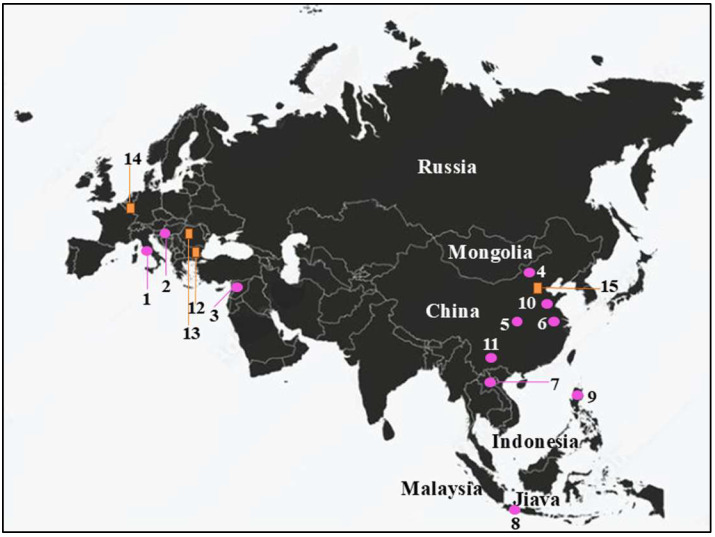 Figure 23
Peer Reviews
No public reviews on file for this paper yet. If you reviewed it on a platform where reviews are public (OpenReview, ICLR, NeurIPS, ICML), you can paste yours below so the community can read it here.
Videos
No videos yet. Explain this paper in a talk, walkthrough, or lecture? Add one.
Taxonomy
TopicsPleistocene-Era Hominins and Archaeology · Primate Behavior and Ecology · Evolution and Paleontology Studies