FlowCLOc, a New Tool for Selecting the Most Appropriate Antibodies in Flow Cytometry
Valentina Serra, Valeria Orrù, Sandra Lai, Mariano Dei, Michele Marongiu, Maria Grazia Piras, Francesca Virdis, Matteo Floris, Giuseppe Delogu, Valeria Lodde, Mauro Pala, Maristella Pitzalis, Edoardo Fiorillo, Francesco Cucca

TL;DR
The paper introduces FlowCLOc, a tool that helps scientists choose the best antibodies for flow cytometry when working with frozen or fresh immune cell samples.
Contribution
FlowCLOc is a novel public catalogue that provides marker expression variability data to streamline antibody selection for flow cytometry.
Findings
Cryopreservation altered the expression of over 20% of 283 markers in lympho-monocytes and 262 in blood.
FlowCLOc enables efficient panel design by cataloging marker variability between fresh and frozen samples.
The tool reduces the need for time-consuming preliminary tests in flow cytometry experiments.
Abstract
Circulating immune cells are frequently phenotyped by flow cytometry starting from frozen samples. However, cryopreservation can affect marker expression and cell recovery. To understand which antigens are detectable and reliable after sample cryopreservation, we compared 438 antibodies measured on B, T, and NK-enriched cells and monocytes in frozen lympho-monocytes and blood with the corresponding fresh blood samples. Cryopreservation affected the expression of 283 markers in lympho-monocytes and 262 in blood, modifying them by more than 20% with respect to fresh blood. Thus, it is essential to carefully evaluate antibody performance when working with frozen samples. To maximize the usability of our results, make them publicly accessible and ready to visualize, we created a catalogue of marker expression variability before and after freezing, namely FlowCLOc. This catalogue simplifies…
Genes, proteins, chemicals, diseases, species, mutations and cell lines named across the full text — each resolved to its canonical identifier and authoritative record.
Click any figure to enlarge with its caption.
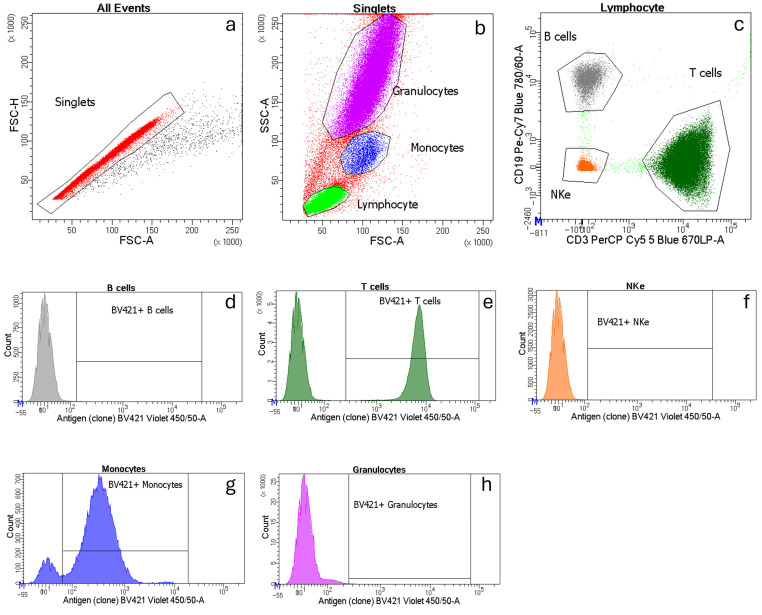 Figure 1
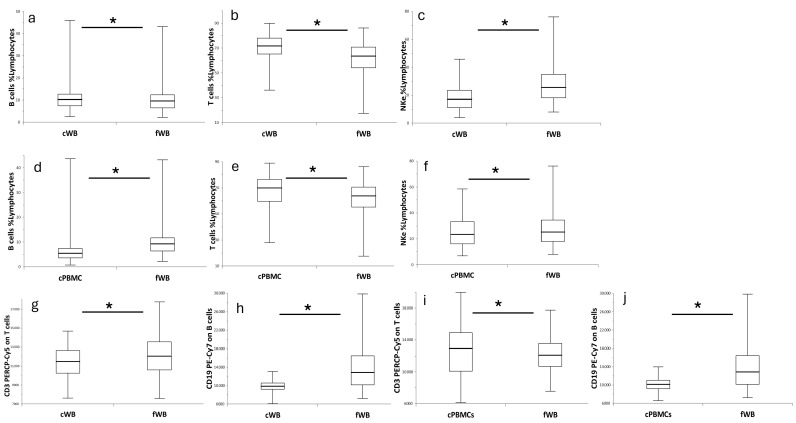 Figure 2
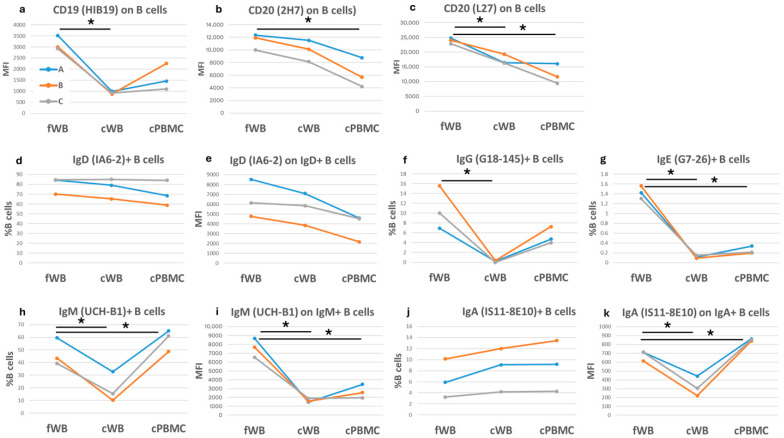 Figure 3
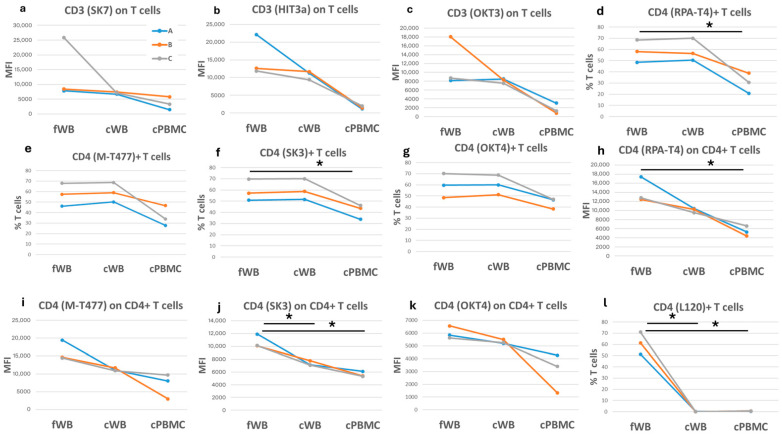 Figure 4
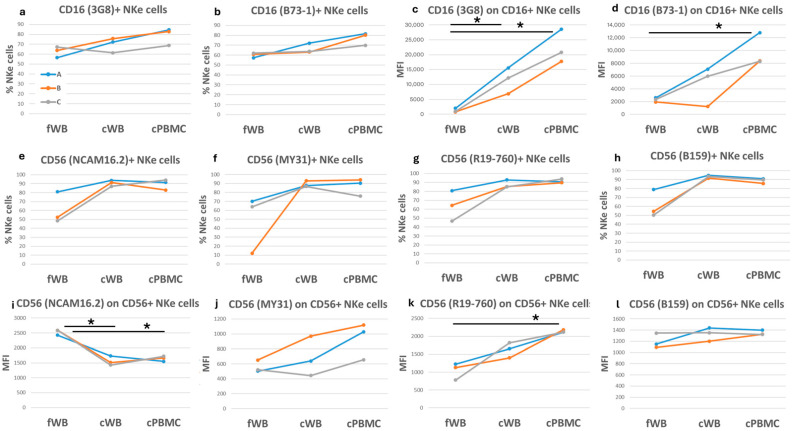 Figure 5
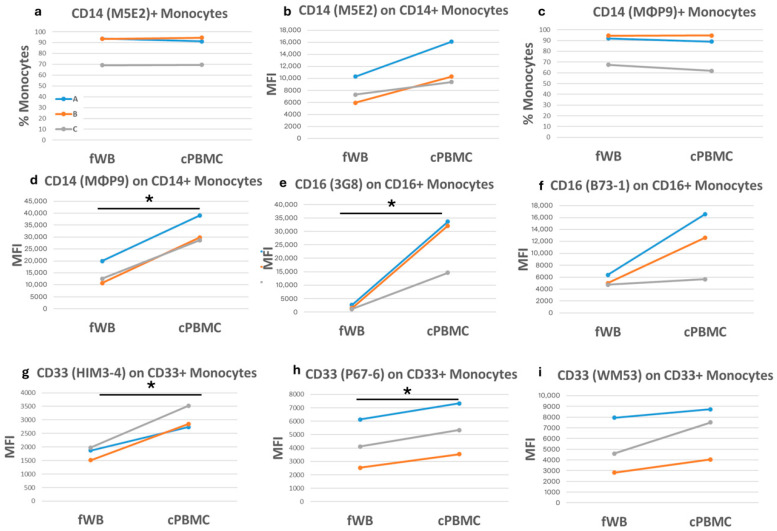 Figure 6
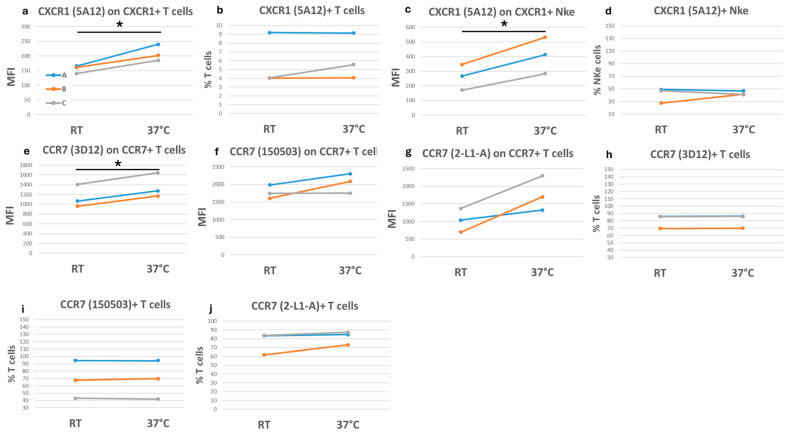 Figure 7
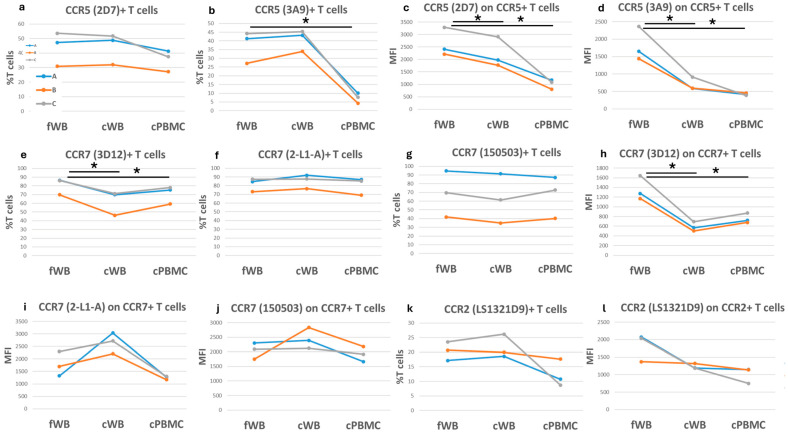 Figure 8
Peer Reviews
No public reviews on file for this paper yet. If you reviewed it on a platform where reviews are public (OpenReview, ICLR, NeurIPS, ICML), you can paste yours below so the community can read it here.
Videos
No videos yet. Explain this paper in a talk, walkthrough, or lecture? Add one.
Taxonomy
TopicsSingle-cell and spatial transcriptomics · Immune Cell Function and Interaction · CAR-T cell therapy research