Network Analysis of Multidimensional Interactions Between Self-Regulatory Fatigue, Decision Conflict, and Quality of Life in Advanced Cancer Patients: Identifying Core Nodes for Precision Intervention
Weiming Zhao, Chunguang Zhou

TL;DR
This study uses network analysis to understand how self-regulatory fatigue, decision conflict, and quality of life interact in advanced cancer patients, identifying key targets for precision interventions.
Contribution
The study introduces a new 'node-targeted intervention' model by identifying core, bridge, and negative nodes in a multidimensional network of patient experiences.
Findings
Emotional Function (F3) and Emotional Fatigue (SF2) form a core emotional cluster in the network.
Uncertainty (D1) is identified as the key cognitive hub, while Functional Status (F4) has the highest Expected Influence.
Effective Decision-Making (D3) is a negative key node associated with adverse network effects.
Abstract
Objective: To address the heavy burden of ego depletion and decision conflict in patients with advanced cancer, this study employed network analysis to explore their interaction mechanisms and identify key intervention targets, overcoming the limitations of traditional linear studies. Methods: A total of 200 patients with advanced cancer were assessed using the Self-Regulatory Fatigue Scale (SRFS), Decisional Conflict Scale (DCS), and Functional Assessment of Cancer Therapy-General (FACT-G). A Gaussian Graphical Model (GGM) was constructed to identify key nodes. Results: Network analysis revealed a tight interactive network among ego depletion, decision conflict, and quality of life. Emotional Function (F3) and Emotional Fatigue (SF2) formed a core emotional cluster, while Uncertainty (D1) was the key cognitive hub. The core nodes F3, D1, and Social/Family Function (F2) were identified…
Genes, proteins, chemicals, diseases, species, mutations and cell lines named across the full text — each resolved to its canonical identifier and authoritative record.
Click any figure to enlarge with its caption.
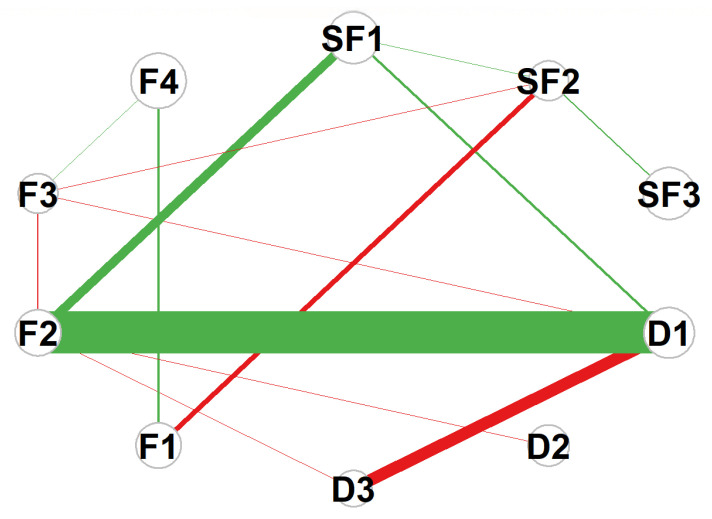 Figure 1
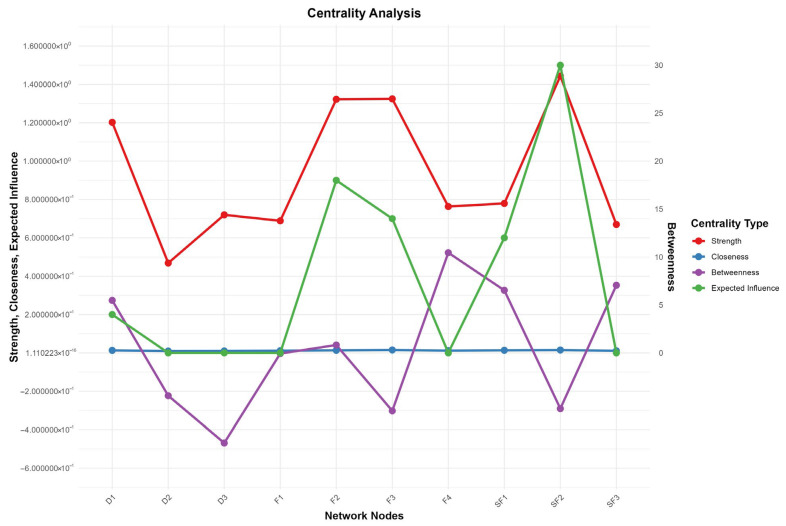 Figure 2
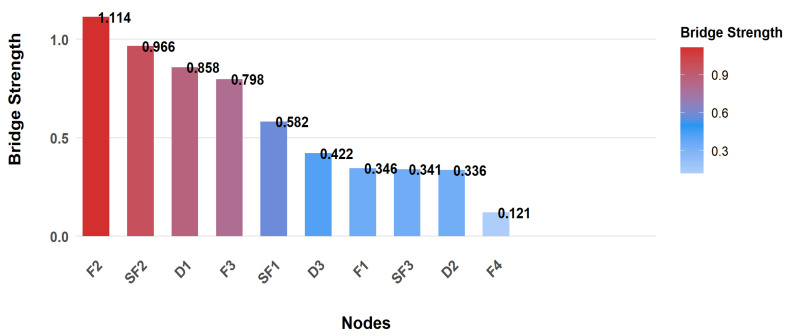 Figure 3
 Figure 4
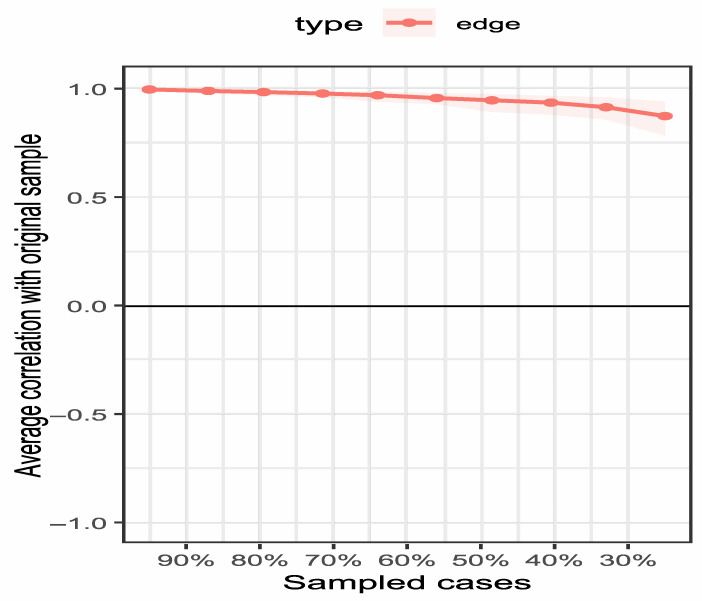 Figure 5
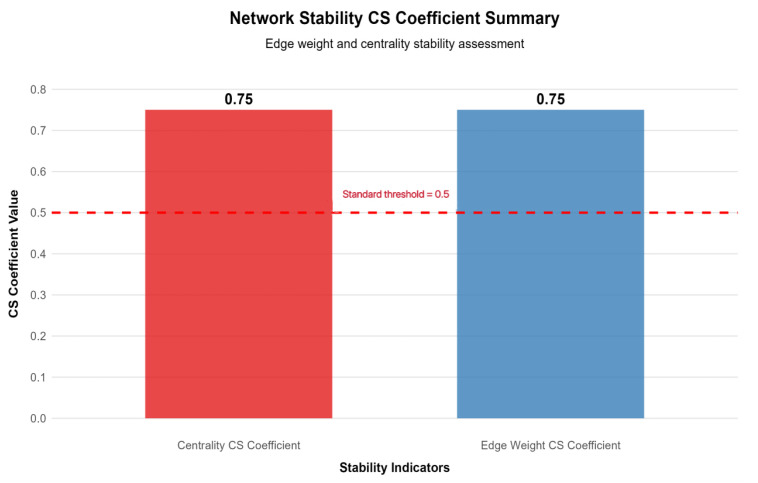 Figure 6
Peer Reviews
No public reviews on file for this paper yet. If you reviewed it on a platform where reviews are public (OpenReview, ICLR, NeurIPS, ICML), you can paste yours below so the community can read it here.
Videos
No videos yet. Explain this paper in a talk, walkthrough, or lecture? Add one.
Taxonomy
TopicsMental Health Research Topics · Cancer survivorship and care · Chronic Disease Management Strategies