Adverse Childhood Experiences Promote Increased and Selective Caregiving in Adulthood
Ray M. Merrill

TL;DR
People who experienced childhood adversity are more likely to become caregivers in adulthood, often prioritizing others' needs over their own.
Contribution
This study identifies a strong link between various types of adverse childhood experiences and increased caregiving behavior in adulthood.
Findings
All types of adverse childhood experiences are significantly associated with increased caregiving in adulthood.
Adults with more ACEs are more likely to care for spouses, children, or friends rather than parents or grandparents.
Living with a mentally ill or suicidal caregiver is the strongest predictor of adult caregiving behavior.
Abstract
Public health relevance—How does this work relate to a public health issue? Adverse Childhood Experiences (ACEs) can prompt parentification, which often extends to a propensity toward providing caregiving as adults.All types of ACEs can significantly increase providing caregiving as adults. Adverse Childhood Experiences (ACEs) can prompt parentification, which often extends to a propensity toward providing caregiving as adults. All types of ACEs can significantly increase providing caregiving as adults. Public health significance—Why is this work of significance to public health? While ACE-induced parentification may foster some positive characteristics, like empathy, responsibility, life skills, coping skills, and autonomy, it may result in adults becoming compulsive caretakers in relationships, putting others’ needs first, and feeling their self-worth depends on “being…
Genes, proteins, chemicals, diseases, species, mutations and cell lines named across the full text — each resolved to its canonical identifier and authoritative record.
Click any figure to enlarge with its caption.
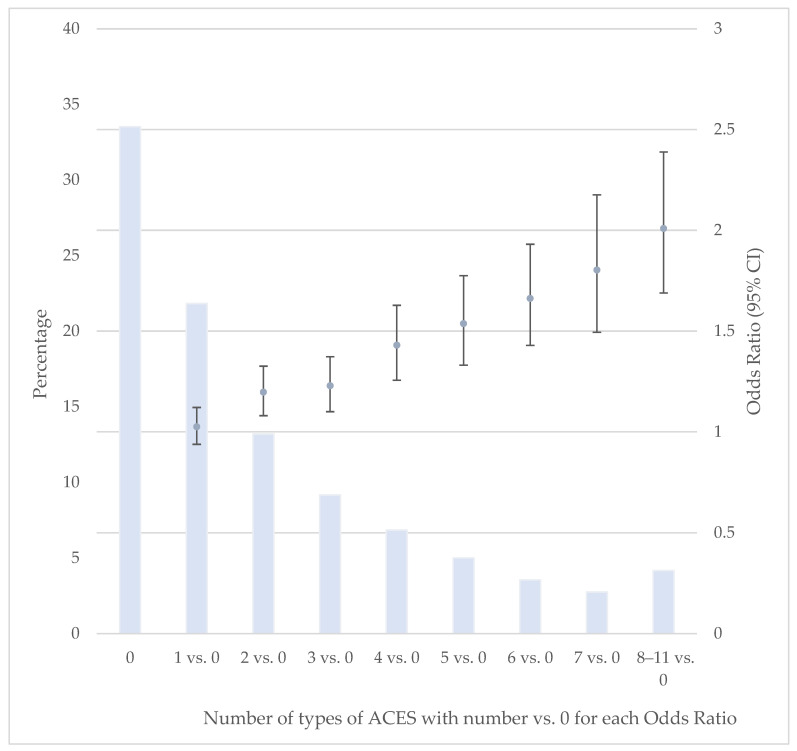 Figure 1
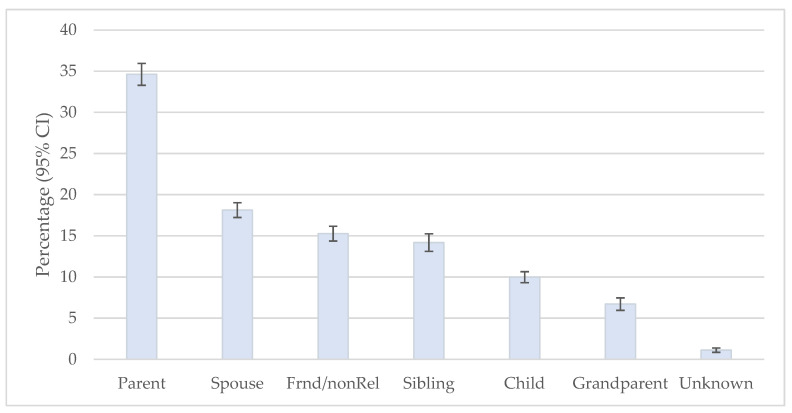 Figure 2
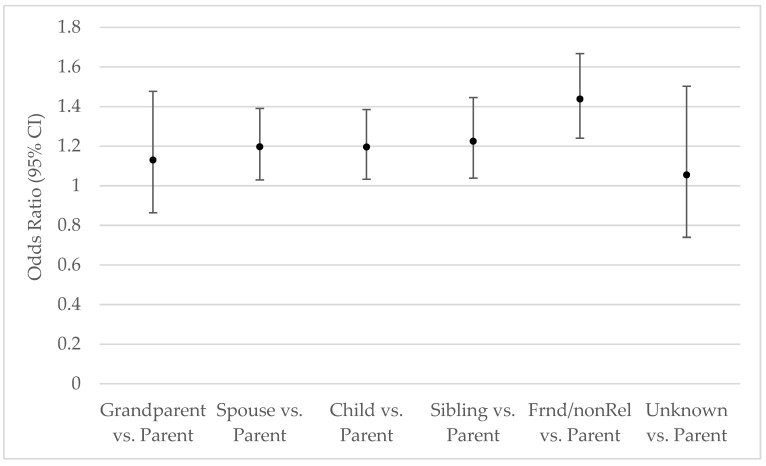 Figure 3
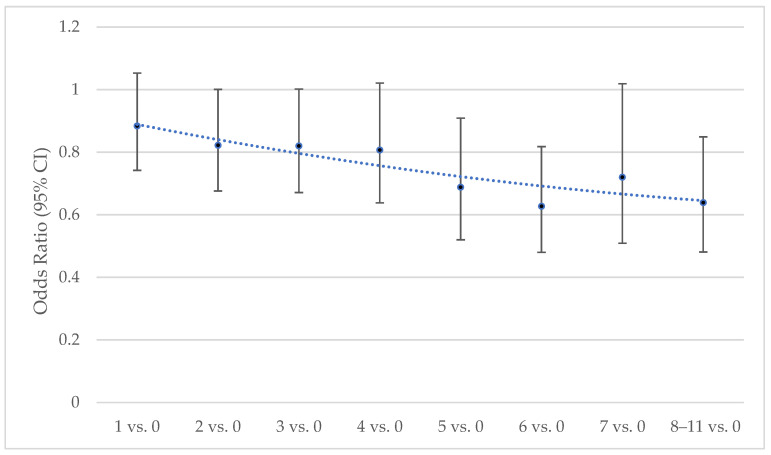 Figure 4
Peer Reviews
No public reviews on file for this paper yet. If you reviewed it on a platform where reviews are public (OpenReview, ICLR, NeurIPS, ICML), you can paste yours below so the community can read it here.
Videos
No videos yet. Explain this paper in a talk, walkthrough, or lecture? Add one.
Taxonomy
TopicsFamily Support in Illness · Child Welfare and Adoption · Intergenerational Family Dynamics and Caregiving