Sleep-Disordered Breathing in Chung–Jansen Syndrome
Katerina Vlami, Konstantina Kosma, Lamprini Athanasopoulou, Eirini Kokiou, Vasileios Paraschou, Maria Gerogianni, Stylianos Loukides, Melpomeni Peppa

TL;DR
A woman with Chung–Jansen Syndrome was diagnosed with severe sleep apnea, highlighting the need for sleep screening in this rare genetic disorder.
Contribution
This is the first polysomnographic confirmation of sleep-disordered breathing in Chung–Jansen Syndrome.
Findings
The patient had a severe REM-predominant obstructive sleep apnea confirmed by polysomnography.
A de novo splice site variant in the PHIP gene was identified through whole-exome sequencing.
Continuous positive airway pressure improved respiratory and sleep quality in the patient.
Abstract
We report a thirty-six-year-old woman with intellectual disability who was referred for evaluation of suspected obstructive sleep apnea. The initial clinical impression suggested a syndromic case, so comprehensive genetic testing was undertaken. Overnight polysomnography revealed a severe rapid eye movement–predominant obstructive sleep apnea syndrome with an apnea–hypopnea index of 31.9 events per hour, rapid eye movement apnea–hypopnea index of 113.8 events per hour, and lowest oxygen saturation of 66%. Treatment with continuous positive airway pressure improved respiratory and sleep quality indices and was well tolerated. Whole-exome sequencing identified a de novo splice site variant in the pleckstrin homology domain interacting protein gene (c.41-1G > A), confirming a molecular diagnosis of Chung–Jansen Syndrome. Chung–Jansen syndrome is a rare neurodevelopmental disorder caused by…
Genes, proteins, chemicals, diseases, species, mutations and cell lines named across the full text — each resolved to its canonical identifier and authoritative record.
Click any figure to enlarge with its caption.
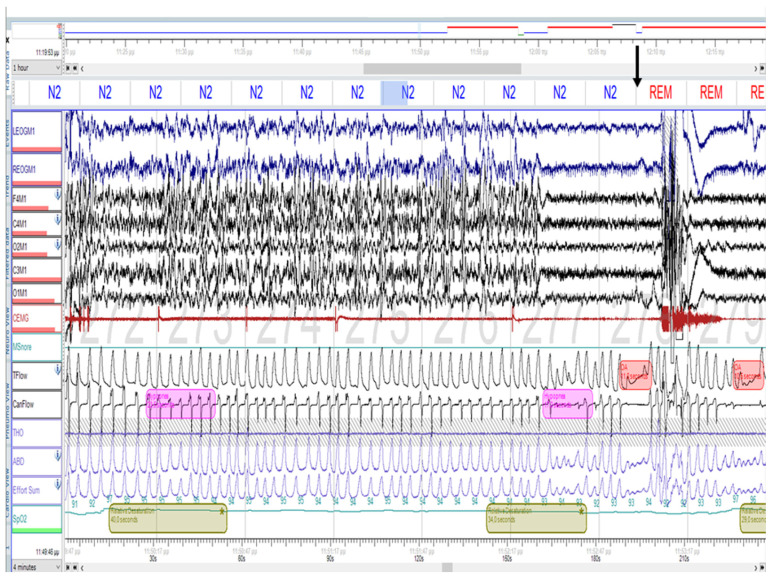 Figure 1
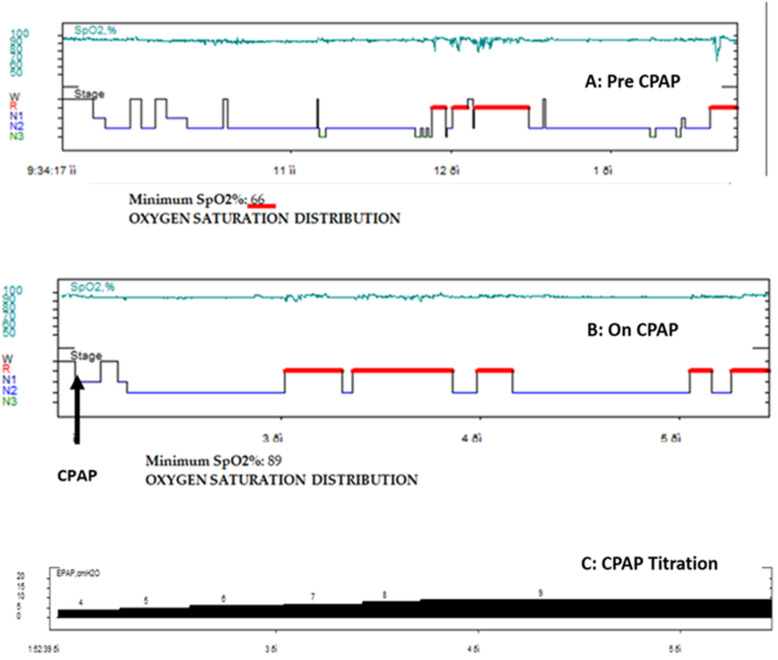 Figure 2
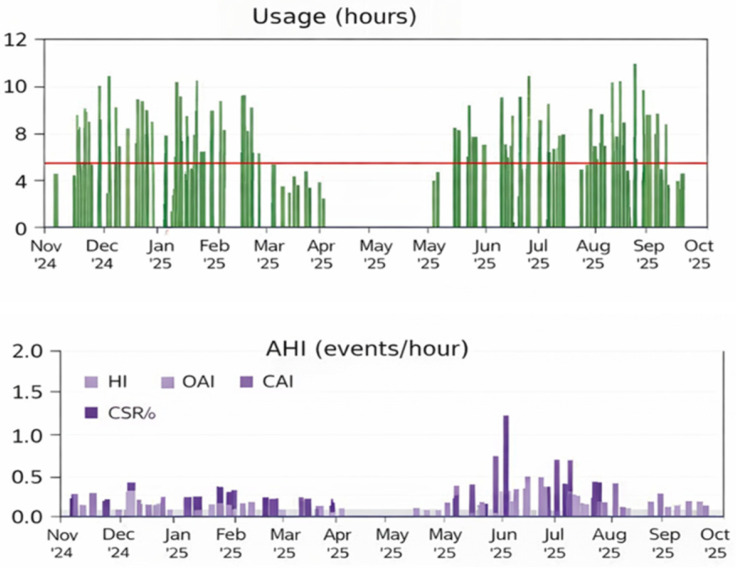 Figure 3
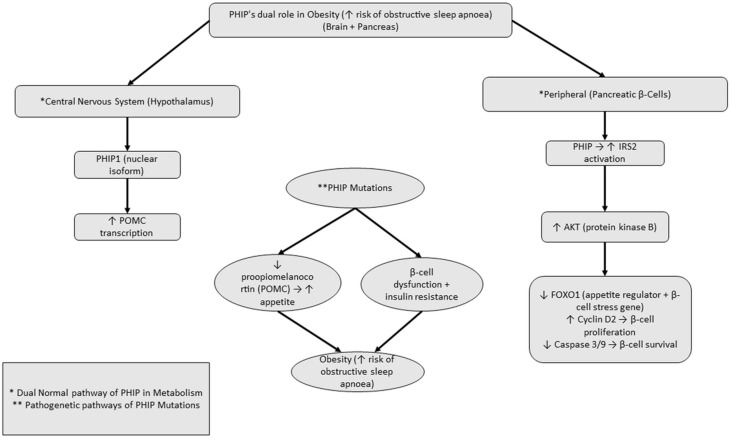 Figure 4
Peer Reviews
No public reviews on file for this paper yet. If you reviewed it on a platform where reviews are public (OpenReview, ICLR, NeurIPS, ICML), you can paste yours below so the community can read it here.
Videos
No videos yet. Explain this paper in a talk, walkthrough, or lecture? Add one.
Taxonomy
TopicsGenomics and Rare Diseases · Connective tissue disorders research · Neurogenetic and Muscular Disorders Research