Association Between Organophosphate Flame Retardant Exposure and Trouble Sleeping: Integrating Epidemiological Evidence with Mechanistic Insights
Yifei Guo, Ke Fan, Wenhan Tang, Caoyue Wu, Xin Ni, Tianqi Ling, Linhao Zong, Fei Ma, Miao Guan

TL;DR
This study finds a link between exposure to a common flame retardant and trouble sleeping, suggesting a possible environmental health risk.
Contribution
The study integrates epidemiological data with molecular mechanisms to propose a novel pathway linking OPFRs to sleep disturbances.
Findings
DBuP, a metabolite of TnBP, shows a non-linear, J-shaped relationship with trouble sleeping.
Network analysis identified five core genes (PPARG, MMP9, PTGS2, APP, EGFR) interacting with DBuP and TnBP.
Molecular docking and simulations suggest TnBP and DBuP bind to these genes, potentially driving inflammatory responses.
Abstract
Trouble sleeping has become a global public health challenge. However, the relationship between organophosphate flame retardant (OPFR) exposure and trouble sleeping remains unclear. This study integrated epidemiological analysis, network toxicology, molecular docking, molecular dynamics simulations, and adverse outcome pathway (AOP) construction to identify OPFRs linked to trouble sleeping and attempted to elucidate underlying molecular mechanisms. We analyzed cross-sectional data from the U.S. National Health and Nutrition Examination Survey (NHANES 2013–2018) involving 4585 eligible adults. Logistic regression confirmed dibutyl phosphate (DBuP) as significantly correlated with trouble sleeping. Restricted cubic splines (RCSs) revealed a significant non-linear, J-shaped relationship between dibutyl phosphate (DBuP) levels and trouble sleeping. Weighted quantile sum (WQS) analysis…
Genes, proteins, chemicals, diseases, species, mutations and cell lines named across the full text — each resolved to its canonical identifier and authoritative record.
Click any figure to enlarge with its caption.
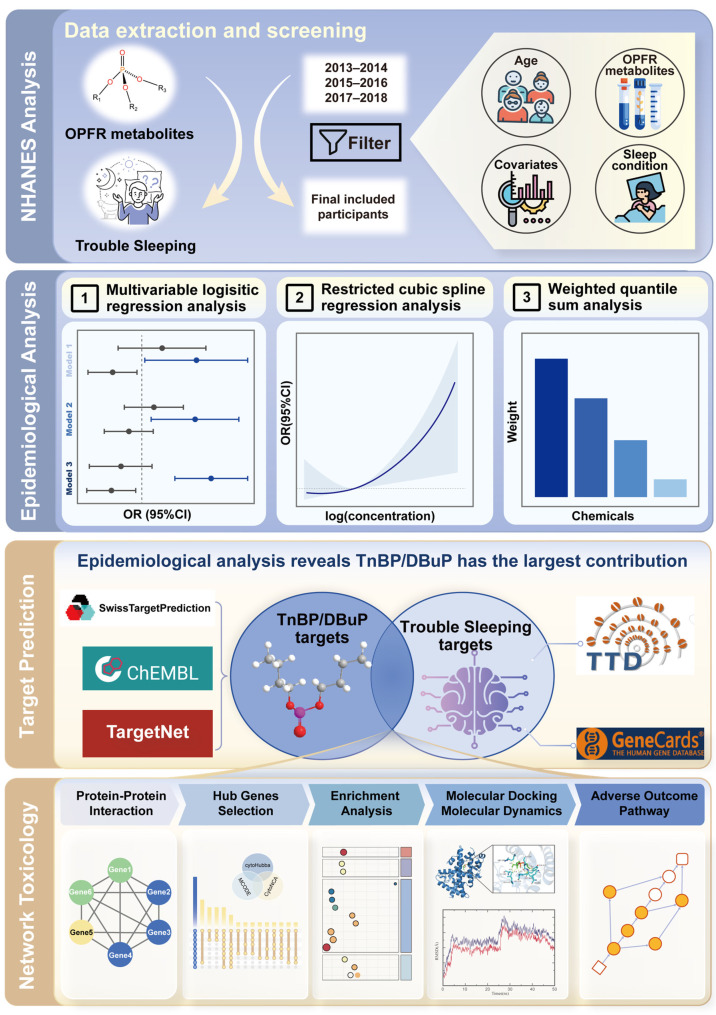 Figure 1
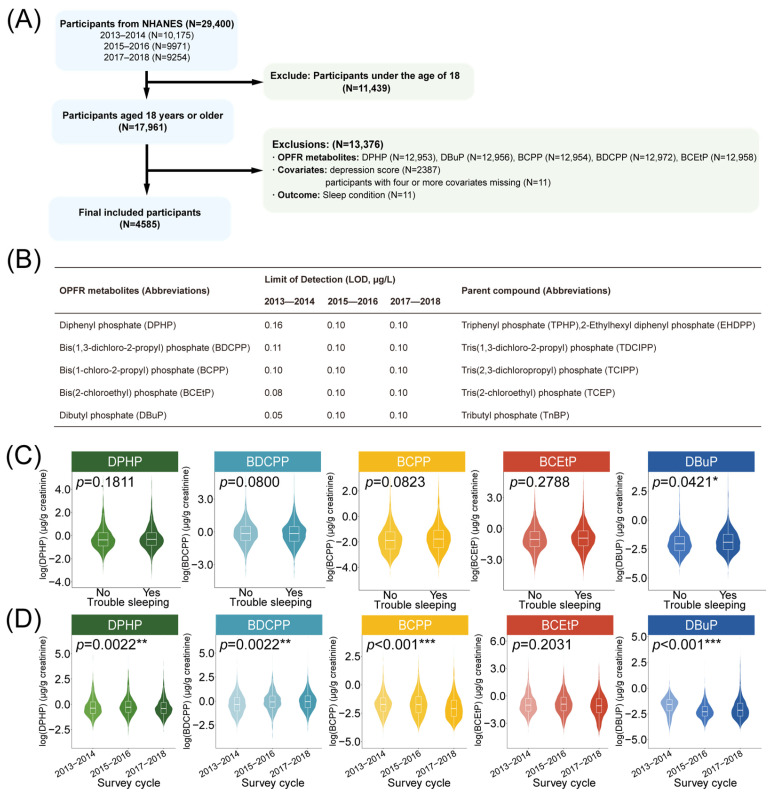 Figure 2
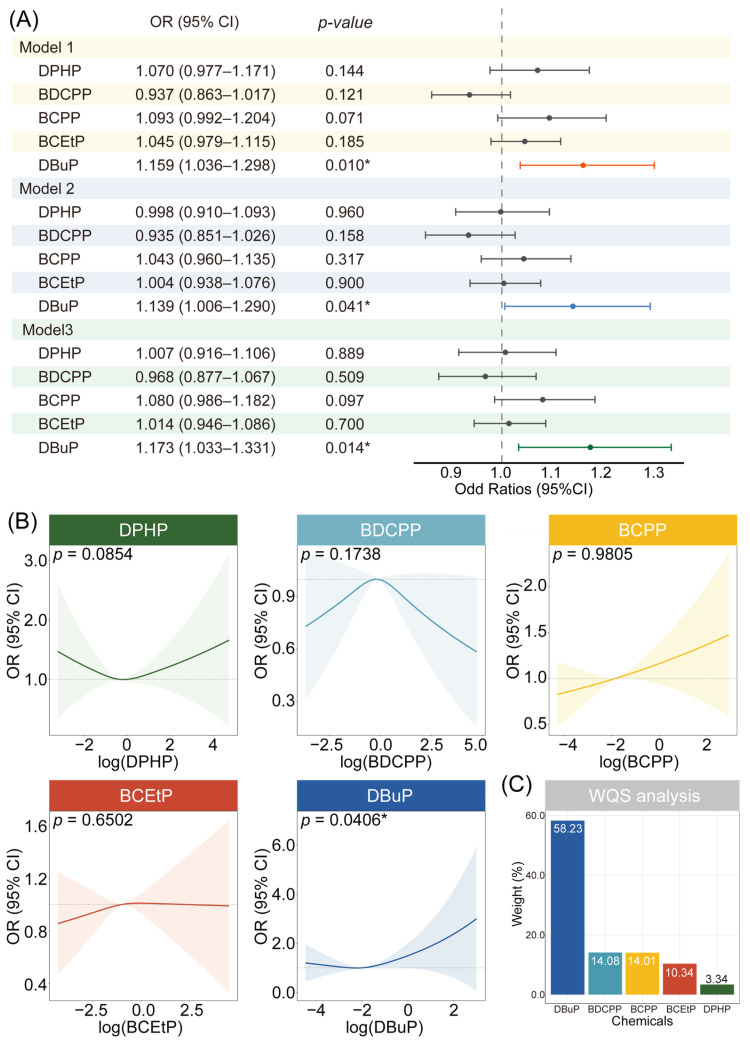 Figure 3
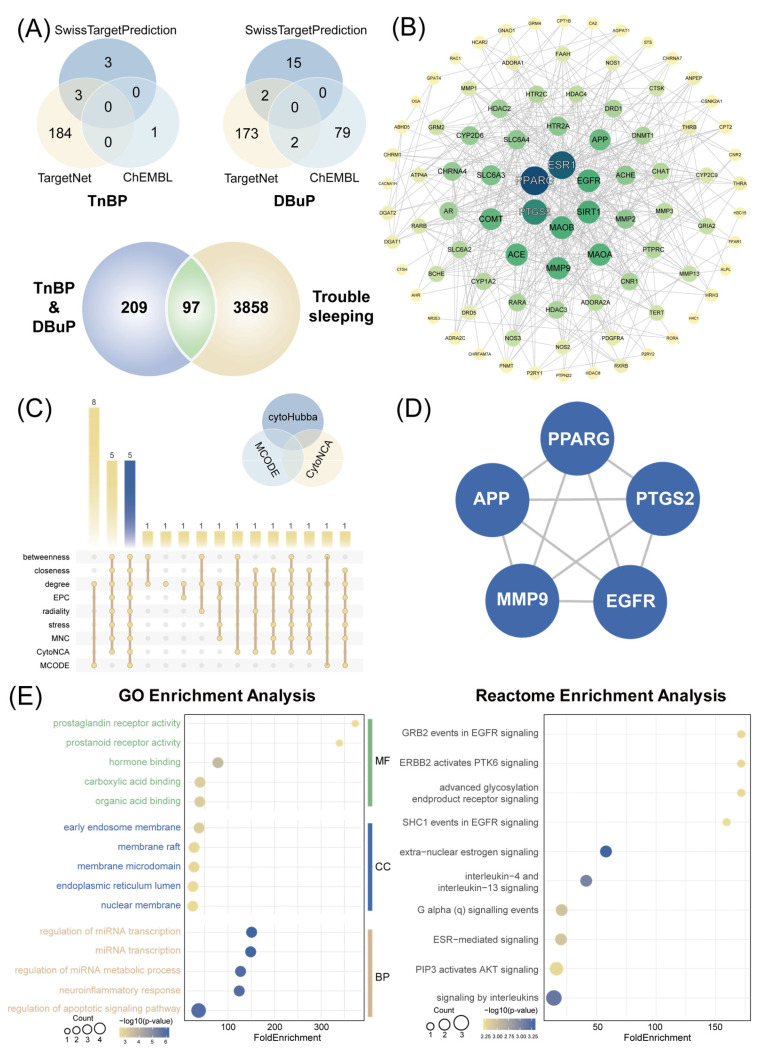 Figure 4
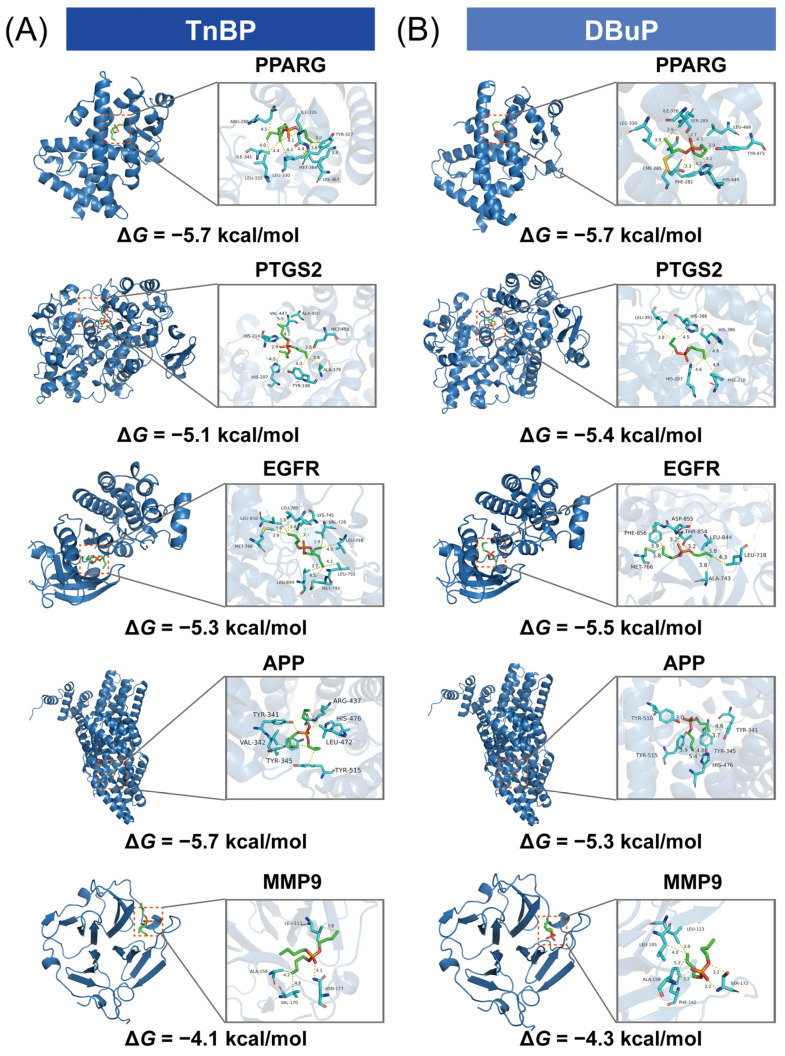 Figure 5
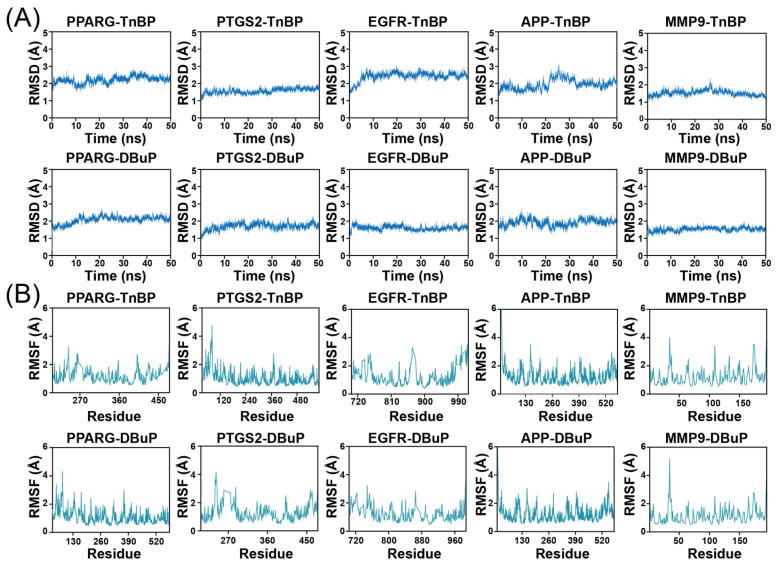 Figure 6
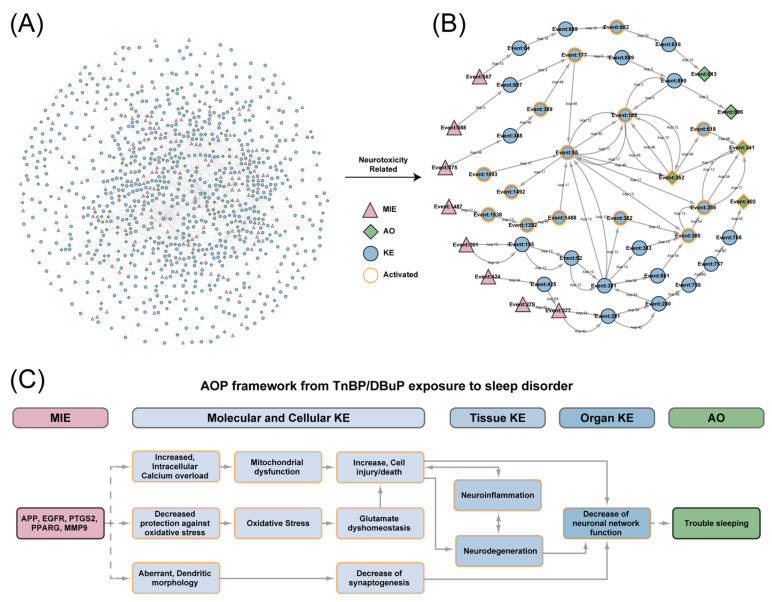 Figure 7
Peer Reviews
No public reviews on file for this paper yet. If you reviewed it on a platform where reviews are public (OpenReview, ICLR, NeurIPS, ICML), you can paste yours below so the community can read it here.
Videos
No videos yet. Explain this paper in a talk, walkthrough, or lecture? Add one.
Taxonomy
TopicsToxic Organic Pollutants Impact · Pesticide Exposure and Toxicity · Per- and polyfluoroalkyl substances research