Predicting Anticipated Telehealth Use: Development of the CONTEST Score and Machine Learning Models Using a National U.S. Survey
Richard C. Wang, Usha Sambamoorthi

TL;DR
This study developed a tool called CONTEST and compared it with machine learning models to predict which patients are less likely to continue using telehealth, finding that convenience and technical issues are key factors.
Contribution
The study introduces the CONTEST score and evaluates its performance alongside machine learning models for predicting telehealth discontinuation risk.
Findings
CONTEST achieved strong discrimination with an AUROC of 0.876 for identifying individuals with lower anticipated telehealth use.
XGBoost performed best among ML models with an AUROC of 0.902 using all features.
Disparities in model fairness were observed across sex and race/ethnicity, with low counterfactual-flip rates.
Abstract
Objectives: Anticipated telehealth use is an important determinant of whether telehealth can function as a durable component of hybrid care models. However, there are limited practical tools to identify patients at risk of discontinuing telehealth. We aim to (1) identify factors associated with anticipated telehealth use; (2) develop a risk stratification tool (CONTEST); (3) compare its performance with machine learning (ML) models; and (4) evaluate model fairness across sex and race/ethnicity. Methods: We conducted a retrospective cross-sectional analysis of the 2024 Health Information National Trends Survey 7 (HINTS 7), including U.S. adults with ≥1 telehealth visit in the prior 12 months. The primary outcome was anticipated telehealth use. Survey-weighted multivariable logistic regression informed a Framingham-style point score (CONTEST). ML models (XGBoost, random forest, logistic…
Genes, proteins, chemicals, diseases, species, mutations and cell lines named across the full text — each resolved to its canonical identifier and authoritative record.
Click any figure to enlarge with its caption.
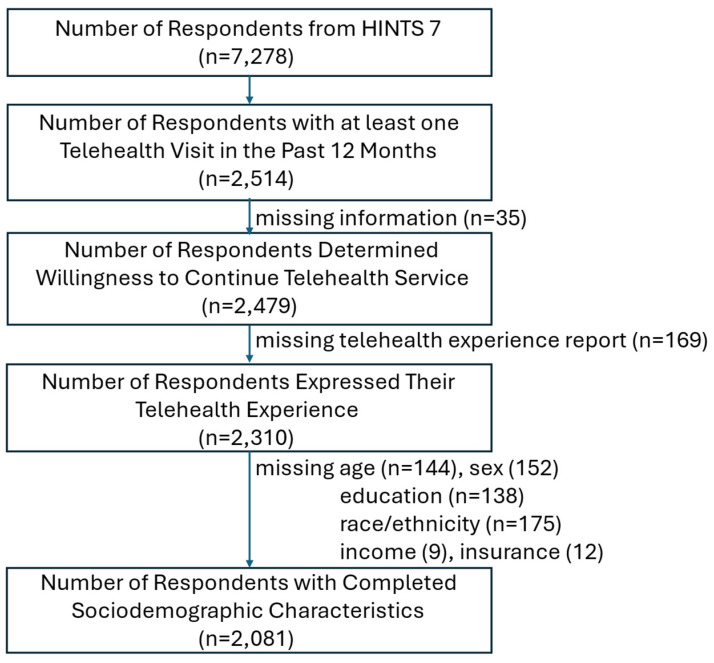 Figure 1
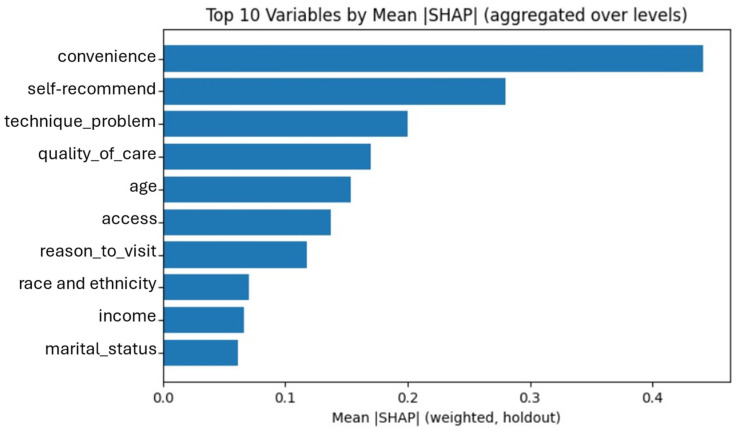 Figure 2
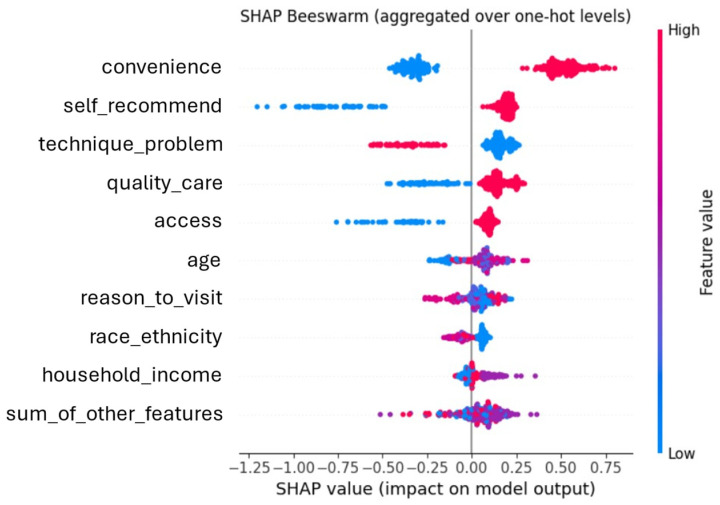 Figure 3
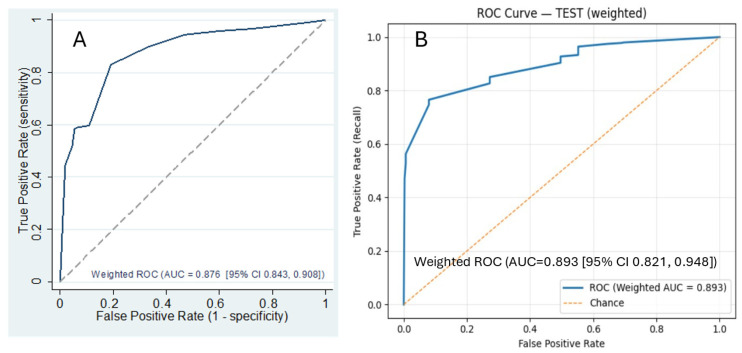 Figure 4
Peer Reviews
No public reviews on file for this paper yet. If you reviewed it on a platform where reviews are public (OpenReview, ICLR, NeurIPS, ICML), you can paste yours below so the community can read it here.
Videos
No videos yet. Explain this paper in a talk, walkthrough, or lecture? Add one.
Taxonomy
TopicsTelemedicine and Telehealth Implementation · Mobile Health and mHealth Applications · Diabetes Management and Education