Integrative Computational Analysis of TP53 Exon 5–6 Mutations in Oral Cavity, Prostate, and Breast Cancers in a Senegalese Population
Mouhamed Mbaye, Fatimata Mbaye, Mbacke Sembene

TL;DR
This study examines TP53 gene mutations in different cancers among a Senegalese population, revealing cancer-specific mutation patterns and their structural and functional impacts.
Contribution
The study provides the first integrative computational analysis of TP53 exon 5–6 mutations in oral cavity, prostate, and breast cancers in a Senegalese population.
Findings
Breast cancer showed the highest TP53 mutation frequency and exon 6 mutations were enriched in breast cancer.
Exon 5 mutations were destabilizing and associated with loss-of-function effects, while exon 6 mutations in prostate and breast cancers were stabilizing.
All analyzed mutations were predicted to stabilize the p53–BCL-2 interaction, suggesting potential oncogenic implications.
Abstract
Background/Objectives: The tumor suppressor gene TP53 is one of the most frequently mutated genes in human cancers, with alterations predominantly affecting its DNA-binding domain (DBD). However, the mutational landscape and functional consequences of TP53 variants remain poorly characterized in African populations. This study aimed to characterize mutations in exons 5–6 of TP53 in oral cavity cancer (OCC), prostate cancer (PC), and breast cancer (BC) in a Senegalese population, and to assess their structural effects, functional consequences, and impact on protein–protein interactions with BCL-2. Methods: Seventy-eight archived tumor DNA samples from Senegalese patients with OCC, PC, and BC were analyzed. Variants were annotated using COSMIC and dbSNP databases. Functional impact was evaluated with PolyPhen-2. Structural stability changes (ΔΔG) were predicted using FoldX, conformational…
Genes, proteins, chemicals, diseases, species, mutations and cell lines named across the full text — each resolved to its canonical identifier and authoritative record.
Click any figure to enlarge with its caption.
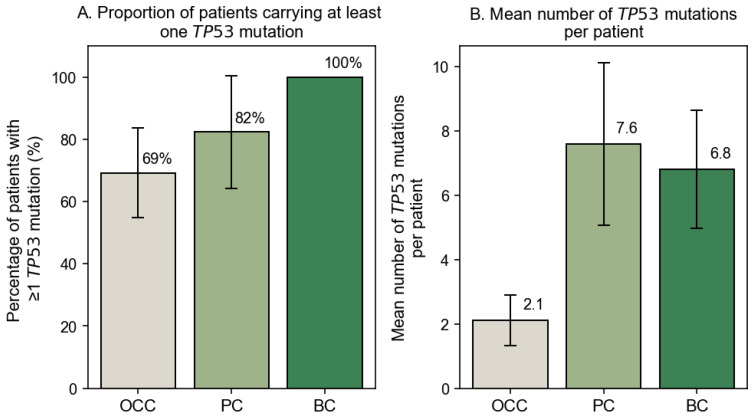 Figure 1
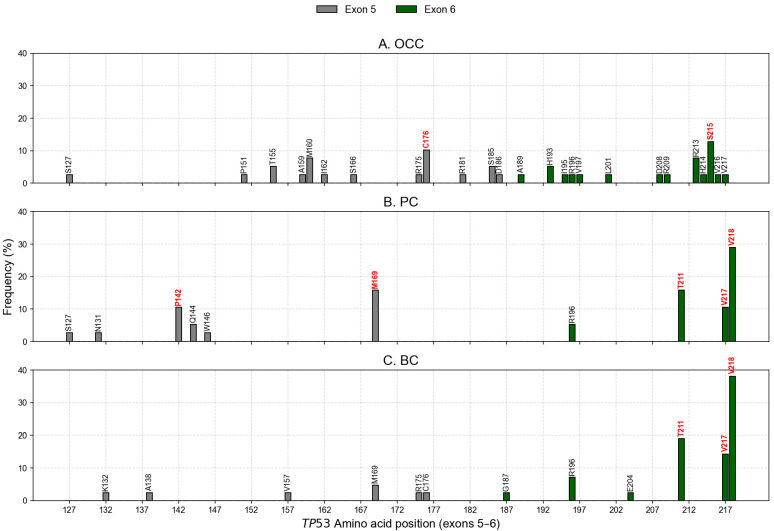 Figure 2
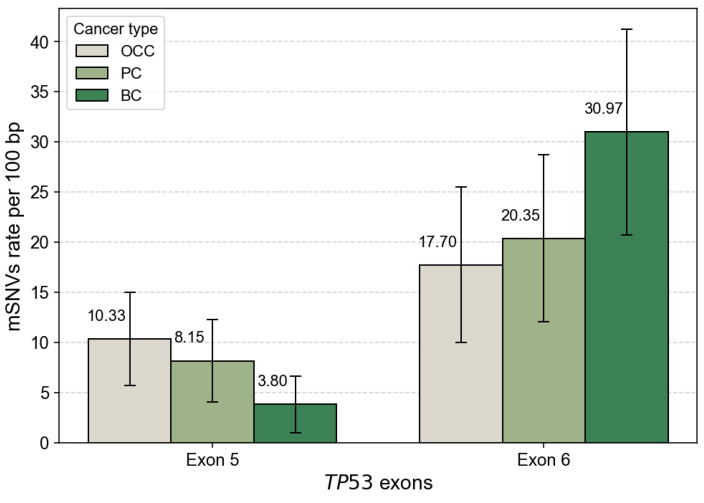 Figure 3
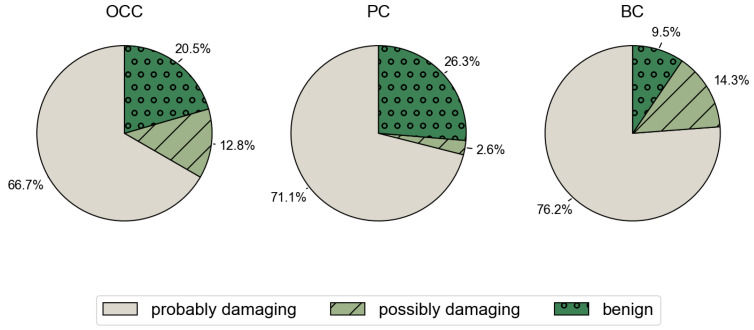 Figure 4
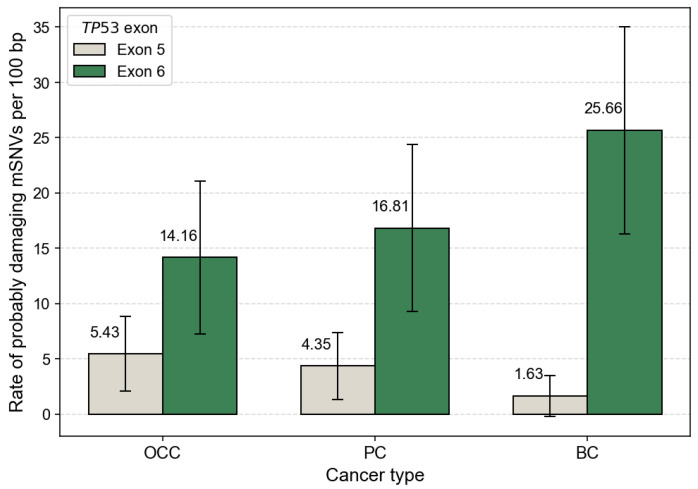 Figure 5
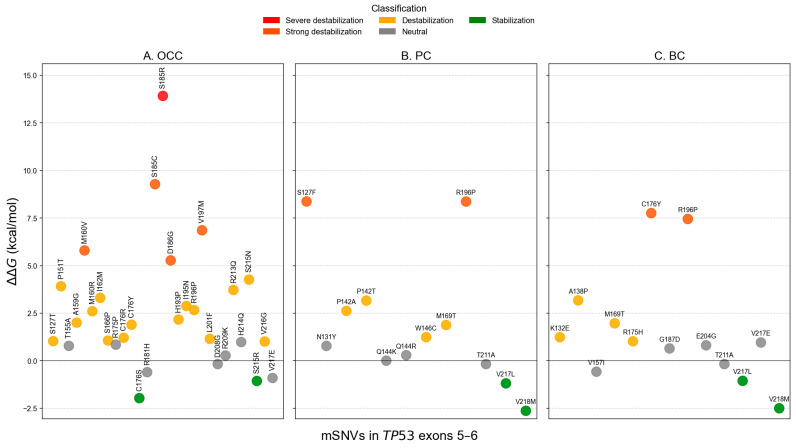 Figure 6
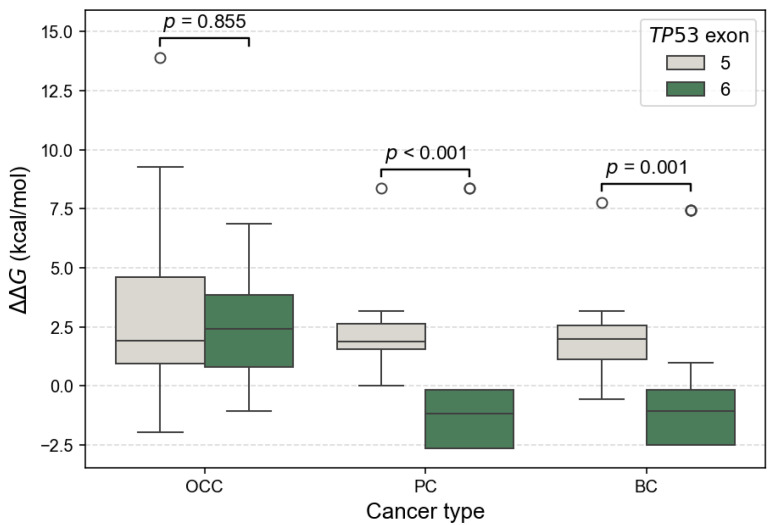 Figure 7
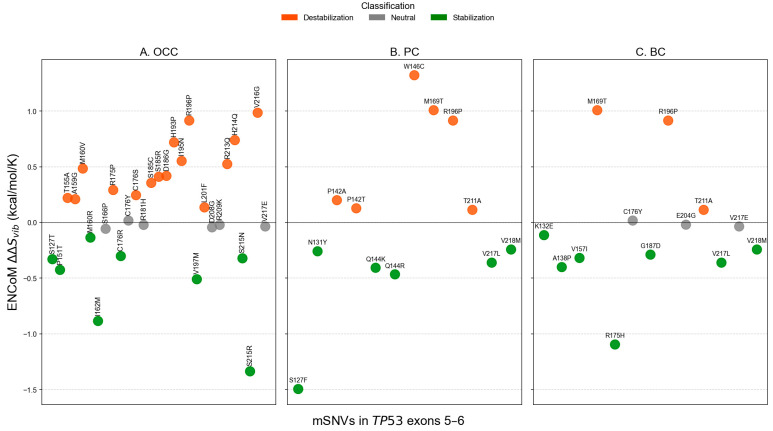 Figure 8
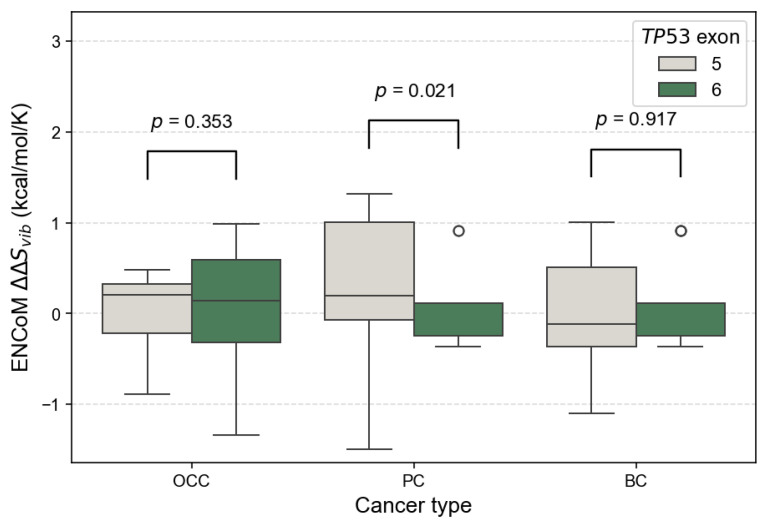 Figure 9
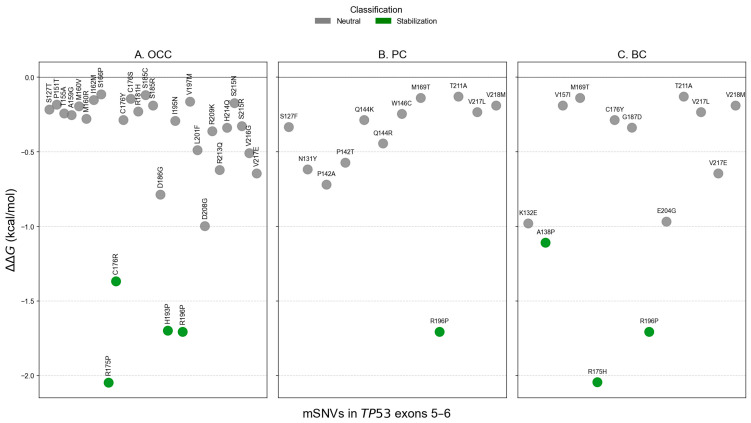 Figure 10
Peer Reviews
No public reviews on file for this paper yet. If you reviewed it on a platform where reviews are public (OpenReview, ICLR, NeurIPS, ICML), you can paste yours below so the community can read it here.
Videos
No videos yet. Explain this paper in a talk, walkthrough, or lecture? Add one.
Taxonomy
TopicsCancer-related Molecular Pathways · Cancer Genomics and Diagnostics · Head and Neck Cancer Studies