Beyond a single species: Mapping virulence traits across the redefined Fusobacterium nucleatum complex
Marietta Wolf, Konstantin J. Scholz, Ali Al-Ahmad, Thorsten Steinberg, Anne Kruse, Sama Rezasoltani, Fabian Cieplik, Georg Conrads

TL;DR
This paper reviews how different species in the Fusobacterium nucleatum complex cause disease through unique virulence traits.
Contribution
The paper systematically maps (sub-)species-specific virulence factors in the redefined F. nucleatum complex.
Findings
Different species in the F. nucleatum complex vary in adhesin diversity and metabolic adaptations.
Species-specific differences include ABC transporters, lyases, and type IV conjugative pili.
Some species are more capable of invading tissues, evading the immune system, and forming biofilms.
Abstract
Fusobacterium nucleatum was long regarded as a single species and later subdivided into four subspecies (nucleatum, polymorphum, animalis, vincentii/fusiforme). In 2022, these subspecies were validated as separate species and further members of the F. nucleatum complex have been proposed (F. watanabei, F. paranimalis sp. nov.). Given the increasing evidence linking F. nucleatum to various diseases, identifying (sub-)species-specific virulence factors has become essential. Infection in mammalian hosts depends on virulence factors that can be surface-exposed, released into the extracellular environment, or injected directly into host cells. This narrative review aims to address the different pathogenic potentials of each former subspecies. These differences range from adhesin diversity and metabolic adaptations, the repertoire of ABC transporters, lyases and type IV conjugative pili to…
Genes, proteins, chemicals, diseases, species, mutations and cell lines named across the full text — each resolved to its canonical identifier and authoritative record.
Click any figure to enlarge with its caption.
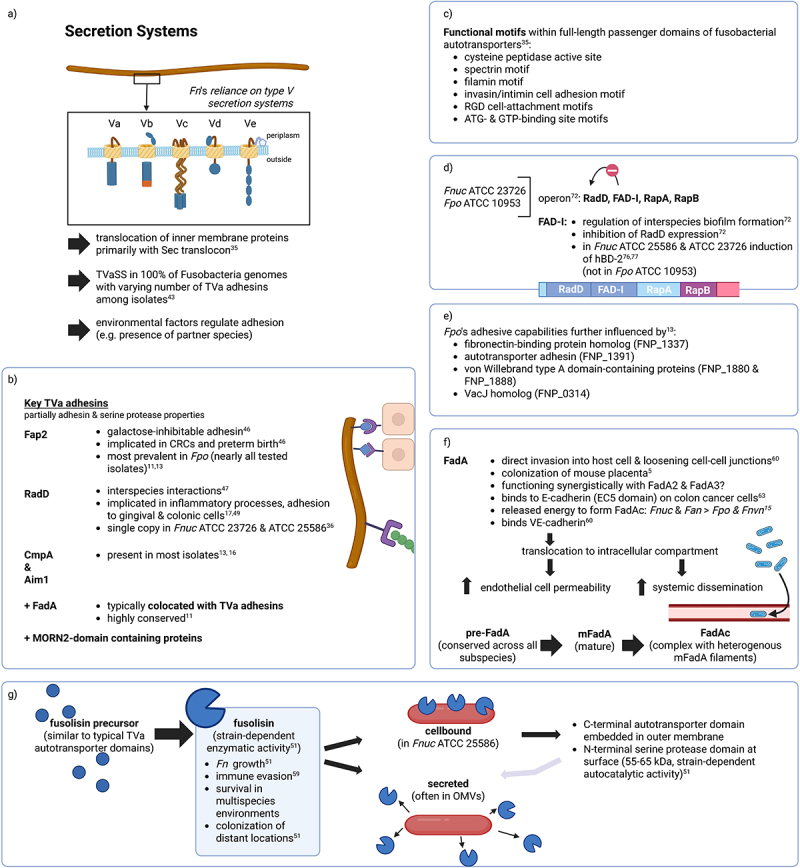 Figure 1
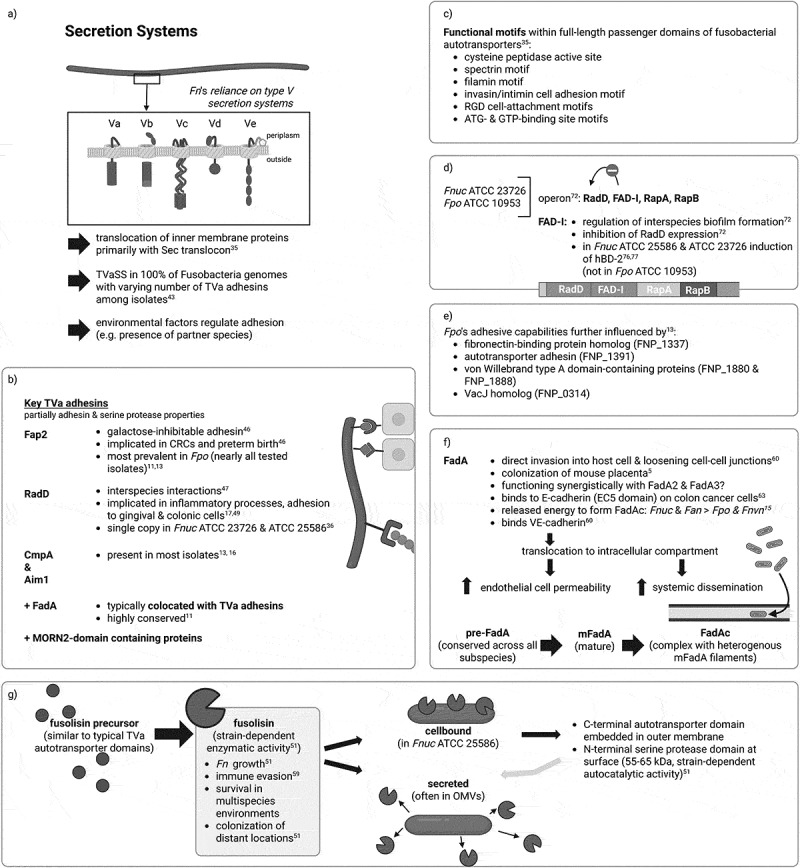 Figure 2
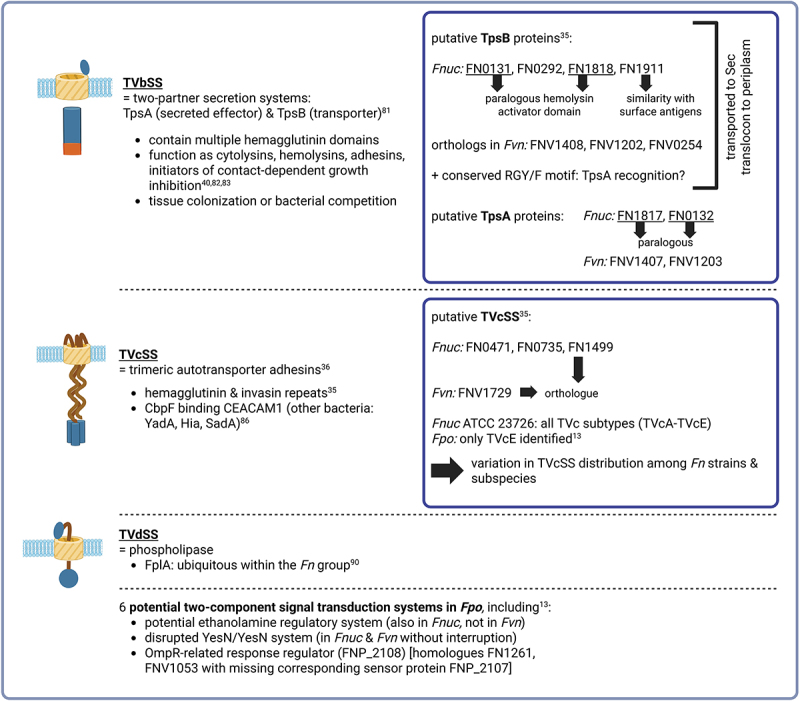 Figure 3
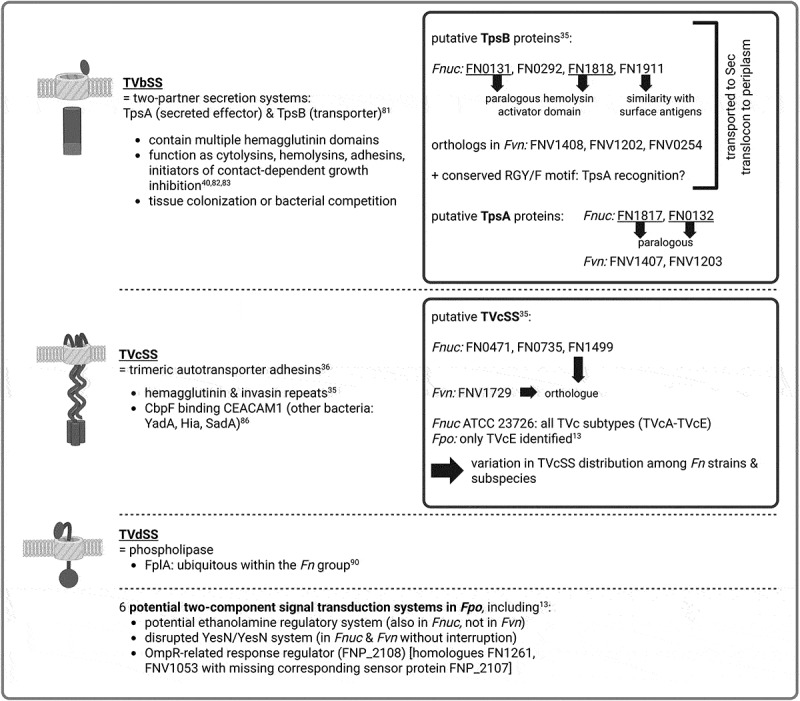 Figure 4
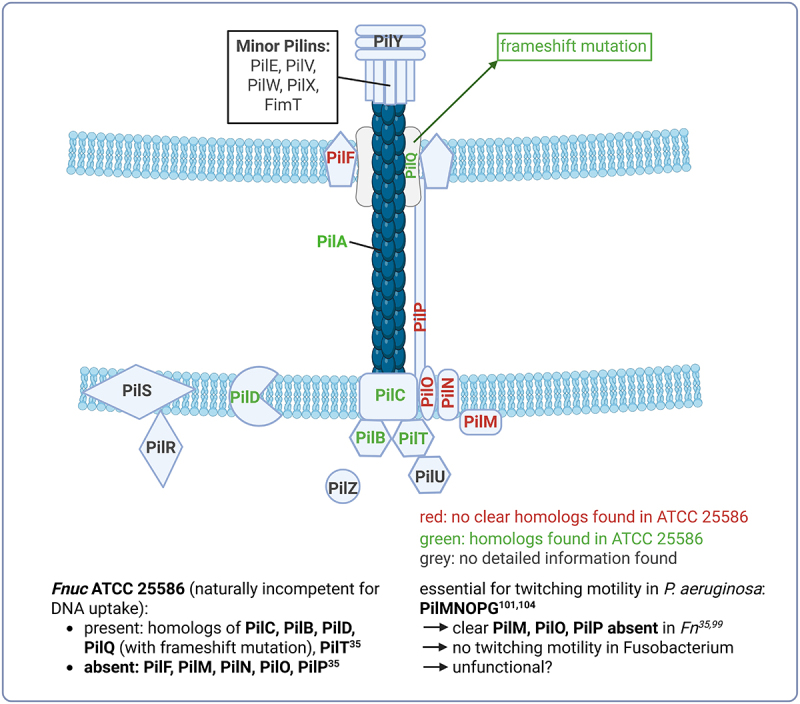 Figure 5
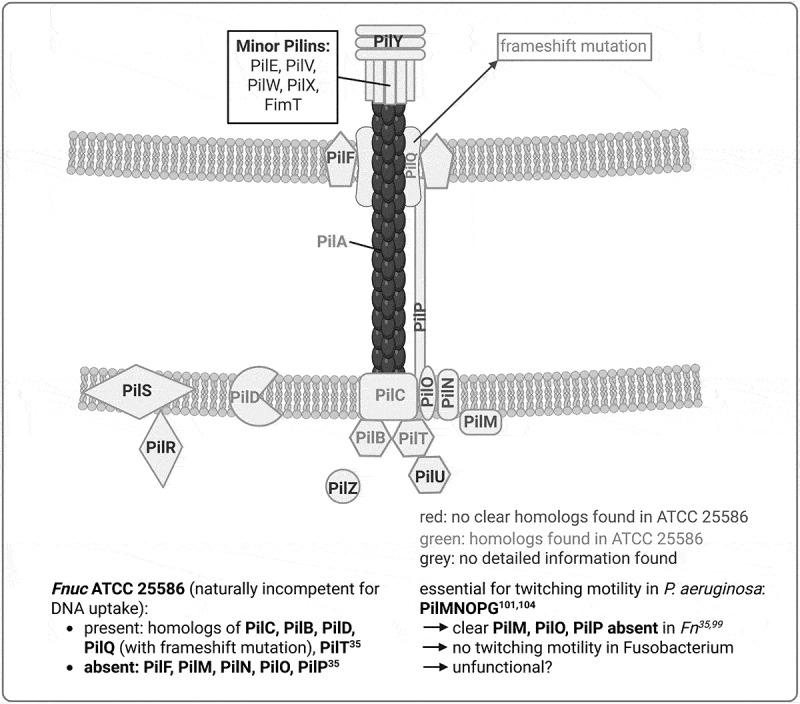 Figure 6
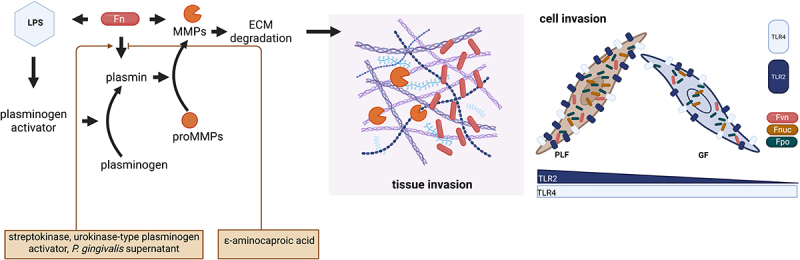 Figure 7
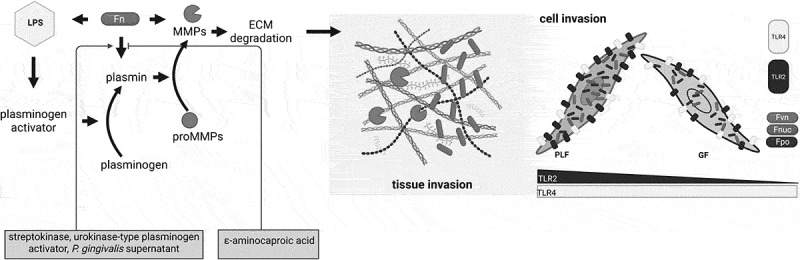 Figure 8
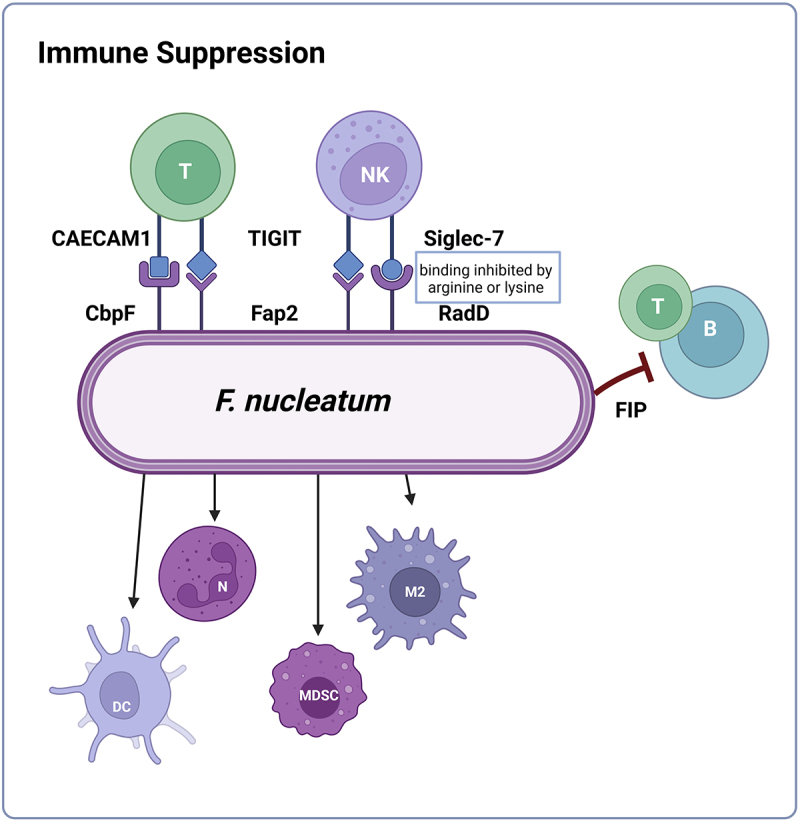 Figure 9
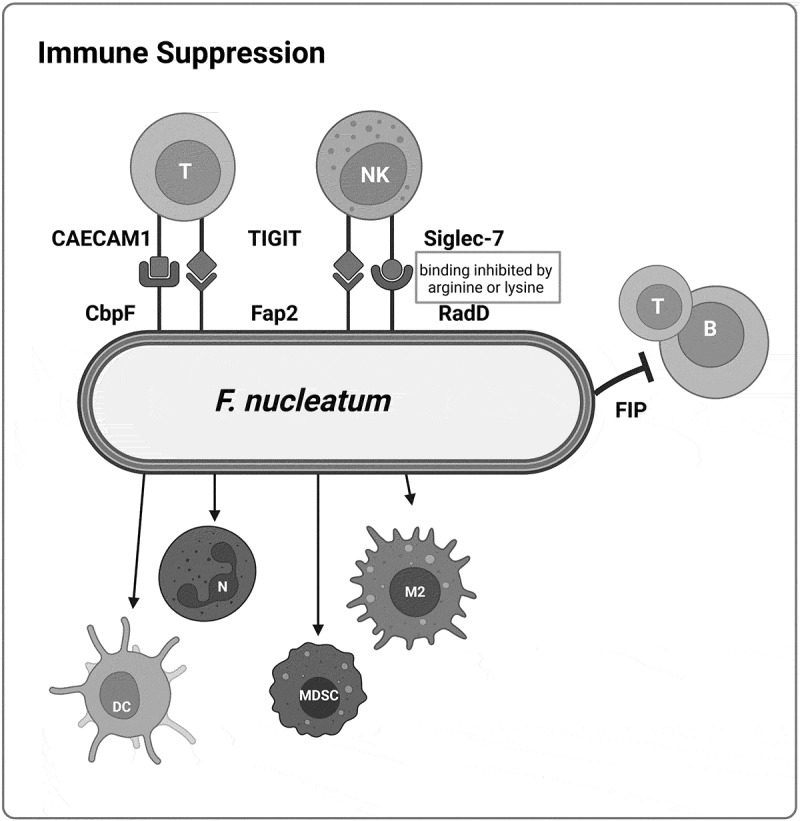 Figure 10
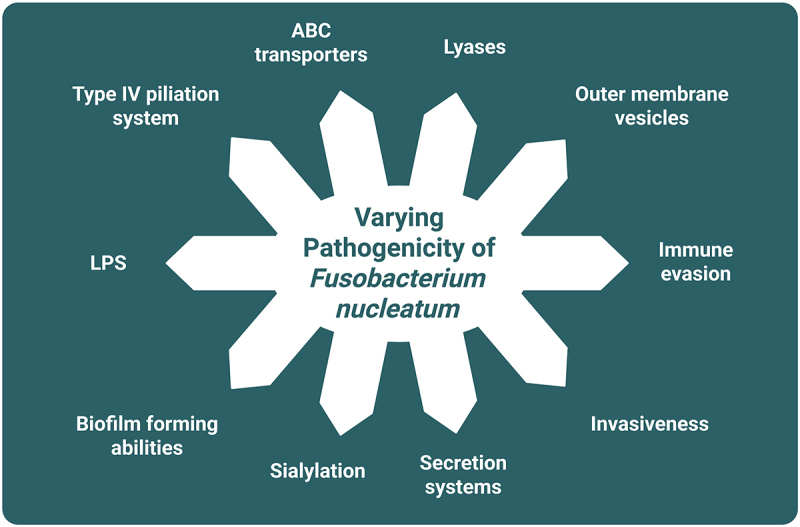 Figure 11
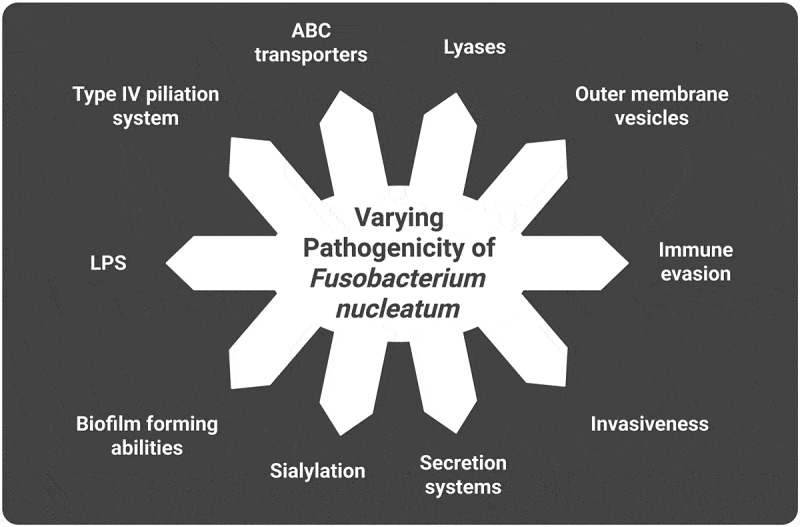 Figure 12
Peer Reviews
No public reviews on file for this paper yet. If you reviewed it on a platform where reviews are public (OpenReview, ICLR, NeurIPS, ICML), you can paste yours below so the community can read it here.
Videos
No videos yet. Explain this paper in a talk, walkthrough, or lecture? Add one.
Taxonomy
TopicsOtolaryngology and Infectious Diseases · Diphtheria, Corynebacterium, and Tetanus · Bacterial Identification and Susceptibility Testing