Analyses of receptor binding specificity of highly pathogenic avian influenza A (H5N1) viruses isolated from felines in South Korea, 2023
Dong-Hyun Son, Anand Balupuri, Jeong-Hyun Nam, Il-Hwan Kim, Yong Jun Choi, Bo Min An, Jeong-Min Kim, Eun-Jin Kim, Nam Sook Kang

TL;DR
This study analyzed H5N1 avian flu viruses from cats in South Korea and found they still bind to bird-specific receptors, suggesting low risk for human transmission.
Contribution
First experimental analysis of receptor binding specificity of feline-derived H5N1 viruses in South Korea.
Findings
Feline-derived H5N1 viruses showed strong binding to avian-type α2,3-linked sialic acid receptors.
No detectable binding to human-type α2,6-linked sialic acid receptors was observed in feline or avian isolates.
Results indicate low potential for efficient human-to-human transmission of these H5N1 viruses.
Abstract
Influenza viruses infect host cells by binding to specific sialic acid receptors present on the surface of target cells, and this receptor binding exhibits specificity depending on cell type and host species. Avian influenza A (H5N1) viruses typically bind preferentially to α2,3-linked sialic acid receptors, although some strains have been reported to acquire binding affinity for the human-type α2,6-linked sialic acid receptors, highlighting the need for ongoing receptor binding analyses of highly pathogenic avian influenza (HPAI) viruses. Notably, in July 2023, two distinct cases of fatal cluster infections in felines caused by HPAI H5N1 viruses were reported for the first time in South Korea (Gwanak and Yongsan). Characterization of the isolated strains revealed high pathogenicity and efficient contact transmission in mammals. In this study, we investigated the receptor binding…
Genes, proteins, chemicals, diseases, species, mutations and cell lines named across the full text — each resolved to its canonical identifier and authoritative record.
Click any figure to enlarge with its caption.
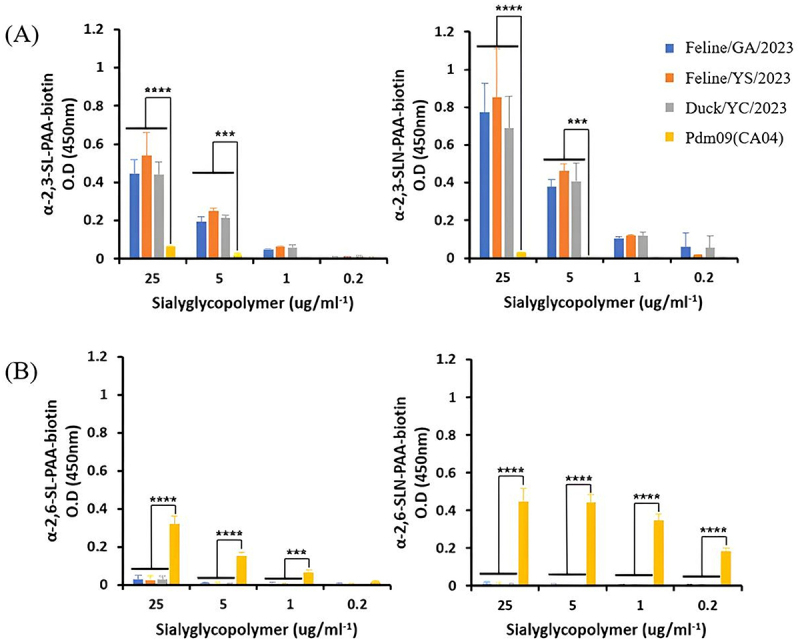 Figure 1
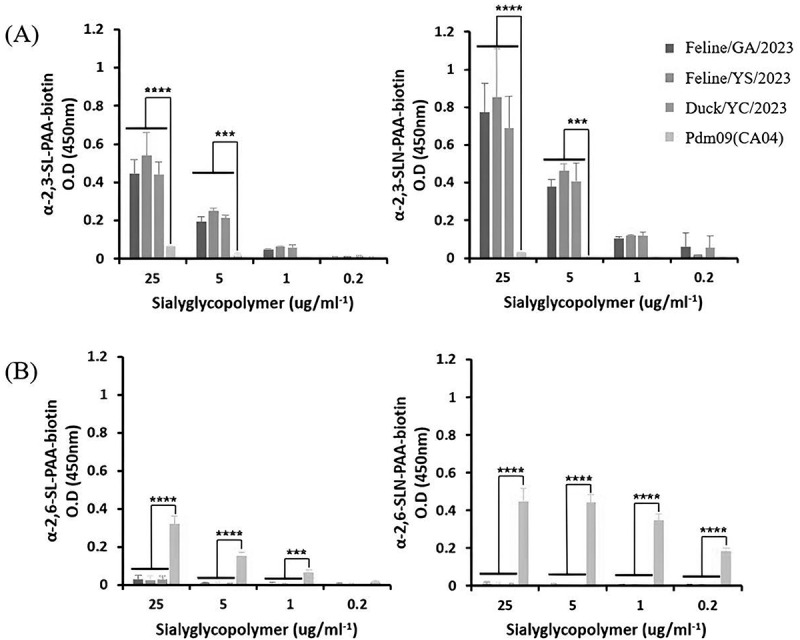 Figure 2
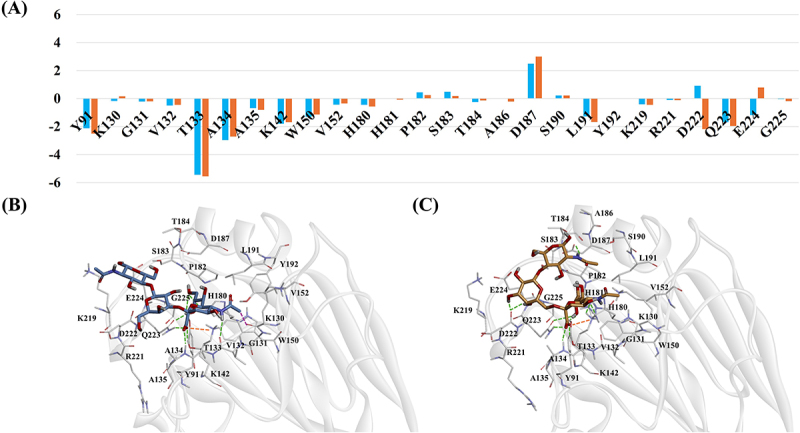 Figure 3
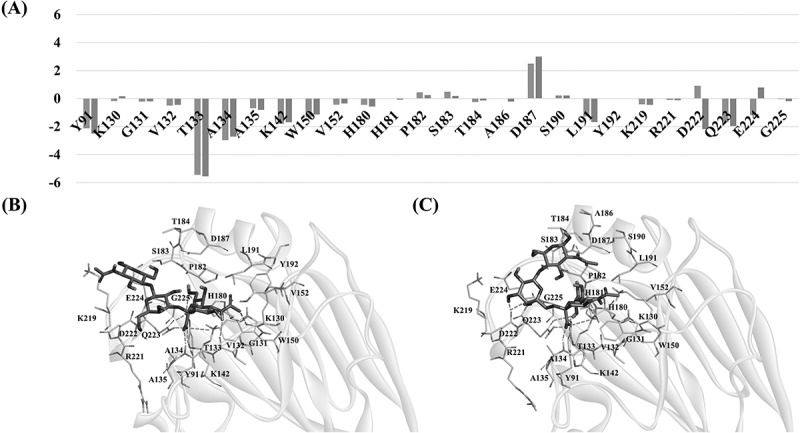 Figure 4
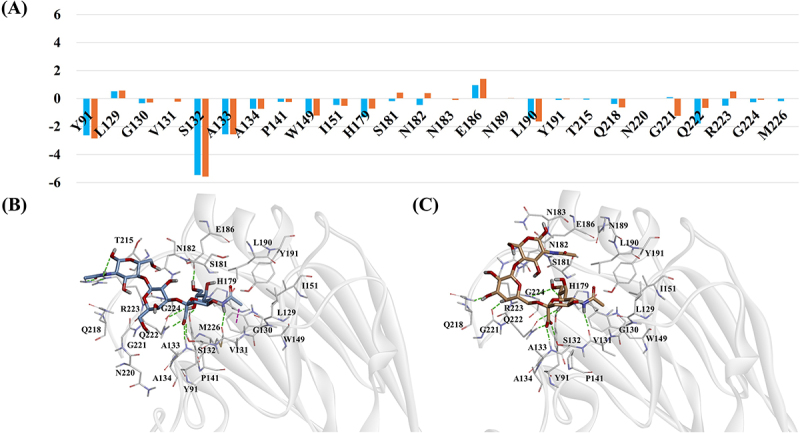 Figure 5
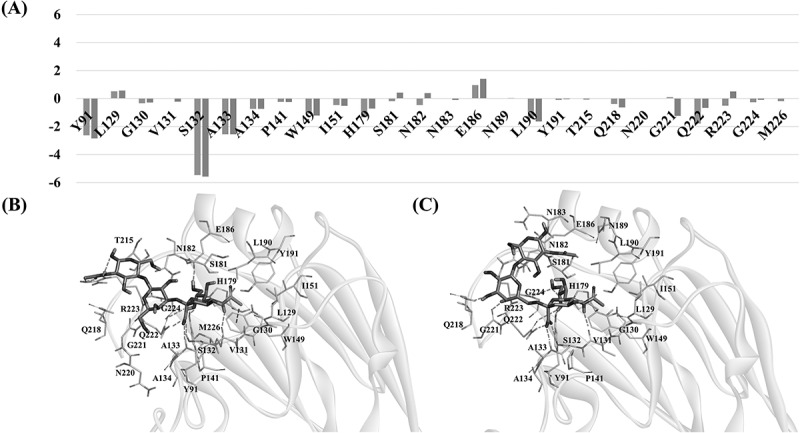 Figure 6
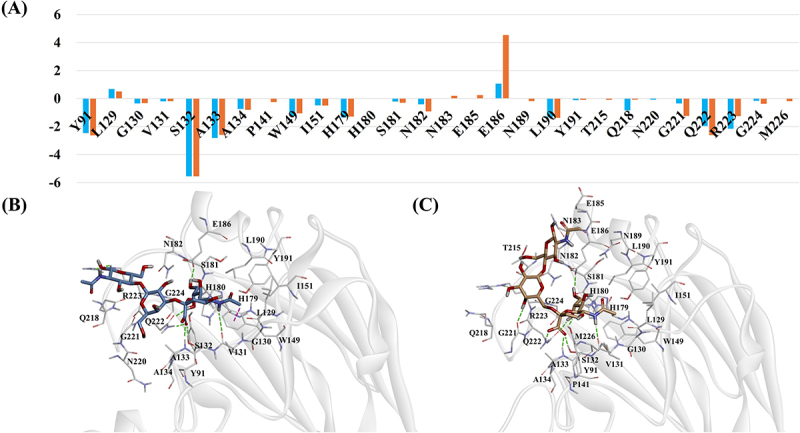 Figure 7
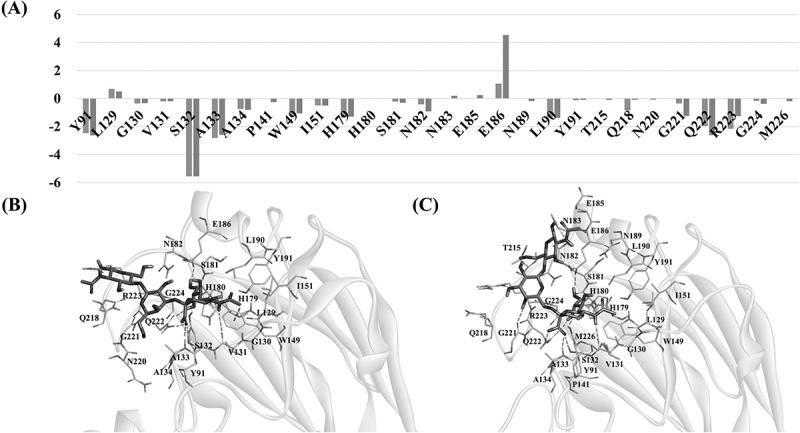 Figure 8
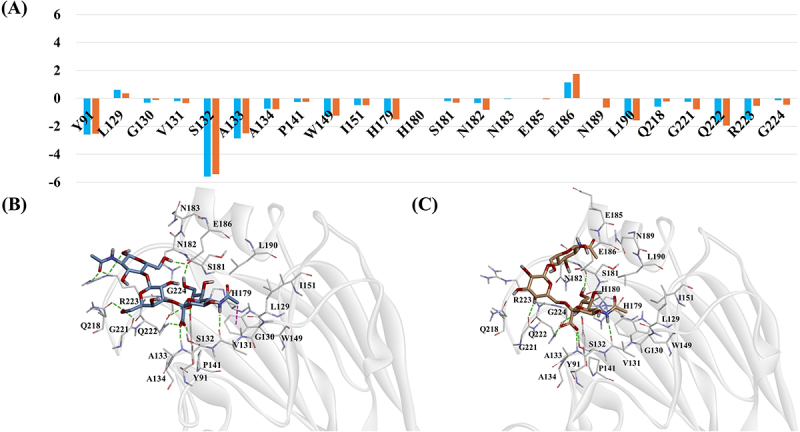 Figure 9
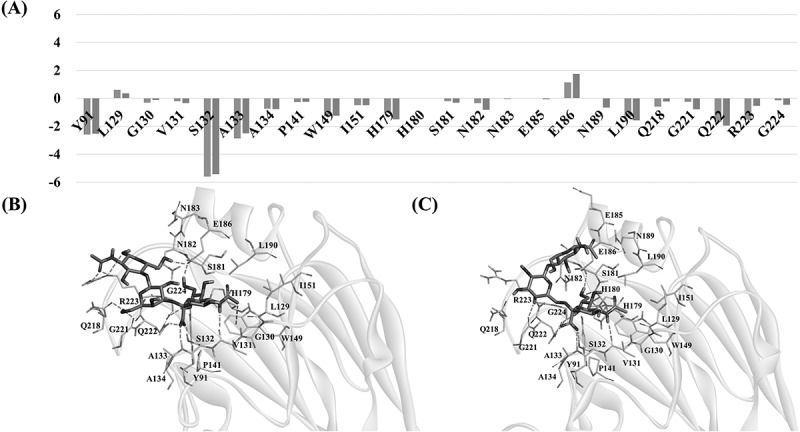 Figure 10
Peer Reviews
No public reviews on file for this paper yet. If you reviewed it on a platform where reviews are public (OpenReview, ICLR, NeurIPS, ICML), you can paste yours below so the community can read it here.
Videos
No videos yet. Explain this paper in a talk, walkthrough, or lecture? Add one.
Taxonomy
TopicsInfluenza Virus Research Studies · interferon and immune responses · Herpesvirus Infections and Treatments