Application of the Two-Layer Regularized Gated Recurrent Unit (TLR-GRU) Model Enhanced by Sliding Window Features in Water Quality Parameter Prediction
Xianhe Wang, Meiqi Liu, Ying Li, Adriano Tavares, Weidong Huang, Yanchun Liang

TL;DR
A new deep learning model called TLR-GRU, enhanced with sliding window features, improves real-time water quality predictions for aquaculture and irrigation.
Contribution
The novel TLR-GRU model integrates sliding window features and regularization to better predict water quality parameters with high precision.
Findings
The TLR-GRU model outperformed six other deep learning models in predicting water quality parameters.
Sliding window features reduced noise while preserving ecological patterns, improving prediction accuracy.
DO and TP predictions improved significantly, with R2 scores increasing and RMSE decreasing.
Abstract
Water quality monitoring is critical for public health, ecology, and economic sustainability, but traditional methods are limited by temporal-spatial coverage and cost, failing to meet real-time assessment needs. Deep learning for water quality prediction is often hindered by high complexity and noise in raw time series. This study aims to address the high complexity and noise of hydrological time series by proposing a prediction framework integrating sliding window feature enhancement, principal component analysis (PCA), and a two-layer regularized gated recurrent unit (TLR-GRU). The core goal is to achieve high-precision real-time prediction of four key water quality parameters (dissolved oxygen (DO), ammonia nitrogen (NH3-N), total phosphorus (TP), and total nitrogen (TN)) for aquaculture and irrigation. Sample entropy (SampEn, m=2, r=0.2 × std(X)), a univariate complexity metric…
Genes, proteins, chemicals, diseases, species, mutations and cell lines named across the full text — each resolved to its canonical identifier and authoritative record.
Click any figure to enlarge with its caption.
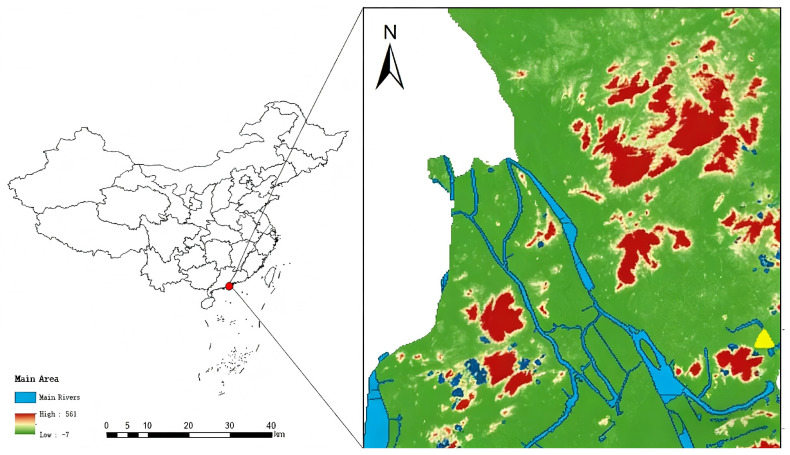 Figure 1
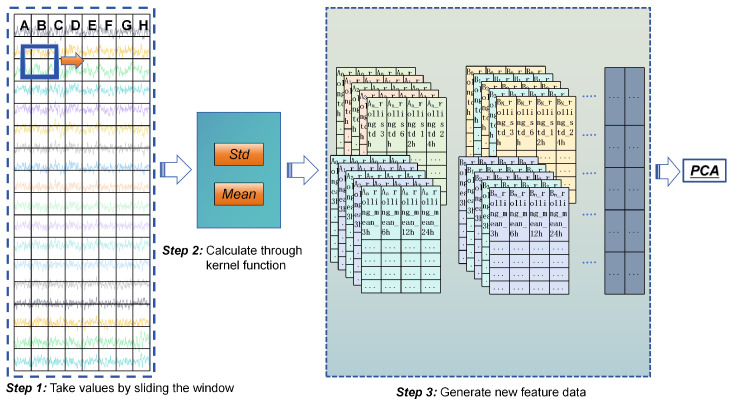 Figure 2
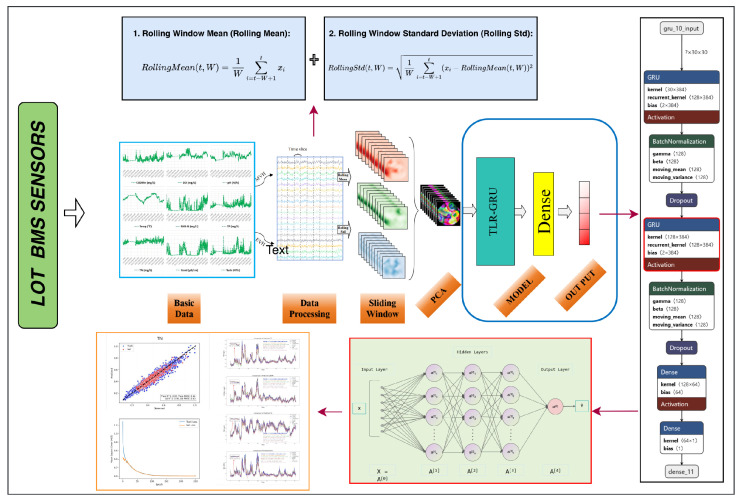 Figure 3
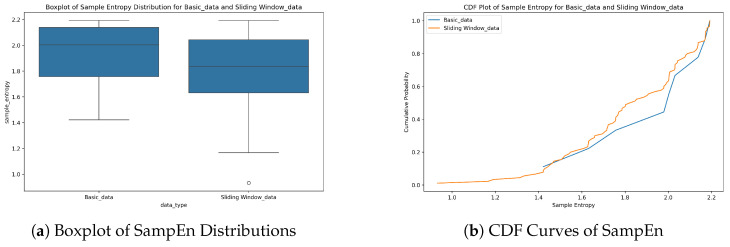 Figure 4
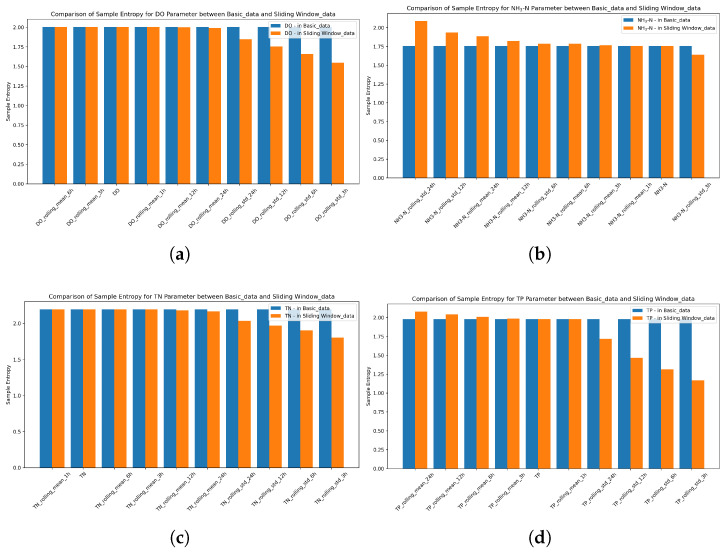 Figure 5
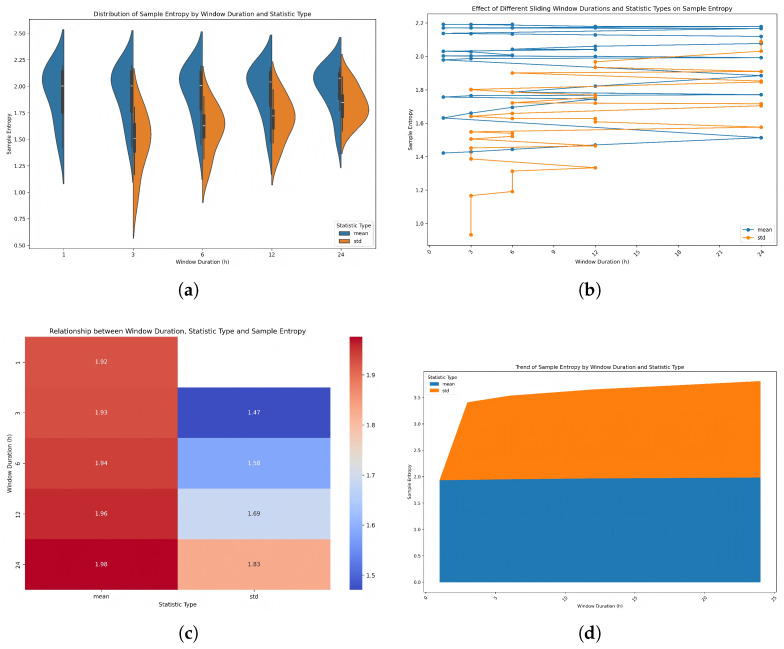 Figure 6
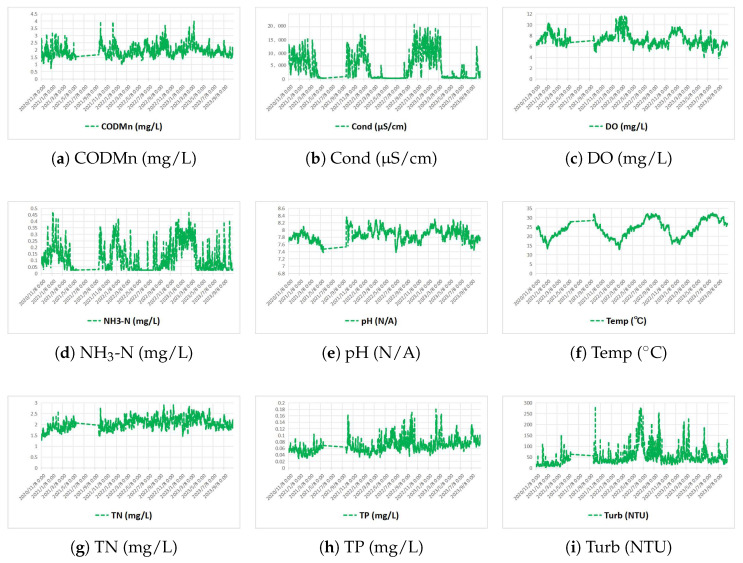 Figure 7
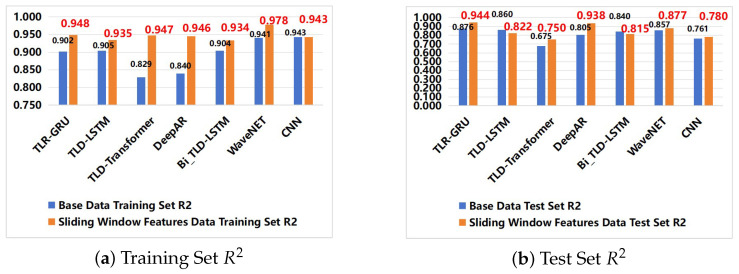 Figure 8
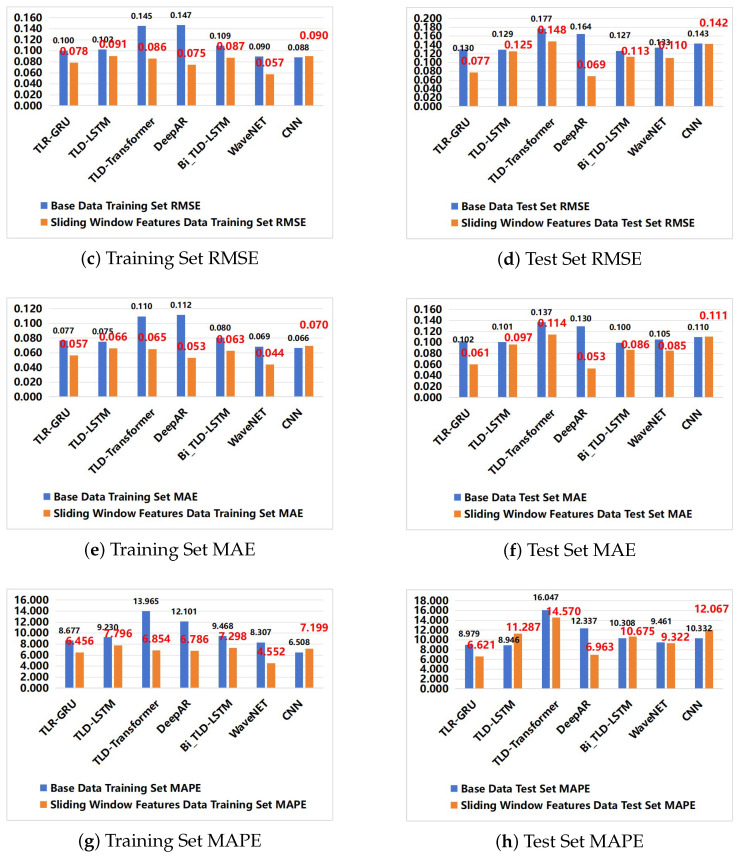 Figure 9
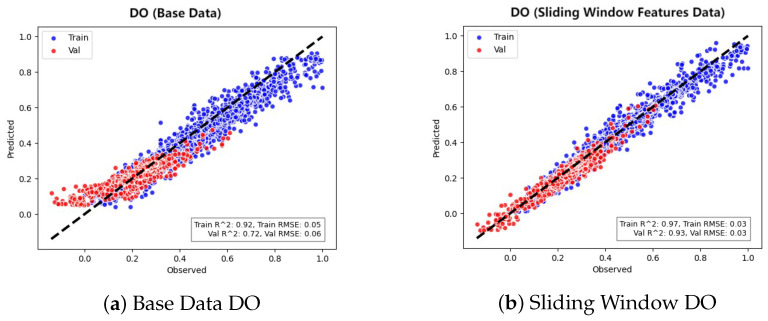 Figure 10
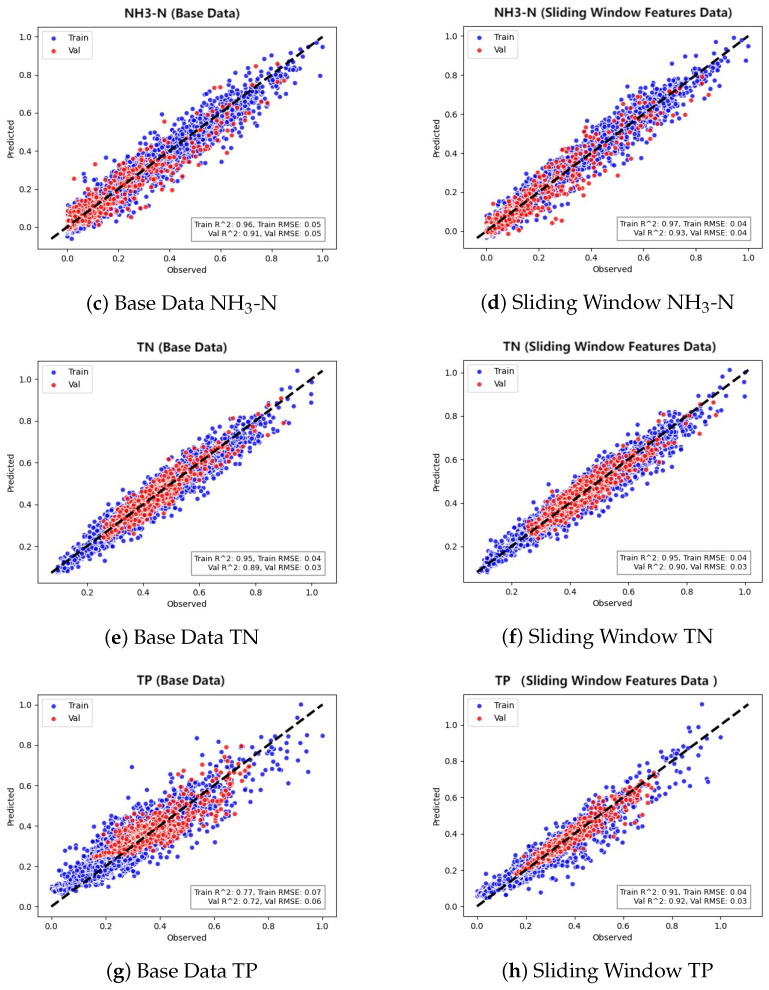 Figure 11
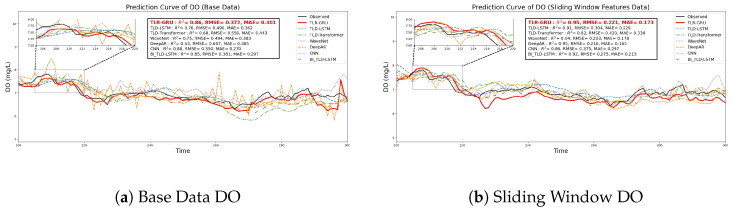 Figure 12
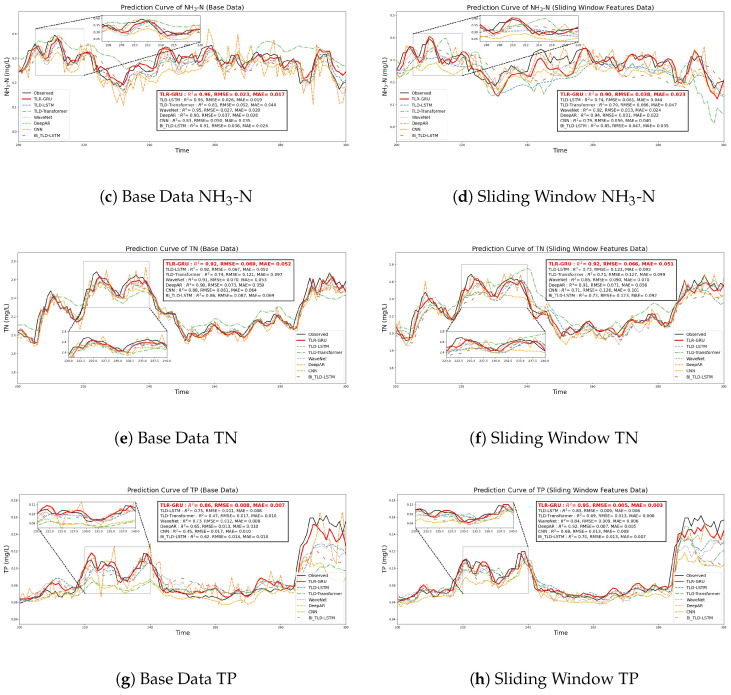 Figure 13
Peer Reviews
No public reviews on file for this paper yet. If you reviewed it on a platform where reviews are public (OpenReview, ICLR, NeurIPS, ICML), you can paste yours below so the community can read it here.
Videos
No videos yet. Explain this paper in a talk, walkthrough, or lecture? Add one.
Taxonomy
TopicsHydrological Forecasting Using AI · Water Quality Monitoring Technologies · Water Quality and Pollution Assessment