Highly Porous Polyimide Gel for Use as a Battery Separator with Room-Temperature Ionic Liquid Electrolytes
Rocco P. Viggiano, James Wu, Daniel A. Scheiman, Brianne DeMattia, Patricia Loyselle, Baochau N. Nguyen

TL;DR
This paper introduces a new battery separator made of a highly porous polyimide gel that works well with nonflammable ionic liquid electrolytes, offering a safer alternative for lithium-ion batteries.
Contribution
The novelty lies in developing a cross-linked polyimide gel separator that is highly compatible with room-temperature ionic liquids, enabling safer and more stable battery systems.
Findings
The polyimide gel separator has high porosity (>85%) and excellent thermal stability (decomposition onset >561°C).
The separator works effectively with nonflammable ionic liquid electrolytes, achieving room-temperature conductivities around 10−3 S/cm.
EMIM-TFSI-based electrolytes showed the best performance and retained conductivity after four months at 75°C.
Abstract
Advanced aerospace vehicle concepts demand concurrent advances in energy storage technologies that improve both specific energy and safety. Commercial lithium-ion batteries commonly employ polyolefin microporous separators and carbonate-based liquid electrolytes, which can deliver room-temperature ionic conductivities on the order of 10−3–10−2 S/cm but rely on inherently flammable solvents. Room-temperature ionic liquids (RTILs) offer a nonvolatile, nonflammable alternative with a stable electrochemical window; however, many RTILs exhibit poor compatibility and wetting with polyolefin separators. Here, we evaluate highly porous, cross-linked polyimide (PI) gel separators based on 4,4′-oxydianiline (ODA) and biphenyl-3,3′,4,4′-tetracarboxylic dianhydride (BPDA), cross-linked with Desmodur N3300A, formulated with repeating unit lengths (n) of 30 and 60. These PI gel separators exhibit an…
Genes, proteins, chemicals, diseases, species, mutations and cell lines named across the full text — each resolved to its canonical identifier and authoritative record.
Click any figure to enlarge with its caption.
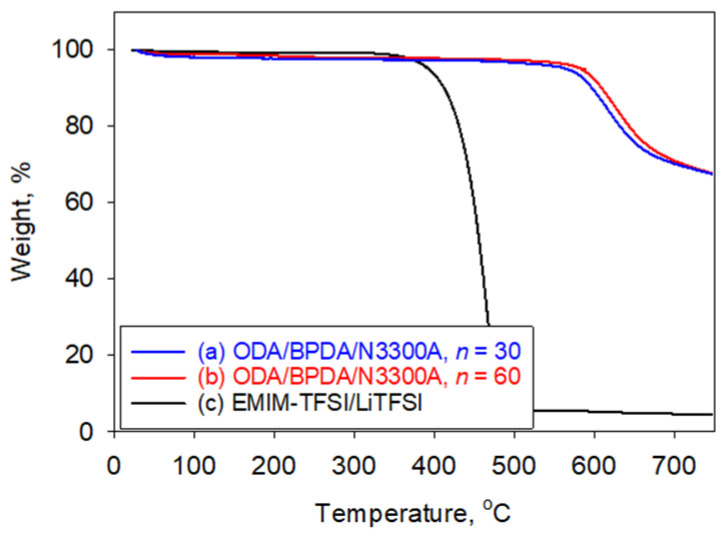 Figure 1
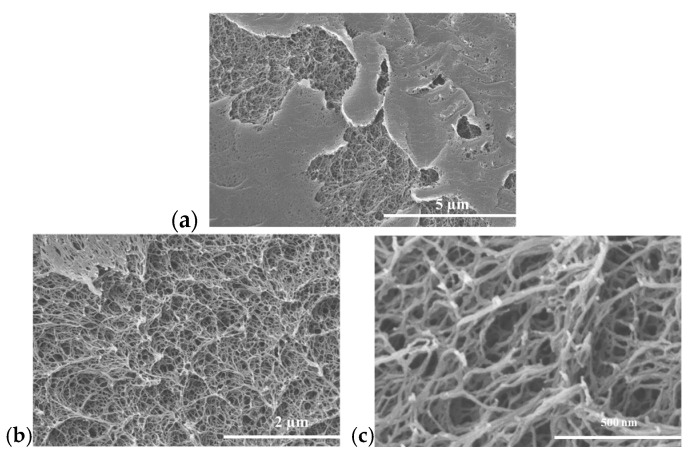 Figure 2
 Figure 3
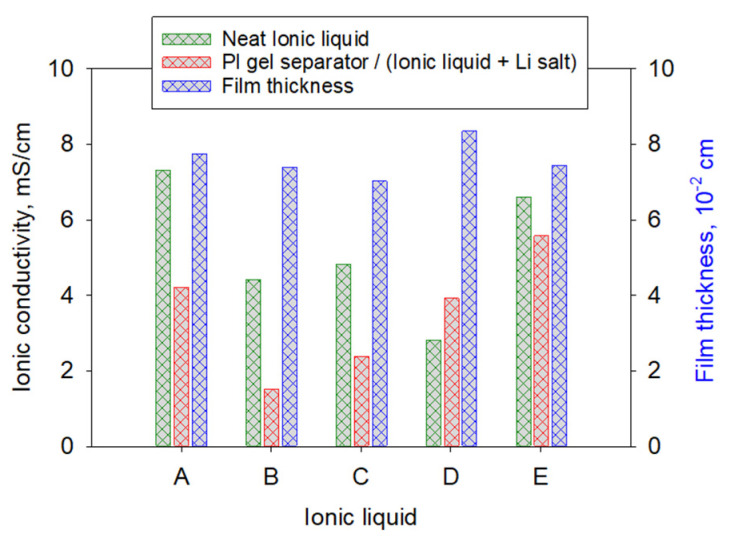 Figure 4
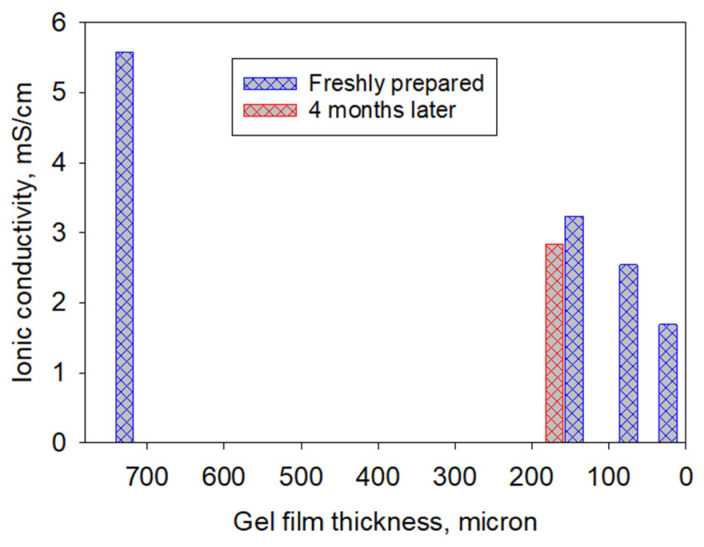 Figure 5
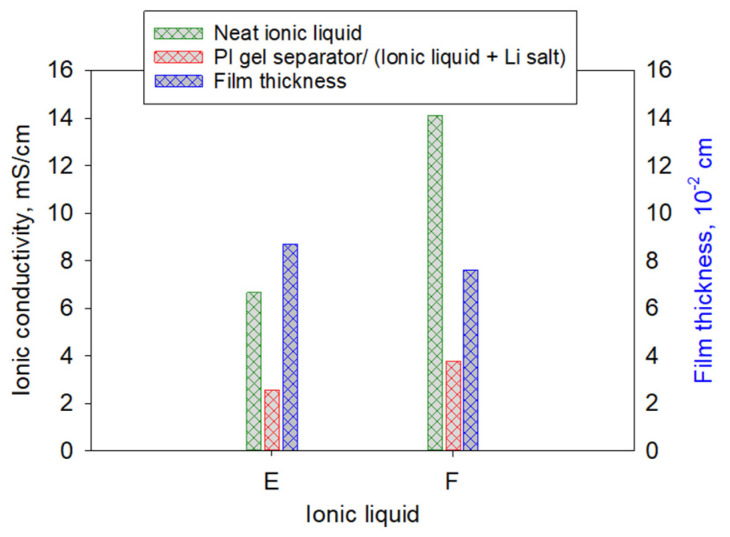 Figure 6
 Figure 7
 Figure 8
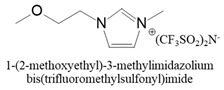 Figure 9
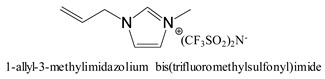 Figure 10
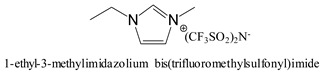 Figure 11
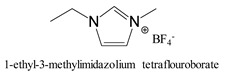 Figure 12
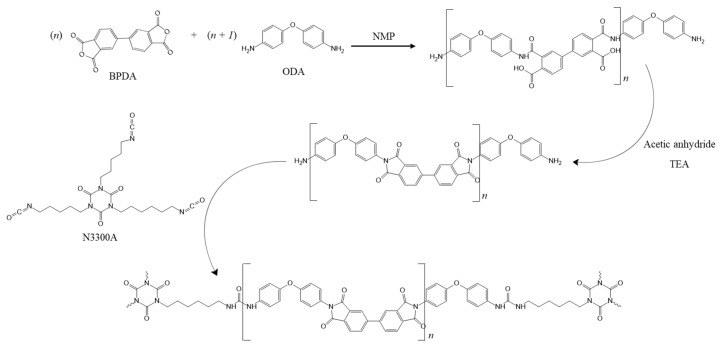 Figure 13
Peer Reviews
No public reviews on file for this paper yet. If you reviewed it on a platform where reviews are public (OpenReview, ICLR, NeurIPS, ICML), you can paste yours below so the community can read it here.
Videos
No videos yet. Explain this paper in a talk, walkthrough, or lecture? Add one.
Taxonomy
TopicsAdvanced Battery Materials and Technologies · Ionic liquids properties and applications · Dielectric materials and actuators