Diagnostic Efficacy of FAPI-PET/CT Versus [18F]FDG-PET/CT in Upper-Abdominal Malignancies: A Systematic Review and Meta-Analysis
Hao Huang, Betül Altunay, Laura Schäfer, Christian Boy, Dirk von Mallek, Felix M. Mottaghy, Susanne Lütje

TL;DR
This study compares FAPI-PET/CT and FDG-PET/CT for diagnosing upper-abdominal cancers, finding FAPI-PET/CT more effective in detecting tumors and metastases.
Contribution
The paper provides a meta-analysis showing FAPI-PET/CT's superior diagnostic performance over FDG-PET/CT in upper-abdominal malignancies.
Findings
FAPI-PET/CT outperformed FDG-PET/CT in detecting primary lesions, lymph nodes, and metastases.
FAPI-PET/CT showed higher sensitivity (98% vs. 79%) and stable diagnostic performance.
The study included 939 patients with pancreatic, liver, and gastric cancers.
Abstract
Background: Radiolabeled fibroblast activation protein inhibitors (FAPIs) have emerged as novel radiopharmaceutical agents for tumor diagnosis. Compared with [18F]fluoro-2-deoxy-D-glucose ([18F]FDG), which reflects glucose uptake in metabolically active regions, FAPIs mainly bind to the fibroblast activation protein (FAP), which is highly expressed in tumor-associated fibroblasts, forming a pronounced signal. Several studies suggested potential superiority of FAPI tracers above [18F]FDG-based imaging in a variety of tumor entities. In this systematic review, we focus on the comparison of FAPI-PET/CT and [18F]FDG-PET/CT in upper-abdominal tumors. Methods: Original research published from 1 January 2021 to 22 December 2024 was collected from the PubMed and Web of Science databases (CRD42025648267). This research included only clinical studies, excluding conference abstracts and case…
Genes, proteins, chemicals, diseases, species, mutations and cell lines named across the full text — each resolved to its canonical identifier and authoritative record.
Click any figure to enlarge with its caption.
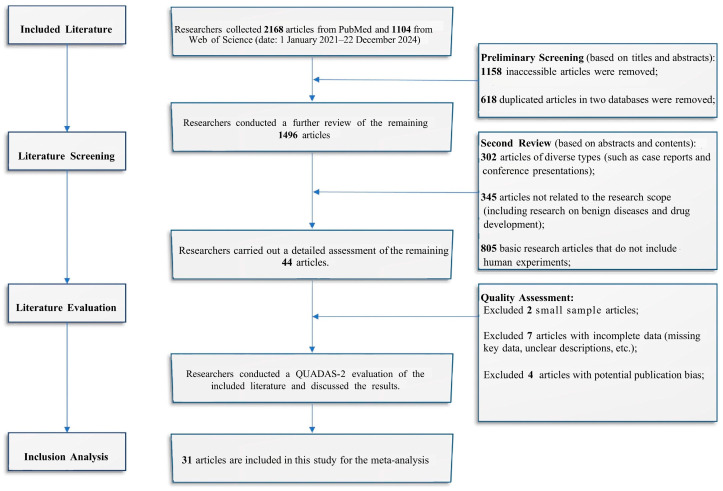 Figure 1
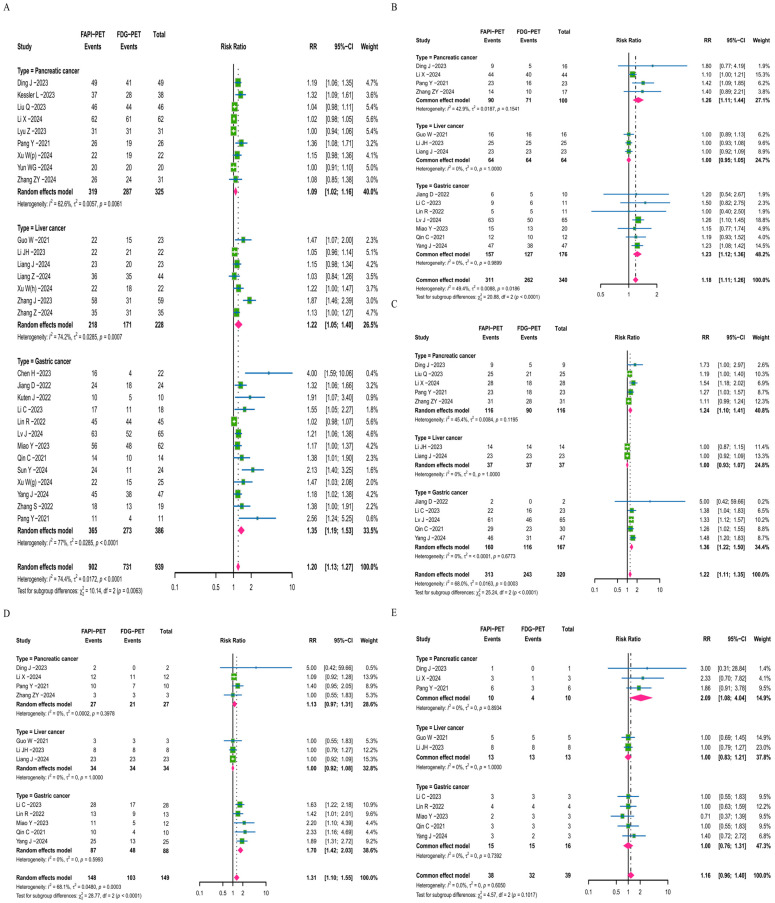 Figure 2
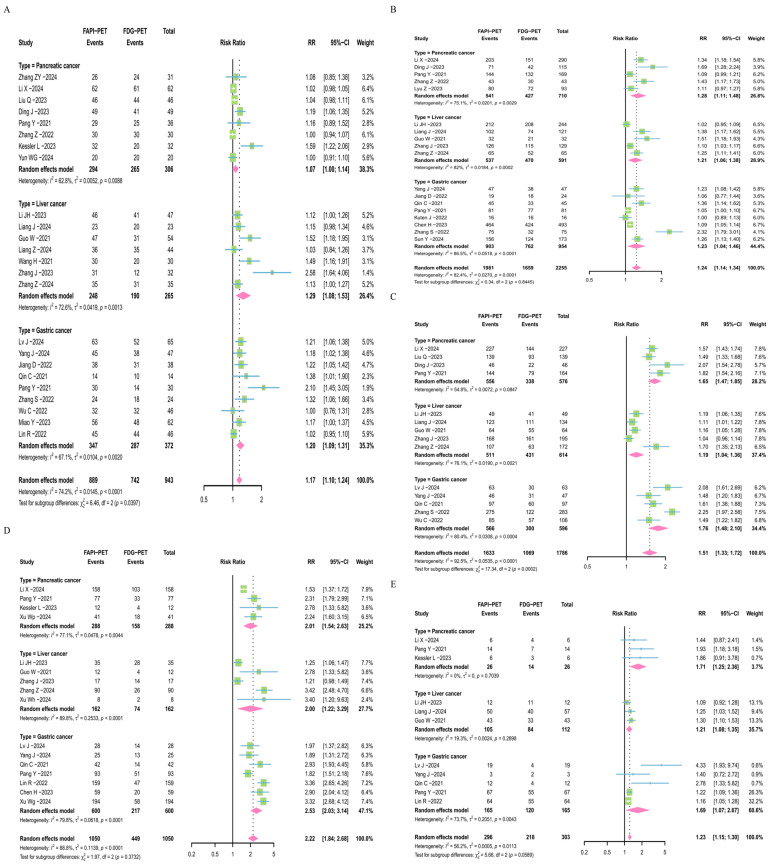 Figure 3
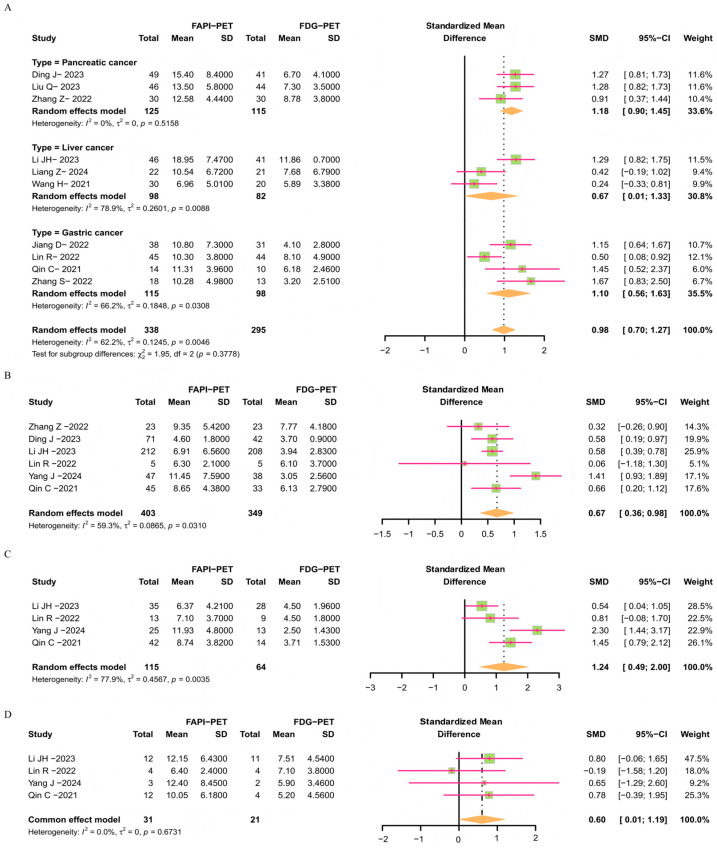 Figure 4
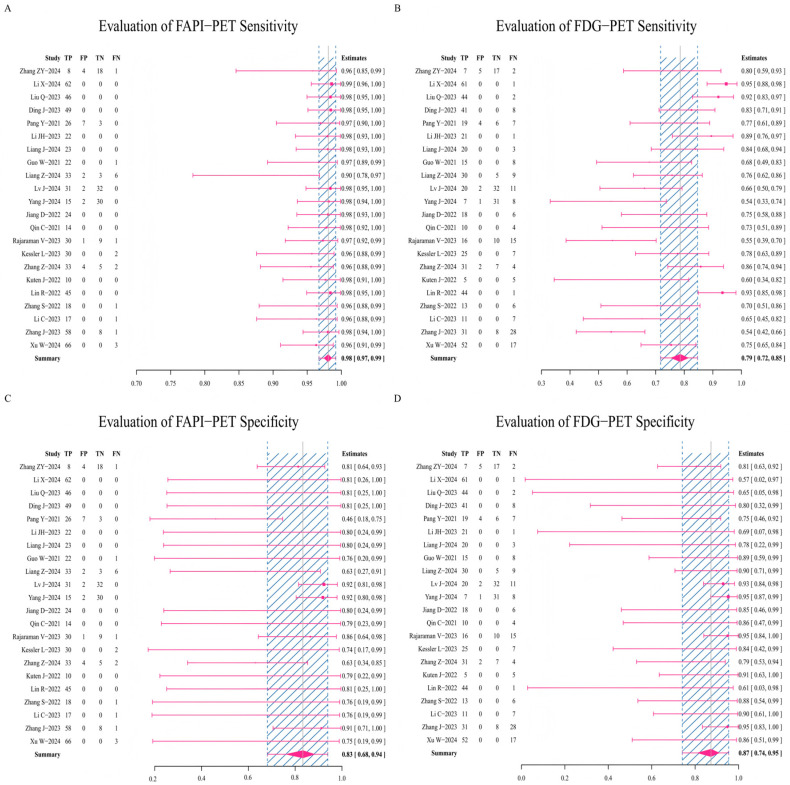 Figure 5
 Figure 6
Peer Reviews
No public reviews on file for this paper yet. If you reviewed it on a platform where reviews are public (OpenReview, ICLR, NeurIPS, ICML), you can paste yours below so the community can read it here.
Videos
No videos yet. Explain this paper in a talk, walkthrough, or lecture? Add one.
Taxonomy
TopicsPeptidase Inhibition and Analysis · Bladder and Urothelial Cancer Treatments · Cardiovascular Disease and Adiposity