Fabrication and Characterization of Lignocellulose-Based Porous Materials via Chemical Crosslinking
Sa Rang Choi, Jung Myoung Lee

TL;DR
This paper introduces a simple method to create strong, water-absorbent materials from plant fibers using chemical crosslinking, with potential uses in hygiene and packaging.
Contribution
The study demonstrates a low-energy method to produce high-performance lignocellulosic porous materials using kneaded pulp and glycerol diglycidyl ether.
Findings
Glycerol diglycidyl ether (GDE) crosslinking provided the best dimensional stability and elastic recovery in water.
Kneaded organosolv pulp (KOP) materials outperformed others in water absorption and stability.
KOP-based materials achieved water absorption exceeding 5890%, suitable for bio-based absorbent applications.
Abstract
This study presents a simple method for producing chemically crosslinked porous materials from lignocellulosic fibers with different particle sizes and lignin contents. Porous materials were prepared from organosolv pulp (OP), kneaded organosolv pulp (KOP), lignin-rich microfibrillated cellulose (LMFC), and enzyme cellulose nanofiber (ECNF) and were crosslinked using epichlorohydrin, glutaraldehyde, and glycerol diglycidyl ether (GDE). Among the crosslinkers, GDE provided the best dimensional stability and elastic recovery after repeated compression–recovery cycles in water. Notably, KOP-based porous materials outperformed those derived from LMFC and ECNF, despite being produced via a simple kneading process without energy-intensive fibrillation. KOP-derived materials exhibited excellent dimensional stability and high water absorption exceeding 5890%, demonstrating strong potential for…
Genes, proteins, chemicals, diseases, species, mutations and cell lines named across the full text — each resolved to its canonical identifier and authoritative record.
Click any figure to enlarge with its caption.
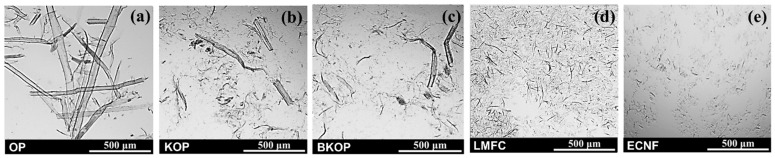 Figure 1
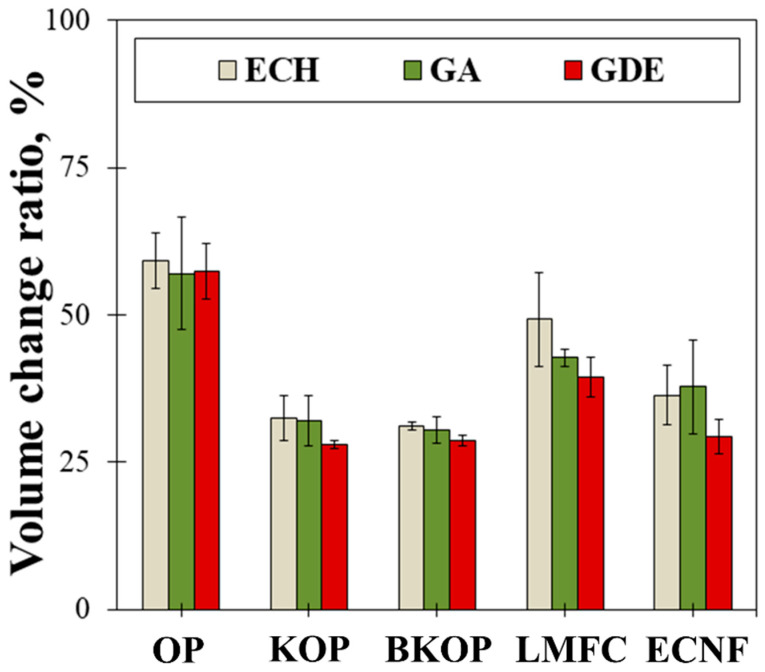 Figure 2
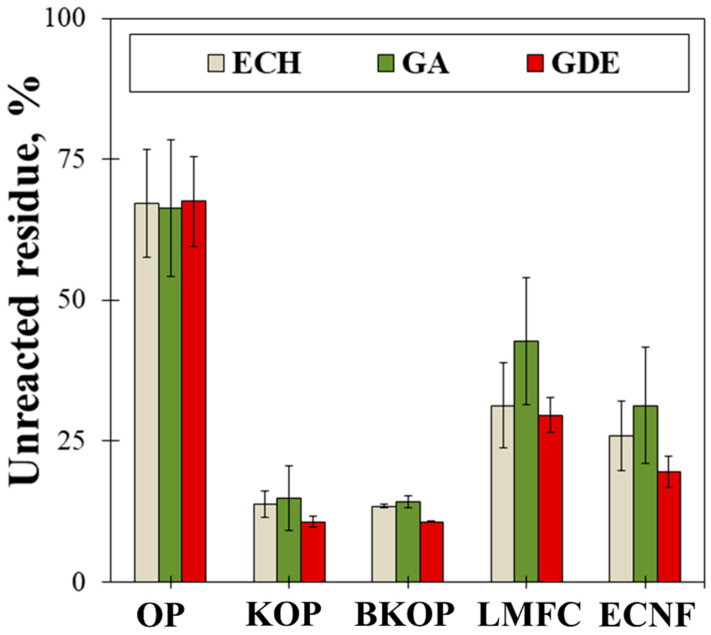 Figure 3
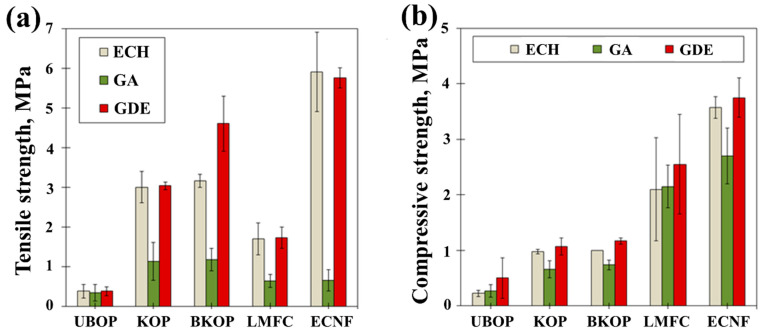 Figure 4
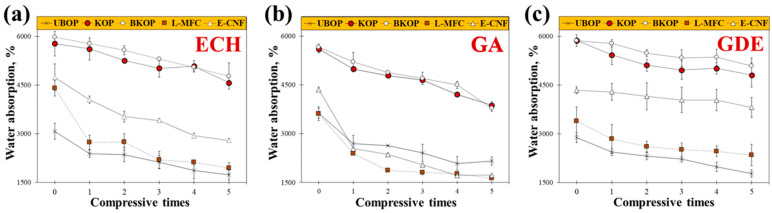 Figure 5
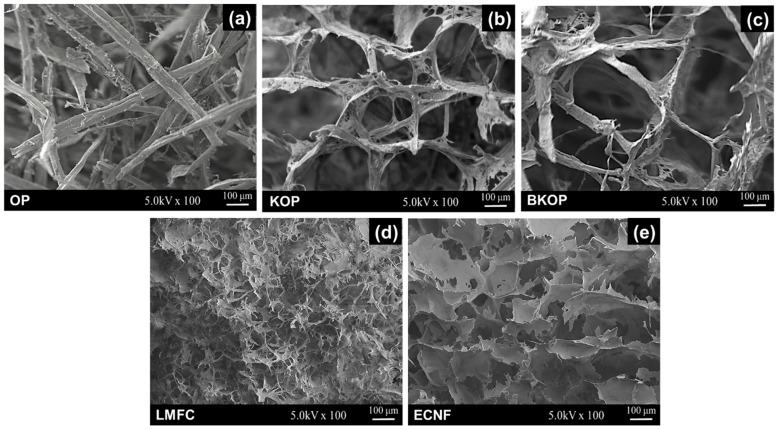 Figure 6
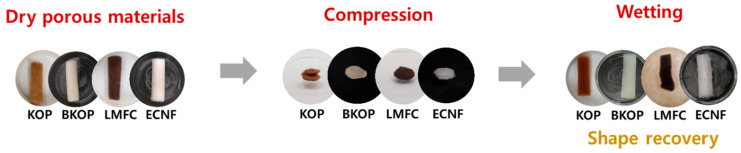 Figure 7
Peer Reviews
No public reviews on file for this paper yet. If you reviewed it on a platform where reviews are public (OpenReview, ICLR, NeurIPS, ICML), you can paste yours below so the community can read it here.
Videos
No videos yet. Explain this paper in a talk, walkthrough, or lecture? Add one.
Taxonomy
TopicsAdvanced Cellulose Research Studies · Lignin and Wood Chemistry · Hydrogels: synthesis, properties, applications